
There’s a lot of talk about electric vehicles these days. But the actual work of building EV charging infrastructure—the stuff that makes public charging possible—isn’t something most people see. What looks like a simple cabinet with a cable is really the end result of a long process involving utilities, permits, construction, and a fair amount of waiting.
This is a look at how it actually gets done, based on watching projects go from empty parking lots to operational stations.
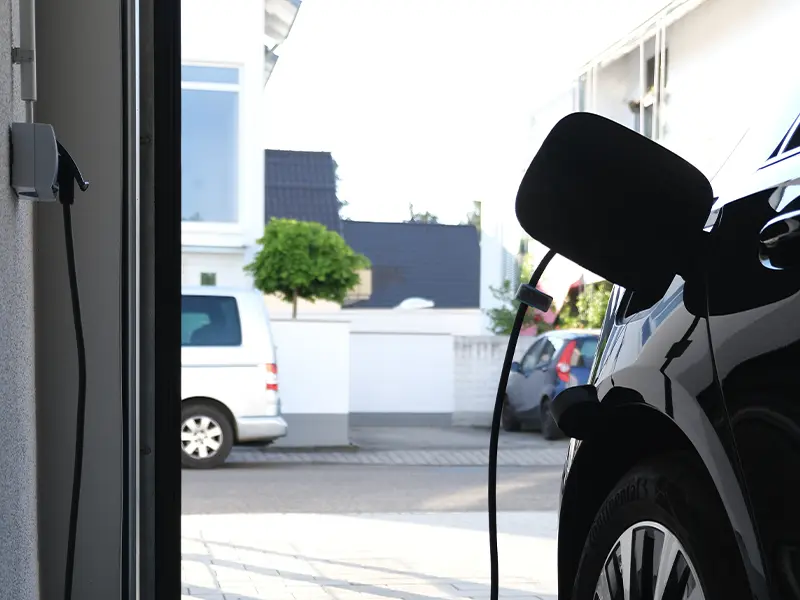
Where Building EV Charging Infrastructure Actually Starts
It might seem like the first step is buying chargers. It’s not. Building EV charging infrastructure starts with a piece of land and a conversation with the utility company.
Site Selection
Location matters more than almost anything else. A station in the wrong spot—even with great hardware—will sit underused. The things that get looked at:
• Highway access or major thoroughfares
• Visibility from the road
• Nearby amenities (restrooms, food, somewhere to wait)
• Existing electrical capacity at the site
That last one is the killer. Sites with plenty of power available are gold. Sites that need a new transformer and miles of trenching… well, the budget starts looking different real fast.
Koordinierung der Versorgungsunternehmen
This part is rarely quick. The utility needs to determine if the local grid can handle the additional load. A fast charging site can pull several hundred kilowatts. If the local transformer isn’t sized for it, upgrades are required.
The timeline here is often underestimated. Six to twelve months for utility work isn’t unusual. Sometimes longer if there are supply chain issues with transformers. It’s the part of building EV charging infrastructure that nobody can rush.
Permits and Approvals for EV Charging Infrastructure
Before any construction happens, there’s paperwork. Local building departments, electrical inspectors, sometimes fire marshals. Each jurisdiction has its own checklist.
Common permit requirements:
1. Electrical permits for the service upgrade and charger connections
2. Building permits for concrete pads and any structures
3. Zoning reviews to confirm the use is allowed
4. Fire department approval for clearance and accessibility
Some places have streamlined this process. Others haven’t. The difference in timelines can be months.

Equipment Selection and Procurement
Once the site is secured and permits are moving forward, attention turns to the hardware. Not all chargers are the same, and the choices made here affect reliability for years.
| Equipment Type | Typical Use Case | Key Consideration |
|---|---|---|
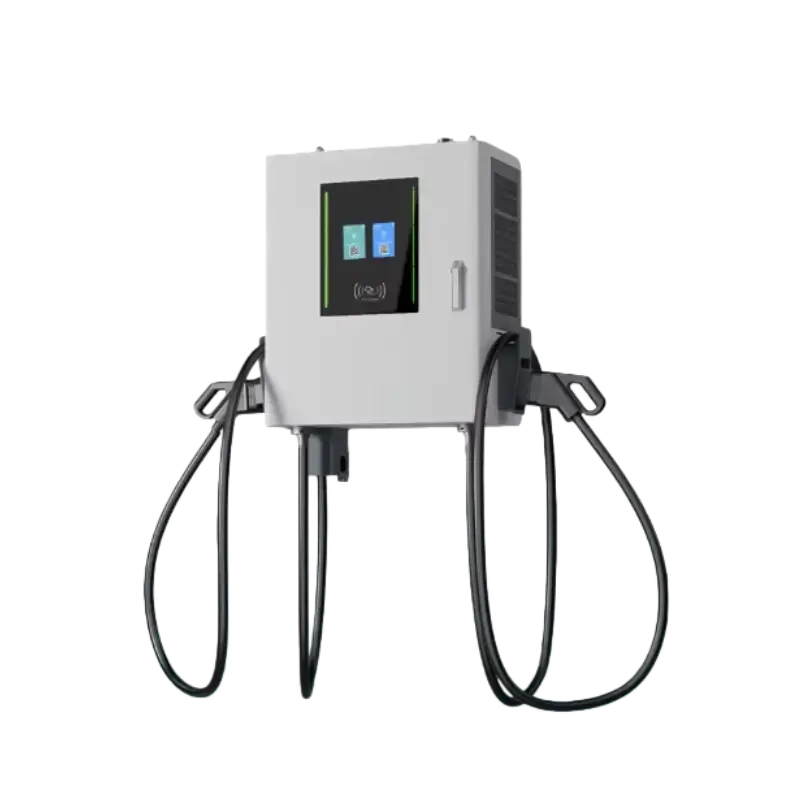
| 50-100 kW DC Chargers | Urban sites, fleet depots | Lower upfront cost, slower charge times |
| 150-250 kW DC Chargers | Highway corridors, high-volume sites | Faster charging, higher electrical demand |
| 350 kW+ DC Chargers | Future-proofed flagship sites | Very high power, premium cost, limited vehicles can use full speed |
| Networked vs. Non-Networked | All public-facing sites should be networked | Remote monitoring, payment processing, updates |
The decision often comes down to balancing upfront cost against expected utilization. A highway site needs faster chargers. A retail parking lot might do fine with slower units.
Construction and Installation
This is the visible phase. The one where neighbors start noticing what’s going on.
Site Work
Trenching for conduit, pouring concrete pads, setting bollards to protect the units. Sometimes asphalt needs to be cut and patched. If the site is in an existing parking lot, there’s coordination with the property owner to minimize disruption.
Electrical Installation
Running feeders from the utility transformer to the switchgear, then out to each charger. This work requires licensed electricians and usually gets inspected multiple times. Mistakes here—wrong wire gauge, improper grounding—can delay energization by weeks.
Testing and Commissioning
Once everything is installed, it needs to be tested. This is where an EV-Ladestation Tester comes into play. It simulates a vehicle connection and verifies that communication, power output, and safety systems are all working properly. A good EV-Ladegerät Testgerät can catch issues like incorrect protocol handshakes or voltage irregularities before the first customer ever plugs in.
Skipping thorough testing at this stage is a gamble. Some sites rush to open and end up with units that fail repeatedly in the first month. The testing phase is boring, but it matters.

Software Integration and Network Onboarding
Hardware is only half the story. Building EV charging infrastructure also means getting the software layer right.
Network Connection
Each charger needs to communicate with a central platform. That handles authentication (how drivers start a session), billing, remote diagnostics, and firmware updates. Sometimes this is done through cellular modems built into the units. Sometimes it’s hardwired Ethernet.
Zahlungssysteme
Drivers expect to pay with a credit card, an app, or sometimes both. Setting up the payment processing involves merchant accounts, PCI compliance, and testing the flow from tap to charge. If the payment system fails at launch, people get frustrated.
Operational Readiness and Ongoing Maintenance
Getting the station to “on” isn’t the end. Actually, it’s the start of a different kind of work.
Staff Training
Someone has to know how to reset a charger remotely, how to handle driver support calls, and who to call when a unit goes offline. The sites that run well have clear procedures for these things.
Maintenance Plans
Things break. Cables get run over. Screens get vandalized. Cooling fans fail. A proactive maintenance plan—with spare parts on hand and a local technician on call—makes the difference between a site that’s down for a day and one that’s down for two weeks.
Common ongoing tasks:
• Remote monitoring of uptime
• Physical site inspections (trash, lighting, cable condition)
• Scheduled preventive maintenance
• Firmware updates
What Makes Projects Succeed or Struggle
From watching how different builds have gone, a few patterns emerge.
Success factors:
• Site chosen with existing electrical capacity
• Realistic timeline for utility work
• Experienced contractor who has built charging stations before
• Proactive communication between all parties
Common struggles:
• Underestimating utility lead times
• Permitting delays from plan reviewers who haven’t seen many EV projects
• Equipment supply chain issues
• Rushing the testing phase
FAQ
How long does it take to build EV charging infrastructure?
Typical projects take 12 to 18 months from site selection to going live. Utility coordination accounts for the longest part of that timeline.
What’s the most expensive part of building a charging station?
Civil work and utility upgrades often cost more than the chargers themselves. Transformer upgrades, trenching, and paving can easily exceed hardware costs.
Can any electrician install EV chargers?
Ideally, look for contractors with specific EV charging experience. Fast chargers require high-voltage work and coordination with utilities that not all commercial electricians have handled before.


 German
  English
  Spanish
  Portuguese
  French
  Russian
  Italian