
As electric vehicles (EVs) continue to reshape the future of transportation, more drivers are realizing that charging an EV isn’t always as simple as plugging it in. One major point of confusion? EV charging adapters. Whether you’re new to the world of EVs or just switching to a new model, understanding the different types of EV charger adapters—and how they’re not all created equal—can save you a lot of frustration.
Understanding the Basics
An EV charging adapter is a small but powerful piece of equipment that allows your vehicle to connect to charging stations with different plug types or standards. As automakers and regions continue to adopt different charging protocols, electric car charger adapters have become essential for EV owners who want charging flexibility at home, on the road, or across borders.
For instance, a Tesla owner might need a J1772 adapter to charge at non-Tesla public stations. Meanwhile, someone driving a Nissan Leaf with a CHAdeMO port might need a CHAdeMO-to-CCS adapter to access newer fast-charging networks. The point is: not all adapters serve the same function.
Types of EV Charging Adapters
There are several types of EV charging adapters, and which one you need depends on your car, the station you’re charging at, and the region you’re in. Common types include:
- Type 1 to Type 2 adapters: Enable EVs with Type 1 inlets (common in North America/Japan) to connect to Type 2 charging stations (predominant in Europe).
- Type 2 to Tesla adapters: Allow European EVs to connect to Tesla Destination Chargers using a modified Type 2 plug in Europe.
Fast-charging standard adapters: CCS-to-CHAdeMO or vice versa adapters for compatibility between different DC fast-charging systems (note: such adapters are rare due to technical/power limitations, and manufacturer approval is essential).
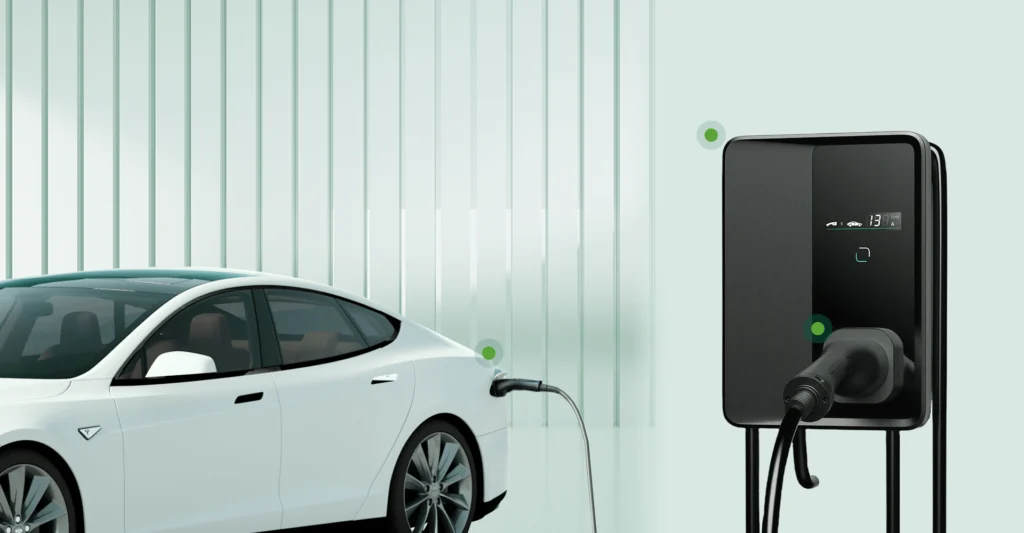
Not All EV Charging Adapters Are Created Equal
While many EV charger adapters look similar, they can vary drastically in quality, performance, and safety. Here are some of the most important differences to watch out for:
- Power Handling: Some EV charging adapters are designed only for Level 1 or Level 2 AC charging, while others can manage high-speed DC fast charging.
- Build Quality: A well-made EV charger adapter will have thick insulation, solid connections, and weatherproofing. Cheaper options may not withstand heat, rain, or wear and tear.
- Zertifizierungen: Look for products certified by standards like UL, CE, or TÜV. These marks indicate the adapter has passed rigorous safety tests.
Low-quality adapters can do more than just slow down charging—they can damage your EV’s battery or even present fire hazards.
How to Choose the Right EV Charging Adapter
When shopping for an EV charging adapter, think about both your current needs and your future travel plans. Ask yourself:
- Is it compatible with your vehicle’s charging port and the stations you plan to use?
- Does it support the right charging level (Level 1, 2, or DC fast charging)?
- Is it from a trusted brand with good reviews and safety certifications?
- Will it work if you drive across state lines or even into another country?
As EV adoption increases and infrastructure evolves, standardization is slowly coming. The U.S., for example, is moving toward wider adoption of Tesla’s NACS connector, even among non-Tesla vehicles. This shift means future-proofing your charging setup—perhaps with a multi-standard adapter—might be a smart move.
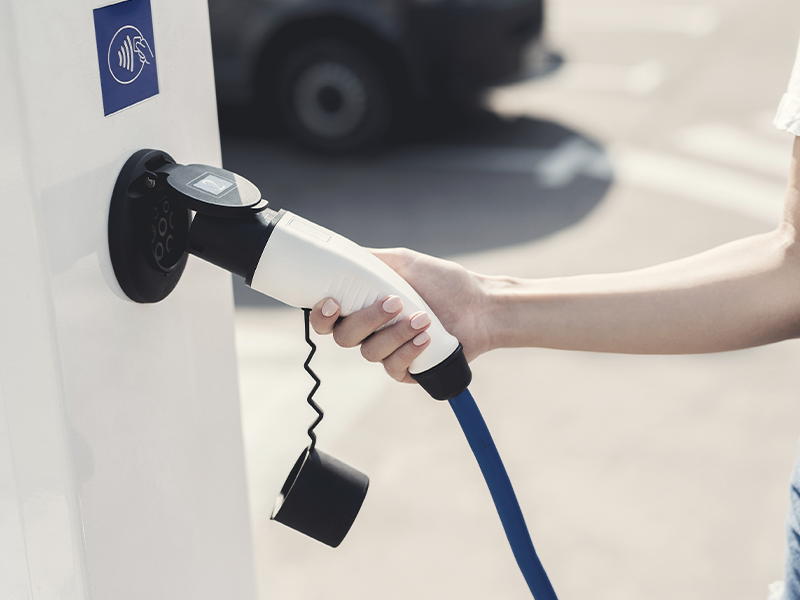
Schlussfolgerung
The EV charging adapter might seem like a small part of your EV journey, but it plays a crucial role in how smooth—or frustrating—your charging experience will be. Not all adapters are the same, and making the wrong choice could mean the difference between getting back on the road in minutes or being stuck looking for the right outlet.
So don’t just grab the cheapest option online. Take the time to understand your vehicle’s requirements and the charging options around you. And if you’re still unsure where to start, check out Die 3 wichtigsten Punkte, die Sie vor dem Kauf eines Ladeadapters für Elektrofahrzeuge beachten sollten.
FAQ
Are all EV charging adapters the same?
No. EV charging adapters vary by connector type, power level (AC vs DC), regional standards, and vehicle compatibility. Using the wrong adapter can cause charging failures or safety risks.
Do I need an EV charging adapter to charge my EV at public stations?
Sometimes. If your EV’s connector doesn’t match the charger, you’ll need an appropriate adapter. This is especially common when charging Teslas at non-Tesla stations or vice versa.
Are DC fast charging adapters available for all EVs?
No. DC adapters (e.g., CHAdeMO to CCS) are rare and typically limited to specific vehicles. Always check manufacturer guidelines before using one.


 German
  English
  Spanish
  Portuguese
  French
  Russian
  Italian