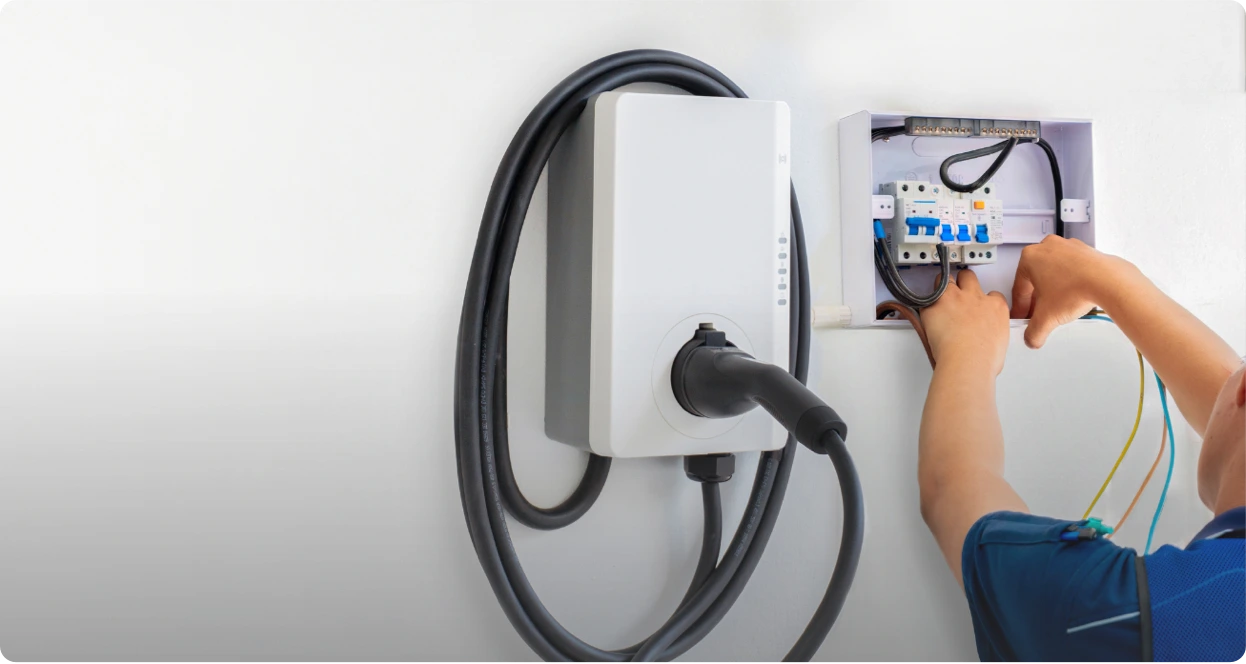
Wenn ein Elektrofahrzeug sich weigert, aufzuladen, beginnt in der Regel sofort das Spiel mit den Schuldigen. Liegt es an der Software des Autos oder ist die Wallbox defekt? Ein frustrierendes Szenario, bei dem sich viele Fahrer den Kopf zerbrechen. Genau an dieser Stelle kommt ein spezielles Diagnosegerät ins Spiel. Das EV-Ladegerät-Tester ist der unbesungene Held der Elektromobilität, der als Übersetzer und Sicherheitsnetz zwischen der rohen Energie des Stromnetzes und der empfindlichen Elektronik eines Fahrzeugs fungiert.
Es handelt sich nicht nur um ein schickes Multimeter, sondern um einen Simulator. Um zu verstehen, was dieses Gerät tut, muss man sich klarmachen, dass das Aufladen eines Elektrofahrzeugs nicht wie das Anschließen eines Toasters ist. Es gibt ein digitales Gespräch oder einen "Handschlag", der zuerst stattfindet, und dieses Gerät wurde entwickelt, um dieses Gespräch vorzutäuschen.
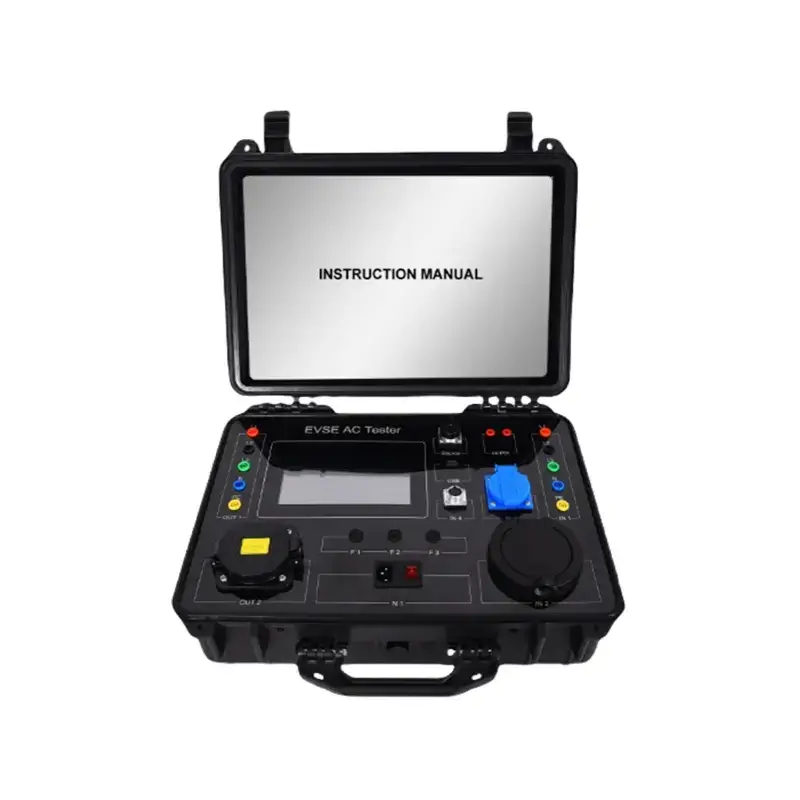
Die Hauptfunktion eines EV Charger Testers
Im Kern ist dieses Gerät so aufgebaut, dass es der Ladestation (oft EVSE genannt) vorgaukelt, dass ein Auto angeschlossen ist. Ohne ein angeschlossenes Auto ist eine Ladestation im Grunde genommen eine tote Steckdose - aus Sicherheitsgründen gibt sie keine Hochspannung ab. Man kann also nicht einfach ein Voltmeter hineinstecken, um zu sehen, ob es funktioniert.
Der EV-Ladetester ahmt die elektrische Signatur eines Fahrzeugs nach. Es manipuliert den Widerstand der Steuerleitungen, insbesondere der Control Pilot (CP)- und Proximity Pilot (PP)-Pins. Durch Drehen von Knöpfen oder Drücken von Tasten am Tester kann ein Techniker der Station mitteilen: "Hey, ich bin ein Auto und bereit zum Laden", woraufhin die Station die Energie freigibt, damit sie gemessen und analysiert werden kann.
Simulation verschiedener Ladezustände mit einem EV Charger Tester
Das Laden in der realen Welt ist kein einfacher Ein-/Aus-Schalter, sondern durchläuft verschiedene Stufen. Ein gutes Prüfgerät ermöglicht es dem Benutzer, diese Stufen manuell zu durchlaufen, um sicherzustellen, dass die Station bei jedem Schritt korrekt reagiert. Es wird oft beobachtet, dass eine Station ein Auto erkennt (Zustand B), aber keinen Strom sendet (Zustand C), was ein häufiger Fehler ist.
Hier ein Blick auf die typischen Zustände, die diese Testgeräte zur Diagnose von Verbindungsproblemen simulieren:
| Staatlicher Code | Status der Simulation | Was geschieht hier? |
|---|---|---|
| Zustand A | Getrennt | Das Prüfgerät simuliert, dass kein Fahrzeug vorhanden ist. Die Spannung an der Pilotleitung sollte 12 V betragen. |
| Zustand B | Verbunden / Standby | Das "Auto" ist eingesteckt, fragt aber noch nicht nach Strom. Die Station sollte das Kabel sperren. |
| Zustand C | Aufladung Aktiv | Das "Auto" fordert Strom an. Das Schütz der Station sollte einrasten und die Spannung freigeben. |
| Zustand D | Belüftung erforderlich | Selten, wird für alte Blei-Säure-Batterien verwendet. Die meisten modernen Kraftwerke schalten den Strom ab, wenn sie dies sehen. |
Prüfung auf Sicherheits- und Erdschlussfehler
Das Gerät sorgt nicht nur dafür, dass der Strom fließt, sondern ist auch für Sicherheitsprüfungen unerlässlich. Ein Techniker verwendet das Prüfgerät, um absichtlich ein "Leck" oder einen Erdschluss zu erzeugen, um zu sehen, ob der interne Sicherheitsschalter (RCD) der Station schnell genug auslöst. Wenn das Testgerät einen Stromschlag simuliert und die Station weiterhin Strom abgibt, ist das Gerät gefährlich und muss sofort ausgetauscht werden.
Wann wird ein EV Charger Tester typischerweise eingesetzt?
Im Bereich der Wartung moderner Elektrofahrzeuge ist die professioneller tragbarer EV-Tester ist ein unverzichtbares Werkzeug. Ein normaler Hausbesitzer besitzt nur selten ein solches Gerät, vor allem weil es ein Spezialgerät ist, aber für Elektriker und Gebäudemanager ist es unverzichtbar. Es wird in der Regel in mehreren kritischen Szenarien eingesetzt, in denen es keinen Raum für Fehler gibt:
- Neue Installationen: Bevor der Hausbesitzer seinen neuen Tesla anschließt, überprüft der Elektriker, ob die Wallbox richtig verkabelt ist.
- Reparatur des öffentlichen Bahnhofs: Wenn ein öffentliches Ladegerät als defekt gemeldet wird, verwendet ein Techniker den Tester, um auszuschließen, dass das Auto das Problem ist.
- Jährliche Wartung: Sicherstellen, dass die Sicherheitsmechanismen nicht im Laufe der Zeit blockiert werden.
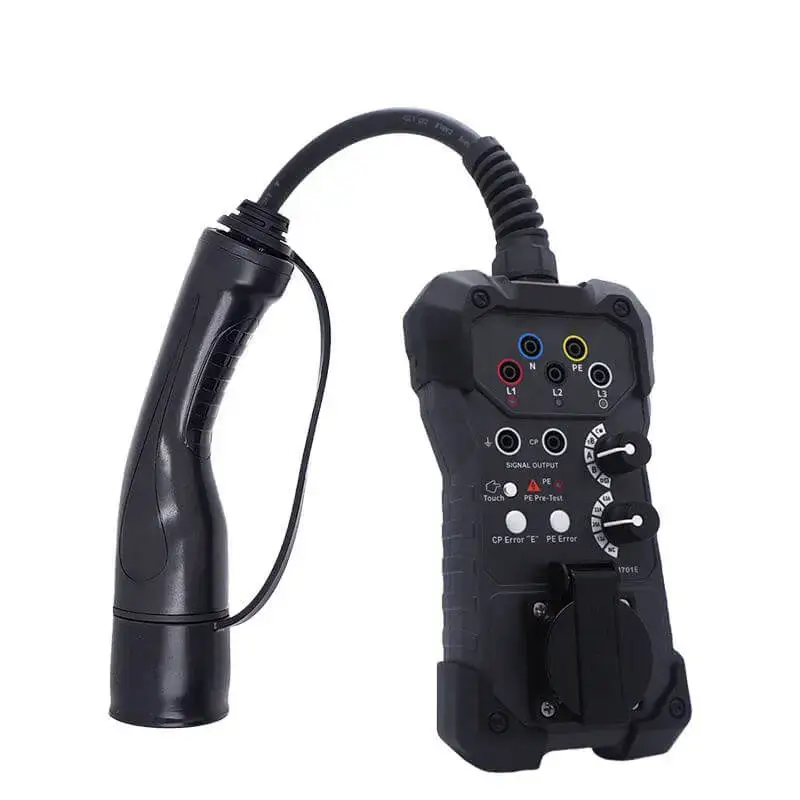
Schritt-für-Schritt-Anleitung zur Verwendung des Geräts
Die verschiedenen Marken haben zwar unterschiedliche Regler, aber der allgemeine Arbeitsablauf ist überraschend manuell. Es fühlt sich ein bisschen an wie die Bedienung eines wissenschaftlichen Taschenrechners.
- Schließen Sie das Kabel des Prüfgeräts an die Steckdose der Ladestation an (Typ 1 oder Typ 2).
- Stellen Sie das Prüfgerät auf "Zustand A" (getrennt) und beobachten Sie die Statusleuchten der Station.
- Stellen Sie den Schalter auf "Status B" (verbunden). Die Station sollte erkennen, dass ein Fahrzeug vorhanden ist.
- Schalten Sie auf "Zustand C" (Laden). Hören Sie auf das "Klirren" des internen Schützes in der Wallbox.
- Verwenden Sie ein Multimeter (oft an die externen Anschlüsse des Testers angeschlossen), um die Spannung und die Frequenz zu messen.
FAQ
Kann ich ein normales Multimeter anstelle eines EV-Ladegerätetesters verwenden?
Nicht wirklich. Ein Multimeter kann die Spannung messen, aber es kann der Ladestation nicht sagen, dass sie sich einschalten soll. Da die Station tot ist, bis sie mit einem Auto verhandelt, müssen Sie mit dem Prüfgerät diese Verhandlung zuerst simulieren. Normalerweise verwendet man ein Multimeter neben den Prüfer.
Funktioniert ein Testgerät für EV-Ladegeräte auch bei DC-Schnellladegeräten?
Standardprüfgeräte sind für das Laden mit Wechselstrom (Stufe 1 und Stufe 2) ausgelegt. DC-Schnellladegeräte verwenden ein völlig anderes, viel komplexeres digitales Kommunikationsprotokoll (CCS oder CHAdeMO). Es gibt zwar Prüfgeräte für Gleichstrom, aber sie sind wesentlich teurer und komplexer als die Standardgeräte für Wechselstrom.
Ist es gefährlich, diese Testgeräte zu verwenden?
Das kann sein, wenn Sie nicht wissen, was Sie tun. Der EV-Ladetester befiehlt der Station, stromführende Hochspannung abzugeben. Sobald der "Zustand C" aktiviert ist, stehen die Ausgänge des Prüfgeräts unter Strom und führen tödliche Spannung. Das Gerät sollte nur von geschulten Personen bedient werden.