Электромобили, предназначенные для разных регионов, не всегда оснащены одинаковыми зарядными разъемами. Большинство североамериканских электромобилей используют разъем CCS1, тогда как общественные зарядные сети в Европе, Австралии и на ряде других рынков работают с разъемом CCS2. Когда автомобиль с разъемом CCS1 попадает в регион, где используется CCS2, физическое несовпадение разъемов может полностью препятствовать зарядке. A Адаптер постоянного и переменного тока CCS2–CCS1 устраняет этот пробел, благодаря чему транспортное средство может получать энергию от местной инфраструктуры без каких-либо изменений в его бортовом оборудовании.
Выбор между версией «только постоянный ток» и версией «постоянный и переменный ток» зависит от того, нужна ли вам также зарядка переменным током уровня 2. Адаптер «только постоянный ток» поддерживает только быструю зарядку постоянным током и, как правило, легче и дешевле. Адаптер «постоянный ток + переменный ток» позволяет заряжать автомобиль как от настенных зарядных станций переменного тока, так и от зарядных станций в пунктах назначения с помощью одного и того же устройства, что удобно для путешественников и автопарков, которые в ходе одной поездки сталкиваются с обоими типами инфраструктуры.
В приведенных ниже разделах объясняется, как работает каждая версия, где она найдет применение в реальных условиях вождения и на что следует обратить внимание перед покупкой.
Как на самом деле работает переходник с CCS2 на CCS1
Адаптер для электромобилей CCS2–CCS1 представляет собой пассивный мост, который соединяет зарядный разъем CCS2 с входным разъемом автомобиля стандарта CCS1, позволяя автомобилю использовать инфраструктуру CCS2 без замены каких-либо бортовых компонентов.
Система Combined Charging System представлена в двух региональных вариантах, которые внешне похожи, но механически не взаимозаменяемы. Понимание этого различия — первый шаг к выбору подходящего адаптера.
Разъемы CCS1 и CCS2
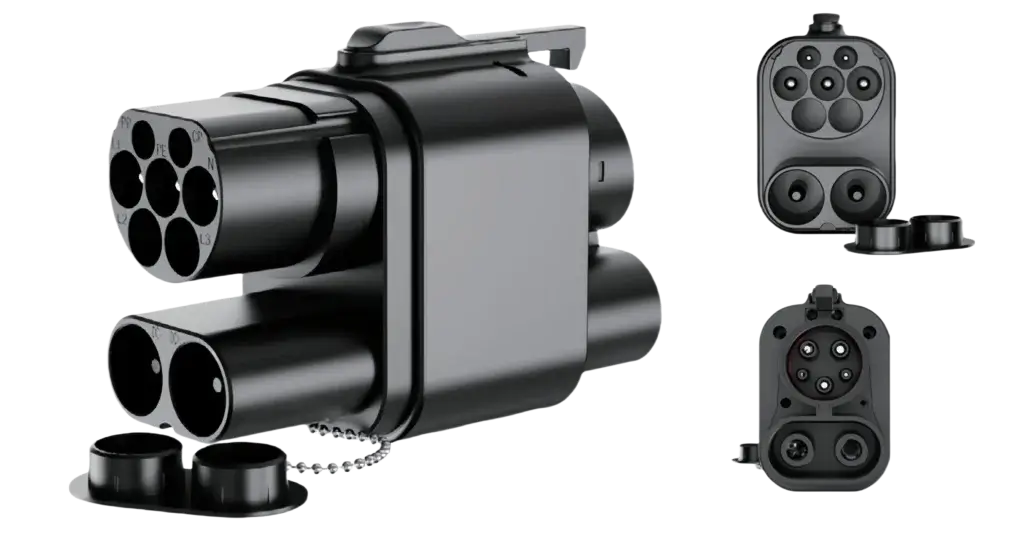
CCS1 основан на североамериканском интерфейсе SAE J1772. В его верхней части расположены контакты переменного тока, используемые для зарядки дома и на рабочем месте, а в нижней части — два контакта постоянного тока с высокой пропускной способностью, предназначенные для быстрой зарядки. CCS2 основан на интерфейсе IEC Type 2, широко распространённом в Европе и на многих экспортных рынках, с теми же двумя контактами постоянного тока, расположенными под другой верхней частью для переменного тока.
Поскольку формы верхних контактов разъемов AC различаются, автомобиль с разъемом CCS1 физически не может подключаться к разъему CCS2, и наоборот. Именно из-за этого регионального различия импортному автомобилю или путешественнику, пересекающему континенты, вдруг требуется переходник, а не простой кабель.
Почему адаптер представляет собой мост внутри одного семейства
И CCS1, и CCS2 относятся к одному и тому же семейству систем зарядки. Они устанавливают сеанс связи с использованием коммуникационного стека ISO 15118 и определений разъемов по стандарту IEC 62196-3, поэтому адаптеру необходимо лишь обеспечить совместимость геометрии разъемов, а не осуществлять перевод между разными протоколами. Комбинированная система зарядки и её структура взаимодействия поддерживаются в рамках серии стандартов IEC 62196 и руководствуются Инициатива по стандартизации интерфейсов зарядки (CharIN).
Соответствие стандарту одной и той же семейства имеет важное значение с точки зрения безопасности. Адаптер для электромобилей CCS2–CCS1 не обеспечивает преобразование для автомобилей, поддерживающих стандарты NACS, GB/T или CHAdeMO. Эти стандарты используют разные протоколы связи и требуют активного преобразования, а не пассивного моста.
Только постоянный ток против постоянного и переменного тока: основное различие
Версия «только постоянный ток» поддерживает исключительно быструю зарядку постоянным током, тогда как версия «постоянный ток + переменный ток» поддерживает быструю зарядку постоянным током, а также зарядку переменным током уровня 2 через тот же разъем.
Это единственное отличие влияет на то, где и как вы сможете заряжать устройство, поэтому перед покупкой стоит внимательно изучить этот момент.
Что предлагает исключительно DC
Устройство, работающее только в режиме постоянного тока, предназначено для нижних контактов постоянного тока. Типичные номинальные параметры составляют около 250 ампер и 1000 вольт постоянного тока, что позволяет осуществлять быструю зарядку мощностью до примерно 250 кВт в зависимости от автомобиля и зарядной станции. Устройство отличается компактностью, поскольку в нем отсутствует цепь переключения переменного тока.
Компромисс очевиден: адаптер, работающий только от постоянного тока, не может получать питание от настенной розетки переменного тока или зарядного устройства в пункте назначения. Если вам нужны только зарядные станции на автомагистралях и общественные станции постоянного тока, это ограничение не имеет значения, и в таком случае более простое устройство будет более выгодным приобретением.
A CCS2 в CCS1 Адаптер для электромобилей — это идеальный вариант, если каждая остановка на вашем маршруте — это станция быстрой зарядки постоянного тока.
Что дает DC+AC
Двухрежимная версия сохраняет те же характеристики по постоянному току, но также обеспечивает прохождение тока переменного напряжения от разъема CCS2 к автомобилю. Это добавляет примерно 80 ампер при напряжении 250 вольт переменного тока, что соответствует мощности зарядки уровня 2 около 20 кВт.
Благодаря этой функции один адаптер подходит как для зарядки на автомагистрали мощностью 250 кВт, так и для ночной зарядки от настенной зарядной станции мощностью от 7 до 20 кВт в отеле или арендованном жилье. Для водителя, который хочет иметь в багажнике только одно устройство, двухрежимная версия избавляет от необходимости использовать отдельный кабель переменного тока.
Откуда на самом деле поступает переменный ток при подключении к разъёму CCS2
Разъем CCS2 объединяет две функции в одном корпусе. В верхней части расположены контакты для подключения к сети переменного тока типа 2, а в нижней — контакты для быстрой зарядки постоянным током. Двухрежимный адаптер поддерживает полный набор входных параметров CCS2 и позволяет зарядной станции и автомобилю автоматически согласовывать режим работы без необходимости ручного переключения.
Приведенное ниже сравнение показывает, как эти две версии соотносятся друг с другом по наиболее важным аспектам.
| Характеристика | Только постоянный ток | DC+AC |
|---|---|---|
| Быстрая зарядка постоянным током | До ~250 А / 1000 В, ~250 кВт | До ~250 А / 1000 В, ~250 кВт |
| Зарядка по стандарту AC Level 2 | Не поддерживается | ~80 А / 250 В, ~20 кВт |
| Наилучшее применение | Автомагистрали и общественные узлы постоянного тока | Маршруты с использованием как постоянного, так и переменного тока |
| Размер и вес | Меньше, легче | Немного больше |
| Типичная структура затрат | Ниже | Выше |
| Покрытие одним устройством | Только постоянный ток | Постоянный и переменный ток |
Какая версия подходит для вашего режима зарядки?
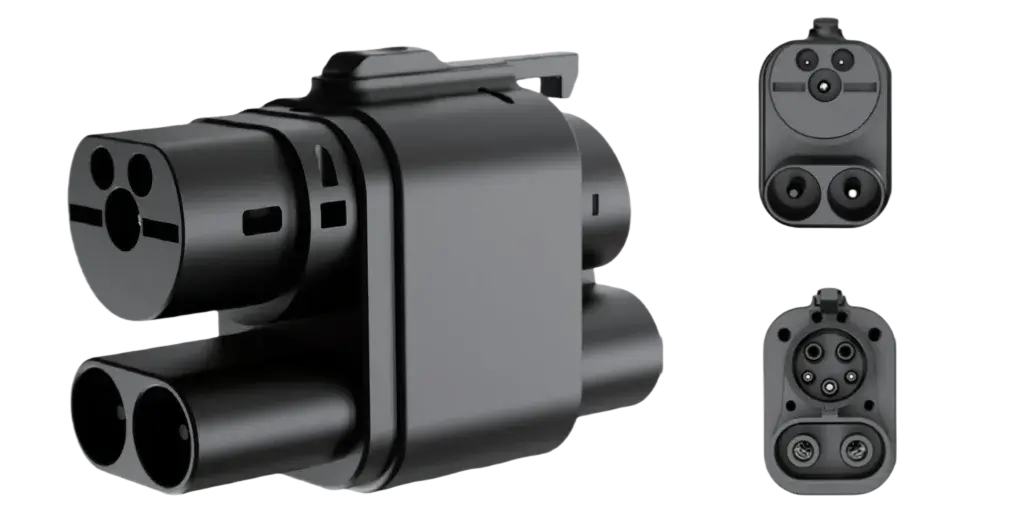
Выберите вариант «Только постоянный ток», если вы пользуетесь исключительно зарядными станциями с быстрой зарядкой постоянного тока, а вариант «Постоянный и переменный ток» — если вы также используете настенные зарядные устройства переменного тока и зарядные станции в пунктах назначения.
Правильный ответ зависит не столько от автомобиля, сколько от зарядных станций, с которыми вам на самом деле доведется столкнуться.
Вы в основном пользуетесь устройствами быстрой зарядки постоянного тока.
Владельцы, которые преодолевают большие расстояния между городами или хранят автомобиль стандарта CCS1 в стране со стандартом CCS2 и заряжают его в основном на общественных станциях постоянного тока, в дороге практически не пользуются розетками переменного тока. Для таких условий использования достаточно версии, поддерживающей только зарядку постоянным током. Это позволяет снизить вес, упростить конструкцию багажника и, как правило, снизить стоимость.
Вы также пользуетесь настенными зарядными устройствами переменного тока и зарядными устройствами на пунктах назначения.
Многие путешественники сначала сталкиваются с переменным током (AC). Розетка в арендованной квартире, зарядное устройство в отеле или зарядная станция типа 2 в торговом центре — все они обеспечивают питание переменным током. Адаптер, поддерживающий только постоянный ток (DC), не может работать с ними, из-за чего вам придётся искать отдельный кабель переменного тока. Версия «DC+AC» поддерживает оба типа, поэтому её часто рекомендуют по умолчанию для импортных автомобилей и поездок за границу.
Сценарии использования автопарков и коммерческого транспорта
Операторы, эксплуатирующие транспортные средства стандарта CCS1 в инфраструктуре CCS2, ежедневно сталкиваются с разнородными зарядными станциями. Наличие в ассортименте одного типа оборудования с поддержкой двух режимов вместо двух отдельных адаптеров позволяет сократить запасы, снизить затраты на обучение персонала и обеспечить непрерывную работу транспортного средства независимо от того, подключается ли оно к быстрому хабу или к более медленному зарядному устройству на рабочем месте. При частом использовании такая гибкость, как правило, перевешивает небольшую разницу в цене.
Технические характеристики, на которые следует обратить внимание
Оценивайте адаптер по его напряжению, току, классу защиты, тепловому выключателю и сертификатам, а не по значению пиковой мощности, указанному на коробке.
Такие маркетинговые показатели, как 250 кВт, обозначают максимальную нагрузку, которую должны выдерживать и автомобиль, и заправочная станция. Подробная информация приведена в таблице ниже заголовка.
Номинальные электрические характеристики
Убедитесь, что диапазон постоянного напряжения соответствует требованиям вашего автомобиля, особенно если в нём используется архитектура на 800 В, приближающаяся к верхнему пределу в 1000 В. Номинальный ток определяет, какой ток контакты могут выдерживать в непрерывном режиме, а длительный ток вызывает нагрев, который определяет безопасность эксплуатации.
Типичный двухрежимный блок имеет номинальные характеристики около 250 А постоянного тока и 80 А переменного тока, а диапазон напряжения постоянного тока составляет от 200 до 1000 вольт. Прежде чем предполагать, что зарядка пройдет на полной мощности, всегда сверяйте эти показатели с допустимыми входными параметрами вашего автомобиля.
Конструкция, защита и сертификаты
Уличные общественные зарядные станции подвергают устройство воздействию дождя, пыли и перепадов температуры. Обратите внимание на степень защиты, например IP54, обеспечивающую защиту от брызг и пыли, огнестойкий корпус, соответствующий стандарту UL94 V-0, а также посеребренные медные контакты, обеспечивающие низкое сопротивление. К распространённым знакам соответствия относятся CE, FCC и RoHS, а срок службы более 10 000 циклов соединения свидетельствует о том, что устройство рассчитано на многократное использование.
Диапазон рабочих температур составляет от примерно -30 °C до +50 °C, что охватывает большинство реальных условий путешествий.
Термозащита
Сильный ток вызывает нагрев в местах соприкосновения, а неконтролируемое нагревание является основной причиной выхода из строя при быстрой зарядке. Качественные адаптеры оснащены датчиком температуры с функцией автоматического отключения, которая прерывает процесс зарядки, когда температура устройства достигает заданного порогового значения, например 90 °C. Эта защитная функция обеспечивает безопасность как адаптера, так и автомобиля, и перед покупкой стоит убедиться в её наличии.
Проверка безопасности и совместимости перед покупкой
Прежде чем выбрать версию, убедитесь, что ваш автомобиль оснащен разъемом CCS1 и что вы будете заряжать его на станциях CCS2.
Даже самый качественный адаптер бесполезен, если он устанавливается не на ту сторону разъема.
Уточните, с какой стороны находится ваш автомобиль и с какой стороны — зарядное устройство.
Направление подключения устройства определяется следующим образом: выход зарядного устройства к входу автомобиля. В данной статье сторона зарядного устройства обозначена как CCS2, а сторона автомобиля — как CCS1. Устройство не подходит для автомобилей с интерфейсами NACS, GB/T или CHAdeMO, а также не позволяет автомобилю с интерфейсом CCS2 заряжаться на станции с интерфейсом CCS1.
Перед оформлением заказа проверьте тип разъема на вашем автомобиле. Многие североамериканские электромобили, проданные до перехода на стандарт NACS, оснащены разъемом CCS1; у более новых моделей или моделей, прошедших модернизацию, ситуация может отличаться. Точное соответствие типа разъема позволит избежать возврата товара и напрасной поездки.
Соответствие региону и инфраструктуре
Наиболее актуальными сценариями использования являются североамериканские электромобили с разъемом CCS1, которые эксплуатируются или перевозятся в Европу, Австралию, Корею и на Тайвань, где в сетях общественного зарядки преобладает стандарт CCS2. На этих рынках адаптер для электромобилей, позволяющий переключаться с CCS2 на CCS1, открывает доступ к местной сети.
При коммерческом или общественном использовании также необходимо ознакомиться с местными правилами использования адаптеров, поскольку в некоторых регионах действуют ограничения на использование сторонних мостовых устройств в местах платного заряда.
Как правильно использовать адаптер
Следите за тем, чтобы контакты оставались сухими, вставьте адаптер до щелчка, запускайте и завершайте сеанс со станции или из вагона и ни в коем случае не пытайтесь силой отсоединить зафиксированный разъем.
Правильное обращение с оборудованием обеспечивает его сохранность и безопасность при каждой зарядке.
Порядок подключения и отключения
- Проверьте, нет ли повреждений или влаги как на адаптере, так и на впускном отверстии автомобиля.
- Плотно вставьте разъем CCS2 зарядного устройства в адаптер.
- Подсоедините конец адаптера с разъемом CCS1 к зарядному разъему автомобиля до тех пор, пока он не зафиксируется.
- Запустите сеанс с экрана станции или через приложение для транспортного средства.
- Прервите сеанс с терминала или автомобиля, прежде чем прикасаться к разъему.
- Сначала снимите адаптер с автомобиля, а затем отсоедините его со стороны зарядного устройства.
Соблюдение данной последовательности действий позволяет предотвратить образование электрической дуги и избежать износа фиксирующего механизма.
Меры предосторожности при зарядке
Не перемещайте транспортное средство или адаптер во время активной сессии, так как натяжение заблокированного соединения может привести к повреждению контактов. Следите за показаниями индикатора температуры (если он имеется) и прекратите работу, если он сигнализирует о перегреве. Не допускайте попадания воды на разъем и храните адаптер в сухом месте, когда он не используется.
Часто задаваемые вопросы
Будет ли адаптер CCS2–CCS1 работать на всех зарядных станциях?
При выборе двухрежимной версии устройство работает на зарядных станциях стандарта CCS2, как переменного, так и постоянного тока. Оно не работает на станциях стандартов NACS, GB/T или CHAdeMO, а фактическая скорость зарядки по-прежнему ограничивается возможностями вашего автомобиля по приему постоянного тока и выходной мощностью станции.
Безопасно ли оставлять адаптер подключенным к розетке на улице?
Устройство с классом защиты IP54 и сертифицированной термозащитой предназначено для использования на открытом воздухе, однако все же следует избегать попадания на него скопившейся воды и прямого воздействия солнечных лучей, когда оно не заряжается. Для продления срока службы после каждого использования отключайте устройство от сети и храните его в сухом месте.
Могу ли я использовать тот же адаптер, если в будущем моя машина перейдет на систему NACS?
Нет. В системе NACS используется другой физический разъем и канал связи. Адаптер CCS2–CCS1 обеспечивает соединение только внутри семейства CCS, поэтому для автомобиля с системой NACS потребуется собственный специальный адаптер.