
There is a unique sinking feeling that every electric vehicle driver eventually experiences. You pull into a parking spot, desperately low on battery, grab the heavy cable, and… nothing. You stand there in the rain, wondering if the machine is broken, or if you just didn’t plug it in hard enough.
Knowing how to quickly assess the health of an EV charger is a skill that becomes second nature after a few months of driving electric. It isn’t always about reading a manual; sometimes it’s about listening, looking, and feeling how the equipment responds. It’s a bit of a dance between the car and the machine, and if you know the steps, you can save yourself a lot of frustration.
Decoding the Lights on the EV charger
The most obvious sign is usually staring right at you. Almost every unit, whether it is a sleek home wall box or a beat-up public pedestal, uses a system of LED lights to communicate. While there is no global law that says “Blue means this” and “Green means that,” there is a general pattern that most manufacturers follow.
When you drive up, the unit should usually have a steady light. This means it is “Idling” or “Ready.” If the EV charger is completely dark—no screen, no LEDs—it’s likely tripped a breaker or lost mains power. Don’t bother unwinding the cable; it’s dead.
Once you plug it in, the light should change. It might switch from green to blue, or it might start pulsing. That pulse is the universal sign of “flow.” It’s like a heartbeat. If it turns solid red, that is the machine yelling “Stop.” A red light usually means a ground fault or an internal error.
Here is a rough guide to what those flashing lights are trying to tell you:
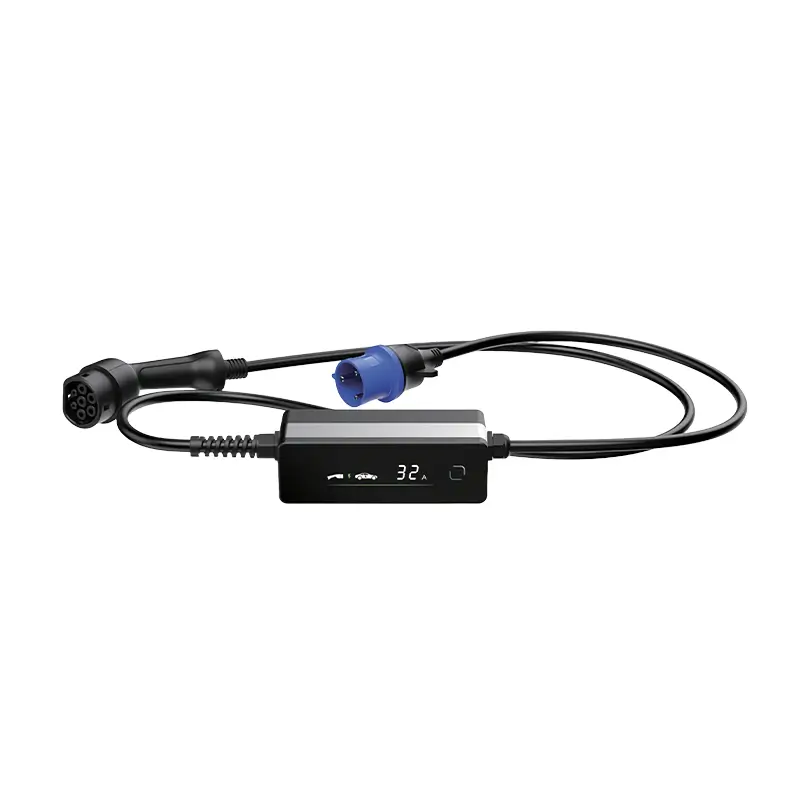
| Light Status | Common Meaning | What You Should Do |
|---|---|---|
| Steady Green/Blue | Ready / Standby | Plug in your vehicle. |
| Pulsing Green/Blue | Charging Active | Walk away, it’s working. |
| Solid Yellow/Orange | Initializing / Handshake | Wait a few seconds. |
| Solid Red | Fault / Error | Unplug and try again, or call support. |
| Flashing Red | Critical Failure | Do not use; move to another station. |
Listening for the Mechanical "Clunk"
If the lights are confusing (or broken), your ears are your next best tool. Inside every AC EV charger, there is a heavy-duty switch called a contactor.
When you plug the connector into your car, a silent negotiation happens. The car talks to the charger and says, “I’m here, I’m safe, give me power.” If the charger agrees, it closes that contactor.
You will hear it. It is a distinct, heavy thunk or clack sound coming from the box on the wall. If you plug the car in and wait ten seconds, and you never hear that mechanical clack, power is not flowing. It might be that the latch didn’t engage, or the payment didn’t process, but without the clunk, there is no juice.
Also, listen for the hum. Once the charging starts, high-speed DC fast chargers will sound like a jet engine taking off because of the cooling fans. Even smaller home units might have a faint electrical buzz. Silence is usually a bad sign.
Checking the Dashboard and the "Handshake"
Sometimes the EV charger looks fine, but the car disagrees. The dashboard is the ultimate truth-teller here.
When the connection is made, your dashboard should light up immediately. It will usually display a “Plugged In” icon first. Then, after the handshake (that negotiation we mentioned), it should switch to “Charging” and show you a time-to-full estimate.
If the dashboard says “Plugged In, Not Charging” or “Check Charger,” the issue might be physical.
- Debris: Check inside the plug head. Is there a dead bug or some dirt blocking a pin?
- The Latch: Lift up on the handle slightly. Sometimes the heavy cable weighs down the plug, breaking the connection on the top “proximity” pin. Lifting it can help the car sense the EV charger correctly.
The "Slow Fail" of an EV charger
There is a weird middle ground where the charger is working, but not really.
You might notice that the car is charging, but at a snail’s pace. If you are at a fast charger capable of 150kW, but you are only getting 30kW, the charger might have a cooling issue. When the cables get too hot, or the internal sensors fail, the EV charger goes into self-preservation mode. It throttles the power down to a trickle to prevent catching fire.
It is “working,” technically. But for all practical purposes, if you are on a road trip, a throttled charger is a broken charger.
Confirming with the App
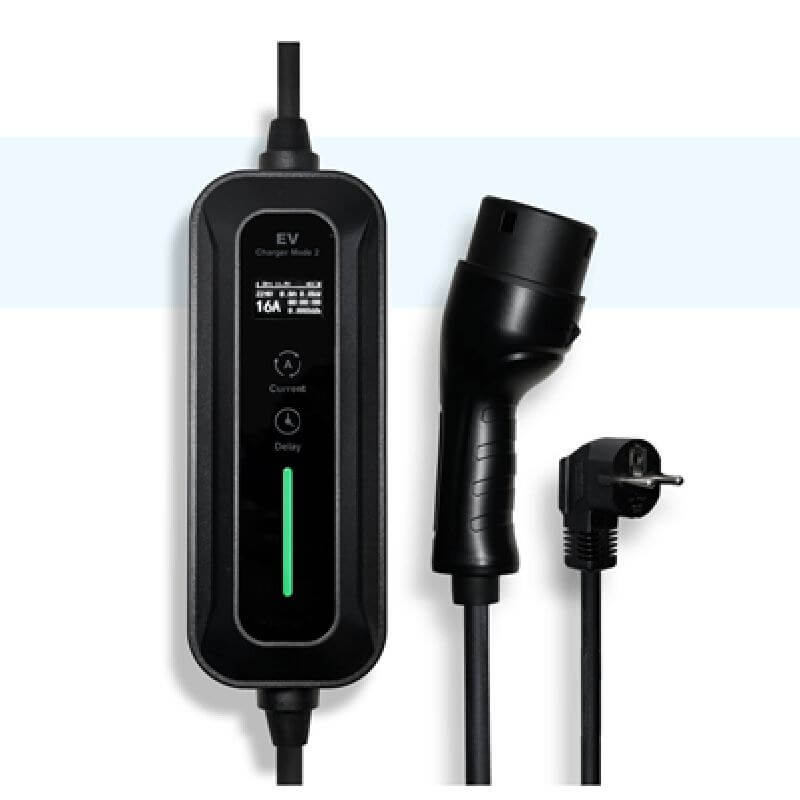
In the modern era, the app is often more reliable than the screen on the machine, which might be sun-bleached or scratched into oblivion. If you initiate a charge and the app screen spins and spins, eventually timing out, the modem inside the EV charger might be disconnected.
Interestingly, some “free” chargers (like at hotels) won’t start until you “unlock” them via an app, even if there is no payment involved. So if the lights are green but nothing happens when you plug in, check your phone. You might just need to tap “Start” on a screen to wake it up. If you want to know more about EV charger, please read Do EV chargers need to be tested.
FAQ
Can a broken EV charger damage my car?
Generally, no. The car is very smart. If the power coming from the charger is “dirty” or the voltage is wrong, the car’s onboard computer will simply refuse to close the circuit. It protects itself by rejecting the connection.
Why does the charger stop after a few minutes?
This is often a thermal issue or a random ground fault. Sometimes, it’s just a momentary glitch in the grid. Unplugging it, waiting a full minute for the capacitors to discharge, and plugging it back in often solves this.
Does rain affect whether the charger works?
It shouldn’t. The connectors are designed to be waterproof when connected. However, if the handle was dropped in a puddle before you picked it up, the wet sensors might prevent the EV charger from starting the session for safety reasons. Shake it out dry and try again.


 English
  Spanish
  Portuguese
  French
  Russian
  German
  Italian