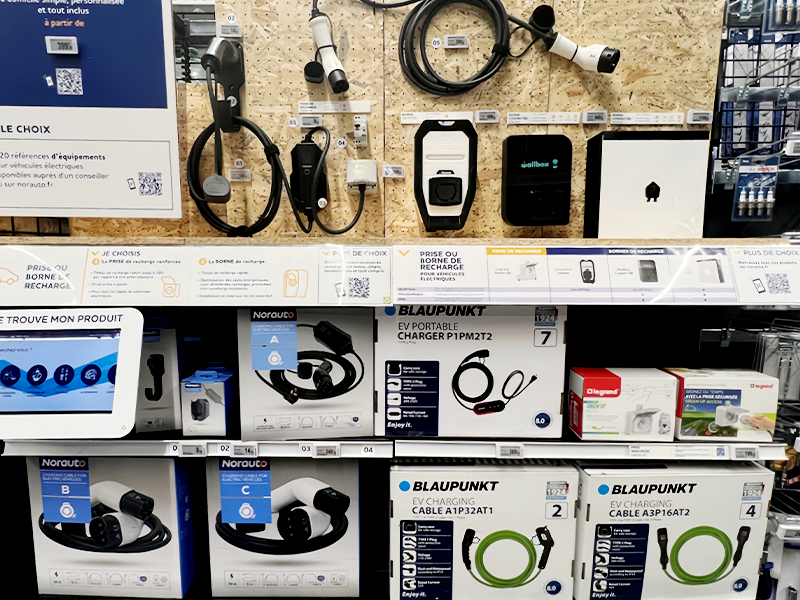
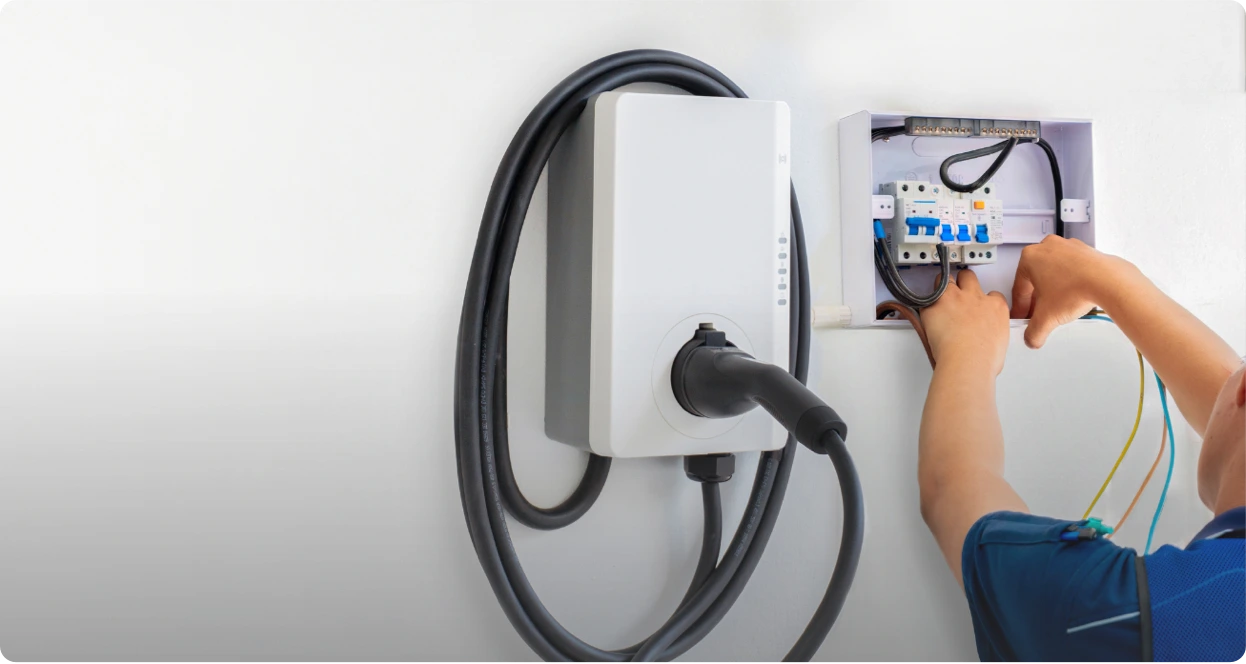
Les véhicules électriques font couler beaucoup d'encre ces temps-ci. Mais le travail concret de construction Infrastructure de recharge des VE-Les éléments qui rendent possible la recharge publique ne sont pas visibles par la plupart des gens. Ce qui ressemble à une simple armoire avec un câble est en réalité le résultat d'un long processus impliquant les services publics, les permis, la construction et une bonne dose d'attente.
Il s'agit d'un regard sur la manière dont les choses se passent réellement, basé sur l'observation de projets qui passent de parkings vides à des stations opérationnelles.
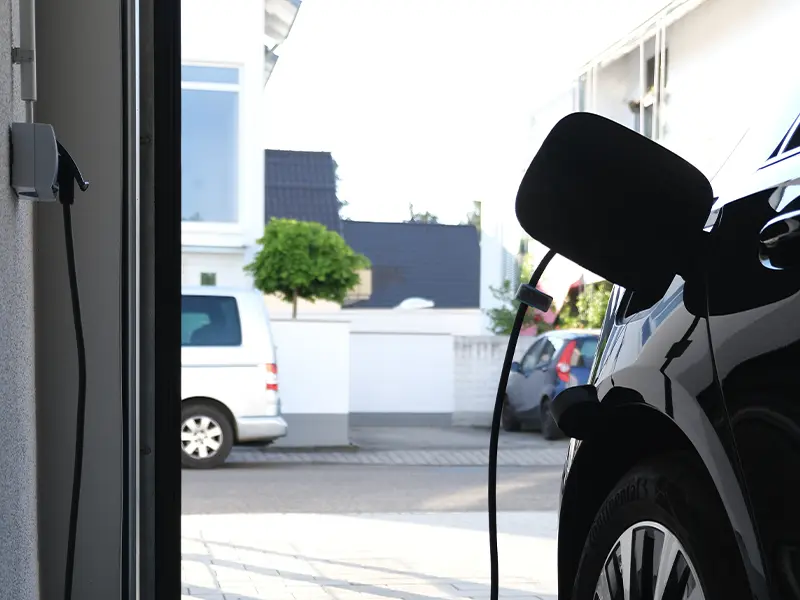
Le point de départ de la construction d'une infrastructure de recharge pour VE
On pourrait croire que la première étape consiste à acheter des chargeurs. Ce n'est pas le cas. La mise en place d'une infrastructure de recharge pour VE commence par un terrain et une conversation avec la compagnie d'électricité.
Sélection du site
L'emplacement compte plus que tout. Une station située au mauvais endroit, même si elle est équipée d'un excellent matériel, restera sous-utilisée. Les choses que l'on regarde :
- Accès à l'autoroute ou aux grandes voies de communication
- Visibilité depuis la route
- Les commodités à proximité (toilettes, nourriture, endroit où attendre)
- Capacité électrique existante sur le site
Le dernier point est décisif. Les sites disposant d'une grande quantité d'électricité sont en or. Les sites qui nécessitent un nouveau transformateur et des kilomètres de tranchées... eh bien, le budget commence à changer très rapidement.
Coordination des services publics
Cette étape est rarement rapide. La compagnie d'électricité doit déterminer si le réseau local peut supporter la charge supplémentaire. Un site de charge rapide peut tirer plusieurs centaines de kilowatts. Si le transformateur local n'est pas dimensionné pour cela, des mises à niveau sont nécessaires.
Les délais sont souvent sous-estimés. Il n'est pas inhabituel de prévoir six à douze mois pour les travaux d'utilité publique. Parfois plus s'il y a des problèmes de chaîne d'approvisionnement avec les transformateurs. C'est la partie de la construction de l'infrastructure de recharge des VE que personne ne peut précipiter.
Permis et approbations pour l'infrastructure de recharge des VE
Avant toute construction, il y a des formalités administratives. Les services locaux de la construction, les inspecteurs en électricité, parfois les commissaires aux incendies. Chaque juridiction a sa propre liste de contrôle.
Exigences communes en matière de permis :
1. Permis d'électricité pour l'amélioration du service et les connexions du chargeur
2. Permis de construire pour les socles en béton et toutes les structures
3. Examen du zonage pour confirmer que l'utilisation est autorisée
4. Approbation par le service d'incendie de l'espace libre et de l'accessibilité
Certains pays ont rationalisé ce processus. D'autres non. Les différences de délais peuvent être de plusieurs mois.

Sélection et achat d'équipements
Une fois que le site est sécurisé et que les permis sont en cours d'obtention, l'attention se porte sur le matériel. Tous les chargeurs ne sont pas identiques et les choix effectués ici influencent la fiabilité pendant des années.
| Type d'équipement | Cas d'utilisation typique | Principaux éléments à prendre en compte |
|---|---|---|
| Chargeurs DC 50-100 kW | Sites urbains, dépôts de flotte | Coût initial moins élevé, temps de charge plus lent |
| Chargeurs DC 150-250 kW | Couloirs autoroutiers, sites à forte fréquentation | Chargement plus rapide, demande électrique plus élevée |
| Chargeurs DC de 350 kW et plus | Des sites phares à l'épreuve du temps | Puissance très élevée, coût élevé, nombre limité de véhicules pouvant être utilisés à pleine vitesse |
| En réseau ou non | Tous les sites en contact avec le public devraient être mis en réseau | Surveillance à distance, traitement des paiements, mises à jour |
La décision se résume souvent à un équilibre entre le coût initial et l'utilisation prévue. Une aire d'autoroute a besoin de chargeurs plus rapides. Un parking commercial peut se contenter d'unités plus lentes.
Construction et installation
C'est la phase visible. Celle où les voisins commencent à remarquer ce qui se passe.
Travail sur le terrain
Il faut creuser des tranchées pour les conduits, couler des socles en béton, installer des bornes pour protéger les unités. Il est parfois nécessaire de couper l'asphalte et de le réparer. Si le site se trouve dans un parking existant, il faut coordonner les travaux avec le propriétaire pour minimiser les perturbations.
Installation électrique
Faire passer les câbles d'alimentation du transformateur de la compagnie d'électricité à l'appareillage de commutation, puis à chaque chargeur. Ce travail nécessite l'intervention d'électriciens agréés et fait généralement l'objet de plusieurs inspections. Les erreurs - mauvais calibre des fils, mauvaise mise à la terre - peuvent retarder la mise sous tension de plusieurs semaines.
Essais et mise en service
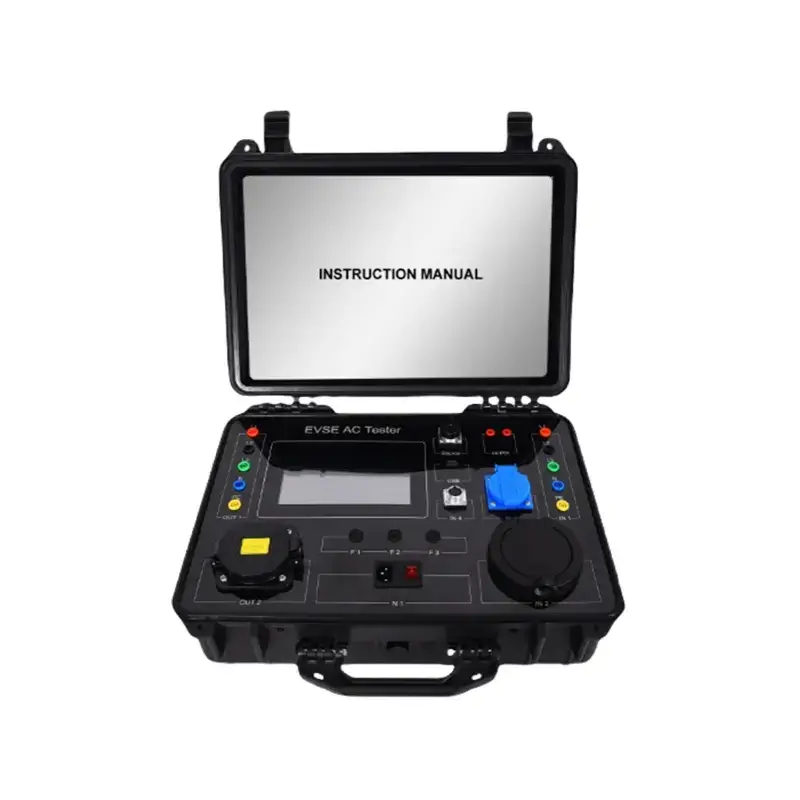
Une fois que tout est installé, il faut le tester. C'est là qu'un Testeur de stations de recharge pour véhicules électriques entre en jeu. Il simule la connexion d'un véhicule et vérifie que les systèmes de communication, de puissance et de sécurité fonctionnent correctement. Un bon Dispositif de test des chargeurs de VE peut détecter des problèmes tels que des poignées de main incorrectes ou des irrégularités de tension avant même que le premier client ne se connecte.
Ne pas procéder à des tests approfondis à ce stade est un pari. Certains sites se précipitent pour ouvrir et se retrouvent avec des unités qui tombent en panne à plusieurs reprises au cours du premier mois. La phase de test est ennuyeuse, mais elle est importante.
Intégration de logiciels et mise en réseau
Le matériel n'est que la moitié de l'histoire. La mise en place d'une infrastructure de recharge pour les véhicules électriques implique également la mise en place d'une couche logicielle adéquate.
Connexion au réseau
Chaque chargeur doit communiquer avec une plateforme centrale. Celle-ci gère l'authentification (comment les conducteurs démarrent une session), la facturation, les diagnostics à distance et les mises à jour des microprogrammes. Parfois, cela se fait par l'intermédiaire de modems cellulaires intégrés dans les unités. Parfois, il s'agit d'un réseau Ethernet câblé.
Systèmes de paiement
Les conducteurs s'attendent à payer avec une carte de crédit, une application, ou parfois les deux. La mise en place du traitement des paiements implique des comptes marchands, la conformité PCI et le test du flux entre le prélèvement et la facturation. Si le système de paiement échoue au lancement, les gens sont frustrés.
Disponibilité opérationnelle et maintenance continue
La mise en marche de la station n'est pas une fin en soi. En fait, c'est le début d'un travail différent.
Formation du personnel
Quelqu'un doit savoir comment réinitialiser un chargeur à distance, comment gérer les appels d'assistance aux conducteurs et qui appeler lorsqu'une unité est hors service. Les sites qui fonctionnent bien ont des procédures claires à cet égard.
Plans de maintenance
Les choses se cassent. Les câbles sont écrasés. Les écrans sont vandalisés. Les ventilateurs de refroidissement tombent en panne. Un plan de maintenance proactif - avec des pièces de rechange à portée de main et un technicien local sur appel - fait la différence entre un site indisponible pendant une journée et un site indisponible pendant deux semaines.
Tâches courantes :
- Surveillance à distance du temps de fonctionnement
- Inspections physiques du site (déchets, éclairage, état des câbles)
- Maintenance préventive programmée
- Mises à jour du micrologiciel
Ce qui fait que les projets réussissent ou échouent
En observant le déroulement des différentes constructions, quelques schémas se dégagent.
Facteurs de réussite :
- Choix du site avec capacité électrique existante
- Calendrier réaliste pour les travaux d'utilité publique
- Entrepreneur expérimenté ayant déjà construit des stations de recharge
- Communication proactive entre toutes les parties
Luttes communes :
- Sous-estimation des délais d'approvisionnement des services publics
- Retards dans l'octroi des permis de la part des réviseurs de plans qui n'ont pas vu beaucoup de projets de VE
- Problèmes liés à la chaîne d'approvisionnement en équipements
- Accélérer la phase de test
FAQ
Combien de temps faut-il pour construire une infrastructure de recharge pour VE ?
Les projets typiques durent de 12 à 18 mois, depuis la sélection du site jusqu'à la mise en service. La coordination des services publics représente la partie la plus longue de ce délai.
Quel est l'élément le plus coûteux de la construction d'une station de recharge ?
Les travaux de génie civil et la modernisation des services publics coûtent souvent plus cher que les chargeurs eux-mêmes. La mise à niveau des transformateurs, le creusement de tranchées et le pavage peuvent facilement dépasser les coûts du matériel.
N'importe quel électricien peut-il installer des chargeurs de VE ?
Dans l'idéal, recherchez des entrepreneurs ayant une expérience spécifique de la recharge des VE. Les chargeurs rapides nécessitent des travaux à haute tension et une coordination avec les services publics que tous les électriciens commerciaux n'ont pas encore eu l'occasion d'effectuer.