
Understanding the 80/20 Rule in EV Charging
Anyone spending time around electric vehicle owners eventually hears about the 80/20 rule. It sounds like some business productivity principle—and funny enough, there’s a similar concept in economics. But for EV drivers, this rule concerns something far more practical: battery longevity and charging efficiency.
The basic idea goes like this: charge your EV battery to around 80% maximum for daily use, and avoid letting it drop below 20% regularly. Simple enough on the surface. But understanding why this guideline exists requires looking at how lithium-ion batteries actually work and degrade over time.
This isn’t just theoretical advice either. Real-world data from high-mileage EVs shows noticeable differences between vehicles charged conservatively versus those constantly pushed to extremes. The 80/20 rule for EV-Laden represents accumulated wisdom from battery engineers and early adopters alike.
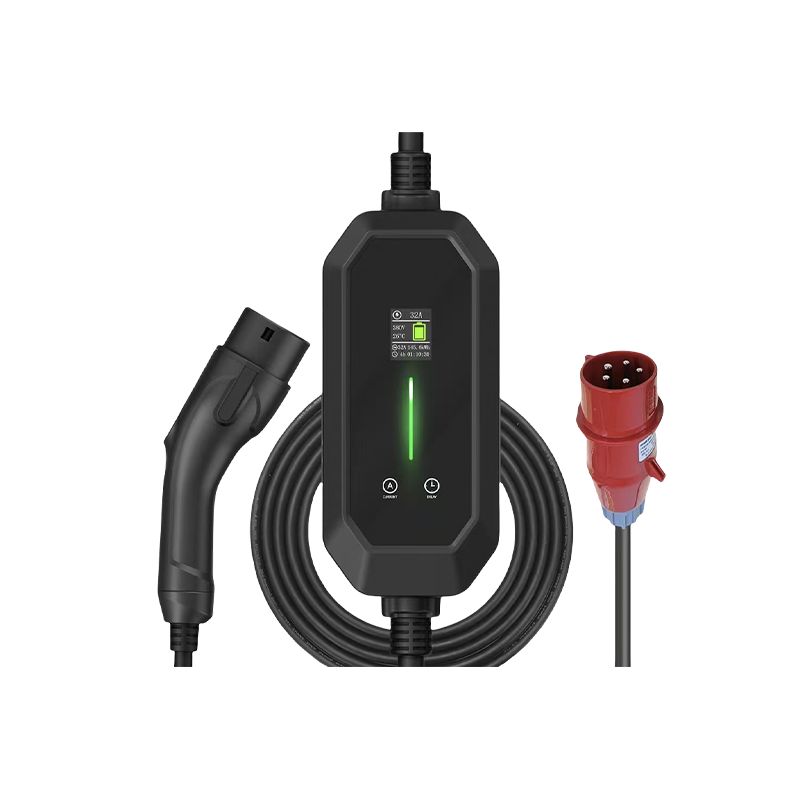
Why the 80/20 Rule Matters for EV Charging Health
Battery Chemistry Basics
Lithium-ion batteries—the type powering virtually all modern EVs—experience stress at their state-of-charge extremes. When batteries sit at very high or very low charge levels, chemical reactions occur that gradually reduce capacity.
At high charge states, lithium plating can develop on the anode. At very low states, copper dissolution becomes problematic. Neither sounds good because neither is good. These degradation mechanisms accelerate when batteries remain at extreme levels for extended periods.
The middle range—roughly 20% to 80%—represents the comfort zone where batteries experience minimal stress. Staying within this window during typical EV charging routines extends usable battery life significantly.
Heat Generation During Charging
Fast charging generates heat. Substantial heat actually. And batteries really don’t appreciate excessive temperatures. Here’s where the 80/20 rule intersects with charging speed in interesting ways.
Charging from 20% to 80% typically happens at maximum speed with manageable heat buildup. But pushing beyond 80% requires the battery management system to slow charging dramatically to prevent overheating. This protective measure explains why that final 20% takes disproportionately long.
| Charge Level | Typical Charging Speed | Heat Generation | Battery Stress |
|---|---|---|---|
| 10-20% | Moderate ramp-up | Low-Medium | Mäßig |
| 20-80% | Maximum available | Mittel | Niedrig |
| 80-90% | Significantly reduced | Medium-High | Elevated |
| 90-100% | Heavily throttled | Hoch | Hoch |
The efficiency sweet spot for EV charging clearly falls within that 20-80% range.
Time Efficiency Considerations
Beyond battery health, the 80/20 rule makes practical sense for time management. That last 20% of charge might take nearly as long as the first 80% at fast charging stations. Waiting around for diminishing returns frustrates most people.
On road trips, stopping more frequently for shorter charges often beats fewer stops with longer waits. The math works out favorably when comparing actual driving time versus charging time across different strategies.
When to Ignore the 80/20 Rule for EV Charging
Long Distance Travel Scenarios
Rules have exceptions. The 80/20 guideline for EV charging isn’t absolute law—it’s practical advice for typical usage. Long trips sometimes demand full charges to reach destinations or next charging stations.
Situations warranting charges above 80% include:
• Extended highway journeys between charging stops
• Areas with limited charging infrastructure
• Winter conditions reducing effective range
• Mountainous terrain with elevation changes
• Towing or heavy load situations
Occasional full charges won’t destroy batteries. The concern involves consistent daily habits, not rare exceptions. Charging to 100% before a road trip and depleting to 10% before reaching the next stop causes negligible additional wear.
Home Charging Flexibility
Home EV charging setups offer scheduling flexibility that public stations cannot match. Setting charge limits through vehicle apps or charger interfaces makes following the 80/20 rule effortless.
Most modern EVs include features for this purpose:
1. Maximum charge limit settings (adjustable by percentage)
2. Scheduled charging windows for off-peak rates
3. Departure time optimization heating battery appropriately
4. Location-based charge limit profiles
5. Remote monitoring and adjustment capabilities
These tools transform the 80/20 guideline from conscious effort into automatic routine.
Practical Application of EV Charging Guidelines
Daily Driving Habits
For most drivers, daily mileage falls well within EV range capabilities. Someone driving 40 miles daily in a vehicle with 250+ miles range barely touches battery capacity. Following the 80/20 rule becomes almost trivially easy in such scenarios.
Practical approaches include:
• Setting home chargers to stop at 80%
• Charging every few days rather than nightly
• Monitoring state of charge without obsessing
• Adjusting limits seasonally as range varies
Overthinking this stuff creates unnecessary stress honestly. The 80/20 rule for EV charging provides guidance, not rigid requirements demanding constant attention.
Workplace and Public Charging
Workplace charging presents interesting considerations. Vehicles sitting at chargers all day after reaching full charge aren’t ideal for battery health. Fortunately, many workplace chargers operate slowly enough that reaching 100% during typical workdays remains unlikely.
Public fast charging stations suit the 80/20 approach naturally. The charging curve slowdown above 80% encourages moving along rather than occupying stations while trickling in those final percentages. Other drivers appreciate the courtesy too.
Manufacturer Recommendations and Variations
Different Brands, Different Advice
Vehicle manufacturers provide varying guidance on EV charging practices. Some explicitly recommend the 80% limit for daily use. Others suggest different thresholds based on their specific battery chemistry and management systems.
Tesla, for instance, distinguishes between daily and trip charging modes. Other manufacturers build conservative buffers into displayed percentages, meaning 100% shown isn’t truly 100% of physical capacity. These engineering decisions affect how strictly owners should follow the 80/20 rule.
Checking specific owner’s manual recommendations makes sense. Generic advice applies generally, but manufacturer-specific guidance accounts for particular battery designs and software management approaches.
If you want to know more about EV charging, please read What is the standard for EV charging testing?
FAQ
Does the 80/20 rule apply to all electric vehicles?
The underlying battery chemistry principles apply broadly across lithium-ion powered vehicles. However, some manufacturers build larger buffers into their battery management systems, essentially automating protection that drivers would otherwise handle manually. Newer vehicles with advanced thermal management may tolerate fuller charges better than older designs. Following manufacturer-specific guidance alongside general principles yields optimal results.
Will charging to 100% damage the battery immediately?
No immediate damage occurs from occasional full charges during EV charging sessions. The concern involves cumulative effects over time. Regularly charging to 100% and leaving vehicles sitting at that level accelerates gradual capacity loss compared to conservative charging habits. Single instances or occasional road trip preparations cause negligible additional wear.
How much battery life does following the 80/20 rule actually save?
Quantifying exact benefits proves difficult since numerous variables affect battery degradation. Studies and real-world data suggest batteries maintained within moderate charge ranges retain 10-15% more capacity over vehicle lifetimes compared to batteries frequently charged to maximum. Climate, charging speed, and driving patterns influence outcomes significantly alongside state-of-charge management.



 German
  English
  Spanish
  Portuguese
  French
  Russian
  Italian