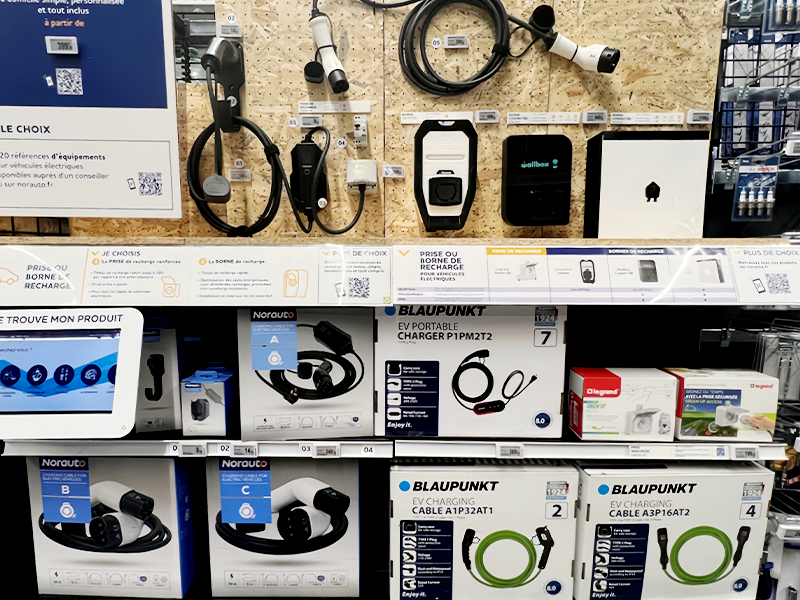
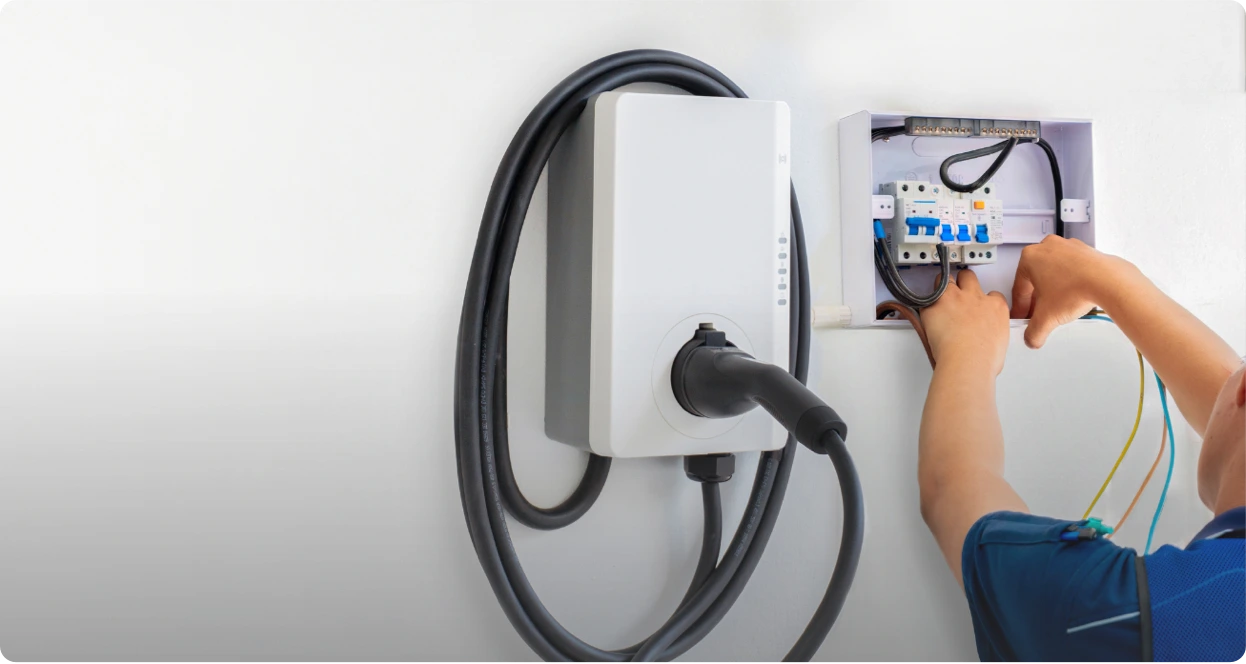
Der Markt für tragbare E-Ladegeräte hat sich in den letzten Jahren stark verändert. Was früher eine Handvoll klobiger Optionen war, hat sich in ein überfülltes Feld verwandelt - viele Marken, unterschiedliche Qualität und Spezifikationen, die nicht immer die ganze Geschichte erzählen. Ich habe beobachtet, wie sich dieser Bereich entwickelt hat, und habe gesehen, was auf tatsächlichen Roadtrips funktioniert (und was nicht), und so haben sich für das Jahr 2026 ein paar klare Favoriten herauskristallisiert.
Nicht jeder braucht ein tragbares Ladegerät. Aber für diejenigen, die es brauchen - Reisende, Landbewohner oder alle, die gerne einen Ersatzplan haben - macht die Wahl des richtigen Ladegeräts den Unterschied zwischen einer kleinen Unannehmlichkeit und echten Kopfschmerzen.
Dies ist ein Blick auf die besten tragbare EV-Ladestationen die in diesem Jahr verfügbar sind, auf der Grundlage praktischer Nutzbarkeit und nicht nur auf der Grundlage von technischen Daten.
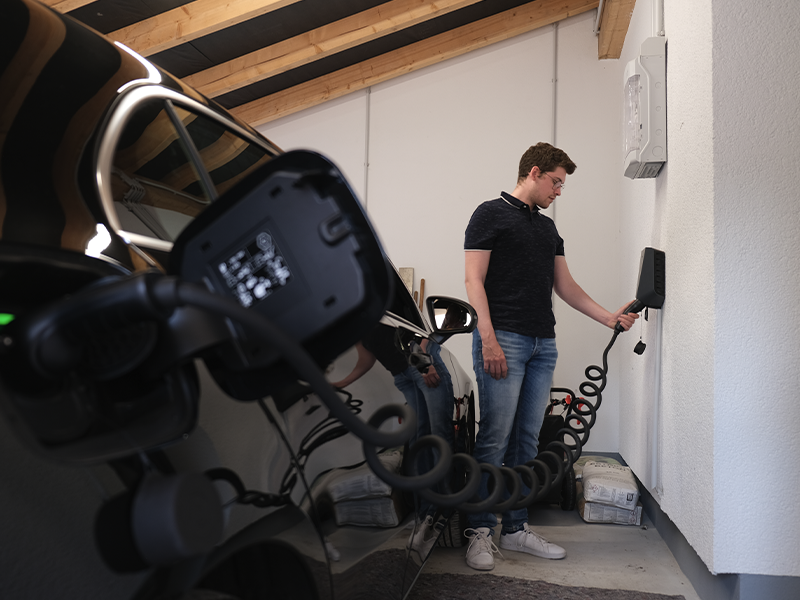
Was eine gute tragbare EV-Ladestation im Jahr 2026 ausmacht
Bevor man sich mit den einzelnen Modellen beschäftigt, ist es hilfreich zu wissen, was die guten von den frustrierenden unterscheidet. Ein paar Dinge sind klar geworden, nachdem ich sie unter verschiedenen Bedingungen eingesetzt habe.
Verlässlichkeit vor Eigenschaften
Ein tragbares Ladegerät mit einer ausgefallenen App und einem Farbbildschirm ist großartig - bis es in einer regnerischen Nacht in einer fremden Stadt nicht mehr funktioniert. Die Geräte, die Vertrauen verdienen, sind diejenigen, die einfach jedes Mal funktionieren. Einfach, robust und vorhersehbar ist oft besser als funktionsreich, aber pingelig.
Flexibilität bei der Leistungsabgabe
Die besten tragbaren Ladestationen für Elektrofahrzeuge im Jahr 2026 bieten eine einstellbare Stromstärke. Die Möglichkeit, die Stromstärke von 32 Ampere auf 16 Ampere oder sogar 12 Ampere zu reduzieren, ist wichtig, wenn man eine unbekannte Steckdose benutzt. Ältere Leitungen, gemeinsam genutzte Stromkreise oder schwache Unterbrecher - das Herunterregeln verhindert lästige Auslösungen und sorgt dafür, dass das Auto weiter lädt, auch wenn es langsamer geht.
Verarbeitungsqualität und Kabelgefühl
Dies ist eines der Dinge, die nicht auf der Produktseite angegeben sind, aber bei der ersten Verwendung offensichtlich werden. Ein steifes Kabel, das sich bei kaltem Wetter nicht aufrollen lässt, ist ärgerlich. Ein fadenscheiniger Stecker, der nicht zuverlässig in den Ladeanschluss des Fahrzeugs einrastet, erweckt keinerlei Vertrauen. Die besten Geräte haben Kabel, die auch unter dem Gefrierpunkt flexibel bleiben, und Stecker, die sicher einrasten.
Die besten tragbaren EV-Ladestationen für 2026
Hier ein Blick auf einige der besseren Optionen, die dieses Jahr verfügbar sind. Beachten Sie, dass Verfügbarkeit und Preise je nach Region variieren.
| Modell | Maximale Leistung | Einstellbare Ampere? | Anschluss | Am besten für |
|---|---|---|---|---|
| Tesla Mobile Connector | 7,6 kW (32A) | Ja (durch Fahrzeug) | NACS | Tesla-Besitzer, NACS-ausgerüstete Fahrzeuge |
| Grizzl-E Mini | 9,6 kW (40A) | Ja (4 Einstellungen) | NACS oder CCS1 | Langlebigkeit, Außeneinsatz |
| Lectron V-Box | 9,6 kW (40A) | Ja (6 Einstellungen) | NACS oder J1772 | Wertvolle, austauschbare Stopfen |
| Schumacher EV Wallbox Portable | 7,2 kW (30A) | Nein | J1772 | Budgetbewusste Käufer |
| Webasto Go | 7,2 kW (30A) | Ja (3 Einstellungen) | J1772 | Verarbeitungsqualität, UL-Zertifizierung |
Tesla Mobile Connector
Immer noch ein Maßstab für Einfachheit. Er ist kompakt, zuverlässig und wird mit austauschbaren Steckeradaptern (Standard-Haushaltsstecker, NEMA 14-50 und andere) geliefert. Die Stromstärke passt sich automatisch an den Steckertyp an - manuelle Einstellungen sind nicht erforderlich. Der Haken an der Sache: Das Gerät ist in erster Linie für Tesla-Fahrzeuge konzipiert, funktioniert aber auch mit Fahrzeugen, die mit NACS ausgestattet sind (und mit Adaptern für J1772).
Grizzl-E Mini
Dieses Gerät zeichnet sich durch seine Langlebigkeit aus. Es ist in einem robusten, wetterfesten Gehäuse untergebracht, das den Eindruck erweckt, als könnte es einen Überschlag überstehen (es wird nicht empfohlen, das zu testen). Die 40-Ampere-Leistung gehört zu den höchsten bei tragbaren Geräten. Die einstellbaren Dip-Schalter für die Stromstärke befinden sich im Inneren des Geräts - nicht so bequem wie eine App-basierte Steuerung, aber auch nicht abhängig von einer Telefonverbindung.
Lectron V-Box
Das Interessante daran ist das austauschbare Steckersystem. Ein Gerät, mehrere Steckerköpfe (NEMA 5-15 für Standardsteckdosen, NEMA 14-50 für Wohnmobilparks und sogar ein Tesla-Ziel-Ladestecker). Die Verarbeitungsqualität ist nicht ganz auf dem Niveau von Grizzl-E, aber für den Preis ist sie solide.
Wichtige Merkmale im Vergleich
Beim Kauf von tragbaren Ladestationen für Elektrofahrzeuge sind nur wenige Spezifikationen wirklich wichtig. Der Rest ist Marketing-Getöse.
Stromstärke und Ladegeschwindigkeit
Ein tragbares 16-Ampere-Ladegerät (etwa 3,8 kW) erhöht die Reichweite um etwa 10 bis 15 Meilen pro Stunde. Ein 32-Ampere-Gerät (7,6 kW) verdoppelt diesen Wert. Ein 40-Ampere-Gerät (9,6 kW) bringt etwa 25-35 Meilen pro Stunde.
Für das Aufladen über Nacht am Zielort sind 16 Ampere oft ausreichend. Für das Aufladen während eines längeren Aufenthalts (Abendessen, Einkaufen) machen 32 oder 40 Ampere einen bedeutenden Unterschied. Der Nachteil ist, dass Geräte mit höherer Amperezahl Steckdosen mit höherer Leistung benötigen - ein 40-Ampere-Ladegerät erfordert einen 50-Ampere-Stromkreis (NEMA 14-50), der nicht überall verfügbar ist.
Steckertyp und Adapter
Die meisten EV-Ladegeräte werden heute je nach Zielmarkt entweder mit NACS- (Tesla-Style) oder J1772-Steckern verkauft. Auswechselbare Steckerköpfe für verschiedene Steckdosentypen (Haushaltssteckdosen 5-15, 14-50, 6-20 usw.) sind ein großer Vorteil. Es ist weniger praktisch, eine Tasche voller separater Adapter mit sich herumzutragen, als ein einziges Gerät zu haben, das verschiedene Stecker direkt aufnehmen kann.
Länge des Kabels
Zwanzig Fuß ist das Minimum, das sich sinnvoll anfühlt. Fünfundzwanzig ist besser. Bei kürzeren Kabeln muss man unangemessen nah an der Steckdose parken, was nicht immer möglich ist. Die besten tragbaren Ladestationen für Elektrofahrzeuge haben Kabel mit einer Länge von 20 bis 25 Metern. Alles, was kürzer als 18 Fuß ist, ist ein Kompromiss.
Prüfung und Zertifizierung
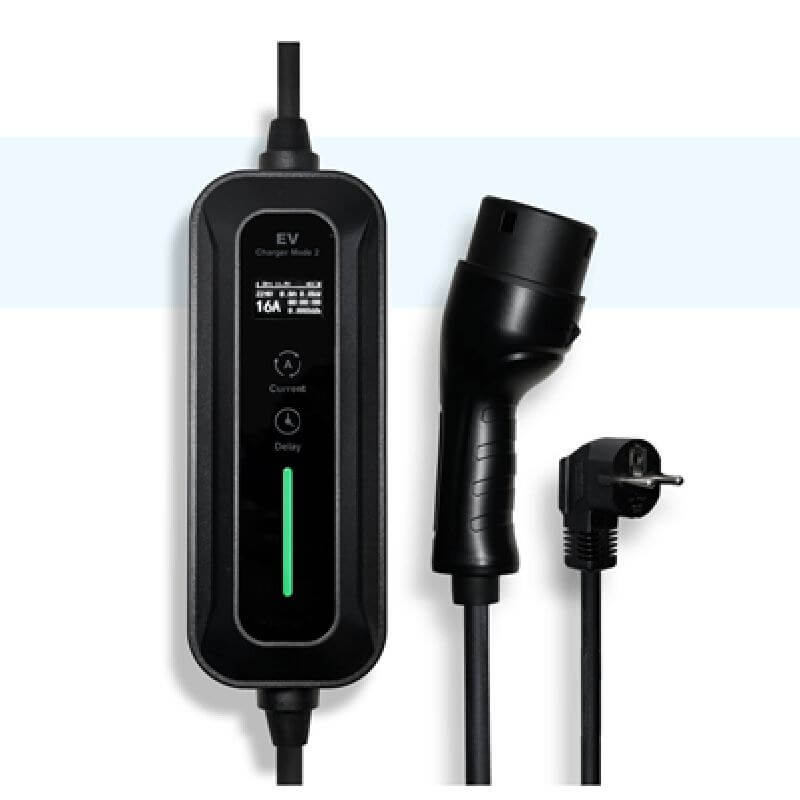
Diesem Teil wird nicht genug Aufmerksamkeit geschenkt. Ein tragbares Ladegerät, das nicht ordnungsgemäß getestet wurde, stellt ein potenzielles Sicherheitsrisiko dar. Die UL-Zertifizierung (oder eine gleichwertige Zertifizierung) ist wichtig - sie bedeutet, dass ein unabhängiges Labor die elektrische Sicherheit des Geräts überprüft hat.
Was das Testen offenbart
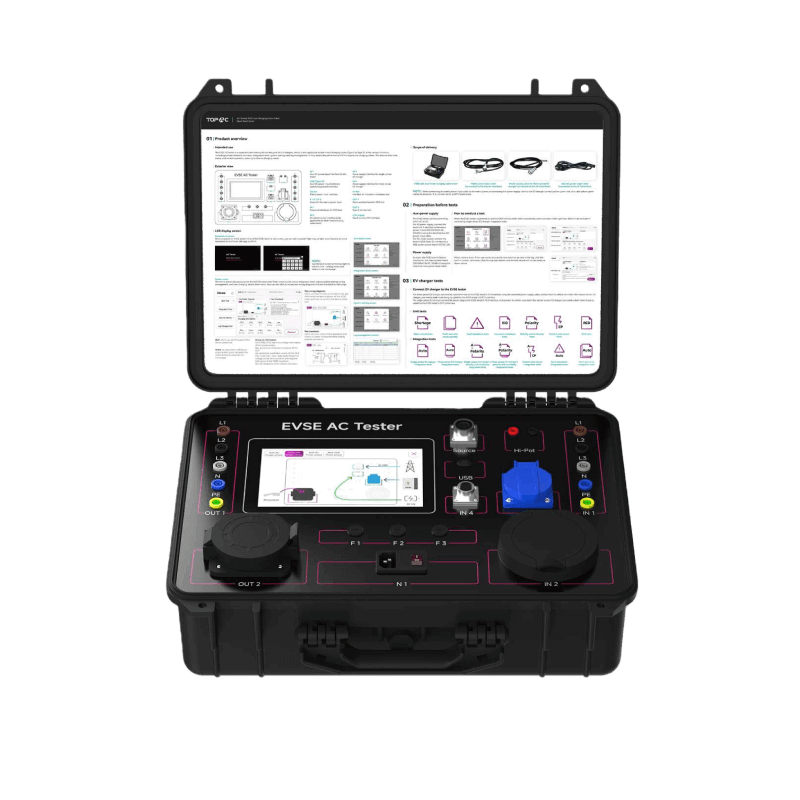
Auch zertifizierte Geräte können Probleme haben. Eine richtige EV-Ladegerät Testgerät prüft für:
- Korrekte Spannungsausgabe unter Last
- Erdschlussschutzfunktionalität
- Temperaturanstieg bei längerem Betrieb
- Einhaltung des Kommunikationsprotokolls
Einige der billigeren tragbaren Ladegeräte auf Online-Marktplätzen lassen diese Prüfung ganz aus. Sie funktionieren vielleicht eine Zeit lang gut, aber die Ausfallrate ist höher. Und wenn sie ausfallen, dann manchmal so, dass sie Unterbrecher oder Schlimmeres auslösen.
Aus der Beobachtung dieses Bereichs geht hervor, dass die Marken, die in Tests durch Dritte investieren, fast immer diejenigen sind, die überleben. Die unkonventionellen Marken kommen und gehen.
Anwendungsfälle aus der realen Welt
Verschiedene Fahrer verwenden tragbare Ladegeräte unterschiedlich. Welches das "beste" ist, hängt vom jeweiligen Szenario ab.
Der Ausflügler
Benötigt ein kompaktes Gerät mit austauschbaren Steckern (14-50 für Campingplätze, 5-15 für Notsteckdosen im Haushalt). Die einstellbare Stromstärke ist nützlich, wenn das Gerät an unbekannte Stromkreise angeschlossen wird. Zuverlässigkeit ist das A und O - es ist der Ersatz, wenn die öffentlichen Schnellladegeräte kaputt oder besetzt sind.
Der Bewohner des ländlichen Raums
Jemand, der an einem Ort wohnt, an dem es nur wenige öffentliche Ladestationen gibt, könnte täglich ein tragbares Ladegerät verwenden. Langlebigkeit ist wichtig - das Gerät wird ständig ein- und ausgesteckt. Ein robustes Gehäuse und eine Zugentlastung am Kabel sind wichtiger als eine ausgefallene App.
Die Notfallsicherung
Für Fahrer, die hauptsächlich zu Hause laden, aber für den Fall der Fälle etwas im Kofferraum haben wollen, könnte ein kleineres, langsameres und billigeres Gerät ausreichen. Es muss nicht schnell sein - nur zuverlässig genug, um ein paar Kilometer bis zur nächsten öffentlichen Ladestation zurückzulegen.
Was zu vermeiden ist
Ein paar Warnhinweise, auf die man achten sollte:
Keine Zertifizierungszeichen: Wenn keine UL-, ETL- oder CE-Kennzeichnung vorhanden ist, ist das Produkt nicht zugelassen.
- Fester 40-Ampere-Ausgang ohne Einstellung: Wenn Sie dieses Gerät an einen unterdimensionierten Stromkreis anschließen, werden Unterbrecher oder Schlimmeres ausgelöst.
- Sehr kurze Kabel (unter 15 Fuß): Die Frustration ist die Ersparnis nicht wert.
- No-Name-Marken mit null Online-Präsenz: Wenn das Unternehmen in sechs Monaten verschwindet, ist die Garantie wertlos.
- Kunststoffgehäuse, das sich billig anfühlt: Diese brechen an den Zugentlastungspunkten nach ein paar Dutzend Anwendungen.
Wartung und Langlebigkeit
Ein tragbares Ladegerät, das in einem Kofferraum untergebracht ist, wird herumgeschleudert, extremen Temperaturen ausgesetzt und gelegentlich über Beton geschleift. Ein paar Gewohnheiten verlängern seine Lebensdauer:
1. Wickeln Sie das Kabel nur locker auf: Enge Wicklungen belasten die Innenleiter.
2. Halten Sie die Stecker sauber: Ein wenig Staub in den Steckerstiften kann zu einem schlechten Kontakt führen.
3. Prüfen Sie auf Schäden: Schnitte im Kabelmantel oder verbogene Steckerstifte müssen vor der Verwendung behoben werden.
4. In einer Tasche oder einem Koffer aufbewahren: Verhindert Abrieb durch andere Gegenstände im Kofferraum.
Selbst die besten tragbaren Ladestationen für Elektrofahrzeuge halten nicht ewig. Fünf bis acht Jahre bei regelmäßiger Nutzung sind eine vernünftige Erwartung. Danach werden die Kabel steif, die Stecker verschleißen und die interne Elektronik lässt nach. Tauschen Sie die Ladestation aus, bevor sie ausfällt und der Fahrer auf dem Trockenen sitzt.
FAQ
Kann ich eine tragbare E-Ladestation als primäres Ladegerät zu Hause verwenden?
Ja, das tun viele Leute. Lassen Sie es einfach eingesteckt und in der Nähe des Parkplatzes montiert. Tragbare Geräte sind oft preiswerter als festverdrahtete Ladegeräte, obwohl sie etwas langsamer laden können.
Funktionieren tragbare EV-Ladegeräte auch bei Regen oder Schnee?
Die meisten sind für die Verwendung im Freien ausgelegt (NEMA 4 oder IP65/66). Der Stecker und der Fahrzeugeinlass sind witterungsbeständig ausgelegt. Vermeiden Sie jedoch, das Gerät unter Wasser zu setzen oder den Stecker mit dem Gesicht nach unten in einer Pfütze liegen zu lassen.
Woher weiß ich, welche Stromstärke ich bei einem tragbaren Ladegerät einstellen muss?
Beginnen Sie mit einer niedrigen Stromstärke (16 Ampere), wenn Sie sich über den Stromkreis nicht sicher sind. Wenn das Ladegerät kühl bleibt und der Unterbrecher nicht auslöst, erhöhen Sie die Stromstärke schrittweise. Für eine standardmäßige 50-Ampere-Wohnmobilsteckdose (NEMA 14-50) sind 32 oder 40 Ampere in Ordnung. Bei einer Haushaltssteckdose sollten Sie nie dauerhaft mehr als 12 Ampere verwenden.