Das Laden von Elektrofahrzeugen erfolgt in verschiedenen Stufen, und Ladestationen der Stufe 3 stehen an der Spitze. Diese Ladestationen liefern Strom mit einer Geschwindigkeit, die andere Optionen im Vergleich dazu fast schon gemächlich erscheinen lässt. Für Fahrer, die lange Strecken zurücklegen oder schnell aufladen müssen, sind Ladestationen der Stufe 3 die schnellste öffentlich zugängliche Option. Doch es geht um mehr als nur um die reine Geschwindigkeit.
Die Begrifflichkeit kann anfangs etwas verwirrend wirken. Manche nennen sie Gleichstrom-Schnellladegeräte, andere sprechen von Schnellladegeräten. Der Begriff “Level-3-Ladestationen” hat sich als gängige Kurzbezeichnung etabliert, obwohl die Branche technisch gesehen den Begriff „Gleichstrom-Schnellladung“ (DCFC) bevorzugt. Unabhängig von der Bezeichnung ist das Ergebnis dasselbe: deutlich kürzere Ladezeiten im Vergleich zu Level-1- oder Level-2-Alternativen.

Wie funktionieren Ladestationen der Stufe 3?
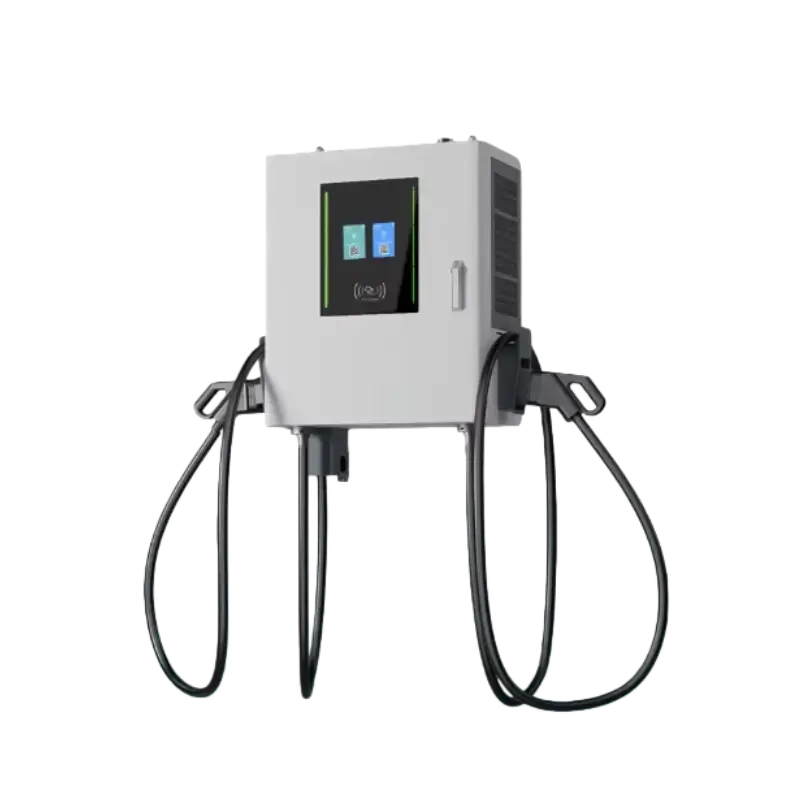
Im Gegensatz zu Heimladegeräten, die mit Wechselstrom betrieben werden, wandeln Level-3-Ladestationen den Strom in Gleichstrom um, bevor er das Fahrzeug erreicht. Dadurch wird das Bordladegerät des Fahrzeugs umgangen, sodass der Strom mit deutlich höherer Leistung direkt in die Batterie fließen kann. Die Anlage selbst ist sehr umfangreich – große Schränke, schwere Kabel und eine aufwendige elektrische Infrastruktur.
Vom Fahrersitz aus betrachtet wirkt der Vorgang ganz einfach: einstecken, kurz warten, wieder ausstecken. Hinter den Kulissen regelt eine hochentwickelte Elektronik Wärme, Spannung und Stromstärke, um sowohl das Ladegerät als auch die Fahrzeugbatterie zu schützen. Sicherheitssysteme überwachen die Betriebsbedingungen ständig und passen die Leistung bei Bedarf an.
Geschwindigkeitsvergleich: Stufe 1, Stufe 2 und Stufe 3
Die Ladegeschwindigkeiten variieren je nach Stufe erheblich. Die folgende Tabelle bietet einen groben Vergleich auf der Grundlage typischer Geräte und Bedingungen.
| Ladezustand | Spannung | Typische Ausgangsleistung | Zeit, 100 Meilen hinzuzufügen |
|---|---|---|---|
| Stufe 1 | 120 V Wechselstrom | 1–2 kW | 20–40 Stunden |
| Stufe 2 | 240V AC | 7–19 kW | 3–8 Stunden |
| Stufe 3 | 200–900 V Gleichstrom | 50–350 kW | 15–45 Minuten |
Der Unterschied ist frappierend. Was auf Stufe 1 einen ganzen Tag dauert, lässt sich mit Ladestationen der Stufe 3 in weniger als einer Stunde erledigen. Diese Geschwindigkeit macht Fernreisen in einer Weise praktikabel, mit der langsamere Optionen einfach nicht mithalten können.
Wo gibt es Ladestationen der Stufe 3?
Diese Ladestationen befinden sich meist entlang von Autobahnen, in der Nähe wichtiger Verkehrskorridore und in städtischen Zentren. Zu den üblichen Standorten gehören:
Raststätten und Rastplätze an Autobahnen
Einkaufszentren und Parkplätze von Einzelhandelsgeschäften
Parkplätze an Flughäfen und Hotels
Flottendepots und Handelszentren
Die Standortwahl spiegelt den Verwendungszweck wider – kurze Zwischenstopps auf längeren Fahrten statt Übernachtladungen. Beobachter stellen fest, dass die Netzwerke rasch wachsen, auch wenn die Abdeckung in einigen Regionen nach wie vor uneinheitlich ist.
Steckertypen
Nicht alle Ladestationen der Stufe 3 verwenden denselben Stecker. Zu den wichtigsten Steckerstandards gehören:
1. CCS (Combined Charging System): In Nordamerika und Europa weit verbreitet; wird von den meisten Elektrofahrzeugen außer denen von Tesla verwendet.
2. CHAdeMO: Ursprünglich in Japan entwickelt, findet man diesen Anschluss bei einigen älteren Elektrofahrzeugen und bestimmten asiatischen Modellen.
3. Tesla Supercharger: Ein proprietäres System von Tesla, wobei das Angebot an Adaptern und der Netzwerkzugang zunehmend ausgebaut werden.
Wenn Sie vor einer Fahrt die Kompatibilität der Stecker überprüfen, vermeiden Sie unangenehme Überraschungen. Die meisten neueren Fahrzeuge unterstützen CCS, bei älteren Modellen sind jedoch möglicherweise Adapter oder bestimmte Netzwerke erforderlich.
Vorteile und Einschränkungen
Ladestationen der Stufe 3 bieten klare Vorteile:
• Deutlich kürzere Ladezeiten
• Ermöglicht Langstreckenfahrten mit Elektrofahrzeugen
• Praktisch für Autofahrer, die zu Hause keine Lademöglichkeit haben
Es gibt jedoch einige Einschränkungen:
• Höhere Kosten pro kWh im Vergleich zum Laden zu Hause
• Aufgrund möglicher Batterieabnutzung nicht für den täglichen Gebrauch geeignet
• In ländlichen Gebieten ist die Verfügbarkeit nach wie vor eingeschränkt
Die Technologie eignet sich am besten als Ergänzung zum langsameren Laden zu Hause oder am Arbeitsplatz, nicht jedoch als vollständiger Ersatz. Häufiges Gleichstrom-Schnellladung Bahnhof kann Batterien auf Dauer belasten, daher ist Maßhalten wichtig.
FAQ
Die Preise an Ladestationen der Stufe 3 variieren je nach Netzbetreiber, Standort und Nutzungszeitpunkt. Manche berechnen die Kosten pro kWh, andere pro Minute, und einige bieten Abonnements an. Die Tarife liegen in der Regel über denen für Haushaltsstrom, doch der Komfort rechtfertigt oft den Aufpreis – insbesondere auf Reisen.
Mitgliedschaftsprogramme großer Netzwerke können die Kosten pro Sitzung senken. Für Vielnutzer ist es sinnvoll, verschiedene Optionen zu vergleichen, bevor sie sich für ein bestimmtes Netzwerk entscheiden.
Können alle Elektrofahrzeuge Ladestationen der Stufe 3 nutzen?
Die meisten modernen Elektrofahrzeuge unterstützen das Gleichstrom-Schnellladen, ältere oder kleinere Modelle jedoch möglicherweise nicht.
Ist die häufige Nutzung der Ladestufe 3 schädlich für die Akkus?
Gelegentliches Laden ist kein Problem, aber regelmäßiges Gleichstrom-Schnellladen kann die Alterung des Akkus beschleunigen.
Wie viel kostet das Laden der Stufe 3?
Die Preise variieren stark und liegen in der Regel zwischen 0,25 und 0,60 pro kWh, je nach Netz und Standort.