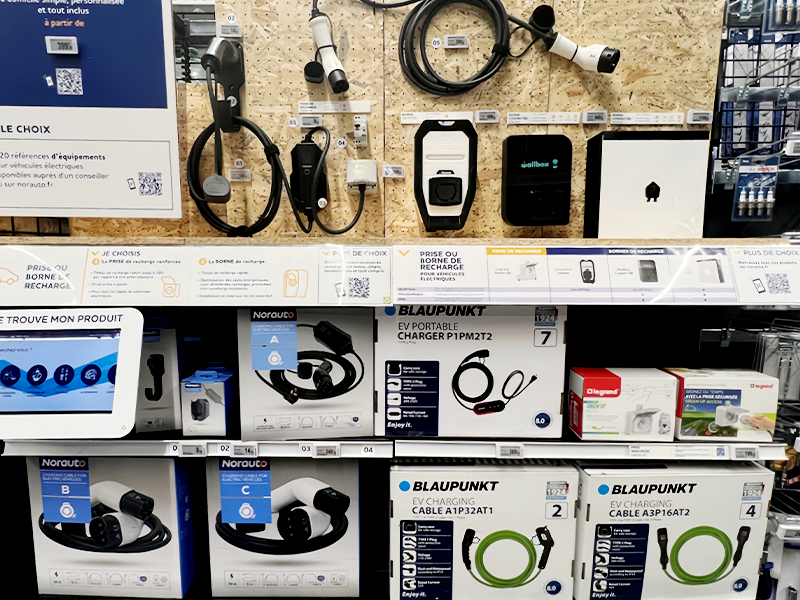
Elektrofahrzeuge setzen sich zunehmend durch, und damit gehen viele Fragen zum Thema Laden einher. Ein Begriff, der dabei immer wieder auftaucht, ist Ladestation der Stufe 2. Das klingt zwar technisch, ist aber eigentlich ganz einfach, wenn man es einmal genauer betrachtet.
Für die meisten Besitzer von Elektroautos – insbesondere für diejenigen, die zu Hause oder am Arbeitsplatz aufladen – stellt eine Ladestation der Stufe 2 den idealen Mittelweg zwischen Komfort und Geschwindigkeit dar. Nicht so langsam wie eine normale Steckdose, nicht so teuer oder aufwendig wie das Gleichstrom-Schnellladen. Sie eignet sich einfach perfekt für den Alltag.
Ladezustände verstehen
Bevor wir uns näher mit Stufe 2 befassen, ist es hilfreich, sich einen Überblick über das Gesamtbild zu verschaffen. Das Laden von Elektrofahrzeugen wird in drei Stufen unterteilt.
Level 1 Aufladung
Dies ist die einfachste Variante. Sie nutzt eine normale 120-Volt-Haushaltssteckdose – dieselbe, die auch für Lampen oder Ladegeräte für Mobiltelefone verwendet wird. Der Ladevorgang ist extrem langsam und sorgt für eine Reichweitenverlängerung von etwa 3 bis 5 Meilen pro Stunde. Das reicht für Plug-in-Hybride oder gelegentliches Nachladen aus, ist jedoch für batterieelektrische Fahrzeuge mit größeren Batterien unpraktisch.
Level 2 Aufladung
Eine Ladestation der Stufe 2 wird mit 240 Volt betrieben, ähnlich wie ein Wäschetrockner oder ein Elektroherd. Sie ist deutlich schneller als eine Ladestation der Stufe 1 und sorgt je nach Fahrzeug und Stromstärke des Ladegeräts in der Regel für eine Reichweitenzunahme von 15 bis 40 Meilen pro Stunde.
Das ist es, was die meisten Menschen zu Hause installieren. Auch an Arbeitsplätzen, in Einkaufszentren und auf öffentlichen Parkplätzen ist es weit verbreitet.
Stufe 3 (Gleichstrom-Schnellladung)
DC-Schnellladegeräte Umgehen das Bordladegerät des Fahrzeugs und liefern Gleichstrom direkt an die Batterie. Superschnell – manchmal 80% in 20 bis 30 Minuten –, aber teuer in der Installation und bei ständiger Nutzung belastend für die Lebensdauer der Batterie. Meistens entlang von Autobahnen und an kommerziellen Ladestationen zu finden.
Wie funktioniert eine Ladestation der Stufe 2?
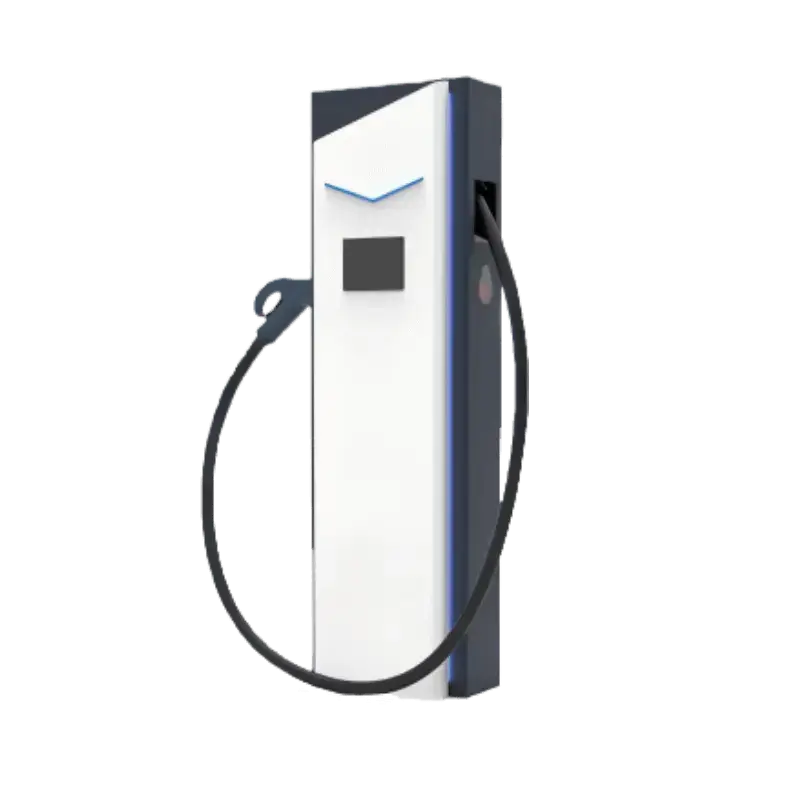
Die Funktionsweise ist nicht allzu kompliziert. Eine Ladestation der Stufe 2 bezieht Strom aus einem 240-Volt-Stromkreis, wandelt ihn über das Bordladegerät des Fahrzeugs um und speichert ihn in der Batterie. Die Ladegeschwindigkeit hängt von einigen Faktoren ab:
• Stromstärke des Ladegeräts: Übliche Nennwerte sind 16 A, 32 A, 40 A und 48 A. Eine höhere Stromstärke bedeutet schnelleres Laden.
• Leistung des Bordladegeräts des Fahrzeugs: Einige Elektrofahrzeuge können nur 7,2 kW aufnehmen, während andere 11 kW oder mehr vertragen.
• Kabel- und Steckertyp: Meistens wird der J1772-Stecker (Nordamerika) oder Typ 2 (Europa) verwendet.
Das Ladegerät selbst ist im Wesentlichen ein intelligenter Schalter mit Sicherheitsfunktionen – Fehlerstromschutz, Temperaturüberwachung und Kommunikation mit dem Fahrzeug.
Vergleich der Ladegeschwindigkeiten bei Level-2-Ladestationen
Hier finden Sie einen groben Überblick darüber, was Sie von verschiedenen Level-2-Ladestationen erwarten können:
| Ausgangsleistung des Ladegeräts | Stromstärke | Pro Stunde hinzugefügte Reichweite | Ladezeit bis zur vollständigen Aufladung (60-kWh-Batterie) |
|---|---|---|---|
| 3,8 kW | 16A | 12–15 Meilen | 15–16 Stunden |
| 7,7 kW | 32A | 25–30 Meilen | 8–9 Stunden |
| 9,6 kW | 40 A | 30–35 Meilen | 6–7 Stunden |
| 11,5 kW | 48A | 35–40 Meilen | 5–6 Stunden |
Diese Werte variieren je nach Fahrzeugeffizienz, Batteriezustand und Temperatur. Bei kaltem Wetter verlangsamt sich der Prozess merklich.
Wo gibt es Ladestationen der Stufe 2?
Mittlerweile sind sie so gut wie überall zu finden. Zu den gängigen Orten gehören:
1. Garagen an Privathäusern (die beliebteste Ladelösung für zu Hause)
2. Parkplätze am Arbeitsplatz
3. Einkaufszentren und Lebensmittelgeschäfte
4. Hotels und Restaurants
5. Öffentliche Parkhäuser
6. Wohnanlagen
Eine Ladestation der Stufe 2 zu Hause bedeutet, dass man an den meisten Morgen mit einer voll aufgeladenen Batterie aufwacht. Bei der Arbeit bietet sie die Möglichkeit, das Fahrzeug tagsüber ohne zusätzlichen Aufwand aufzuladen.
Installation einer Level-2-Ladestation zu Hause
Was wird benötigt?
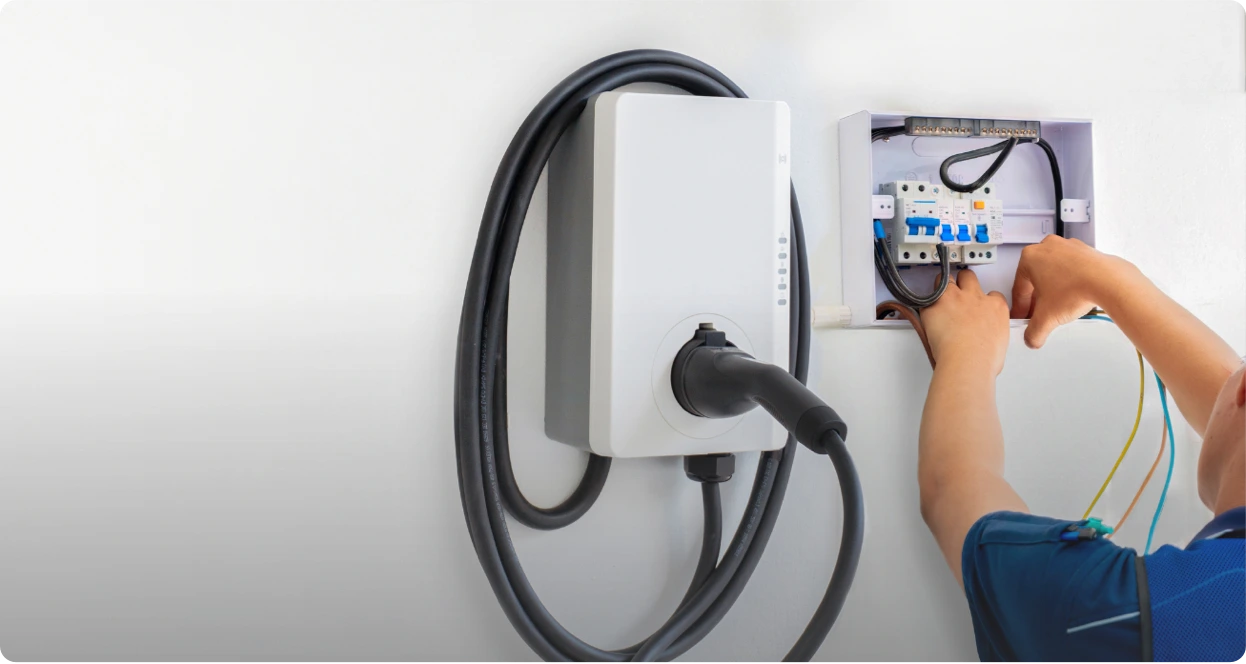
Die Installation ist nicht unbedingt etwas, das man selbst erledigen kann. In der Regel umfasst sie:
• Ein eigener 240-Volt-Stromkreis (in der Regel 40 A oder 50 A)
• Ausreichende Kapazität des Stromverteilerschranks
• Professioneller Elektriker für eine sichere Installation
• Genehmigungen in einigen Gemeinden
Kostenaspekte
Das Ladegerät selbst kostet bei einem hochwertigen Gerät zwischen $300 und $700. Die Installationskosten variieren stark – manchmal $200, wenn sich der Verteilerkasten in der Nähe befindet, manchmal $1.500 oder mehr bei komplexen Installationen. Ältere Häuser mit veralteten Elektroinstallationen sind in der Regel teurer.
Einige Versorgungsunternehmen und staatliche Programme bieten Rabatte an, die die Kosten erheblich senken können.
Warum sollte man Level 2 anderen Optionen vorziehen?
Für den täglichen Fahrbetrieb ist eine Ladestation der Stufe 2 einfach die sinnvollste Wahl. Sie ist schnell genug, um die meisten Elektrofahrzeuge über Nacht vollständig aufzuladen, im Vergleich zum Gleichstrom-Schnellladen kostengünstig in der Installation und schont die Lebensdauer der Batterie. Stufe 1 ist für alles, was über minimale Fahrleistungen hinausgeht, zu langsam. Stufe 3 ist für den Heimgebrauch überdimensioniert und belastet die Batterie bei wiederholtem Einsatz.
Stufe 2 liegt genau in der Mitte. Praktisch, effizient, weit verbreitet.
FAQ
Wie lange dauert es, bis eine Ladestation der Stufe 2 ein Elektrofahrzeug vollständig auflädt?
In der Regel 4 bis 10 Stunden, je nach Akkukapazität und Ladeleistung des Ladegeräts.
Kann jedes Elektroauto an einer Ladestation der Stufe 2 aufgeladen werden?
Ja, praktisch alle Elektrofahrzeuge unterstützen das Laden der Stufe 2 über Standardstecker wie J1772.
Lohnt es sich, zu Hause eine Ladestation der Stufe 2 zu installieren?
Für die meisten Besitzer von Elektroautos auf jeden Fall. Es bietet die beste Balance zwischen Geschwindigkeit, Kosten und Komfort für den täglichen Ladebedarf.