Das Elektroauto steht also in der Einfahrt, und dieses dürftige Level-1-Ladegerät, das im Kofferraum mitgeliefert wurde, reicht einfach nicht mehr aus. Drei Meilen Reichweite pro Stunde? Das ist ehrlich gesagt eine Qual für jeden, der tatsächlich täglich mit dem Auto unterwegs ist.
Irgendwann ist die Umstellung auf eine ordentliche Ladestation für zu Hause nicht mehr nur ein “nettes Extra”, sondern eine Notwendigkeit. Aber herauszufinden, wie man EV-Ladestation installieren Die technische Ausrüstung – also die eigentlichen Schrauben und Muttern – kann einen schon mal überfordern. Genehmigungen, Schalttafel-Upgrades, Drahtquerschnitte … das ist eine ganze Menge.
Hier erhalten Sie einen realistischen Einblick in den tatsächlichen Ablauf des Prozesses.
Zuallererst: Überprüfen Sie den Sicherungskasten
Dieser Schritt wird viel zu oft übersprungen. Man bestellt online ein schickes Ladegerät, es kommt in einem großen Karton an, und plötzlich gibt es ein Problem: Die Hausschalttafel ist für die Belastung nicht ausgelegt.
Die meisten Ladegeräte der Stufe 2 (die im Wesentlichen für den privaten Gebrauch bestimmt sind) Wechselstrom-Ladestation Geräte) ziehen dauerhaft zwischen 32 und 48 Ampere. Das ist eine erhebliche Stromaufnahme. Häuser mit älteren 100-Ampere-Sicherungskästen (die in Häusern, die vor Mitte der 90er Jahre gebaut wurden, sehr häufig vorkommen) verfügen oft nicht über genügend freie Kapazität.
Anzeichen dafür, dass das Panel möglicherweise aktualisiert werden muss
• Der Sicherungskasten sieht völlig voll aus, es gibt keine freien Steckplätze
• Häufiges Auslösen der Sicherung beim Betrieb mehrerer Geräte
• Das Haus verfügt nach wie vor über einen Sicherungskasten anstelle von Leistungsschaltern
• Der vorhandene Stromanschluss ist nur für 100 Ampere ausgelegt
Vor dem Kauf von Geräten einen Elektriker hinzuziehen, um den Zustand des Verteilerkastens zu begutachten? Das ist einfach kluge Planung.
Typische Kosten für die Installation von Ladestationen für Elektrofahrzeuge
Die Frage nach dem Budget ist meist das Erste, was jeder fragt. Und ehrlich gesagt ist die Spanne je nach den individuellen Gegebenheiten des jeweiligen Hauses ziemlich groß.
| Installationsart | Typische Kostenspanne | Anmerkungen |
|---|---|---|
| Grundstufe 2 (nur Steckdose) | $300–$800 | Ich installiere gerade eine NEMA-14-50-Steckdose in der Nähe des Parkplatzes |
| Fest verdrahtetes Gerät der Stufe 2 | $800–$2.000 | Das Ladegerät ist direkt an die Schalttafel angeschlossen, was eine dauerhaftere Lösung darstellt |
| Ein Upgrade der Schalttafel ist erforderlich | $1.500–$4.000+ | Wenn die vorhandene Schalttafel für 100 Ampere ausgelegt oder vollständig belegt ist |
| Lange Kabelstrecke (über 50 Fuß) | $300–$700 hinzufügen | Zusätzliche Leitungsrohre und Kabel summieren sich schnell |
Diese Zahlen schwanken natürlich je nach den örtlichen Arbeitskosten und Materialkosten. Es ist immer ratsam, mindestens zwei oder drei Angebote einzuholen.
Der eigentliche Installationsvorgang
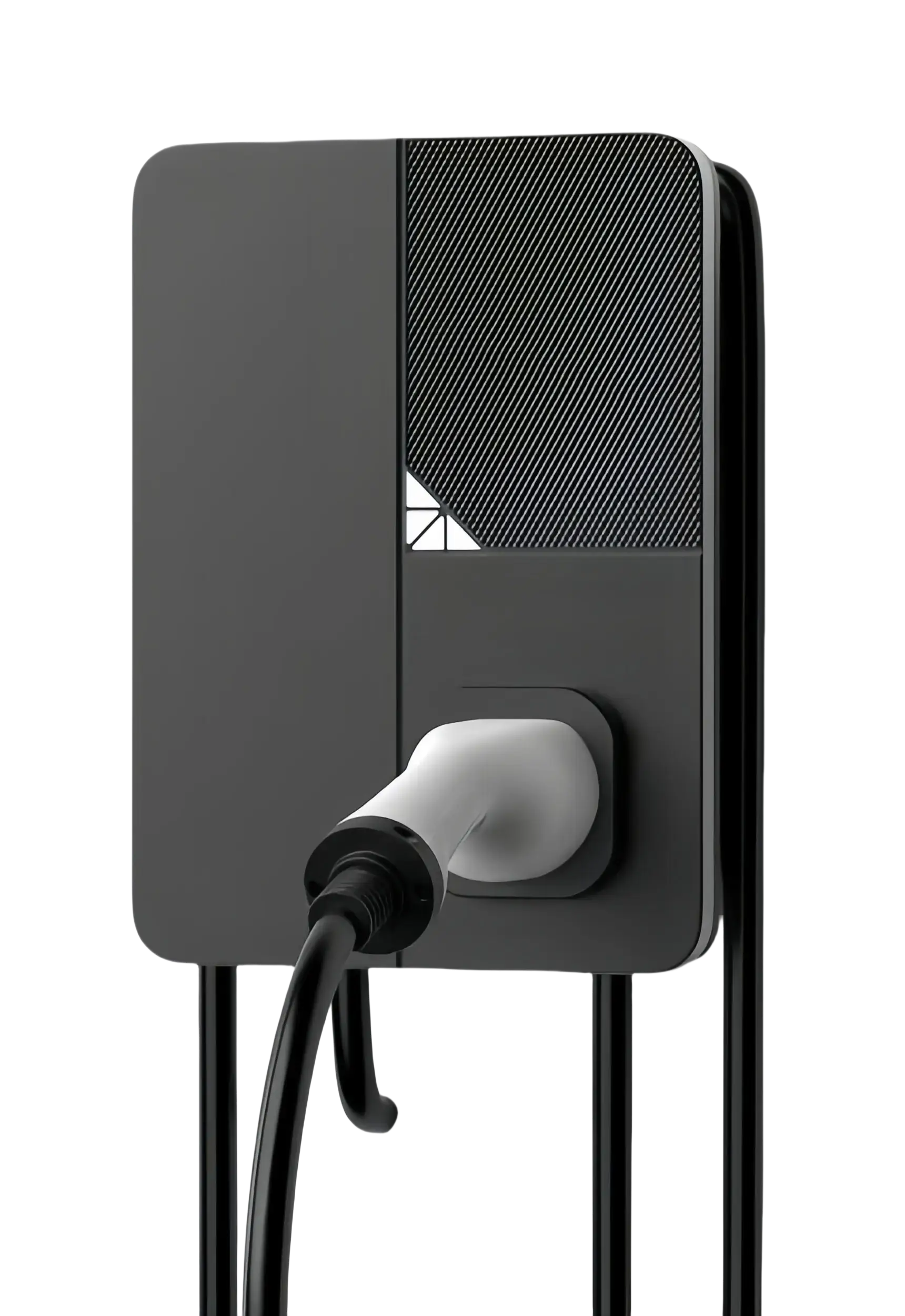
Sobald die elektrischen Voraussetzungen geklärt sind, verläuft die praktische Installation der Hardware für die E-Auto-Ladestation in einem ziemlich vorhersehbaren Ablauf. Nichts allzu Kompliziertes, aber es gibt bestimmte Schritte, die zu beachten sind
1. Beantragen Sie die Baugenehmigung – In den meisten Städten ist für neue 240-V-Stromkreise eine Baugenehmigung erforderlich. Wenn Sie diesen Schritt überspringen, kann dies beim Verkauf der Immobilie zu ernsthaften Problemen führen.
2. Verlegen Sie die Kabel – Ein dicker Kupferdraht (in der Regel 6 AWG für 48-Ampere-Ladegeräte) wird vom Hauptverteiler zum Ladestandort verlegt.
3. Installieren Sie die Steckdose oder montieren Sie das Gerät – Entweder wird eine hochbelastbare NEMA-Steckdose eingebaut, oder das Ladegerät wird direkt fest verdrahtet.
4. Schließen Sie alle Komponenten am Verteilerkasten an – Es wird ein neuer, eigens dafür vorgesehener Schutzschalter (in der Regel 50 oder 60 Ampere) installiert.
5. Prüfung und Abnahme — Der Elektriker prüft die Stromleitung, und anschließend kommt der städtische Prüfer vorbei, um die Abnahme zu bestätigen.
Das Ganze dauert in der Regel einen halben bis einen ganzen Tag, vorausgesetzt, es treten keine größeren Überraschungen auf.
Selber machen oder einen Profi beauftragen?
Schau mal, es gibt definitiv YouTube-Videos, in denen Leute zeigen, wie sie das an einem Wochenende selbst machen. Und manche Leute mit fundierten Kenntnissen in der Elektrotechnik können das wahrscheinlich sicher hinbekommen.
Aber für die meisten Menschen? Da ist es ratsam, einen zugelassenen Elektriker zu beauftragen. Die Arbeit an Stromkreisen mit hoher Stromstärke ist nicht dasselbe wie das Austauschen eines Lichtschalters. Fehler können Brände verursachen – oder Schlimmeres.
Ein qualifizierter Elektriker übernimmt folgende Aufgaben:
• Lastberechnungen, um sicherzustellen, dass die Schalttafel den neuen Stromkreis bewältigen kann
• Richtige Dimensionierung der Leitungen und Verlegung der Leitungsrohre
• Umgang mit den örtlichen baurechtlichen Vorschriften (die je nach Gemeinde sehr unterschiedlich sind)
• Einholung von Genehmigungen und Terminierung von Inspektionen
Die Kosten für eine fachgerechte Installation sind im Grunde eine Versicherung gegen spätere schwerwiegende Probleme.
FAQ
Wie lange dauert die Installation einer Ladestation für Elektrofahrzeuge?
In der Regel 3 bis 6 Stunden bei unkomplizierten Installationen. Falls eine Modernisierung der Schalttafel erforderlich ist, muss ein weiterer halber Tag oder mehr einkalkuliert werden.
Müssen alle Ladestationen für Elektrofahrzeuge fachgerecht installiert werden?
Ladegeräte der Stufe 1 (Standard 120 V) erfordern keine besondere Einrichtung. Bei Ladegeräten der Stufe 2 muss die Verkabelung der EV-Ladestation fast immer von einem zugelassenen Elektriker sicher und vorschriftsmäßig installiert werden.
Dürfen Mieter Ladestationen für Elektroautos zu Hause installieren?
Das hängt vom Vermieter ab. Manche erlauben es mit Genehmigung, andere nicht. Tragbare Ladegeräte, die an vorhandene 240-V-Steckdosen (wie z. B. Trockneranschlüsse) angeschlossen werden können, sind manchmal eine Lösung, aber es lohnt sich immer, vorher nachzufragen.