Die Prüfung von EV-Ladegeräten sollte einfach sein. Befolgen Sie das Verfahren, verwenden Sie die richtigen Instrumente und dokumentieren Sie die Ergebnisse. In der Theorie einfach genug. Doch in der Praxis tauchen immer wieder dieselben Fehler auf - und einige davon haben schwerwiegende Folgen.
Die EV-Ladeindustrie ist noch relativ jung, was bedeutet, dass viele Elektriker und Techniker sich auf unbekanntem Terrain bewegen. Traditionelle Erfahrung mit elektrischen Prüfungen bedeutet nicht automatisch Kompetenz mit Prüfgeräte für EV-Ladegeräte und seine einzigartigen Anforderungen. Selbst erfahrene Fachleute stolpern über Details, die für die Ladeinfrastruktur spezifisch sind.
Die häufigsten Fehler zu erkennen, ist der erste Schritt, um sie zu vermeiden.
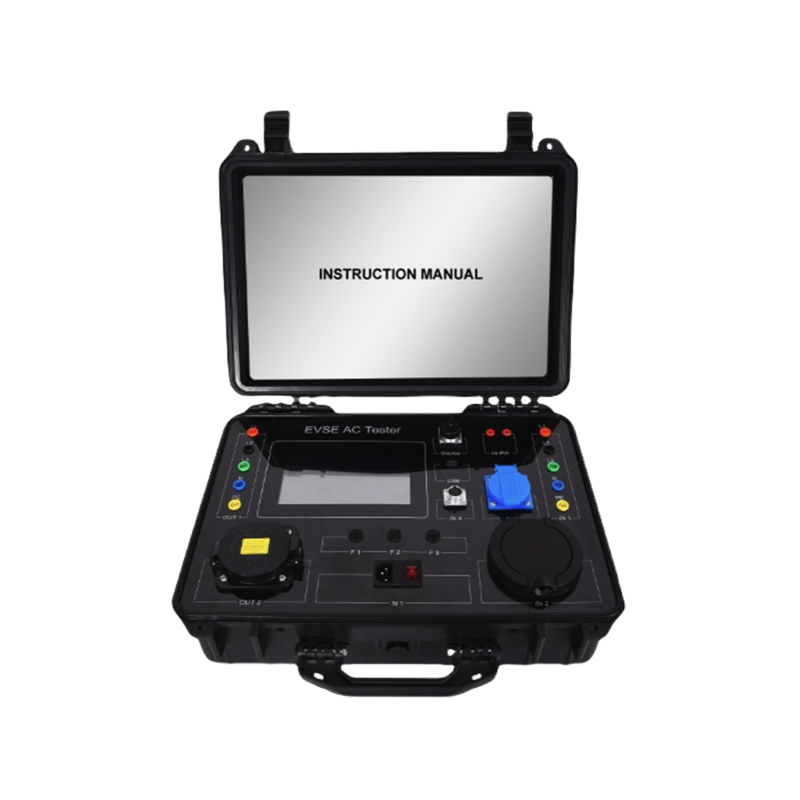
Falsche EV-Ladegeräte-Testgeräte verwenden
Verlassen auf Allzweckinstrumente
Dies ist vielleicht der häufigste Fehler, den es gibt. Die Techniker kommen mit einem Standard-Multifunktionsprüfgerät - wie sie es für jede andere elektrische Arbeit verwenden - und gehen davon aus, dass es die Überprüfung von E-Ladegeräten abdeckt. Das tut es aber nicht. Jedenfalls nicht vollständig.
Allzweckgeräte eignen sich gut für grundlegende elektrische Sicherheitsprüfungen. Erdungsdurchgang, Isolationswiderstand, Schleifenimpedanz. Diese Tests gelten für EV-Ladegeräte genauso wie für jeden anderen Stromkreis. Beim Laden von Elektrofahrzeugen findet jedoch eine Kommunikation auf Protokollebene zwischen Ladegerät und Fahrzeug statt, die mit speziellen Prüfgeräten für Ladegeräte überprüft werden muss.
Funktionen, die bei allgemeinen Instrumenten völlig fehlen:
- Analyse des Steuersignals einschließlich Spannungszustände und PWM-Tastverhältnis
- Proximity-Pilot-Simulation für die Erkennung von Kabelstromstärken
- Sequenzen des Übergangs zum Ladezustand
- Fahrzeugseitige Simulation zur Funktionsprüfung
- Prüfung der DC-Fehlerstromerkennung an RCDs vom Typ B
Wahl von billigen oder nicht zertifizierten Alternativen
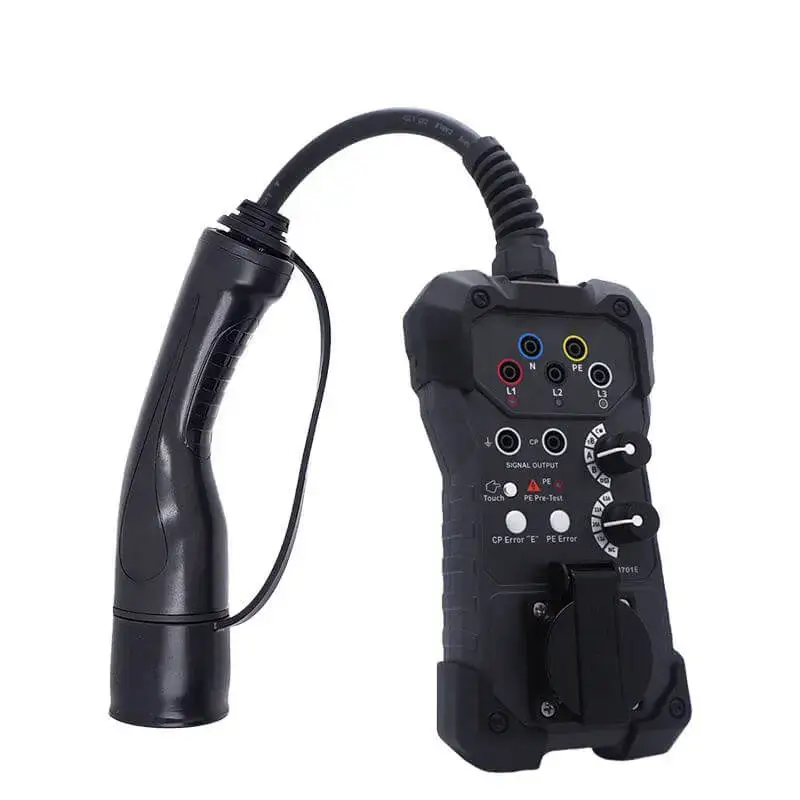
Unter dem Druck des Budgets entscheiden sich einige Käufer für preisgünstige Geräte, die als Testgeräte für EV-Ladegeräte gelten. Einige dieser Geräte funktionieren angemessen. Andere erzeugen Messungen, die plausibel aussehen, aber nicht die Genauigkeit oder Methodik aufweisen, die der IEC 61851 und verwandten Normen entspricht.
Der Unterschied zwischen einem ordnungsgemäß konstruierten Prüfgerät für EV-Ladegeräte und einer fragwürdigen Alternative ist in den Spezifikationen oft nicht erkennbar. Er zeigt sich in Grenzfällen - grenzwertigen Pilotsignalpegeln, RCD-Auslösezeiten in der Nähe der Grenzwerte oder subtilem Erdschlussverhalten, das billigere Geräte falsch charakterisieren.
Verfahrensfehler bei der Testausrüstung für EV-Ladegeräte
Prüfung in falscher Reihenfolge
Die Reihenfolge ist wichtiger, als man denkt. Werden Tests nicht in der richtigen Reihenfolge durchgeführt, kann dies zu irreführenden Ergebnissen führen oder in einigen Fällen sogar Sicherheitsrisiken während des Testverfahrens selbst verursachen.
Die empfohlene Testsequenz für die Inbetriebnahme von EV-Ladegeräten folgt einer logischen Abfolge:
- Vollständige Sichtprüfung vor Beginn der Geräteprüfung
- Prüfen Sie zunächst den Durchgang der Schutzerde - dies bestätigt die Sicherheitsgrundlage
- Isolationswiderstandsprüfung im stromlosen Zustand des Stromkreises durchführen
- Schalten Sie den Stromkreis ein und überprüfen Sie die Versorgungsspannung und -frequenz.
- Test des RCD-Betriebs einschließlich Auslösezeiten und DC-Fehlererkennung
- Fortfahren mit der Analyse des Steuersignals
- Vollständig simulierte Ladesitzung durch alle Zustandsübergänge durchführen
- Dokumentieren Sie alles, bevor Sie den Standort verlassen
Überspringen der DC-Fehlerstromüberprüfung
Es gibt eine deutliche Tendenz, die Gleichstromprüfung zu überspringen - zum einen, weil viele Techniker die Anforderungen nicht vollständig verstehen, und zum anderen, weil ihre Prüfgeräte für EV-Ladegeräte dies möglicherweise nicht unterstützen.
Moderne Normen für das Laden von Elektrofahrzeugen verlangen einen Gleichstrom-Fehlerschutz, entweder durch interne Erkennung im Ladegerät oder durch einen externen Fehlerstromschutzschalter vom Typ B. Dieser Schutz verhindert gefährliche Situationen, in denen Gleichstrom-Leckströme Standard-RCDs vom Typ A blind machen, so dass sie keine Fehler mehr erkennen können.
| Störung Typ | Typ A RCD Reaktion | Typ B RCD Reaktion | Risiko bei Nichttestung |
|---|---|---|---|
| AC-Fehlerstrom | Erfasst und löst aus | Erfasst und löst aus | Niedrig - häufig getestet |
| Pulsierender Gleichstrom | Erfasst und löst aus | Erfasst und löst aus | Niedrig - häufig getestet |
| Gleichmäßiger DC-Strom | Kann nicht erkennen | Erfasst und löst aus | Hoch - oft übersprungen |
| Gemischter AC/DC-Strom | Kann geblendet werden | Erfasst und löst aus | Hoch - oft übersprungen |
Fehler bei der Kalibrierung und Wartung von Testgeräten für EV-Ladegeräte
Kalibrierungszeitpläne ignorieren
Jedes Messgerät weicht mit der Zeit ab. Temperaturschwankungen, mechanische Beanspruchung, Alterung der Komponenten - all das trägt zu einer allmählichen Verschlechterung der Genauigkeit bei. Prüfgeräte für EV-Ladegeräte bilden da keine Ausnahme.
Die von den Herstellern empfohlenen Kalibrierungsintervalle liegen in der Regel zwischen 12 und 24 Monaten. Dennoch sind die Geräte manchmal jahrelang im Einsatz, ohne dass sie neu kalibriert werden. Die Messwerte werden weiterhin auf dem Bildschirm angezeigt. Die Zahlen werden weiterhin angezeigt. Aber ob diese Zahlen die Realität genau wiedergeben, wird immer unsicherer.
Ein nicht kalibriertes Gerät könnte eine Auslösezeit des FI-Schutzschalters als vorschriftsmäßig melden, obwohl sie in Wirklichkeit grenzwertig oder fehlerhaft ist. Oder es könnte ein einwandfreies Pilotsignal als außerhalb der Toleranz liegend melden. Beides führt zu Problemen - im ersten Fall wird die Sicherheit gefährdet, im zweiten Fall werden Zeit und Geld für unnötige Korrekturen verschwendet.
Körperliche Misshandlung und Vernachlässigung der Umwelt
Prüfgeräte werden zu Baustellen geschleppt, in Arbeitsfahrzeugen herumgeschleppt und unter Witterungsbedingungen eingesetzt, die an die Grenzen der Belastbarkeit gehen. Ein gewisses Maß an rauer Behandlung gehört zum Job dazu. Die Prüfgeräte für EV-Ladegeräte enthalten jedoch Präzisionselektronik und empfindliche Messkreise, die durch wiederholte physische Beanspruchung spürbar beeinträchtigt werden können.
Häufige Probleme mit Vernachlässigung sind:
- Beschädigte Messleitungen mit beeinträchtigter Isolierung
- Korrodierte Steckverbinder durch Feuchtigkeitseinwirkung
- Gesprungene Displays, die im Sonnenlicht schwer zu lesen sind
- Abgenutzte Simulationsstecker, die unzuverlässigen Kontakt herstellen
- Leere Batterien mitten im Test führen zu unvollständigen Messungen
Fehler bei der Dokumentation und Interpretation
Unvollständige Testaufzeichnungen
Die Durchführung aller richtigen Tests mit der richtigen Testausrüstung für E-Ladegeräte bedeutet wenig, wenn die Ergebnisse nicht sorgfältig dokumentiert werden. Die Einhaltung der Vorschriften erfordert Beweise. Für die Fehlersuche bei zukünftigen Problemen sind Basisdaten erforderlich. Der Schutz vor Haftungsansprüchen erfordert den Nachweis, dass ordnungsgemäße Verfahren eingehalten wurden.
Dennoch sind unvollständige Prüfprotokolle nach wie vor üblich. Ein kurzer Vermerk wie "alle Tests bestanden" liefert kaum nützliche Informationen. Eine ordnungsgemäße Dokumentation sollte spezifische Messwerte, die Geräteidentifikation und das Kalibrierungsdatum, die Testbedingungen, die Identifikation des Ladegeräts und des Standorts sowie die Referenzen des Technikers enthalten.
Falsche Interpretation von Borderline-Ergebnissen
Die Ergebnisse von Prüfgeräten für Ladegeräte müssen interpretiert werden, insbesondere dann, wenn die Messungen an der Grenze zwischen bestanden und nicht bestanden liegen. Ein Pilotsignal-Spannungsmesswert von 8,9 V, wenn die Spezifikation 9,0 V ± 1 V vorschreibt, ist technisch gesehen bestanden - aber es ist erwähnenswert, dass es sich dabei um eine Randbedingung handelt, die durch Temperaturänderungen oder die Alterung von Komponenten aus der Toleranz geraten kann.
Techniker, denen es an Erfahrung mit EV-spezifischen Prüfungen mangelt, wenden manchmal ein zu starres "bestanden/nicht bestanden"-Denken an, ohne die Messunsicherheit oder die Schwankungen im realen Betrieb zu berücksichtigen. Der Kontext ist wichtig. Um diese Zusammenhänge zu verstehen, braucht man Zeit und muss sich mit einer Reihe von Installationen auseinandersetzen, sowohl mit guten als auch mit problematischen. Wenn Sie mehr über Prüfgeräte für EV-Ladegeräte wissen möchten, lesen Sie bitte Was ist ein EV-Ladegerätetester?.
FAQ
Wie oft sollten die Prüfgeräte für E-Ladegeräte kalibriert werden?
Die meisten Hersteller empfehlen eine Kalibrierung alle 12 Monate, obwohl einige Geräte je nach Bauqualität und Nutzungsintensität 24-monatige Intervalle vorsehen. Ein intensiver täglicher Gebrauch unter anspruchsvollen Feldbedingungen kann eine häufigere Kalibrierung rechtfertigen als ein gelegentlicher leichter Gebrauch. Akkreditierte Kalibrierlaboratorien stellen Zertifikate aus, die auf nationale Messnormale rückführbar sind und einen dokumentierten Nachweis für die Genauigkeit der Geräte liefern. Ohne aktuelle Kalibrierung sind die Prüfergebnisse für die Einhaltung der Vorschriften weniger glaubwürdig und könnten bei Audits oder Untersuchungen angefochten werden.
Können Software-Updates die Genauigkeit von EV-Ladegeräten beeinflussen?
Ja, und das ist etwas, dem nicht genug Aufmerksamkeit geschenkt wird. Firmware-Updates für EV-Ladegeräte ändern manchmal die Messalgorithmen, fügen neue Testfunktionen hinzu oder passen die Pass/Fail-Kriterien an aktualisierte Normen an. Die Verwendung veralteter Firmware kann dazu führen, dass das Gerät Pilotsignale anhand veralteter Toleranzwerte auswertet oder nicht in der Lage ist, neuere Ladegerätefunktionen zu testen.
Was sollte ein Techniker tun, wenn die Testgeräte für E-Ladegeräte uneinheitliche Ergebnisse liefern?
Uneinheitliche Messwerte von EV-Ladegeräten deuten in der Regel auf eine von mehreren Ursachen hin: beschädigte oder verunreinigte Messleitungen, schlechter Kontakt an den Messpunkten, eine schwache Batterie, die sich auf die Messkreise auswirkt, elektromagnetische Interferenzen von benachbarten Geräten oder ein tatsächlicher intermittierender Fehler im zu prüfenden Ladegerät. Der erste Schritt besteht in der Beseitigung geräteseitiger Probleme, indem der Zustand der Messleitungen überprüft, die Anschlüsse gereinigt, die Batterien ausgetauscht und die Messung erneut versucht wird.