
Pulling up to a charger should be the easiest part of the journey. You have done the range math, navigated the weird detours, and finally arrived. But there is a distinct vibe at some of these places, isn’t there? Some feel like high-tech oases with bright lights and canopies, while others—usually the ones you desperately need at 11 PM—feel a bit like an abandoned sci-fi set.
Navigating an EV charging station isn’t just about figuring out which app to download or why the credit card reader is taped over. It is about physical safety. We are talking about high-voltage equipment, often sitting out in the elements, used by hundreds of people who may or may not know what they are doing. It’s funny how we trust these boxes implicitly, just plugging in and walking away to get a coffee, without checking if the machine actually looks safe to use.
The Environment: Situational Awareness
Safety starts before you even get out of the car. It’s an observation many drivers make eventually: why are so many chargers tucked away in the back corners of unlit parking lots? It’s almost as if they were hiding them.
When rolling into an EV charging station, take a second. Look around. Is it well-lit? Is it isolated? If it feels sketchy, trust that gut feeling. There is no shame in driving to the next one if you have the range. It’s not just about the electricity; it’s about personal security. You are going to be tethered there for 20, 30, maybe 40 minutes. You are a sitting duck in a way.
Trip Hazards and Cabling Chaos
Once you step out, look down. The ground at busy stations can be a mess. Cables are heavy, thick, and often sprawl across the parking spots like dormant snakes. People are in a rush; they don’t loop them back up.
Tripping over a 350kW liquid-cooled cable is not fun. They are surprisingly heavy and unforgiving. Plus, in winter or rain, these cables can be slippery. It’s a small thing, really, but watching where you step prevents a face-plant into a puddle—or worse, into the side of your own car.

Inspecting the Hardware: Does it Look “Right”?
We assume the maintenance crews are on top of things, and mostly, they are. But things break. A broken EV charging station isn’t always obvious until you try to use it, but sometimes the visual clues are screaming at you.
Before grabbing the connector, give the unit a quick scan. You aren’t looking for a technical schematic; just look for damage.
- Cracked Casings: If the plastic housing of the station is smashed or cracked, exposing the insides, do not touch it. Rain and exposed high-voltage electronics are a terrible mix.
- The Connector Holster: Is the plug hanging loose, dragging in the mud, or is it docked properly? Connectors sitting in the dirt pick up grit, water, and debris. Plugging a muddy connector into your car is a great way to ruin your charge port.
- The Screen: A smashed screen is usually a sign the station has been vandalized. If they hit the screen, who knows what else they yanked on?
Electrical Safety and Weather
“Electricity and water don’t mix.” We learn this in kindergarten. Yet, here we are, standing in a torrential downpour, holding a lightning bolt in our hands.
The good news is that the engineering behind an EV charging station is actually incredibly robust regarding weather. The power isn’t “live” in the plug until it is locked into your car and the handshake protocols are finished. You could theoretically stand there holding the plug in the rain, and nothing would happen (though, please don’t test fate unnecessarily).
However, there are limits.
Table 1: Weather Conditions and Charging Safety
Weather Scenario | Safety Level | What to Watch For |
Light Rain/Drizzle | High | totally fine. The system is designed for this. |
Heavy Downpour | Medium | Safe to charge, but water ingress can happen if equipment is damaged. Try to shield the plug with your body or an umbrella while connecting. |
Thunderstorms | Low | It’s not the car charging that scares me; it’s being the tallest object in an open parking lot holding a metal-connected cable. best to wait it out. |
Snow/Ice | High | Snow is fine. Ice is the problem—it can freeze the locking mechanism. Don’t force a frozen handle; you’ll break the latch. |
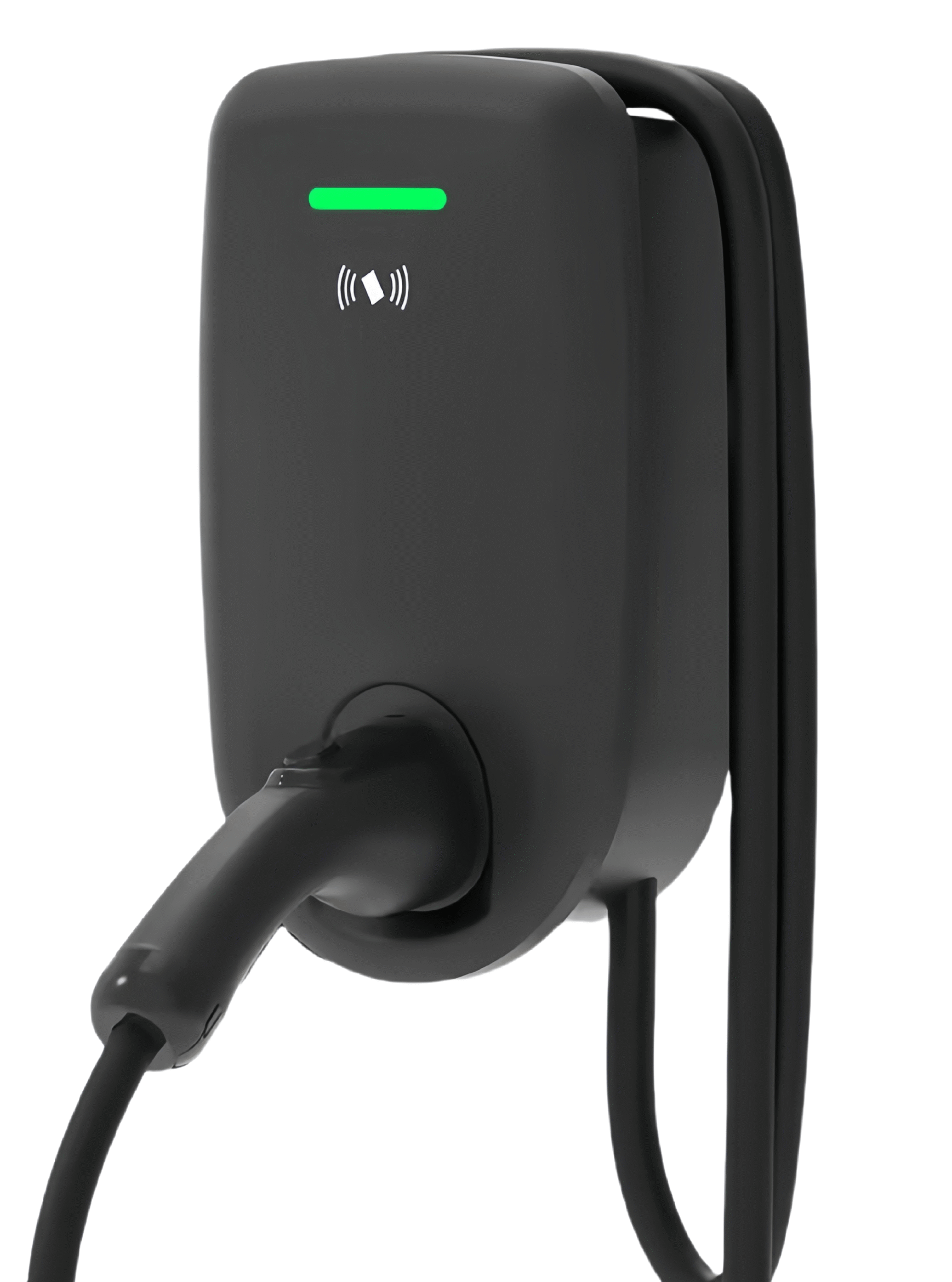
If you see sparks—which sounds dramatic, but it happens—or hear a loud buzzing or crackling sound coming from the cabinet (distinct from the normal fan hum), hit the emergency stop button if it is safe to do so, and back away. That is not normal. That is the sound of electricity trying to escape.
The “Emergency Stop” Button
Speaking of that big red button… have you ever noticed how many people are terrified to touch it? There is a hesitation, like “Am I allowed to press this?”
Yes, you are. That is why it is bright red.
If an EV charging station is smoking, making scary noises, or if a cable is physically damaged while charging, hit the E-Stop. It cuts the power immediately. It is better to annoy the operator with a reset than to let a fault escalate. Just don’t use it as a standard “stop charging” button, because it can mess up the software for the next person.
Public vs. Private: The Maintenance Gap
There is a huge difference in safety vibes between a dedicated charging hub and that lonely charger behind a grocery store. The “Wild West” of charging is real.
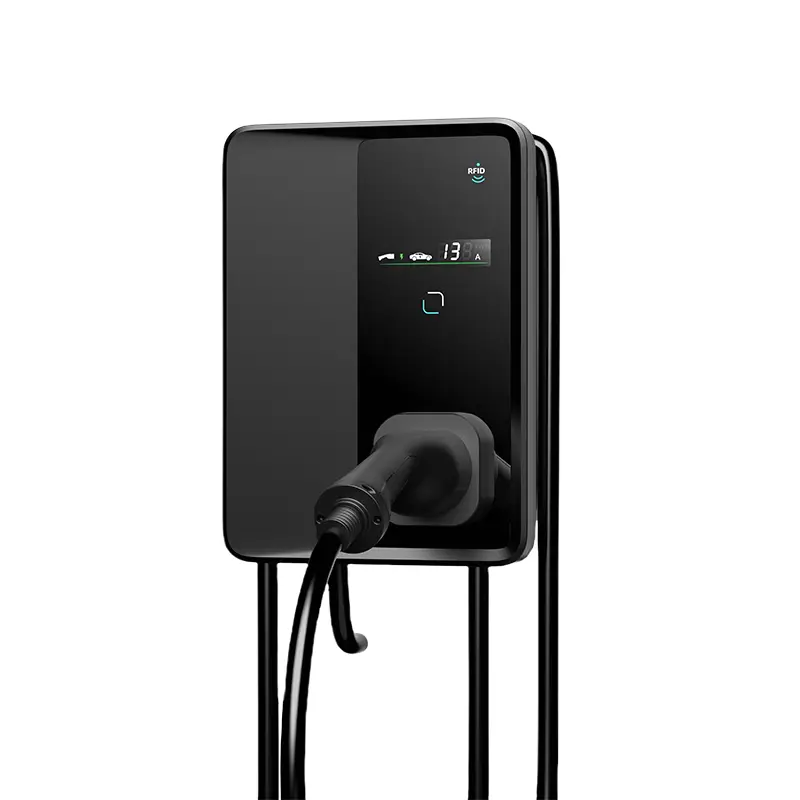
Hubs usually have cameras, lighting, and attendants (sometimes). The lonely chargers? They are often forgotten. We have seen cables repaired with duct tape—actual gray duct tape—at some older stations. That is a massive red flag. If you see DIY repairs on public infrastructure, run away. It implies that whoever owns it is too cheap to fix it properly, which makes you wonder what the internal safety breakers are like.
Fire Safety: The Elephant in the Room
It’s the topic the news loves. “EV Fire.” While statistically rare, it’s something people worry about at an EV charging station.
If a battery is going to fail, it is most likely to happen during fast charging when heat generation is highest. If you smell something acrid—like burning plastic or chemicals—or see smoke coming from your car or the charger:
- Do not try to unplug. The handle might be hot, or the arc flash could injure you.
- Move away immediately. Get everyone out of the car and move upwind.
- Call emergency services. Tell them it is an EV battery fire; they need to know because water doesn’t always put it out easily.
It’s grim to think about, but having a plan is better than panic. Most stations have fire extinguishers nearby, but honestly? Unless you are trained, just getting to safety is the priority.
Etiquette as a Safety Feature
Believe it or not, being polite actually makes things safer. Road rage at an EV charging station is becoming a thing. People get desperate when they are at 2% battery and the stalls are full.
Arguments escalate. We have seen people try to unplug others (which usually doesn’t work and just sets off car alarms) or blocking others in. Keeping a cool head prevents the kind of physical altercations that are honestly more likely to hurt you than the electricity is.
Table 2: Common Station Hazards and Avoidance
Hazard | The Fix/Action |
Cable sprawled in puddle | Inspect the plug end before touching. If the pins are wet, shake it out or find another stall. Don’t stand in the puddle while plugging in. |
Damaged insulation (exposed wires) | DO NOT TOUCH. Report it to the hotline on the sticker immediately. Do not attempt to move it. |
Screen blank/unresponsive | Move on. It might be powered down, or it might have an internal fault. Not worth the guess. |
Crowded, tight spaces | Watch your doors. Watch for other drivers backing out blindly. It’s a parking lot, not a pit lane. |
The Shared Charging Cable Dilemma
At some older stations, or even at workplaces, you might find “untethered” units where you have to bring your own cable. This adds a layer of complexity. Now you are relying on your gear interfacing with their gear.
If the station socket looks burnt or melted (brown marks around the holes), do not plug your expensive cable into it. It can damage your plug, and then you are carrying that damage around with you to the next station. It spreads like a virus.
A Word on Adapters
Using adapters at a public EV charging station is common now, especially with the transition between NACS and CCS. It feels a bit like using a travel adapter for a hairdryer, but with 500 volts.
- Only use manufacturer-approved adapters.
- Check the locking mechanism. A loose adapter can cause arcing (sparks) because the connection isn’t tight.
- If the adapter gets stuck—which happens—don’t force it with a screwdriver. Call support.
Conclusion
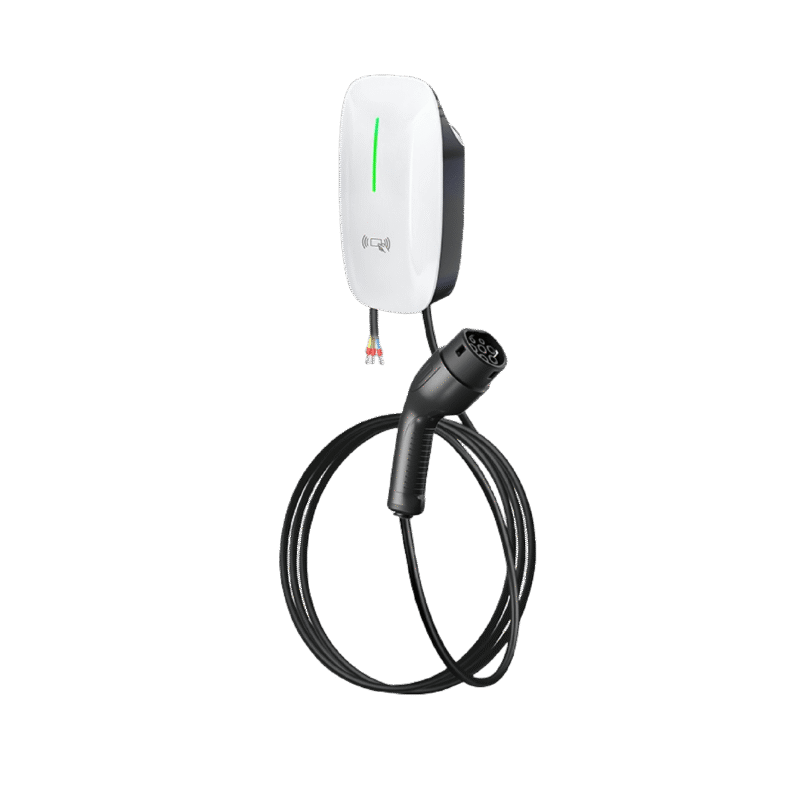
Ultimately, plugging in at an EV charging station shouldn’t be a source of anxiety. It is part of the rhythm of owning an electric car, a moment to pause while the electrons flow. But that pause shouldn’t mean switching off your brain completely.
We get so used to the click-hum-charge routine that we forget we are handling industrial-grade power in a public parking lot. The hardware is designed to keep you safe—it really is—but it can’t see a frayed cable, a pool of oil on the ground, or a sketchy van parked too close. You can.
The best safety tool isn’t a pair of insulated gloves or a fancy app; it is just a bit of common sense and a quick glance around before you commit. Treat the equipment with respect, keep an eye on the weather, and trust your gut if a location feels off. If you do that, the scariest thing you will likely encounter is the price of the vending machine coffee while you wait.
FAQ
Is it safe to sit inside the car while it is fast charging?
Yes, it is generally safe and almost everyone does it. The car’s high-voltage system is shielded from the cabin. However, some manufacturers and safety experts suggest that for the absolute highest safety margin, standing outside (under a canopy or nearby) is technically safer in the extremely unlikely event of a thermal runaway (battery fire). But realistically? If it’s raining or cold, stay inside, just stay awake and aware of any weird smells or warning lights on the dash.
Can a charging station give me a shock if I touch the metal casing?
It shouldn’t, ever. These stations are grounded (earthed) heavily. If you ever feel a tingle or a “buzz” when touching the metal cabinet of an EV charging station, that is a ground fault. Pull your hand away immediately, do not touch it again, and call the emergency number on the unit. That is a serious electrical hazard indicating the safety grounding has failed.
What happens if someone unplugs me while I'm at a public charger?
On DC fast chargers (the big rapid ones), the connector locks to the car. It is physically impossible to unplug it without the car key or ending the session on the screen/app. On slower Level 2 AC chargers, some cars lock the cable, but some don’t (or settings allow it to unlock when charged). Safety-wise, if someone yanks a cable out while power is flowing (if the lock failed), it can cause an arc flash—a spark that damages the pins. It’s bad for the car, but usually the system cuts power microseconds after the pilot signal is broken.


 English
  Spanish
  Portuguese
  French
  Russian
  German
  Italian