
Der weltweite Übergang zur Elektromobilität ist nicht länger ein Zukunftskonzept, sondern eine aktuelle Herausforderung für die Infrastruktur. Mit der Installation von Millionen von Ladestationen in Einfahrten von Privathaushalten und auf gewerblichen Parkplätzen ist die Nachfrage nach einer gründlichen Wartung in die Höhe geschnellt. Die Arbeit mit Hochspannungssystemen ist jedoch mit Risiken verbunden. Beim Einsatz eines professionellen EV-Ladegerätetesters geht es nicht nur darum, zu prüfen, ob ein Auto aufgeladen werden kann, sondern auch darum, sicherzustellen, dass das gesamte Ökosystem elektrisch einwandfrei und sicher für die öffentliche Nutzung ist.
In diesem Leitfaden werden wir die kritischen Sicherheitsprotokolle, technischen Standards und bewährten Betriebsverfahren für den Einsatz von EV-Ladegeräten untersuchen. Egal, ob Sie ein zertifizierter Elektriker oder ein Flottenwartungsmanager sind, das Verständnis der Feinheiten Ihres Autoladegeräts ist der Unterschied zwischen einer gut ausgeführten Arbeit und einem gefährlichen elektrischen Ausfall.
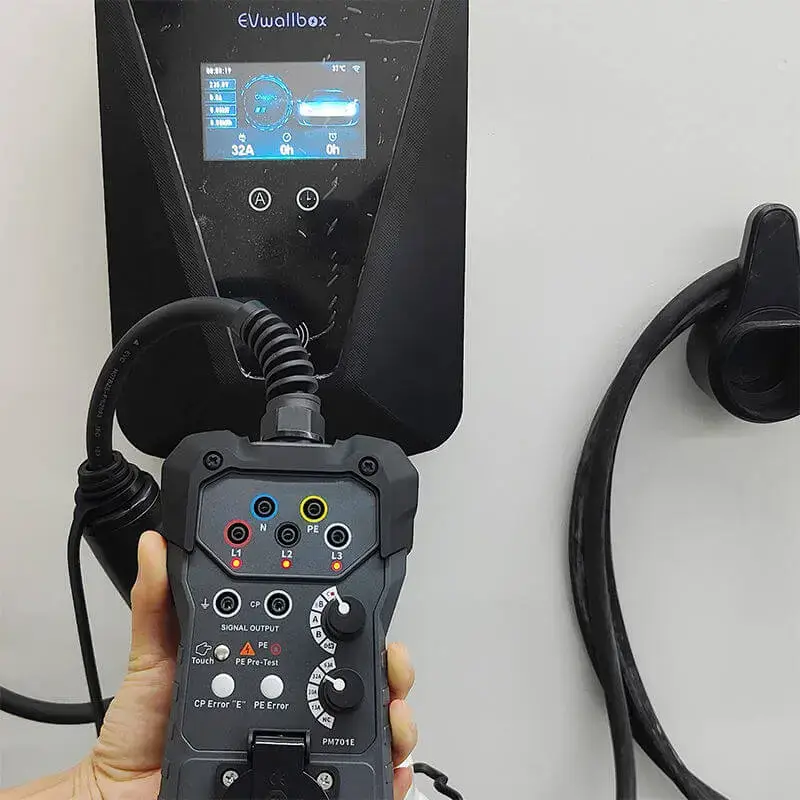
Warum spezialisierte EV-Ladegeräte-Testgeräte unverzichtbar sind
Ein weit verbreiteter Irrglaube unter Elektroinstallateuren ist, dass ein Standard-Digitalmultimeter für die Überprüfung einer Ladestation ausreicht. Dies ist ein gefährlicher Irrtum.
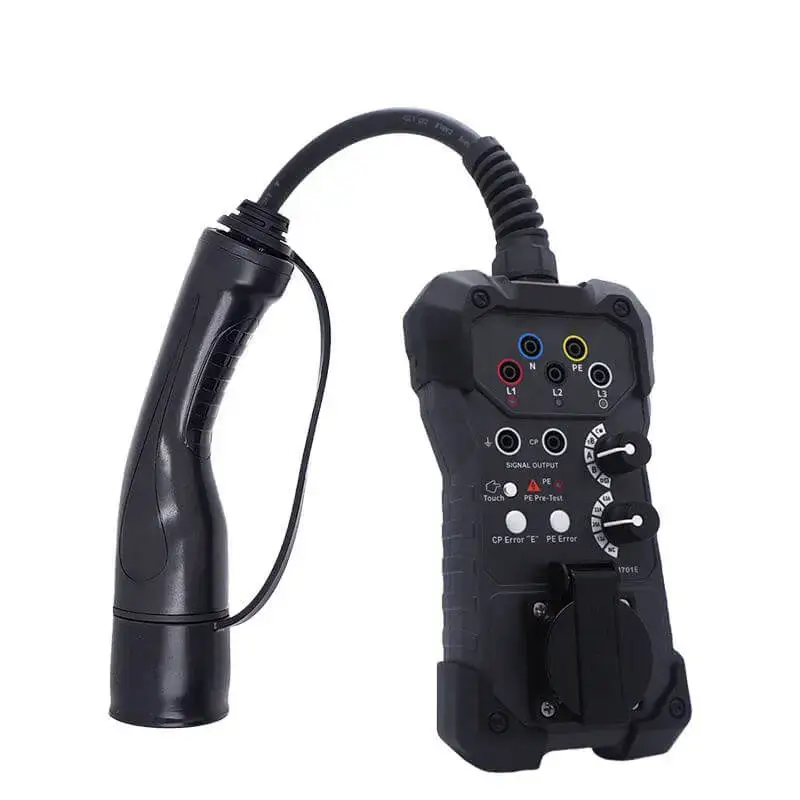
Eine EVSE-Einheit (Electric Vehicle Supply Equipment) ist keine einfache Steckdose, sondern ein intelligenter Kommunikationsknotenpunkt. Eine spezielle EV-Ladegerät-Tester fungiert als Fahrzeugsimulator. Er kommuniziert mit der Station über die Signale Control Pilot (CP) und Proximity Pilot (PP), um einen "Handshake" mit dem Ladegerät durchzuführen. Ohne die richtige Testausrüstung für EV-Ladegeräte können Sie die verschiedenen Zustände eines Fahrzeugs (angeschlossen, Ladevorgang, Belüftung erforderlich) nicht sicher simulieren oder die kritische Reaktionszeit von Fehlerstromschutzschaltern (RCDs) testen.
Die Verwendung der falschen Werkzeuge kann dazu führen:
Unentdeckte Erdungsfehler: Für den Endnutzer besteht die Gefahr eines Stromschlages.
Beschädigung der Geräte: Ungenaue Impedanzmessungen können die internen Logikplatinen von teuren Ladegeräten zerstören.
Unvollständige Zertifizierung: Die meisten Versicherungen und örtlichen Bauvorschriften verlangen einen dokumentierten Nachweis über Sicherheitstests, den nur spezialisierte Prüfer erbringen können.
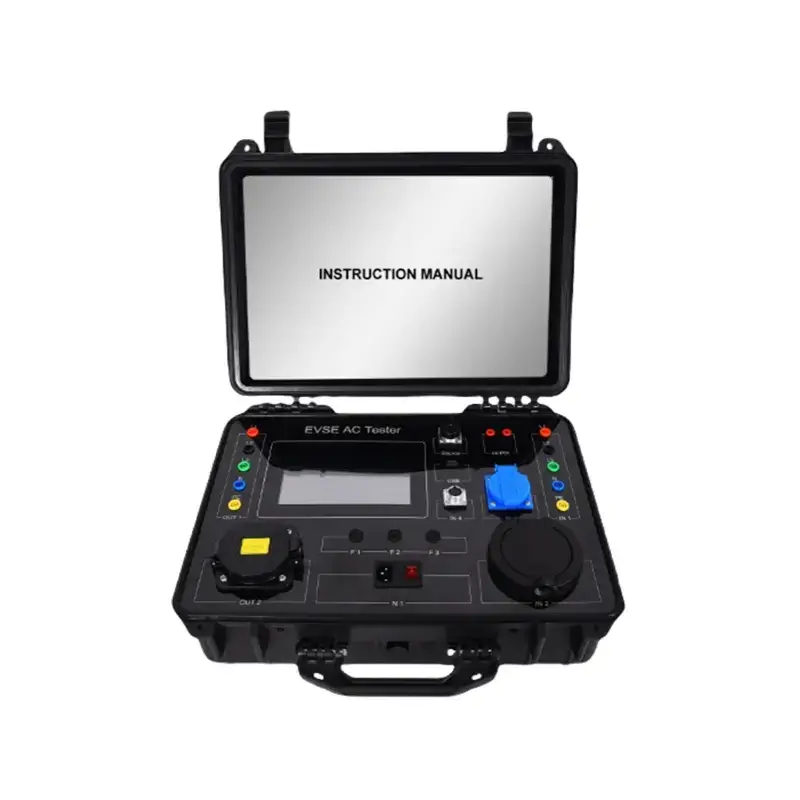
Verständnis der internationalen Sicherheitsstandards für Ladegeräte
Bevor Sie Ihr Autoladegerät überhaupt einschalten, müssen Sie sicherstellen, dass das Gerät selbst den globalen Sicherheitsstandards entspricht. Die Prüfung von Hochleistungselektronik erfordert Geräte, die mit transienten Überspannungen umgehen können.
Messkategorie (CAT) Bewertungen
Achten Sie bei der Auswahl von Prüfgeräten für EV-Ladegeräte immer auf die CAT-Einstufung. Für die Wartung von EVSEs sollten die Geräte idealerweise mindestens der Kategorie CAT III 600V entsprechen.
CAT III: Deckt die Verteilungsebene ab, einschließlich festverdrahteter Ladegeräte in Geschäftsgebäuden.
CAT IV: Erforderlich, wenn Sie am Versorgungsanschluss (dem Ursprung der Installation) prüfen.
Einhaltung der IEC 61851-1
Dies ist die "Bibel" für konduktive EV-Ladesysteme. Ihr EV Charger Tester muss in der Lage sein, zu überprüfen, ob die EVSE dieser Norm entspricht, insbesondere in Bezug auf das PWM-Signal (Pulsweitenmodulation), das dem Fahrzeug mitteilt, wie viel Strom es sicher aufnehmen kann.
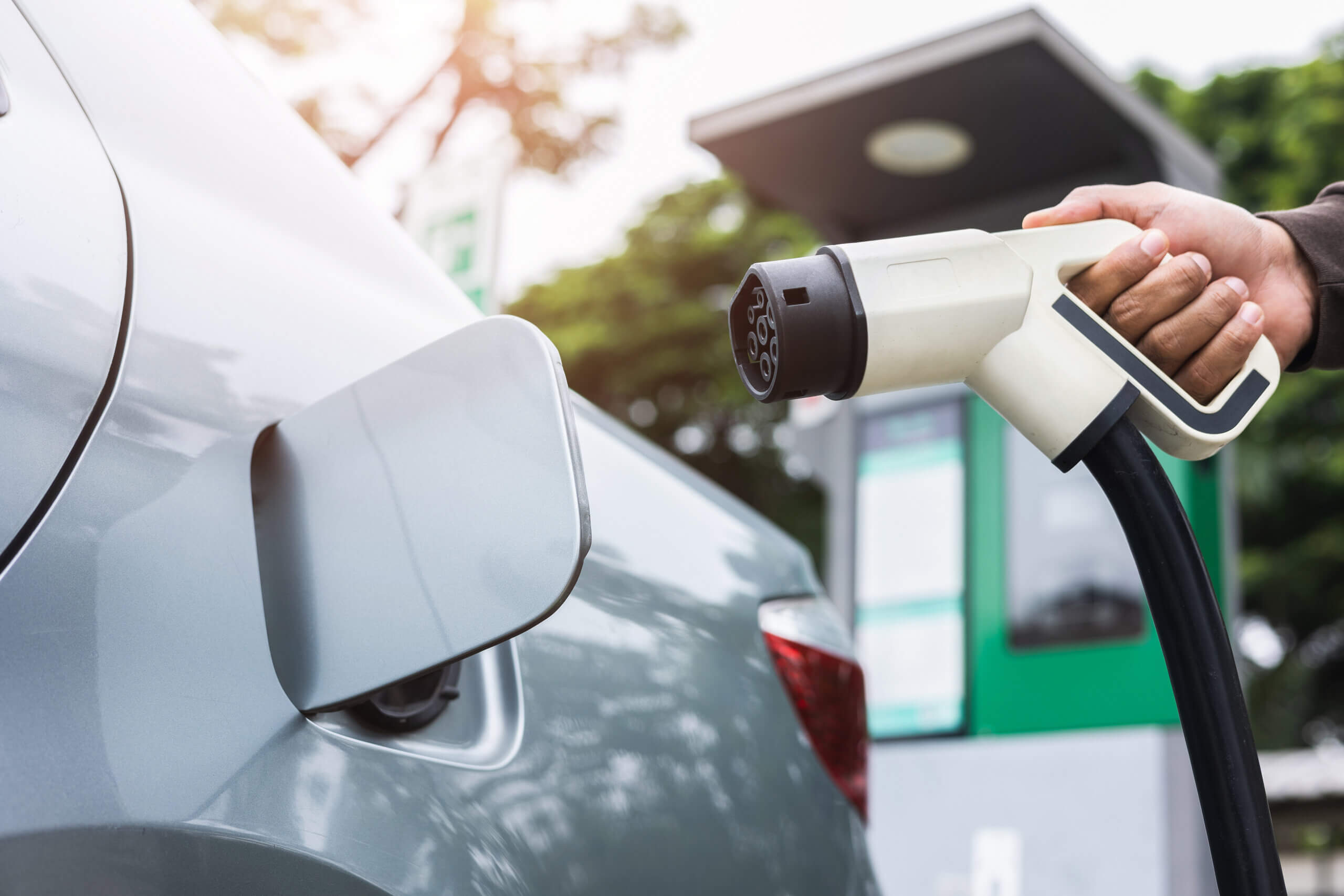
Sicherheitscheckliste für EV-Ladegeräte-Tester vor der Inbetriebnahme
Die Sicherheit beginnt, bevor das Prüfgerät in den Ladegriff eingesteckt wird. Befolgen Sie dieses Protokoll, um das Risiko zu minimieren:
Visuelle Inspektion: Untersuchen Sie das Testgerät des EV-Ladegeräts auf Risse im Gehäuse oder ausgefranste Isolierung an den Messleitungen. Wenn das Gehäuse beschädigt ist, kann Feuchtigkeit eindringen und zu internen Kurzschlüssen führen.
Integrität des Hafens: Überprüfen Sie den Einlass Typ 1 oder Typ 2 am Prüfgerät. Vergewissern Sie sich, dass keine Verschmutzungen, Kohlenstoffablagerungen oder verbogene Stifte vorhanden sind.
Umwelt-Check: Vermeiden Sie Tests in stehendem Wasser oder bei starkem Gewitter. Viele Ladegeräte sind zwar für die Verwendung im Freien ausgelegt, die internen Komponenten eines EVSE-Prüfgerät bei einem Test mit offenem Gehäuse möglicherweise nicht.
Persönliche Schutzausrüstung (PSA): Auch bei der Verwendung von hochwertigen Instrumenten ist das Tragen von isolierten Handschuhen und Schutzbrillen bei der Arbeit mit stromführenden Stromkreisen eine bewährte Praxis.

Schritt für Schritt: EV-Ladegerätetester Sichere Betriebsverfahren (SOP)
Der Einsatz eines EV Charger Testers erfordert einen systematischen Ansatz, um sicherzustellen, dass sowohl der Techniker als auch die Infrastruktur geschützt bleiben.
Schritt A: Die physische Verbindung
Vergewissern Sie sich, dass sich das Prüfgerät in der Position "Zustand A" (getrennt) befindet, bevor Sie es in die EVSE einstecken. Sobald der Stecker fest sitzt, können Sie die Simulation starten.
Schritt B: Proximity Pilot (PP) State Test
Der Autoladetester sollte zunächst den PP-Status überprüfen. Dadurch wird sichergestellt, dass das System die maximale Stromkapazität des Kabels erkennt. Zeigt das Prüfgerät einen falschen Widerstandswert an, könnte das Ladegerät versuchen, mehr Strom zu ziehen, als das Kabel verkraften kann, was zu einer Brandgefahr führen kann.
Schritt C: Simulation des Kontrollpiloten (CP)
Hier kommt das EV-Ladegerät-Testgerät zum Einsatz. Sie werden manuell oder automatisch durch die Zustände schalten:
Status B: Fahrzeug entdeckt.
Zustand C: Aufladen (ohne Belüftung).
Zustand D: Aufladen (mit Belüftung erforderlich - speziell für ältere Bleisäurebatterien).
Schritt D: Fehlersimulation (der wichtigste Schritt)
Mit einer professionellen Testausrüstung für EV-Ladegeräte können Sie einen CP-Kurzschluss oder einen Erdschluss simulieren. Sie wollen sehen, dass das Ladegerät sofort abschaltet und den Strom unterbricht. Wenn das nicht der Fall ist, ist die Station eine "Todesfalle" und muss sofort außer Betrieb genommen werden.
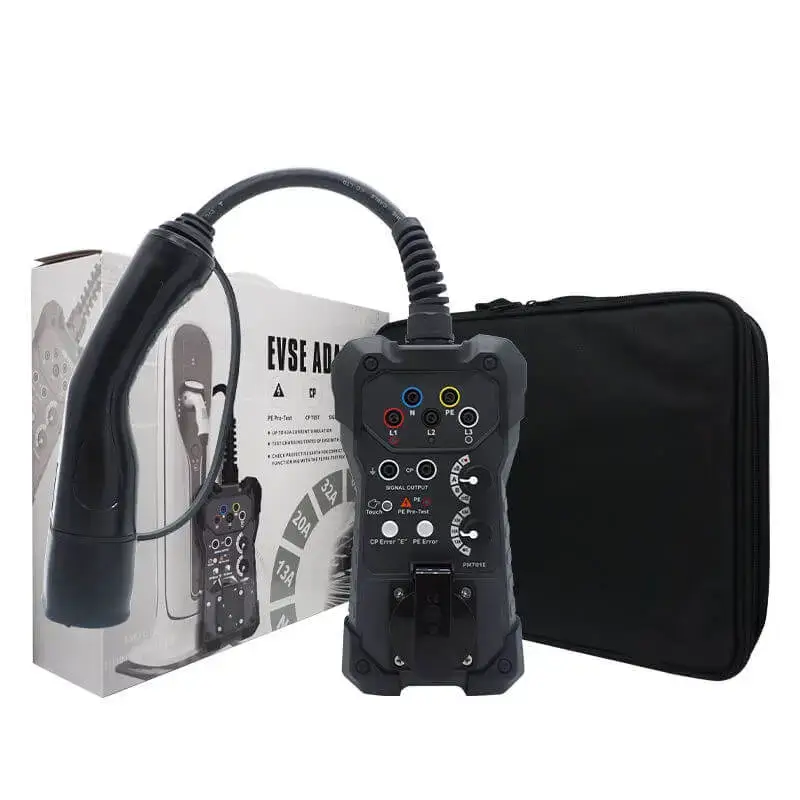
Navigieren durch häufige Gefahren: Störlichtbogen und Überlast
Eines der größten Risiken bei der Wartung von EVSE mit hoher Leistung ist der Lichtbogen. Dieser tritt auf, wenn ein Überschlag des elektrischen Stroms seinen vorgesehenen Weg verlässt und durch die Luft von einem Leiter zu einem anderen oder zum Boden wandert.
Vermeidung von Lichtbögen mit einem EV-Ladegerätetester:
Trennen Sie den Stecker niemals unter Last: Vergewissern Sie sich, dass der EV Charger Tester der Station signalisiert hat, den Stromfluss zu stoppen (von Zustand C zurück zu Zustand B zu wechseln), bevor Sie den Stecker physisch abziehen.
Interne Lasttests: Hochwertige Testgeräte für EV-Ladegeräte verfügen über interne Lasten, um den Energiezähler zu überprüfen. Achten Sie darauf, dass Sie den Arbeitszyklus Ihres Prüfgeräts nicht überschreiten. Eine Überhitzung des Prüfgeräts kann dazu führen, dass interne Komponenten ausfallen, was möglicherweise zu einem externen Funken führt.
Umgang mit Feuchtigkeit
Wenn Sie in einer feuchten oder nassen Umgebung testen, erhöht sich das Risiko des "Tracking" (Strom, der über die Oberfläche der Isolierung fließt). Wischen Sie den EVSE-Stecker immer mit einem trockenen, fusselfreien Tuch ab, bevor Sie den Autoladetester einsetzen.
Wartung, Kalibrierung und Firmware
Eine ungenaue Testausrüstung für EV-Ladegeräte ist schlimmer als gar keine Ausrüstung, da sie ein falsches Gefühl von Sicherheit vermittelt.
Jährliche Kalibrierung: Professionelle Prüfgeräte erfordern eine jährliche Kalibrierung durch ein zertifiziertes Labor, um sicherzustellen, dass die Spannungs- und Frequenzmessungen innerhalb der 1-2%-Genauigkeit bleiben.
Firmware-Aktualisierungen: Wenn die Hersteller von Elektrofahrzeugen ihre Kommunikationsprotokolle aktualisieren (z. B. die Umstellung auf ISO 15118 für "Plug & Charge"), benötigt Ihr Ladegerätetester möglicherweise Firmware-Updates, um den digitalen Handshake korrekt zu interpretieren.
Batteriepflege: Die meisten tragbaren Kfz-Ladetester werden mit internen Batterien betrieben. Auslaufende alte Alkalibatterien können die Logikplatine zerstören. Wenn Sie Lithium-Ionen-Versionen verwenden, vermeiden Sie es, sie in einem heißen Servicewagen zu lagern, da dies die Zellen zersetzen kann.
Auswahl des richtigen EV-Ladegerätetesters für Ihr professionelles Unternehmen
Nicht alle Prüfgeräte für EV-Ladegeräte sind gleich. Ihre Wahl sollte von Ihrer spezifischen Arbeitsbelastung abhängen:
| Merkmal | Basic Car Charging Tester | Professionelles EVSE-Analyse-Kit |
|---|---|---|
| Benutzerprofil | Elektriker für Privathaushalte | Kommerzielle O&M-Teams / Hersteller |
| Testumfang | Grundlegende Funktionalitäten (bestanden/nicht bestanden) | Umfassende Wellenform- und RCD-Analyse |
| Datenaufzeichnung | Keine | USB/Bluetooth-Export für Berichte |
| Fehlersimulation | Nur PE-Störung | CP-Kurzschluss, PE-Fehler, Phasendrehung |
Schlussfolgerung
In der sich schnell entwickelnden Welt der Elektrofahrzeuge ist Sicherheit das höchste Gut. Die Verwendung eines qualitativ hochwertigen EV-Ladegerätetesters ist mehr als nur ein Kästchen, das ein Bauinspektor ankreuzen kann; es schafft Vertrauen bei Ihren Kunden. Indem Sie die in diesem Leitfaden beschriebenen strengen Sicherheitsprotokolle befolgen - von der Überprüfung der CAT-Einstufungen bis zur Simulation von CP-Fehlern - stellen Sie sicher, dass die EV-Revolution sowohl effizient als auch unfallfrei bleibt.
Wenn Sie heute in die richtige Ausrüstung für die Prüfung von E-Ladegeräten investieren, vermeiden Sie die kostspieligen Verpflichtungen von morgen. Da die Ladegeschwindigkeiten zunehmen und die Hardware immer komplexer wird, wird Ihr Engagement für sicherheitsorientierte Prüfungen das sein, was Ihre Dienstleistungen in einem überfüllten Markt auszeichnet.
Weitere Informationen:
FAQ
Kann ich ein handelsübliches Digitalmultimeter anstelle eines speziellen Testgeräts für EV-Ladegeräte verwenden?
Ein Multimeter kann zwar die Grundspannung an der Quelle messen, aber nicht mit der Ladestation kommunizieren. Ein professioneller EV-Ladetester ist unerlässlich, da er die "Handshake"-Signale des Fahrzeugs (CP und PP) simuliert. Ohne diese Simulation gibt die Station keinen Strom für die Prüfung frei. Darüber hinaus sind spezielle Prüfgeräte für EV-Ladegeräte erforderlich, um RCD (Residual Current Device)-Auslösetests und Erdschluss-Simulationen sicher durchzuführen, für die ein Standard-Multimeter nicht ausgelegt ist.
Was bedeutet die Simulation eines "PE-Fehlers" auf meinem Autoladetester?
Eine PE-Fehlersimulation (Protective Earth) simuliert eine Unterbrechung des Erdungsleiters. Dies ist ein kritischer Sicherheitstest. Wenn Sie diesen Test an Ihrem Autoladegerät auslösen, sollte ein funktionierendes und sicheres EVSE den Erdschluss sofort erkennen und die Stromzufuhr unterbrechen. Wenn das Ladegerät während eines PE-Fehlers weiterhin Strom liefert, stellt es ein ernsthaftes Stromschlagrisiko für den Benutzer dar und muss vor der weiteren Verwendung repariert werden.
Wie oft sollten die Testgeräte für mein Ladegerät kalibriert werden?
Um die für offizielle Sicherheitszertifizierungen erforderliche Genauigkeit aufrechtzuerhalten, empfehlen die meisten Hersteller und Aufsichtsbehörden, die Prüfgeräte für EV-Ladegeräte einmal alle 12 Monate zu kalibrieren. Eine regelmäßige Kalibrierung stellt sicher, dass die Messung der Frequenz und Spannung des Control-Pilot-Signals (CP) innerhalb der strengen Toleranzen der Norm IEC 61851-1 liegt.
Kann ein Prüfgerät sowohl für Typ-1- als auch für Typ-2-Ladestationen verwendet werden?
Ja, viele moderne Testkits für Ladegeräte sind modular aufgebaut. Sie verfügen in der Regel über ein Hauptprüfgerät, das mit verschiedenen Adaptern kombiniert werden kann (Typ 1 für nordamerikanische Normen und Typ 2 für europäische Normen). Vergewissern Sie sich immer, dass der Adapter sicher im Prüfgerät eingerastet ist, um einen Hitzestau oder Signalverlust während der Simulationstests mit hohen Strömen zu vermeiden.


 German
  English
  Spanish
  Portuguese
  French
  Russian
  Italian