PV-Supported EV DC Charging Station
– Clean Energy, Smart Integration, Uninterrupted Fast Charging
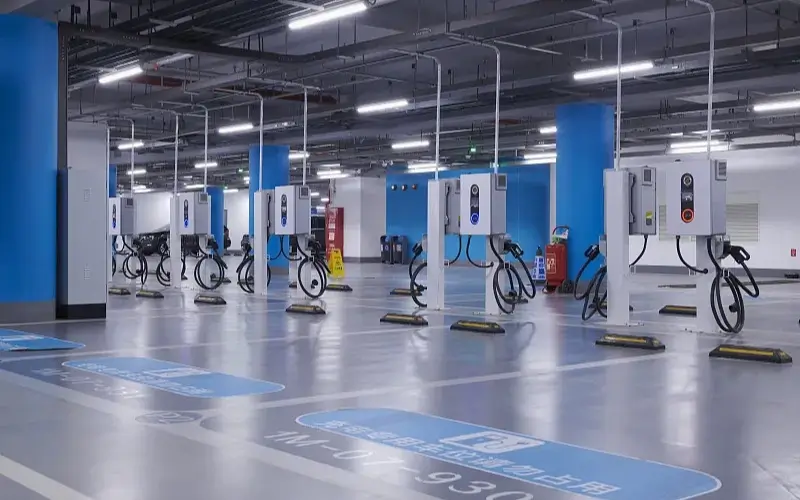
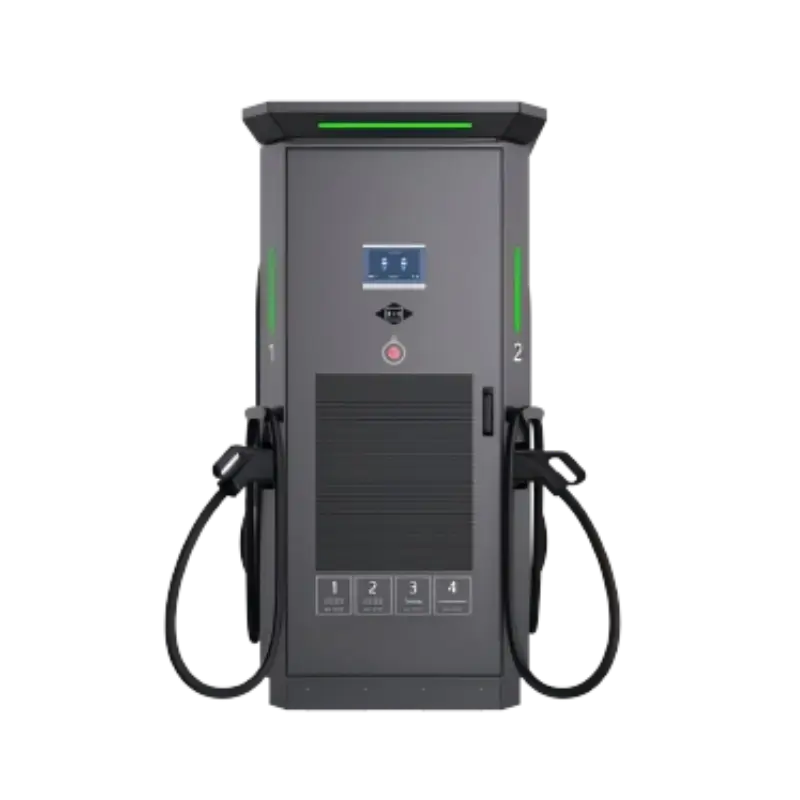
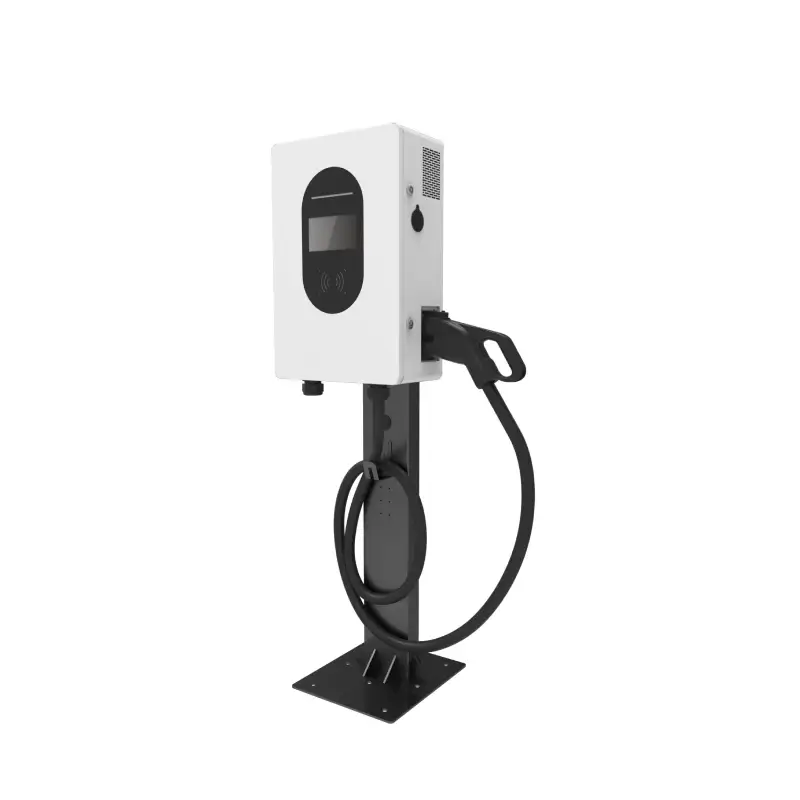
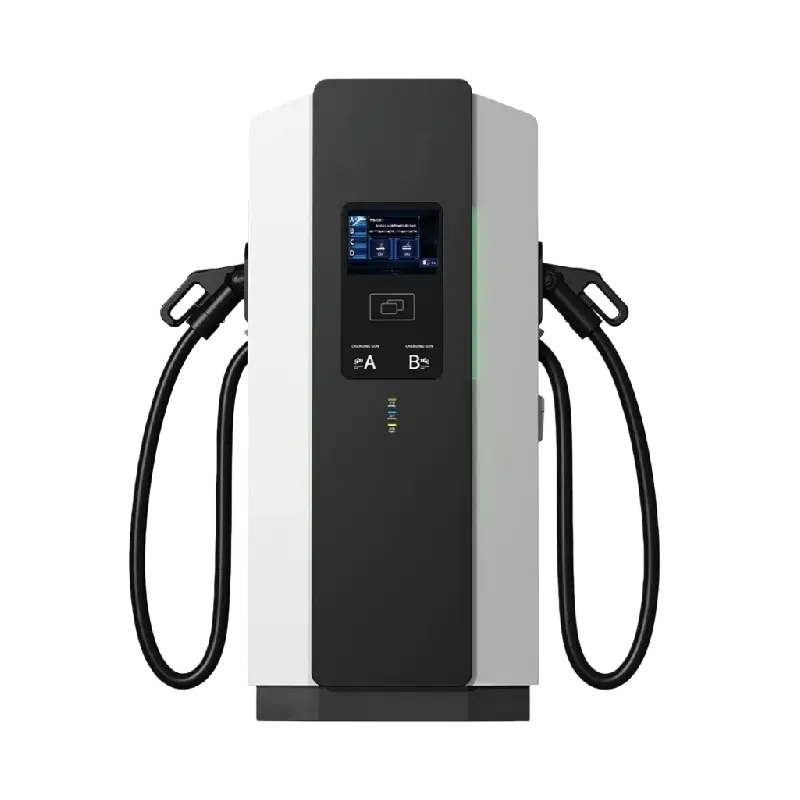
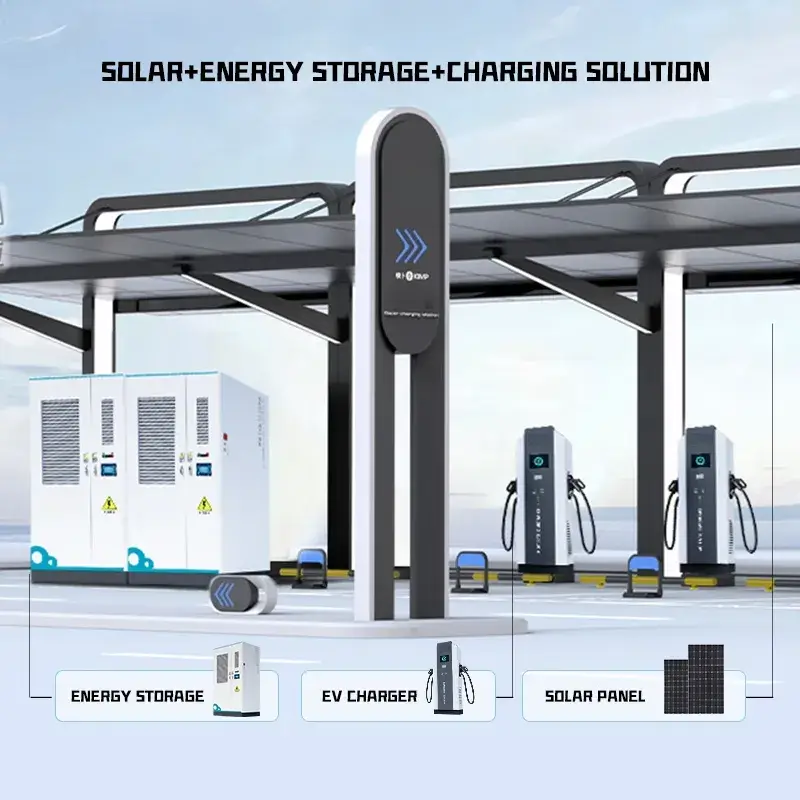
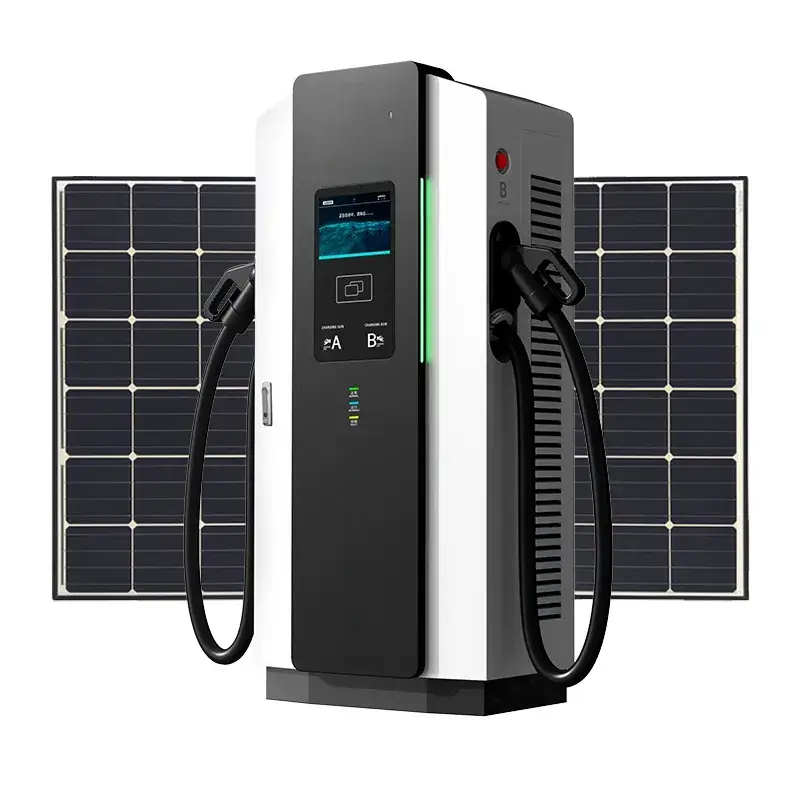
Meet the future of sustainable mobility. Our PV-supported DC Charging Station is a revolutionary solar DC charging station that seamlessly integrates photovoltaic (PV) generation, intelligent energy storage, and DC fast charging technology. More than just a DC fast charging station, this solar DC charger is a self-sufficient clean energy microgrid. By prioritizing solar power, optimizing energy storage use, and intelligently interacting with the grid, it provides a stable, economical, and zero-carbon EV DC Fast Charger solution for various locations. It significantly reduces operational costs and enhances environmental credentials.
Why Choose PV-supported EV DC Charging Station?
Solar Direct Supply & Power Generation
- Integrated high-efficiency PV panels convert sunlight directly into DC electricity during the day.
- The system prioritizes direct supply of generated solar power to the DC fast charger, charging EVs in real-time and maximizing green energy utilization.
Intelligent Energy Storage Buffering
- Features an integrated Energy Storage System (ESS) to store excess solar energy and low-cost electricity from the grid during off-peak hours.
- Ensures the DC Charging Station continues to operate at night, on cloudy days, or during grid outages by discharging stored energy from the ESS.
All-Weather Intelligent Power Delivery
- When there is no sunlight: The ESS automatically switches to power supply mode, ensuring the EV DC Fast Charger remains operational without interruption.
- During grid peak hours: The system intelligently dispatches stored energy to avoid high time-of-use electricity rates, drastically reducing power bills.
- This makes the station a highly autonomous and cost-optimized solar dc fast charger solution
Smart Energy Management & Grid Interaction
- At its core is an advanced Energy Management System (EMS) that dynamically coordinates the energy flow between PV, ESS, and the grid.
- When sunlight is abundant: PV powers the chargers while simultaneously charging the ESS.
- When sunlight is insufficient: ESS and grid power complement each other to supply the chargers.
- Future-ready: The platform supports V2G (Vehicle-to-Grid) technology, allowing energy from EV batteries to be fed back to the grid when needed, participating in grid peak shaving.
Parameter of PV-supported EV DC Charging Station
| Parameter | Specification |
|---|---|
| Models | 60kW/120kW / 160kW / 240kW / 320kW |
| Input Voltage | 400V AC (grid) + PV input 200–850V DC |
| Output Voltage | 200–1000V DC |
| Max Current | Up to 500A (model dependent) |
| Energy Storage | Optional LiFePO4 battery modules (200–400kWh) |
| Kühlung | Forced air or liquid cooling |
| Protection Level | IP54 / IK10 |
| Anzeige | 7–10” TFT LCD touchscreen |
| Authentication | RFID, NFC, Mobile App, PIN |
| Payment Options | Credit card, mobile wallet, PAX terminal |
| Zertifizierungen | CE, IEC 61851, DIN70121, ISO15118 |
Benefits of Choosing PV-supported EV DC Charging Station
Eco-Friendly Operation
By maximizing direct solar consumption and utilizing ESS for energy arbitrage, it fundamentally reduces reliance on grid-sourced fossil fuel electricity, offering clear long-term operational cost advantages.
Lower Operating Costs
By maximizing direct solar consumption and utilizing ESS for energy arbitrage, it fundamentally reduces reliance on grid-sourced fossil fuel electricity, offering clear long-term operational cost advantages.
Extremely Flexible Deployment
Suitable for grid-tied, off-grid, or hybrid modes. It enables the deployment of high-power DC Charging Stations at sites where grid expansion is difficult, enhancing overall power supply reliability.
Future-Proof Technology Platform
Not only compatible with major EV DC Charger standards like CCS2 and CHAdeMO, but its architecture also allows for future integration of smart grid functions like V2G, protecting your long-term investment.
Anmeldung

Residential, Office & Campus Complexes
Builds a community-level shared charging network. Utilizes unused rooftop space for generation, providing employees or residents with solar-powered EV DC Charger access, achieving energy prosumer integration.

Commercial Hubs & Public Charging Parks
Provide eco-friendly, low-carbon DC Fast Charging Station services for shopping malls, hotels, and tourist attractions. Attracts environmentally conscious EV drivers and elevates brand image.

Sustainable Fleet Operations
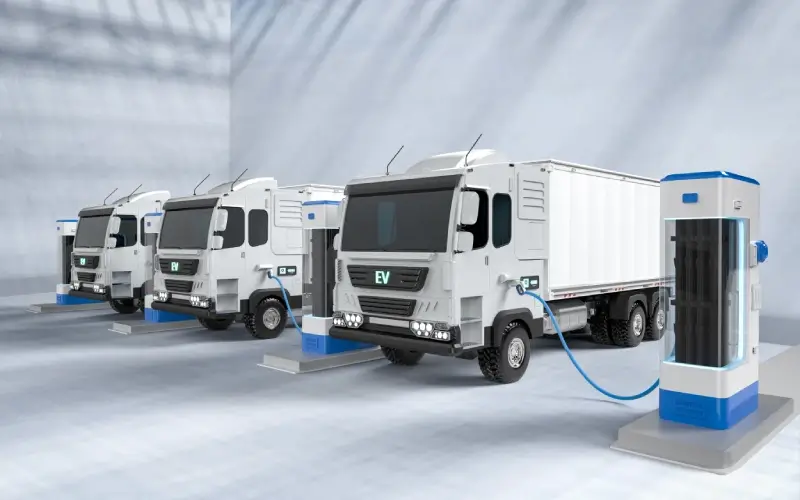
Establishes a green energy refueling point for electric buses, taxis, and logistics fleets. The solar DC Charging Station supplies most of the daytime operational power, enabling truly zero-emission transportation.

Weak-Grid or Off-Grid Locations
In areas with poor or costly grid access—such as remote highway sections, rural villages, or mining sites—the solar dc fast charger ensures charging service availability and reliability using local renewable energy.
Hilfe-Center
FAQ
1. Will the solar charging station work normally during consecutive cloudy days or at night?
Absolutely. This is the key role of the integrated Energy Storage System (ESS). When sunlight is insufficient, the system automatically switches to ESS power supply mode, ensuring the DC fast charger continues to operate. It also remains connected to the grid as a backup, creating a triple guarantee of “PV + ESS + Grid” for 24/7 uninterrupted service.
2. What is the typical Return on Investment (ROI) period for such a solar DC charging station?
The ROI period depends on local solar insolation, electricity pricing, and usage frequency. While the initial investment is higher than a standard station, significant savings on electricity bills (especially by avoiding peak rates), potential green energy incentives, and increased site attractiveness leading to additional charging revenue typically allow for cost recovery within several years, offering excellent long-term economics.
3. Can the system's energy management strategy be customized?
Yes. Our Energy Management System (EMS) is highly configurable. Operators can customize strategy priorities based on local time-of-use tariffs, load profiles, and operational goals—such as “prioritize solar self-consumption,” “maximize storage arbitrage,” or “guarantee charging power priority”—making this Solar DC Charging Station operate in a way that best aligns with your financial objectives.
4. Can the PV-supported EV DC Charging Station operate completely independent of the grid (off-grid mode)?
Yes. The system is designed for off-grid scenarios. With properly sized PV panels and ESS battery capacity, it can establish a fully independent microgrid to power the solar DC Charger. This provides irreplaceable value in remote areas without grid coverage, at temporary work sites, or for emergency power supply.
5. Will the charging power fluctuate due to variations in solar generation?
From the end-user’s experience, charging power is stable and guaranteed. The EMS performs intelligent dispatch: when solar energy is abundant, charging power comes from the PV; when it is insufficient, the system seamlessly supplements with power from the ESS or grid to ensure the output to the EV DC Fast Charger always meets the vehicle’s demand. The user will not perceive any fluctuations.
Leitfäden, die Sie brauchen könnten
Was ist der Unterschied zwischen Typ-1-, Typ-2- und Typ-3-EV-Ladekabeln?
As electric vehicles (EVs) continue to gain traction around the world, reliable and standardized EV charging accessories becomes essential. One area that often causes confusion—especially for new EV owners or
Wie wähle ich ein EV-Ladekabel aus?
If you’ve recently switched to an electric vehicle (EV), one of the first things you’ll need is a reliable EV charging cable. With many options on the market, it’s easy
Benutzen alle Elektroautos das gleiche EV-Ladekabel?
As electric vehicles (EVs) become more common, new owners often face a confusing question: Do all EVs use the same EV charging cable? As this is an issue that arises
Sicherheit von EV-Ladekabeln: Was Sie wissen müssen, um Schäden und Gefahren zu vermeiden
Electric vehicles (EVs) are changing how we think about mobility. But with the growth of EV ownership comes a serious responsibility—charging them safely. While many focus on the battery or