
Es ist schon komisch, wie wir heutzutage mit unseren Autos umgehen. Sie geben ein Vermögen für ein elegantes, futuristisches Elektrofahrzeug (EV) aus, das mit Bildschirmen und Sensoren ausgestattet ist, die wahrscheinlich mehr über Ihre Fahrgewohnheiten wissen als Sie selbst. Aber wenn es um das wichtigste Glied in der Kette geht - das, was das Auto tatsächlich zum Fahren bringt -, dann behandeln wir es wie einen alten Gartenschlauch. Der bescheidene EV-Ladekabel wird oft in den Kofferraum geworfen, durch Pfützen geschleppt oder in einer Ecke zusammengerollt liegen gelassen und verstaubt. Es ist ein nachträglicher Gedanke.
Aber die Sicherheit fängt schon bei diesem Kabel an. Es ist nicht nur ein dicker Draht, sondern eine Lebensader, die riesige Mengen an Energie überträgt, oft im Regen oder in der Sonne. Wenn man bedenkt, was diese Kabel täglich durchmachen, ist es erstaunlich, dass sie so lange halten. Wenn Sie ein Auge auf den Zustand Ihres EV-Ladekabels haben, geht es nicht nur darum, Geld für einen Ersatz zu sparen - auch wenn das hilfreich ist -, sondern auch darum, elektrische Störungen, Brände oder einfach nur die Frustration zu vermeiden, die entsteht, wenn Sie mit einem Auto aufwachen, das nicht geladen wird, weil der Stecker ein wenig fragwürdig ist.
Verstehen, was Sie tatsächlich halten
Wenn Sie das schwere Kabel in die Hand nehmen, kann es sich wie ein totes Gewicht anfühlen. Aber im Inneren ist eine Menge los. Es besteht nicht nur aus Kupfer, sondern aus Kommunikationsleitungen, die dem Auto sagen, wie viel Strom es aufnehmen soll, und dem Ladegerät mitteilen, wann es aufhören soll. Jedes Mal, wenn Sie den Stecker einstecken, findet ein Gespräch statt.
Die meisten Leute wissen nicht, dass es verschiedene Qualitäten und "Modi" von Kabeln gibt, und sie zu verwechseln oder das falsche Kabel für die jeweilige Situation zu verwenden, kann sehr gefährlich sein. Sie sehen vielleicht ein Kabel, das robust aussieht, aber wenn es nicht für die Stromstärke ausgelegt ist, die Ihr Auto ziehen soll, wird es schnell heiß. Hitze ist hier der Feind.
Es ist allgemein zu beobachten, dass die Leute durch die "Modi" verwirrt werden. Es lohnt sich, sie aufzuschlüsseln, damit Sie wissen, was Sie vor sich haben, wenn Sie den Kofferraum öffnen.
Tabelle 1: Gängige Ladekabel-Modi und typische Anwendungsfälle
| Modus Typ | So sieht es normalerweise aus | Typisches Szenario | Sicherheitsstufe |
|---|---|---|---|
| Modus 2 | Kabel mit einer In-Line Control Box (ICCB) in der Mitte. | Anschließen an eine normale Haushaltssteckdose ("Oma-Laden"). | Sicher für den gelegentlichen Gebrauch oder für Notfälle, aber Haushaltssteckdosen können die langfristige Zuverlässigkeit einschränken. |
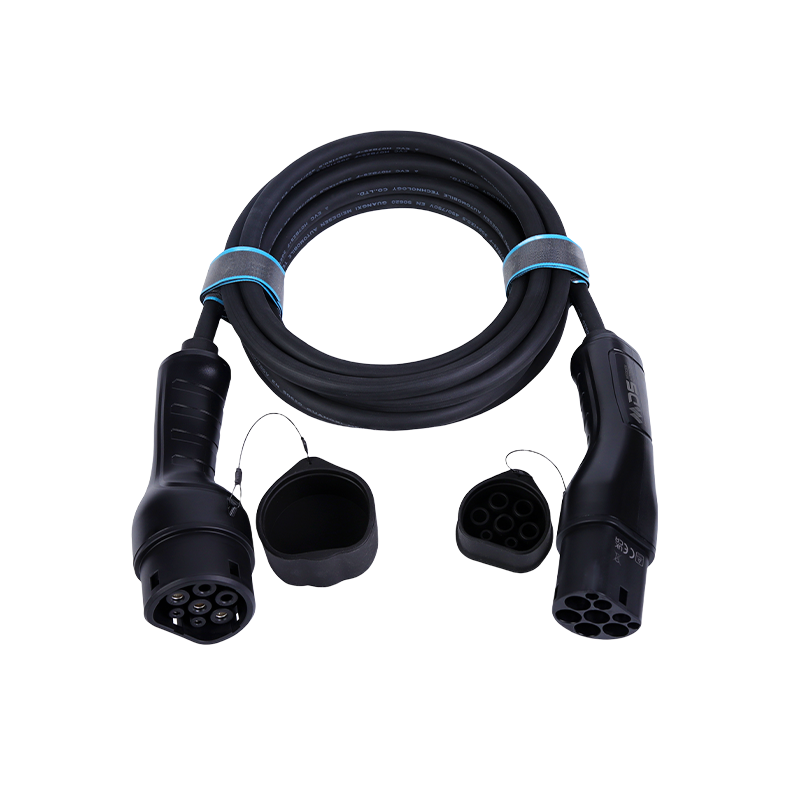
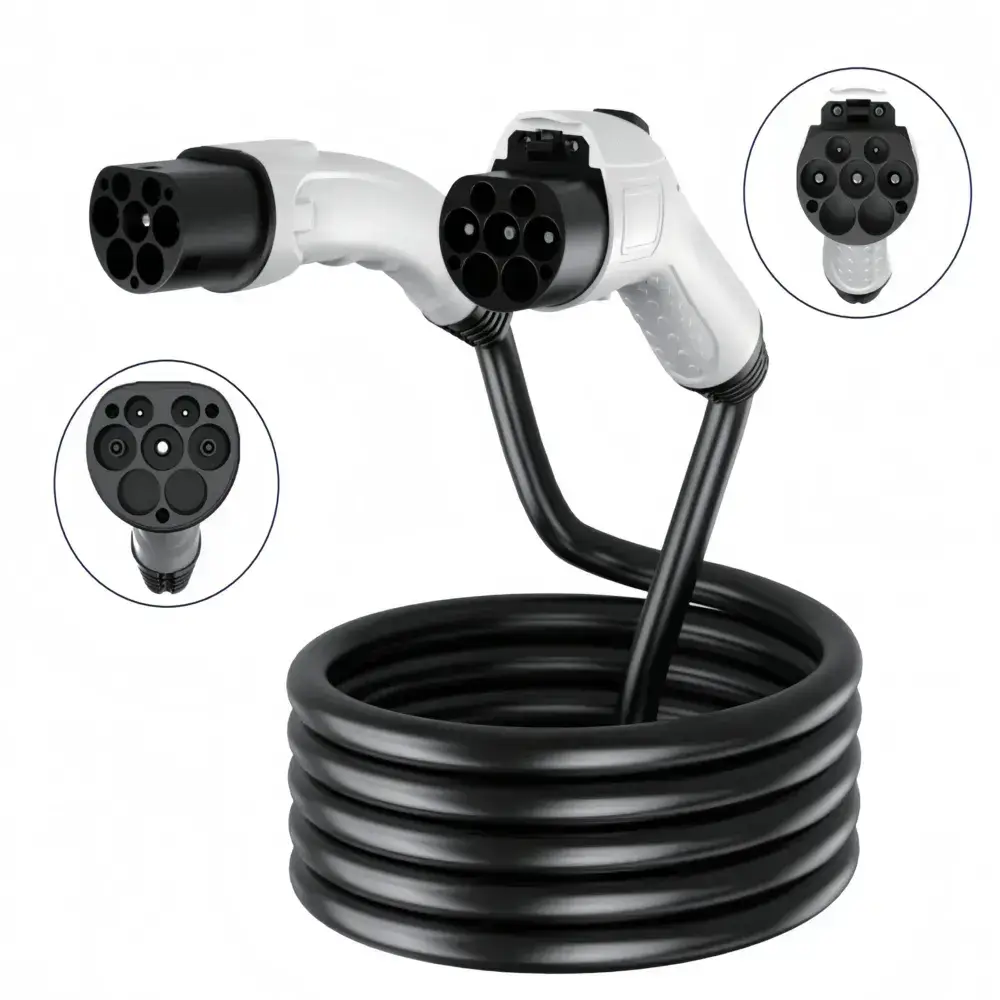
| Modus 3 | Kein Schaltkasten; Steckverbinder an beiden Enden (in der Regel Typ 2 auf Typ 2). | Öffentliche AC-Ladestationen oder ungebundene Wallboxen zu Hause. | Industriestandard für AC-Laden. Hohes Sicherheitsniveau durch Kommunikation zwischen Ladegerät und Fahrzeug vor der Stromabgabe. |
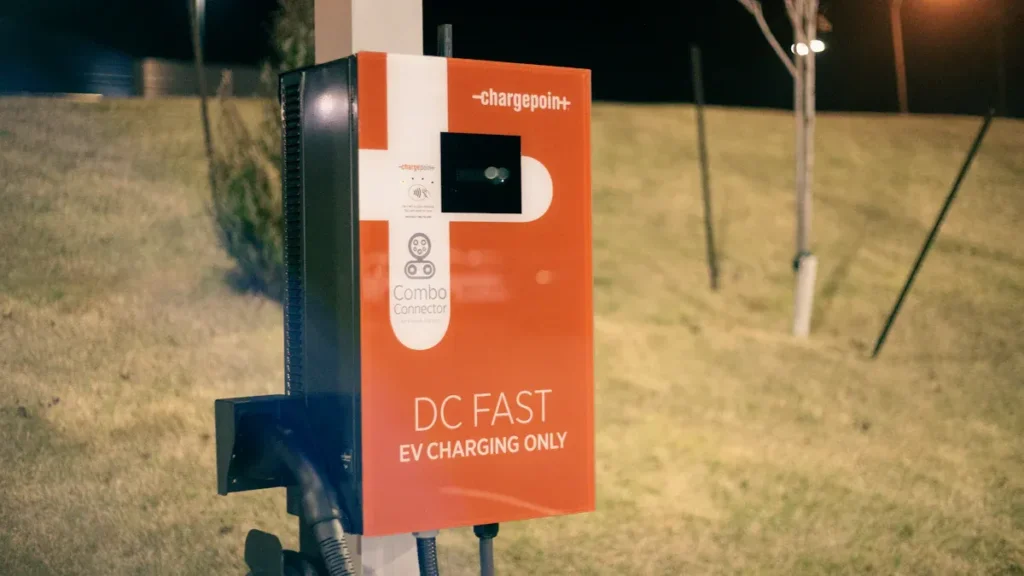
| Modus 4 | Dickes, fest angeschlossenes Kabel, das mit der Ladestation verbunden ist. | DC-Schnellladestationen (z. B. an Autobahnraststätten). | Bewältigt extrem hohe Leistungsstufen, wobei fortschrittliche stationäre Steuerungs- und Kühlsysteme einen sicheren Betrieb gewährleisten. |
Man sieht häufig Mode-2-Kabel, die im Alltag verwendet werden (die mit dem Haushaltsstecker), und ehrlich gesagt, hier kommen viele Sicherheitsbedenken ins Spiel. Haushaltssteckdosen sind nicht wirklich dafür ausgelegt, 10 Stunden am Stück, Tag für Tag, auf Hochtouren zu laufen.
Der physische Tribut: Verschleiß, Abnutzung und Missbrauch
Es besteht die Tendenz zu glauben, dass diese Dinger unbesiegbar sind, weil sie gummiert und klobig sind. Das sind sie aber nicht. Wenn Sie eine öffentliche Ladestation besuchen, sehen Sie sich einfach die Kabel an. Sie werden Schrammen, Schnitte und manchmal Kabel sehen, die aussehen, als seien sie angekaut worden.
Eine EV-Ladekabel hat ein hartes Leben. Es wird auf Beton fallen gelassen. Er wird über Schotter geschleift. Und das schlimmste Vergehen? Überfahren zu werden. Das passiert öfter, als man denkt. Man fährt in die Einfahrt, das Kabel liegt da, und man denkt: "Das wird schon wieder."
Aber innerhalb dieser dicken Isolierung können die Kupferlitzen gequetscht werden oder brechen, ohne dass es von außen allzu schlimm aussieht. Dadurch entsteht ein "Hotspot". Wenn Strom versucht, sich durch das beschädigte Kupfer zu quetschen, erzeugt er Wärme - manchmal so viel, dass die Isolierung von innen nach außen schmilzt.
Erkennen der Warnzeichen
Um ein defektes Kabel zu erkennen, muss man normalerweise kein Elektriker sein. Man muss nur aufmerksam sein.
- Der Berührungstest: Fühlen Sie nach einer Weile des Ladens die Stecker und das Kabel selbst. Warm ist in Ordnung, heiß anzufassen nicht. Wenn sich das Plastik weich anfühlt oder nach verbrannter Elektronik riecht, sollten Sie es sofort nicht mehr verwenden.
- Verfärbung: Sehen Sie sich die Stifte (die Metallteile im Inneren des Steckers) an. Glänzen sie aus Messing/Silber oder sehen sie geschwärzt oder rostig aus? Schwarze Flecken bedeuten normalerweise Lichtbogenbildung oder Überhitzung.
- Die Jacke: Suchen Sie nach Schnitten. Wenn ein farbiger Draht (blau, braun, gelb/grün) durch den schwarzen Außenmantel hindurchschaut, ist das EV-Ladekabel hinüber. Es ist das Risiko nicht wert.
Das "Spulen"-Problem und Überhitzung
Hier ist etwas, das nicht intuitiv erscheint. Sie wollen Ihr Kabel ordentlich halten, also halten Sie es aufgerollt, richtig? Aber ein Ladekabel zu verwenden, während es noch fest aufgerollt ist - wie ein aufgewickeltes Verlängerungskabel - ist eine schlechte Idee.
Wenn Strom durch einen gewickelten Draht fließt, erzeugt er ein Magnetfeld (Induktion), das Wärme speichert. Ein gewickeltes Kabel kann sich nicht abkühlen. Es sitzt da und wird immer heißer. Wir haben schon Fälle erlebt, in denen die Isolierung zusammengeschmolzen ist, weil das Kabel in einer engen Schleife belassen wurde, während es 32 Ampere zog. Es ist immer besser, es auszurollen, auch wenn es auf der Auffahrt etwas unordentlich aussieht. Lassen Sie es atmen.
Wasser, Wetter und Besorgnis
"Kann ich im Regen laden?" ist wahrscheinlich die erste Frage, die jeder stellt. Die Antwort lautet ja, so gut wie immer. Die Anschlüsse sind wasserdicht im eingesteckten Zustand. Aber - und das ist ein großes Aber - es sind keine U-Boote.
Wenn Sie die Schutzkappe vom Ende Ihres EV-Ladekabels abnehmen und es in eine Pfütze fallen lassen, gelangt Wasser in die Stifte. Dann schließen Sie es an Ihr Auto an. Jetzt überbrückt das Wasser die Anschlüsse. Im besten Fall stellt das Auto einen Fehler fest und verweigert den Ladevorgang. Im schlimmsten Fall kommt es zu Korrosion, die den Ladeanschluss des Autos mit der Zeit ruiniert.
Es ist hilfreich, sich die Anschlüsse wie eine Zapfpistole vorzustellen: Sie würden eine Zapfpistole nicht in den Schlamm fallen lassen und sie dann in den Tank stecken.
Aufbewahrungsgewohnheiten: Der Stiefel Spaghetti
Lassen Sie uns über den Kofferraum sprechen. Meistens wird das Kabel dort einfach hineingeworfen, zusammen mit wiederverwendbaren Einkaufstaschen, Sportzeug und vielleicht einem schlammigen Regenschirm.
Eine ordnungsgemäße Aufbewahrung schützt das Kabel vor scharfen Gegenständen und hält die Stifte sauber. Eine einfache Tasche oder ein Klettband machen einen großen Unterschied. Wenn das Kabel lose ist, rutscht es herum. Die schweren Stecker stoßen gegen die Seiten des Autos oder gegeneinander. Das ist ein langsamer Tod durch tausend Stöße.
Vermeiden Sie außerdem enge Biegungen. Wenn Sie das Kabel zu eng um Ihren Ellenbogen wickeln (wie man es mit Seilen macht), belasten Sie die Verbindung, wo das Kabel in den Stecker eintritt. Das schafft eine Schwachstelle. Große, lockere Schlaufen sind der richtige Weg.
Kauf eines Ersatzgeräts: Nicht zu billig sein
Irgendwann brauchen Sie vielleicht ein neues Kabel. Vielleicht brauchen Sie ein längeres Ladekabel, weil die öffentlichen Ladestationen blockiert sind, oder Sie brauchen ein Ersatzkabel. Der Markt ist überschwemmt mit Optionen, und es ist verlockend, nur nach dem "niedrigsten Preis" zu suchen.
Das ist riskant. Billige Kabel geben vielleicht an, für 32 A ausgelegt zu sein, aber sie verwenden vielleicht dünneres Kupfer, um Geld zu sparen. Sie werden heiß. Sie verfügen möglicherweise nicht über die entsprechenden TÜV- oder CE-Zertifizierungen. Dies ist eine der Anschaffungen, bei denen der Grundsatz "Wer billig kauft, kauft zweimal" wirklich zutrifft, außer dass ein billiger Kauf hier auch bedeuten könnte, dass das integrierte Ladegerät Ihres Autos beschädigt wird.
Wenn Sie ein Kabel suchen, müssen Sie es auf die Fähigkeiten Ihres Autos abstimmen, aber der Kauf von "oben" ist normalerweise in Ordnung.

Kauf eines Ersatzgeräts: Nicht zu billig sein
Irgendwann brauchen Sie vielleicht ein neues Kabel. Vielleicht brauchen Sie ein längeres Ladekabel, weil die öffentlichen Ladestationen blockiert sind, oder Sie brauchen ein Ersatzkabel. Der Markt ist überschwemmt mit Optionen, und es ist verlockend, nur nach dem "niedrigsten Preis" zu suchen.
Das ist riskant. Billige Kabel geben vielleicht an, für 32 A ausgelegt zu sein, aber sie verwenden vielleicht dünneres Kupfer, um Geld zu sparen. Sie werden heiß. Sie verfügen möglicherweise nicht über die entsprechenden TÜV- oder CE-Zertifizierungen. Dies ist eine der Anschaffungen, bei denen der Grundsatz "Wer billig kauft, kauft zweimal" wirklich zutrifft, außer dass ein billiger Kauf hier auch bedeuten könnte, dass das integrierte Ladegerät Ihres Autos beschädigt wird.
Wenn Sie ein Kabel suchen, müssen Sie es auf die Fähigkeiten Ihres Autos abstimmen, aber der Kauf von "oben" ist normalerweise in Ordnung.
Tabelle 2: Auswahl der richtigen Stromstärke und Phase
Das Ladegerät Ihres Autos | Kabel zum Kaufen | Ergebnis |
7kW (einphasig) | 16A / 3.6kW Kabel | Zu langsam. Sie sind dabei, das Auto in die Enge zu treiben. |
7kW (einphasig) | 32A / 7kW Kabel | Perfekt. Entspricht der Höchstgeschwindigkeit. |
7kW (einphasig) | 32A / 22kW (3-Phasen) | Gut. Es funktioniert, aber das Kabel ist schwerer und steifer, als man es braucht. |
11kW oder 22kW (3-Phasen) | 32A / 7kW (1-Phase) | Langsam. Sie laden nur mit 7 kW und verschenken damit das Potenzial des Fahrzeugs. |
Im Grunde genommen ist eine 3-Phasen EV-Ladekabel (in der Regel dicker) kann ein einphasiges Auto aufladen, aber ein einphasiges Kabel kann ein dreiphasiges Auto nicht schnell aufladen. Es ist sicherer, das Kabel mit dem höheren Nennwert zu nehmen, wenn Sie unsicher sind, vorausgesetzt, das zusätzliche Gewicht stört Sie nicht.
Checkliste für die routinemäßige Wartung
Sie müssen nicht zwanghaft vorgehen, aber ein kurzer Check einmal im Monat ist gut.
- Reinigen Sie die Kontakte: Verwenden Sie ein trockenes Tuch. Bei Verschmutzungen vielleicht etwas Kontaktreiniger, aber lassen Sie es vollständig trocknen.
- Überprüfen Sie die Kappen: Haben Sie noch die Staubschutzkappen? Wenn nicht, besorgen Sie sich welche. Sie halten das Ungeziefer fern. Spinnen lieben diese kleinen Nadellöcher aus irgendeinem Grund.
- Überprüfen Sie die Zugentlastung: Das ist der gummiartige Teil, wo das Kabel auf den Stecker trifft. Wenn es sich löst oder reißt, stehen die internen Drähte unter Stress.
Ein Hinweis zu Verlängerungskabeln
Wir haben es alle schon gesehen. Jemand hängt ein Verlängerungskabel aus einem Fenster im zweiten Stock, um ein Auto auf der Straße aufzuladen. Es sieht schäbig aus, weil es schäbig ist. Haushaltsübliche Verlängerungskabel sind nicht für die hohe Dauerleistung eines Elektroautos ausgelegt. Sie können überhitzen und Feuer fangen.
Wenn Sie unbedingt eine Reichweite von 100% verlängern müssen, brauchen Sie ein hochbelastbares, spezielles EV-Verlängerungskabel mit wasserdichten Steckern, nicht das orangefarbene Ding, das Sie für den Rasenmäher verwenden. Aber versuchen Sie wirklich, es zu vermeiden. Es erhöht den Widerstand und die Fehleranfälligkeit.
FAQ
Kann ich wegfahren, während das Ladekabel noch eingesteckt ist?
Im Allgemeinen nicht. Fast alle modernen E-Fahrzeuge haben eine Sicherheitsverriegelung, die das Kabel im Anschluss verriegelt und den Antrieb des Fahrzeugs während des Ladevorgangs deaktiviert. Sie können das Auto nicht in den "Drive"-Modus versetzen. Wenn dieser Verriegelungsmechanismus jedoch versagt oder gebrochen ist, ist es theoretisch möglich, dass der Anschluss und das Ladegerät massiv beschädigt werden. Das ist zwar selten, aber in der Regel ist die Fahrzeugsoftware in diesem Fall die Ausfallsicherung.
Mein Kabel wird im Winter sehr steif, ist das gefährlich?
Das ist an sich nicht gefährlich, aber es erschwert die Handhabung des Kabels. Bei billigeren Kabeln wird häufig eine PVC-Isolierung verwendet, die sich bei Frost in starren Kunststoff verwandelt. Dadurch wird es wahrscheinlicher, dass die Isolierung bricht, wenn Sie versuchen, sie mit Gewalt zu einer engen Wicklung zu formen. Bessere Kabel verwenden Gummi oder spezielle TPU-Materialien, die auch bei Kälte flexibel bleiben. Wenn das Kabel steif ist, gehen Sie behutsam damit um; zwingen Sie es nicht, sich stark zu biegen, sonst könnte der Außenmantel reißen.
Ist es sicher, mein Ladekabel in der Wallbox stecken zu lassen, wenn ich das Auto nicht auflade?
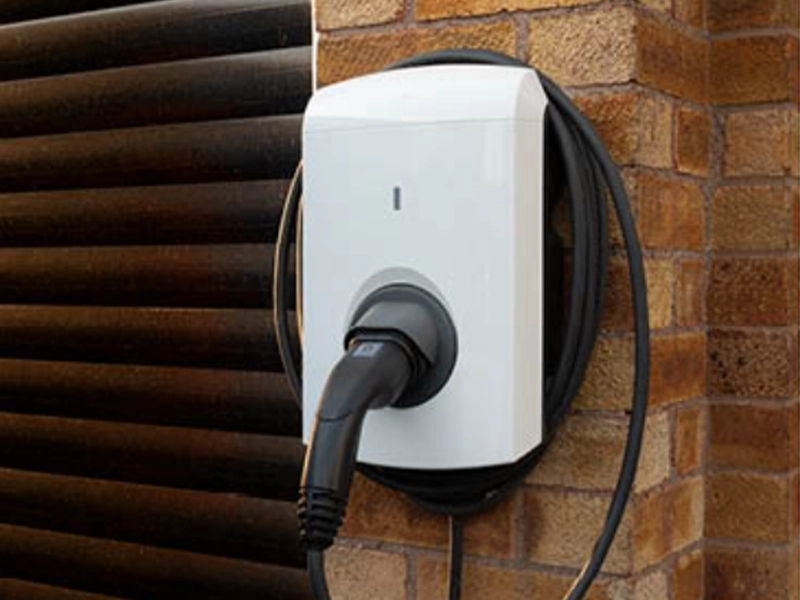
Ja, es ist in der Regel in Ordnung, die EV-Ladekabel an Ihr Heimgerät angeschlossen werden (wodurch eine "kabelgebundene" Einrichtung entsteht). Achten Sie jedoch darauf, dass der Stecker am Auto geschützt ist. Lassen Sie ihn nicht auf dem nassen Boden liegen. Besorgen Sie sich eine Wandhalterung oder eine Steckdosenattrappe, in die Sie das lose Ende einstecken. So wird die Feuchtigkeit von den Stiften ferngehalten und Sie können nicht darüber stolpern. Wenn es unter Strom steht, sollte es nicht auf dem Boden liegen.


 German
  English
  Spanish
  Portuguese
  French
  Russian
  Italian