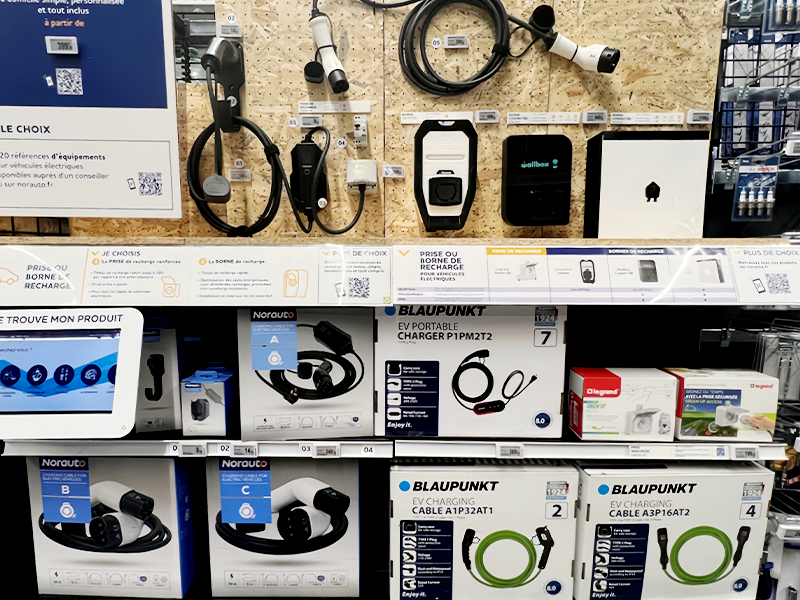
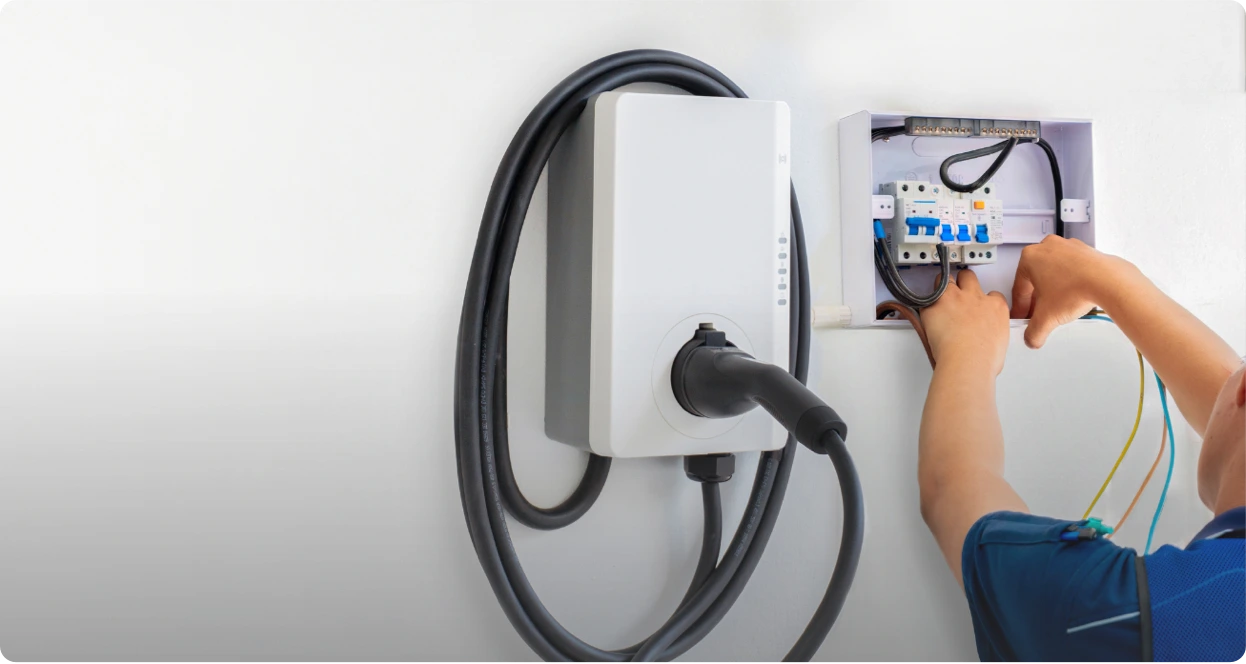
Es gibt wohl nichts Ärgerlicheres beim modernen Autofahren, als ein Fahrzeug einzustöpseln, zu erwarten, dass die Batterie am Morgen voll ist, und dann aufzuwachen und festzustellen, dass sich die Reichweite keinen Zentimeter bewegt hat. Das ist ein mulmiges Gefühl. Technologie ist großartig, wenn sie funktioniert, aber wenn ein EV-Ladegerät funktioniert, fühlt es sich wie ein sehr teurer Briefbeschwerer an. Für die Fehlersuche bei diesen Geräten braucht man nicht immer einen Abschluss in Elektrotechnik; manchmal geht es nur darum, die Grundlagen zu prüfen und die dummen Dinge zuerst auszuschließen.
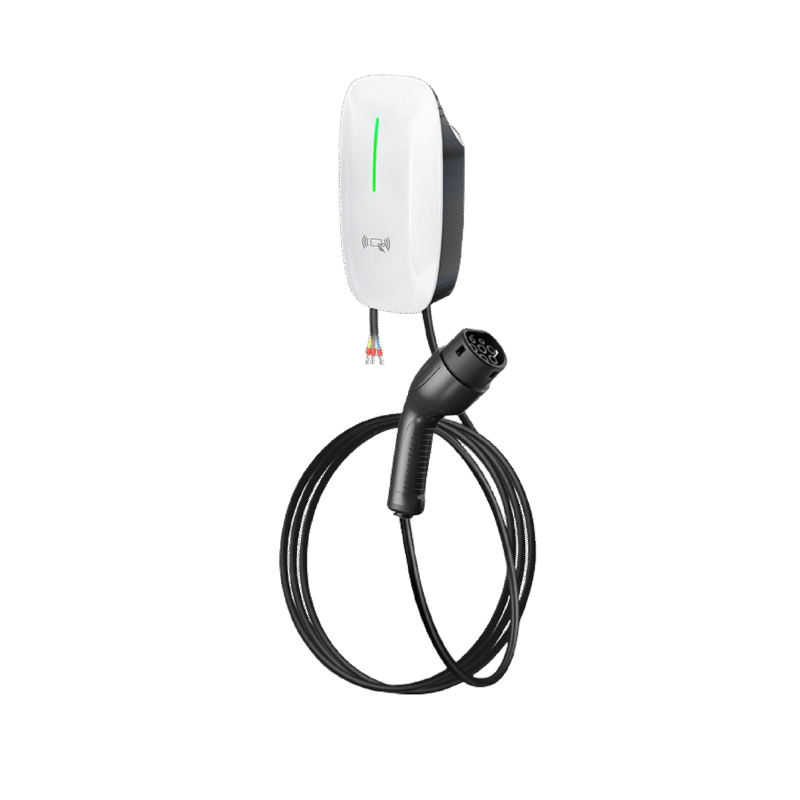
Überprüfung des physischen Zustands des EV-Ladegeräts
Bevor man sich mit Apps beschäftigt oder den Kundendienst anruft, ist eine Sichtprüfung in der Regel der beste Anfang. Oft wird festgestellt, dass das Problem eher physisch als digital ist. Die Geräte nutzen sich ab, insbesondere wenn sie im Freien installiert und den Elementen ausgesetzt sind.
Achten Sie auf offensichtliche Anzeichen von Abnutzung und Verschleiß. Ist das Kabel verdreht oder sieht es ein wenig ausgefranst aus? Manchmal fällt der Stecker - das Düsenteil - herunter, und die kleinen Stifte im Inneren können verbogen oder mit Schmutz gefüllt werden. Wenn das Auto und das Gerät keine feste physische Verbindung herstellen können, fließt der Strom einfach nicht mehr.
- Prüfen Sie den Unterbrecher: Es klingt offensichtlich, aber Unterbrecher lösen aus. Wenn das Gerät überhaupt nicht leuchtet, ist die Hauptschalttafel im Haus der erste Verdächtige.
- Überprüfen Sie das Holster: Schmutz, Spinnweben oder Wasser können sich im Steckerkopf festsetzen und die Anschlussstifte blockieren.
- Suchen Sie nach Knickstellen: Ein Kabel, das wiederholt überfahren wurde, kann innere Schäden aufweisen, die von außen nicht sichtbar sind.
Entschlüsselung der Lichter am EV-Ladegerät
Fast jedes Gerät hat eine Art LED-Statusanzeige. Sie blinken, pulsieren oder leuchten in unheimlichen Farben wie Rot oder Gelb. Zwar hat jeder Hersteller seinen eigenen "Geheimcode" für die Bedeutung dieser Lichter, doch gibt es einige universelle Standards, die für die meisten Marken gelten.
Im Grunde versucht das Gerät, mit dem Benutzer zu kommunizieren. Ein durchgehendes Grün bedeutet in der Regel "bereit", ein pulsierendes Grün bedeutet "in Betrieb". Wenn die Anzeige rot leuchtet, sollten Sie das Handbuch zur Fehlerbehebung zur Hand nehmen.
Hier ist eine allgemeine Aufschlüsselung dessen, was die Lichtsequenzen oft bedeuten:
| Lichtstatus | Gemeinsame Bedeutung | Vorgeschlagene Aktion |
|---|---|---|
| Einfarbig grün/blau | Bereitschaft / Standby | Schließen Sie das Fahrzeug an. |
| Pulsierendes Grün | Aufladung Aktiv | Keine Maßnahmen erforderlich; das System funktioniert. |
| Festes Rot | Systemstörung / Fehler | Setzen Sie den Unterbrecher zurück oder ziehen Sie den Netzstecker des Geräts. |
| Rot blinkend | Erdschluss / Sicherheit | Überprüfen Sie das Kabel auf Schäden; rufen Sie einen Elektriker. |
| Gelb/Bernstein | Wi-Fi / Konnektivitätsproblem | Überprüfen Sie die Einstellungen des Internet-Routers oder der App. |
Konnektivitäts- und Software-Probleme mit dem EV-Ladegerät
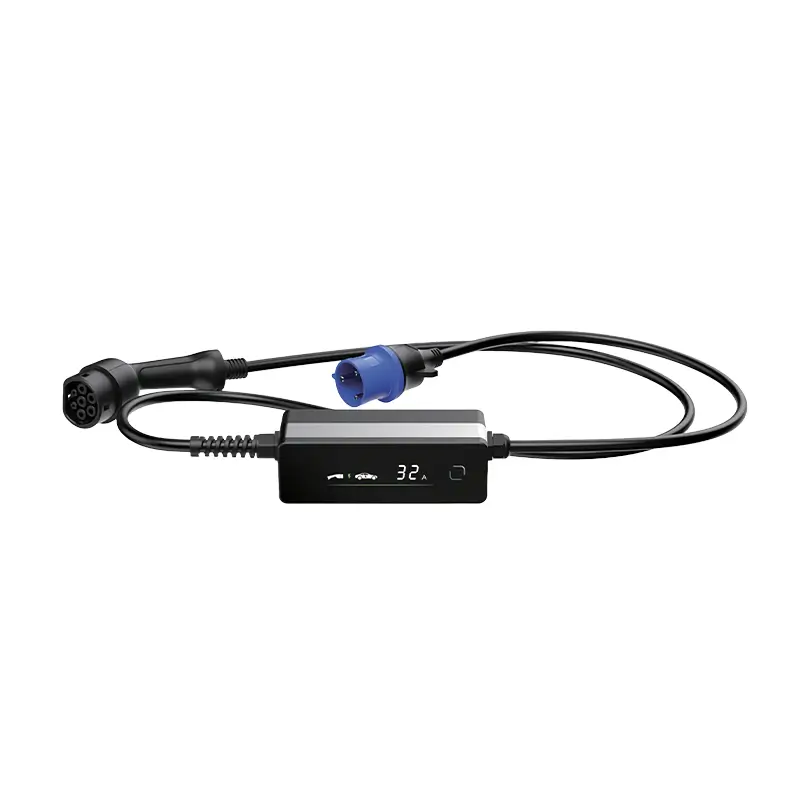
In der heutigen Zeit muss alles "intelligent" sein, auch das moderne tragbare Ladegerät. Die Möglichkeit, den Energieverbrauch über das Telefon zu verfolgen, ist zwar cool, aber sie macht die Sache noch komplexer. Oft ist ein tragbares EV-Ladegerät elektrisch einwandfrei funktioniert, aber die Verbindung zum Wi-Fi- oder Mobilfunknetz unterbrochen wurde oder die Begleit-App einfach nicht mehr funktioniert.
Wenn das tragbare E-Ladegerät "offline" geht, kann es je nach Konfiguration als Sicherheitsmaßnahme nicht mehr laden. Es ist ähnlich wie bei einem Router: Egal ob es sich um eine Heimstation oder ein kompaktes tragbares Gerät handelt, manchmal braucht das gesamte System nur einen einfachen Neustart, um eine stabile Verbindung herzustellen und den normalen Betrieb wieder aufzunehmen.
Durchführen eines Hard-Resets
Ausschalten und wieder einschalten ist nicht umsonst ein Klischee: Es funktioniert.
- Ziehen Sie den Stecker aus dem Fahrzeug.
- Schalten Sie den Unterbrecher an der Schalttafel auf "OFF".
- Warten Sie etwa zwei bis drei Minuten (lassen Sie die Kondensatoren entladen).
- Schalten Sie den Unterbrecher wieder ein und warten Sie, bis das EV-Ladegerät hochgefahren ist.
Liegt das Problem am Auto oder am Ladegerät?
An dieser Stelle wird es knifflig. Manchmal ist das Ladegerät völlig in Ordnung, aber das Auto verweigert den Strom. Das Fahrzeug verfügt über einen eigenen Bordcomputer, der vorgibt, wie viel Strom zu entnehmen ist. Wenn das Auto einen Timer für "planmäßiges Laden" auf 2:00 Uhr morgens eingestellt hat, wird es um 6:00 Uhr abends nicht laden, selbst wenn der Stecker eingesteckt ist.
Prüfen Sie die Einstellungen im Armaturenbrett des Fahrzeugs. Vergewissern Sie sich, dass "Sofort aufladen" ausgewählt ist. Wenn möglich, kann man das Problem schnell eingrenzen, indem man das Fahrzeug an einer anderen öffentlichen Station oder am Gerät eines Nachbarn testet. Wenn das Auto anderswo aufgeladen wird, liegt das Problem bei der Heimstation. Ist dies nicht der Fall, liegt das Problem beim Fahrzeug.
FAQ
Kann ich ein beschädigtes EV-Ladekabel selbst reparieren?
Im Allgemeinen nein. Es ist nicht sicher, Hochspannungskabel, die für Elektrofahrzeuge verwendet werden, zu spleißen oder mit Klebeband zu versehen. Wenn das Kabel durchgeschnitten oder ausgefranst ist oder die Isolierung beschädigt ist, muss in der Regel die gesamte Kabelbaugruppe von einem Fachmann ausgetauscht werden, um Brandgefahren oder Stromschläge zu vermeiden.
Warum klickt mein Ladegerät, aber der Ladevorgang beginnt nicht?
Das Klickgeräusch ist in der Regel der Versuch der internen Schütze, den Stromkreis zu schließen. Wenn es klickt und dann stoppt oder einen Fehler anzeigt, bedeutet dies oft, dass der "Handshake" zwischen dem Auto und dem Ladegerät fehlgeschlagen ist - wahrscheinlich aufgrund eines Erdschlusses oder eines Kommunikationsfehlers zwischen dem Stecker und dem Anschluss.
Wird das Ladegerät bei extremer Hitze nicht mehr funktionieren?
Ja, das kann sie. Sowohl das Ladegerät als auch das Auto haben Wärmesensoren. Wenn die Geräte in direktem, sengendem Sonnenlicht stehen, drosseln sie möglicherweise die Geschwindigkeit oder schalten sich ganz ab, um die Elektronik vor Überhitzung zu schützen.