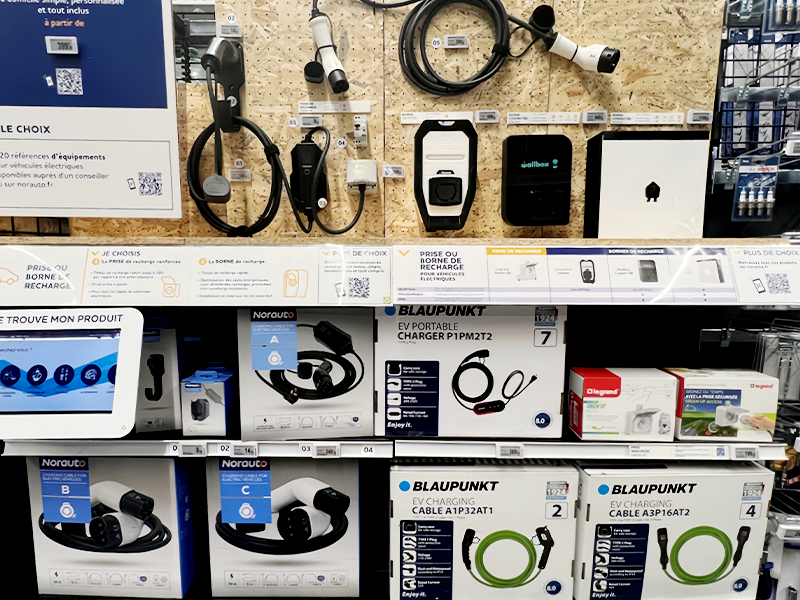
Muito se tem falado sobre veículos eléctricos nos últimos anos. Mas o que é muitas vezes ignorado - até que alguém possua um veículo elétrico e comece a andar na estrada - é o que está por trás do carregador. A parte visível é apenas a ponta. A verdadeira história de como Infra-estruturas de carregamento de veículos eléctricos O funcionamento envolve redes eléctricas, plataformas de software, licenças e uma boa dose de espera até que as empresas de serviços públicos façam o que têm a fazer.
Este é um olhar sobre como tudo se encaixa, com base em observações de sítios que passaram pelo processo.
As três camadas da infraestrutura de carregamento de veículos eléctricos
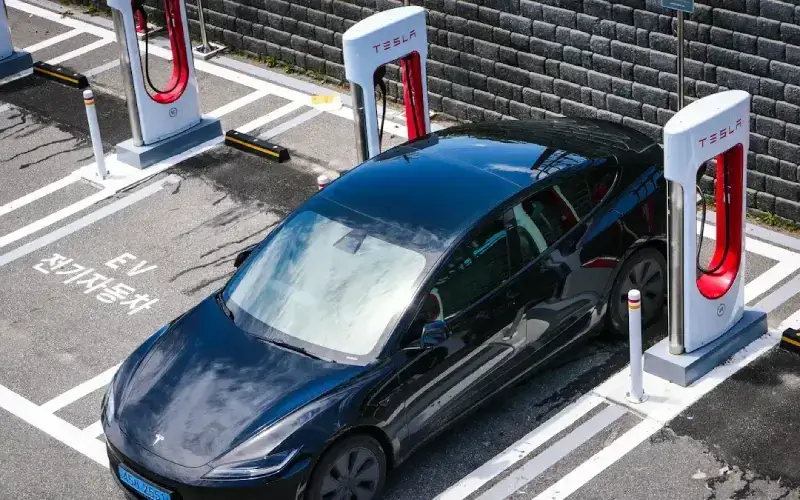
Quando as pessoas ouvem "estação de carregamento", normalmente imaginam a própria unidade. Mas, na realidade, é apenas uma peça. A infraestrutura de carregamento de veículos eléctricos pode ser dividida em três camadas que têm de funcionar em conjunto.
Hardware - O carregador
É isto que os condutores vêem. Um armário com um cabo, um conetor, talvez um ecrã. Mas no interior, há sistemas de arrefecimento, contactores, módulos de potência e placas de comunicação. Nem todo o hardware é criado da mesma forma. Algumas unidades são construídas para corredores de autoestrada e funcionam 24 horas por dia, 7 dias por semana; outras são mais básicas. A diferença de fiabilidade é notória.
Software - A rede
Quase todos os carregadores públicos estão ligados a uma rede. Essa rede gere a autenticação (a forma como o condutor inicia a sessão), a faturação, a monitorização remota e as actualizações over-the-air. Quando um carregador está offline, trata-se normalmente de um problema de software e não de uma falha de hardware. Muitas vezes, o operador de rede consegue ver o problema antes de alguém o comunicar - se a configuração for efectuada corretamente.
Infraestrutura eléctrica - A fonte de energia
Esta é a parte que é subestimada. Um carregador rápido necessita de uma grande quantidade de energia. Isso significa transformadores a montante, comutadores e serviços de utilidade pública que possam suportar a carga. Se a rede local for fraca, todo o projeto fica paralisado. Esta camada é a mais difícil de alterar depois de o local estar construído.
Como é que a energia chega efetivamente ao carregador
É fácil assumir que um carregador se liga simplesmente à corrente eléctrica existente. Isso é verdade para uma unidade de Nível 2 em casa de alguém. Mas para o carregamento rápido público, a infraestrutura de carregamento de veículos eléctricos requer o envolvimento dos serviços públicos.
O lado utilitário
O processo é normalmente o seguinte:
1. Um promotor de um sítio solicita um serviço à empresa de serviços públicos.
2. A empresa de serviços públicos estuda a capacidade da rede existente.
3. Se a capacidade for suficiente, é emitido um calendário para a instalação. Se não for, são necessárias actualizações - e estas demoram tempo.
4. Um transformador é instalado (ou melhorado), os contadores são colocados e, finalmente, a energia é ligada.
Uma coisa que se tornou clara: o calendário dos serviços públicos é quase sempre a parte mais longa do projeto. É comum que seja de seis meses a um ano. Por vezes, mais tempo se houver falta de transformadores.
Distribuição no local
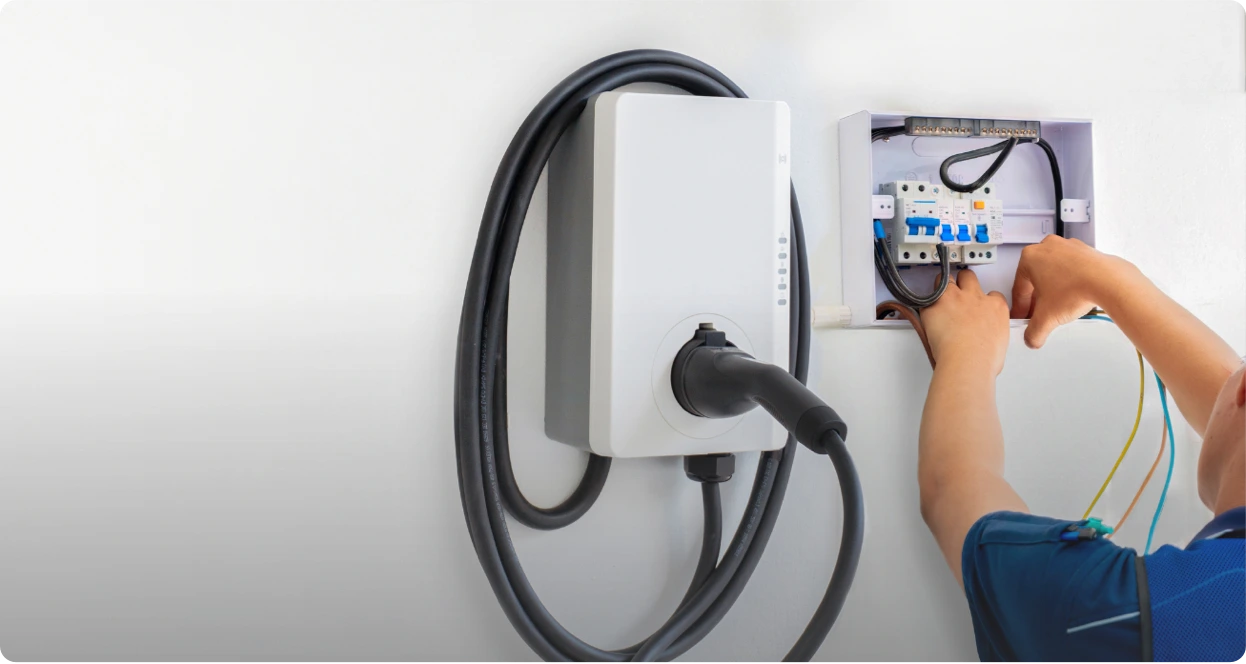
Quando a energia chega ao local, passa pelo quadro elétrico e é distribuída a cada carregador. Isto envolve a abertura de valas, condutas e, muitas vezes, um transformador de montagem em bloco dedicado apenas à estação de carregamento. A disposição é importante - cabos demasiado compridos podem provocar uma queda de tensão, o que afecta a velocidade de carregamento.
O papel dos ensaios e do comissionamento
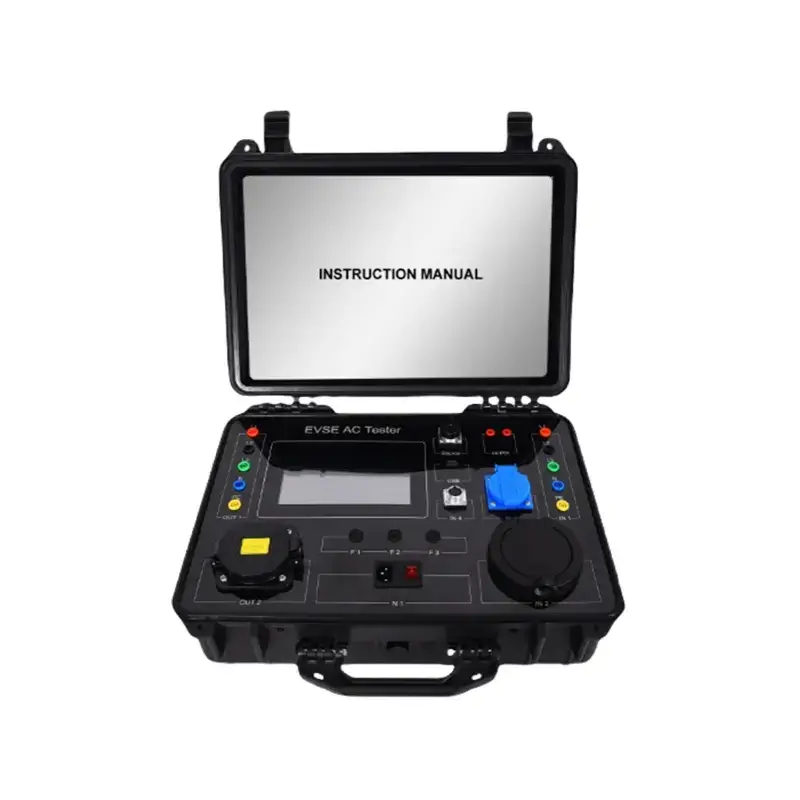
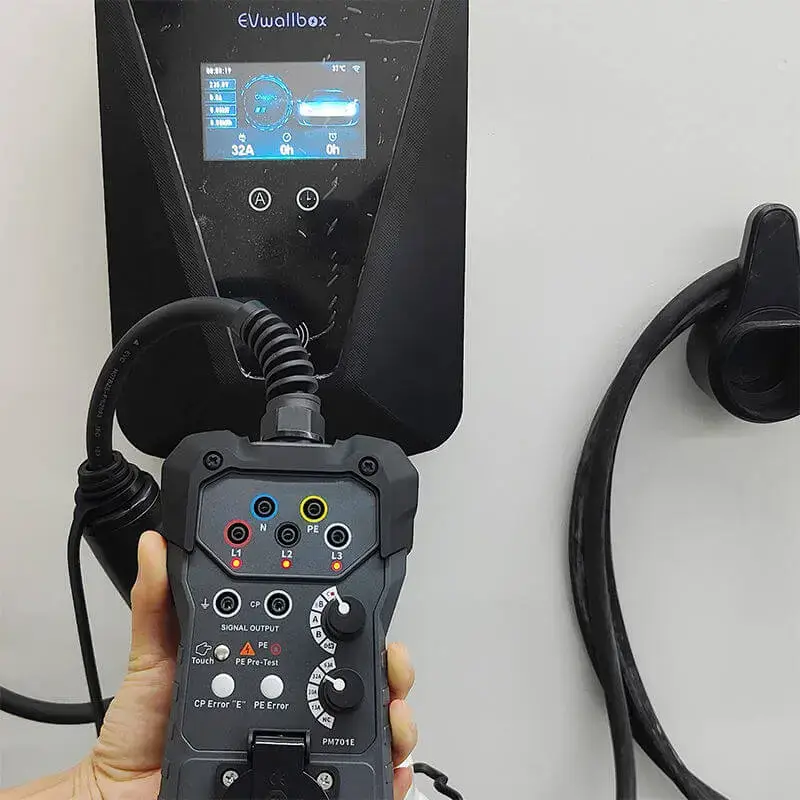
Entre a construção e o dia da inauguração, há uma fase que não é objeto de muita atenção, mas que faz a diferença no lançamento. Cada carregador precisa de ser testado em condições reais antes de ser utilizado pelo público. É aí que entra o equipamento de teste adequado.
Utilizar um Testador de estações de carregamento de veículos eléctricos ajuda a verificar os protocolos de comunicação, a saída de energia e os mecanismos de segurança antes de o primeiro cliente ligar a ficha. Sem este passo, existe o risco de falhas incómodas ou mesmo de condições inseguras. Um sólido Dispositivo de teste de carregador EV pode simular diferentes tipos de veículos e detetar problemas de aperto de mão que, de outra forma, frustrariam os condutores logo à partida.
Esta fase é muitas vezes apressada porque toda a gente quer começar a gerar receitas. No entanto, se a ignorarmos, temos tendência a receber chamadas de assistência na primeira semana, o que não é nada bom.
Quem realmente constrói e opera a infraestrutura de carregamento de veículos eléctricos
Não existe um único tipo de interveniente neste espaço. As infra-estruturas de carregamento de veículos eléctricos são construídas por uma combinação de:
- As próprias empresas de serviços públicos (algumas gerem as suas próprias redes)
- Operadores de rede independentes (as marcas conhecidas nos carregadores)
- Sítios anfitriões (retalhistas, hotéis, estações de serviço que fazem parcerias com redes)
- Operadores de pontos de carregamento (CPOs) que possuem e mantêm o hardware
- Os prestadores de serviços de mobilidade eletrónica (EMSP), que tratam da aplicação e do pagamento destinados ao cliente
Muitas vezes, estas funções sobrepõem-se. Uma empresa pode ser proprietária do hardware, outra gere o software e uma terceira trata da instalação eléctrica. É na coordenação entre elas que as coisas se complicam.
O que torna uma infraestrutura fiável (ou não)
Algumas estações parecem estar sempre avariadas. Outras funcionam durante meses sem problemas. Ao observar o desempenho de diferentes sítios, destacam-se alguns padrões.
| Fator | O que faz com que funcione | O que leva a problemas |
|---|---|---|
| Manutenção | Técnico local a uma hora de carro | Suporte apenas remoto, sem presença local |
| Controlo | Alertas proactivos antes de o carregador ficar totalmente desligado | Confiança nas queixas dos condutores para detetar problemas |
| Hardware | Plataformas maduras com historial no terreno | Unidades de primeira geração com componentes não comprovados |
| Potência | Transformador dedicado, rede estável | Transformador partilhado com outras cargas pesadas |
Os sites que se mantêm em linha são normalmente aqueles em que alguém analisa diariamente os relatórios de tempo de atividade e tem uma relação com um eletricista local.
O lado da experiência do utilizador
Não se trata apenas de eletricidade e cabos. A sensação de uma estação é mais importante do que se espera.
Estrutura física
O comprimento do cabo, o tamanho do espaço de estacionamento, se a estação tem lugares de estacionamento para veículos com reboque - estes pormenores afectam a utilidade da estação. Um local mal concebido pode, tecnicamente, funcionar, mas os condutores evitá-lo-ão se for incómodo.
Amenidades
Mesmo um carregador rápido demora 20 a 40 minutos. Caixotes do lixo, iluminação, casas de banho próximas, talvez um local para tomar um café. Estes não são requisitos técnicos, mas influenciam o regresso do utilizador. Os locais sem comodidades básicas tendem a obter classificações mais baixas, mesmo que os carregadores funcionem bem.
Equívocos comuns sobre a infraestrutura de carregamento de veículos eléctricos
Continuam a surgir algumas coisas que não são totalmente exactas.
- "Mais carregadores significa sempre melhor." Não se a fonte de alimentação for insuficiente. Adicionar mais postos de carregamento sem atualizar o transformador significa apenas um carregamento mais lento para todos.
- "É como instalar uma bomba de gasolina." Não é. As bombas de gasolina não requerem actualizações de serviços da mesma forma e não têm plataformas de software que necessitem de actualizações constantes.
- "A empresa do carregador trata de tudo." A maioria dos fabricantes de carregadores vende hardware. Não fazem o trabalho no local, a coordenação dos serviços públicos ou a autorização. Isso fica a cargo do promotor do local.
O futuro de como tudo funciona
Está a ocorrer uma mudança. A infraestrutura de carregamento de veículos eléctricos está a passar lentamente de projectos financiados por subsídios para empresas geradoras de receitas reais. Isso altera o comportamento. Os locais estão a ser escolhidos com mais cuidado. O tempo de atividade está a tornar-se uma vantagem competitiva. E há um maior enfoque na normalização dos componentes para que um técnico possa prestar assistência a várias marcas.
A própria infraestrutura também está a ficar mais inteligente. Algumas configurações mais recentes podem gerir a carga de forma dinâmica - se um carregador não estiver a ser utilizado, a energia pode ser transferida para outro. Este tipo de flexibilidade reduz a necessidade de um serviço elétrico de grandes dimensões, o que diminui os custos iniciais.
FAQ
Quanto tempo é necessário para construir uma infraestrutura de carregamento de veículos eléctricos?
Desde a seleção do local até à entrada em funcionamento, os projectos típicos demoram 12 a 18 meses. A interligação dos serviços públicos é responsável pela maior parte desse tempo.
Quem é responsável pela manutenção dos carregadores?
Isso depende do modelo de propriedade. Muitas vezes, o operador do ponto de carregamento (CPO) encarrega-se da manutenção do hardware, enquanto o fornecedor da rede gere o tempo de funcionamento do software.
Qual é a causa mais comum do tempo de inatividade do carregador?
As falhas de comunicação em rede e os danos nos cabos são os principais culpados. Os danos físicos causados por vandalismo ou atropelamentos acidentais são mais frequentes do que as falhas de hardware.