
Key Takeaways
The price for a commercial ev charging station can shock many business owners. Some people see that the cost changes because of many things, like where it is, how many ports it has, and what type of commercial EV charging station they pick.
The price of a commercial EV charging station changes by where it is, the charger type, and how it is set up. Level 2 chargers work best for long parking times. They usually cost less to install than DC fast chargers. Although DC fast chargers charge cars quickly, they have higher upfront and maintenance costs. They are good for places with lots of cars. You need to plan for setup costs like getting the site ready and doing electrical work. Budgeting ahead is essential.
It is important to check and fix charging stations often. This keeps them working and helps control costs. You should know the local rules and get needed permits early. This stops delays that can cost more money. Businesses can use federal and state help to lower the total cost of putting in EV charging stations. Picking the right vendor with good support and choices can make your charging station better and more useful.
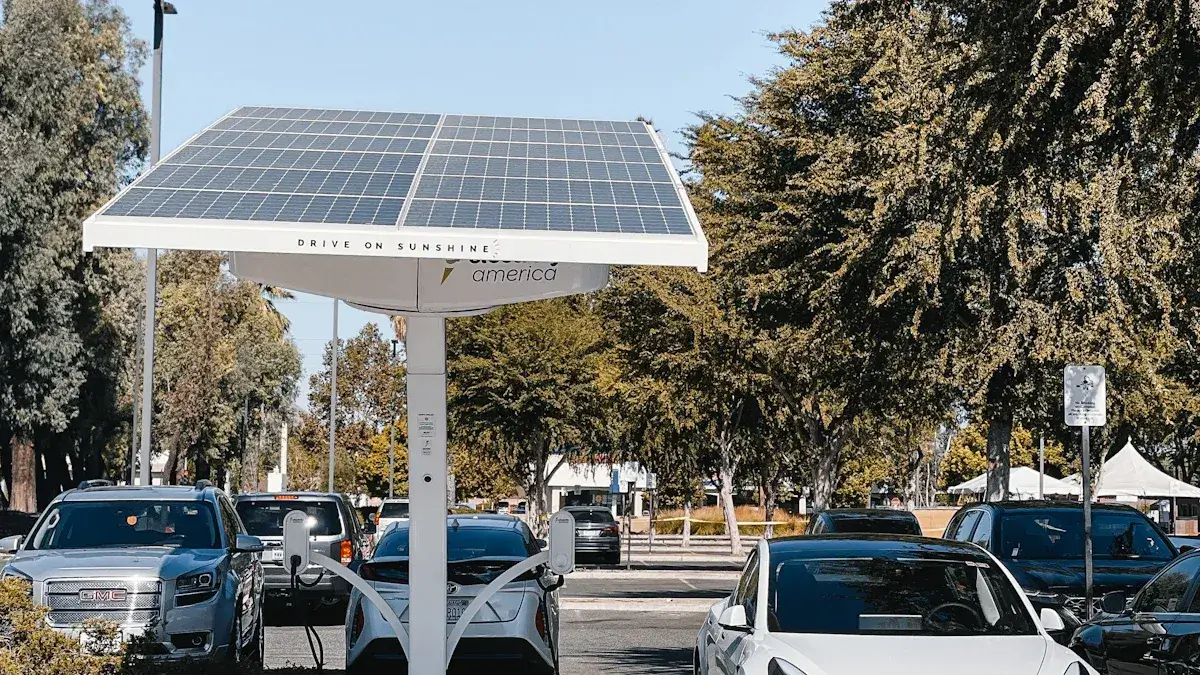
Commercial EV Charging Station Cost
Cost Overview
Many business owners want to know what affects the commercial ev charging station cost. Companies often look at different commercial electric car charging stations to find the best one for them. The total price depends on a few things. For example, premium brands like Tesla charging stations typically command a higher initial investment but offer a seamless user experience and robust reliability. Companies should think about the charger type, how many charging ports they need, and where they want to put it. Some places need extra work before the station can be installed. Other places already have easy access to power. These things can make the commercial ev charging station cost different for each business.
A commercial ev charging station can help many businesses. It can bring in new customers, help workers, and support green goals. When planning a new charging station, companies should look at both starting and ongoing costs. Starting costs are for equipment and installation. Ongoing costs include maintenance, network fees, and electricity. Each business should check what it needs and how much it can spend before choosing.
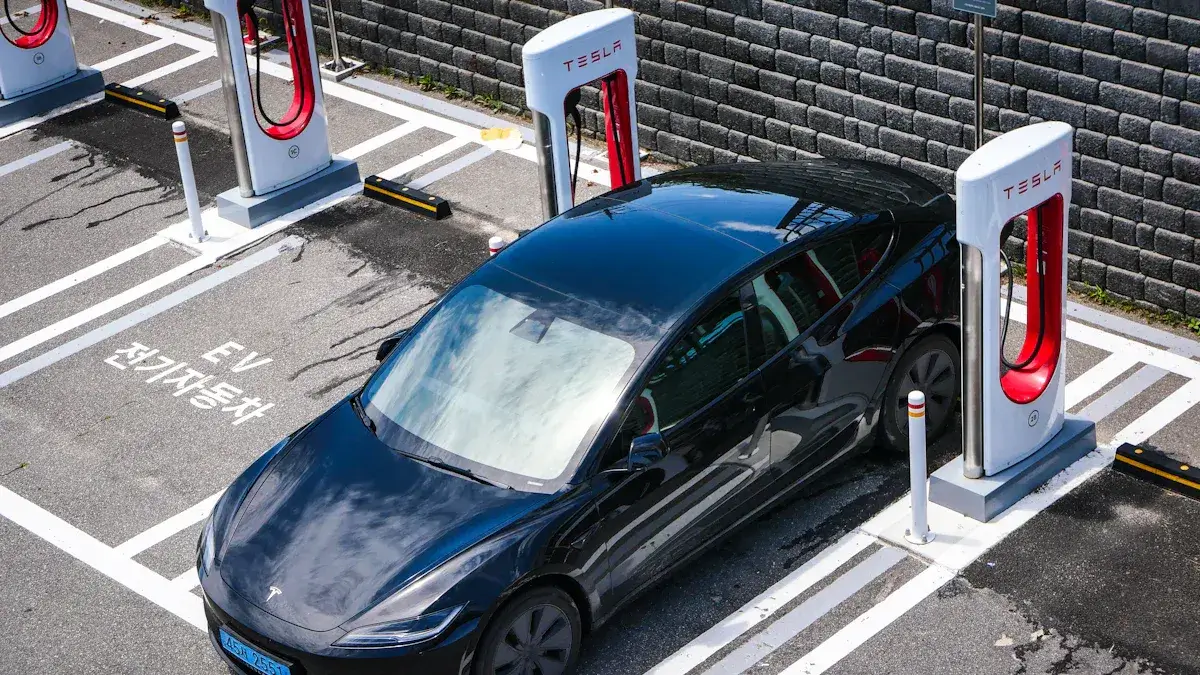
Types of Commercial EV Charging Stations Cost
Electric car charging stations manufacturers also give many choices to people who want to put in commercial car charging stations. Many business owners want to know about different commercial ev charging stations. Each type has special features and works for different needs. Knowing the main types helps companies pick the best one for their property.
Level 2 Chargers
Level 2 charging stations are a common choice for businesses. They use more voltage than level 1 chargers. This means they charge electric vehicles faster. These chargers are good for places where cars park for a few hours. Offices, hotels, and shopping centers often use them. Many companies see value for both workers and customers. Some reasons to install Level 2 chargers are:
- They bring in new customers with electric vehicles.
- They help workers who want to charge at work.
- They show the business cares about the environment.
Level 2 charging stations usually cost less to set up and to maintain, in comparison to DC fast chargers. They fit most parking lots and do not need big electrical changes. Businesses who want a good mix of speed and price often pick this type.
DC Fast Chargers
DC fast chargers, also called level 3 charging stations, are the fastest for commercial use. They can charge EVs quickly. This makes them great for places where drivers stay for a brief period of time. Highway stops, busy stores, and fleet depots are ideal for deployment of DC fast chargers.
DC fast chargers are quick but cost more to install and run. Businesses may need to upgrade their power systems for these chargers. Still, the higher cost can bring in more drivers who need fast charging.
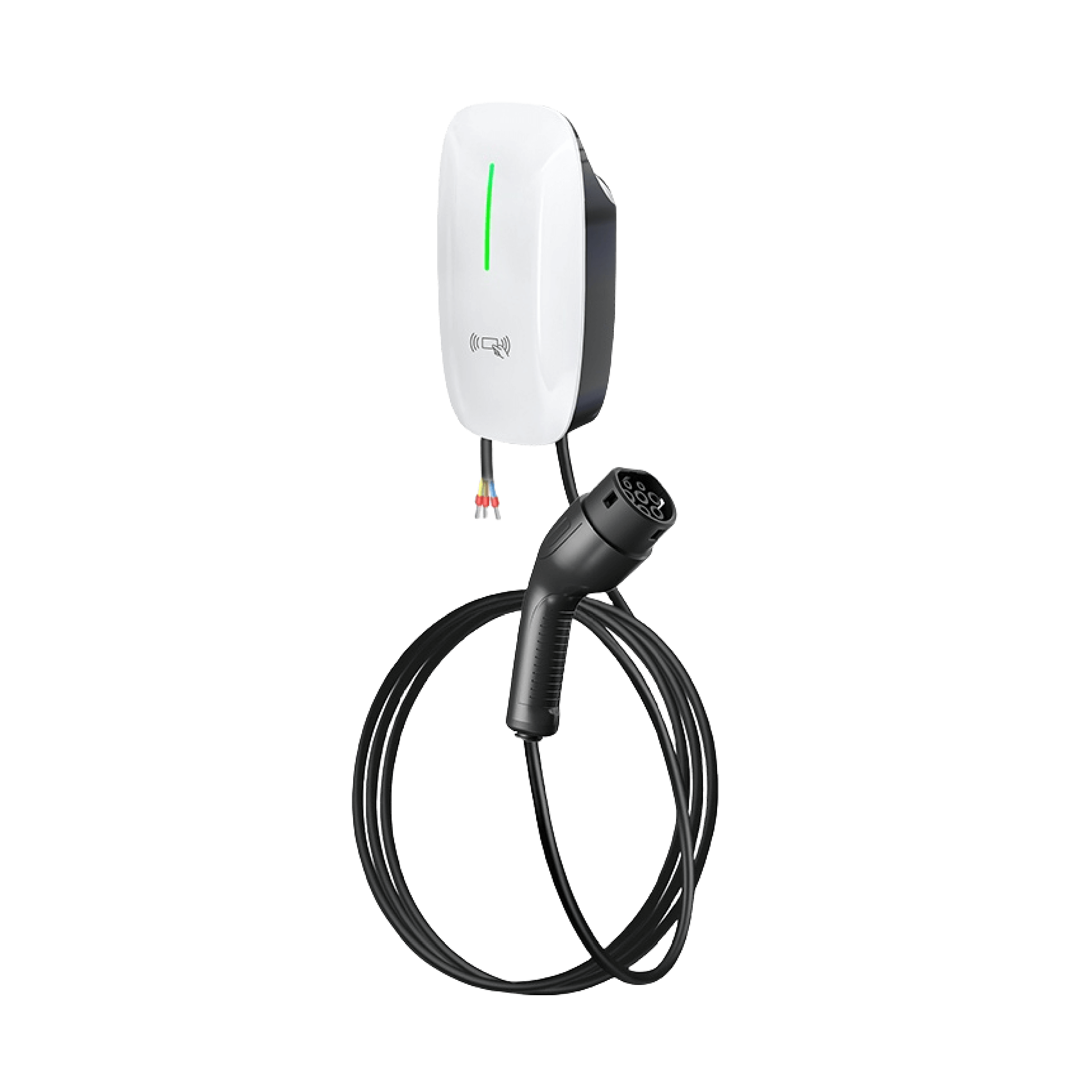
Factors Influencing Commercial EV Charging Station Costs
Location
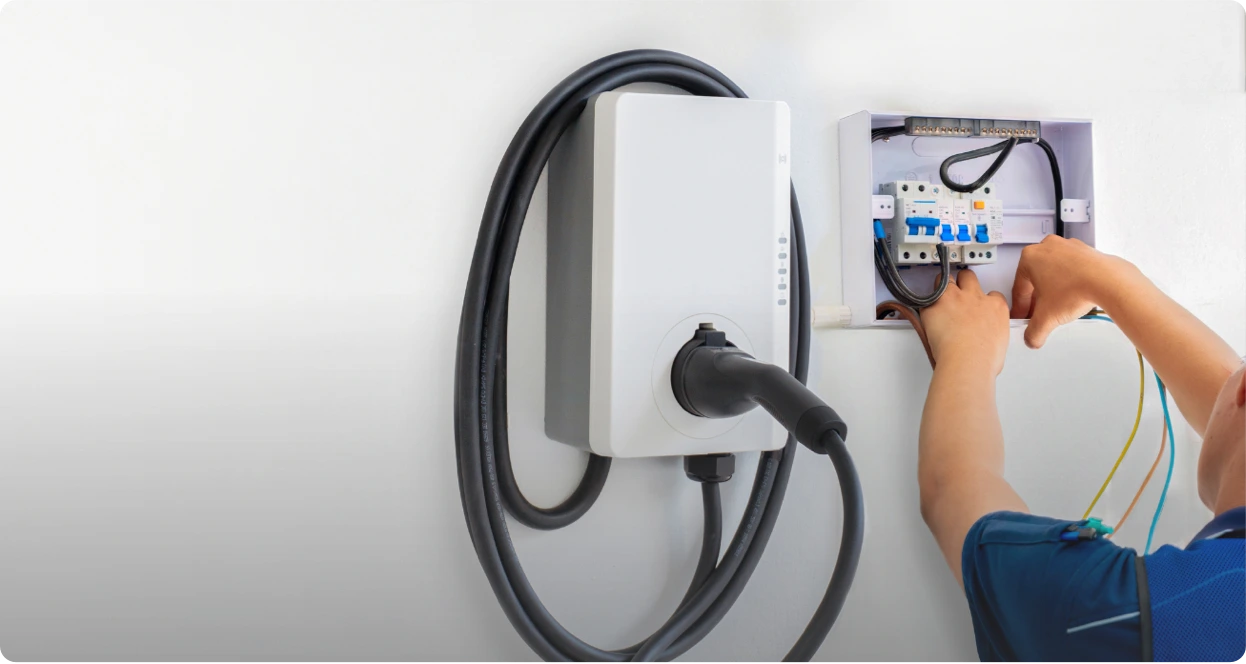
The location of a commercial EV charging station significantly impacts its cost. Urban environments often require more complex planning due to limited space and high traffic, increasing expenses. In contrast, rural areas may necessitate longer cabling or additional infrastructure work to connect to the power grid. Properties with existing electrical capacity can reduce costs, while others may require upgrades to accommodate charging equipment. Weather conditions also play a role, as harsh climates demand robust, weather-resistant hardware. Businesses should assess site accessibility to ensure chargers are convenient for drivers, as a strategically placed station can attract more customers and accelerate revenue generation.
Number of Ports
The number of charging ports directly affects installation and equipment costs. More ports require additional hardware and labor, increasing upfront expenses. Some businesses opt for a phased approach, starting with fewer ports and expanding as demand grows, while others install multiple ports initially to accommodate more drivers. The optimal number depends on anticipated daily usage. Insufficient ports may lead to long wait times, frustrating customers, while excessive ports could inflate costs unnecessarily. Careful planning ensures scalability, allowing businesses to meet current needs while preparing for future growth.
- Fewer ports: Lower initial costs but may limit customer service capacity.
- More ports: Higher costs but enhanced service capacity and potential for business growth.
Features
Advanced features can significantly influence the cost of a commercial EV charging station. Basic stations provide charging functionality, while smart stations offer features like payment systems, remote monitoring, or energy usage tracking. Additional amenities, such as security cameras, lighting, touchscreens, or mobile app integration, improve user experience and operational efficiency but increase expenses. Businesses should select features that align with their operational goals and budget, balancing added value with cost considerations.
Regulations
Compliance with local, state, and federal regulations is a critical factor in determining the cost and timeline of installing a commercial EV charging station. Permitting processes, which may include site plans, environmental assessments, or safety certifications, can extend project timelines and increase costs. Electrical upgrades, such as enhanced panels or safety components, may also be required to meet local codes. Zoning laws can further complicate installations, as some properties may need special approvals or zoning variances, potentially taking weeks or months to resolve. Key regulatory considerations include:
- Accessibility Standards: Ensuring stations are usable for all customers, including those with disabilities.
- Utility Interconnection: Adhering to utility company requirements for grid connection.
- Environmental Impact: Conducting assessments to meet environmental regulations.
Early engagement with local authorities and thorough planning can help businesses navigate regulations efficiently, minimizing delays and unexpected costs.

Incentives and Financing
Federal Incentives
Federal tax credits can significantly reduce the cost of installing commercial EV charging stations by lowering a business’s tax liability. To qualify, stations must meet specific government standards, and businesses must maintain detailed records of equipment and installation expenses. Consulting a tax professional can ensure proper compliance and maximize savings. These incentives support clean energy adoption and make EV charging projects more financially viable.
State Incentives
Many states offer grants, tax credits, or rebates to encourage the installation of EV charging stations. These programs vary by state, with some prioritizing urban areas or highways and others supporting widespread green transportation. Businesses should research state-specific programs through energy or transportation department websites, as some require applications before installation or proof of completion afterward. Common state incentives include:
- Grants for equipment and installation costs.
- Tax credits for clean energy initiatives.
- Rebates for electrical system upgrades.
Combining state and federal incentives can substantially reduce overall project costs.
Utility Rebates
Many utility companies offer rebates to businesses installing EV charging stations, covering portions of equipment or installation costs. Some also provide technical support or planning assistance. Businesses typically need to apply before starting the project and provide proof of purchase and inspection post-installation. Combining utility rebates with other incentives can further lower costs, supporting both financial savings and sustainable transportation goals. For instance, ensuring that a BYD charging station is compatible with a wide range of vehicles can maximize utilization and return on investment.
Financing Options
Financing options allow businesses to manage the costs of EV charging stations without paying the full amount upfront. Common approaches include:
- Loans: Banks offer loans, often with favorable terms for green energy projects, allowing businesses to spread costs over time.
- Leasing: Leasing enables businesses to pay monthly for station use, with options to purchase or upgrade at the end of the term.
- Grants and Public Funding: Non-repayable grants from government or nonprofit organizations can offset equipment or installation costs.
- Power Purchase Agreements (PPAs): A third party owns and maintains the station, while the business pays for electricity, reducing management responsibilities.
- Partnerships and Cost-Sharing: Collaborating with nearby businesses, such as shopping centers or offices, can distribute costs and enhance benefits.
Selecting the right financing option depends on a business’s budget, goals, and long-term plans. Exploring multiple options ensures cost-effective implementation and scalability.
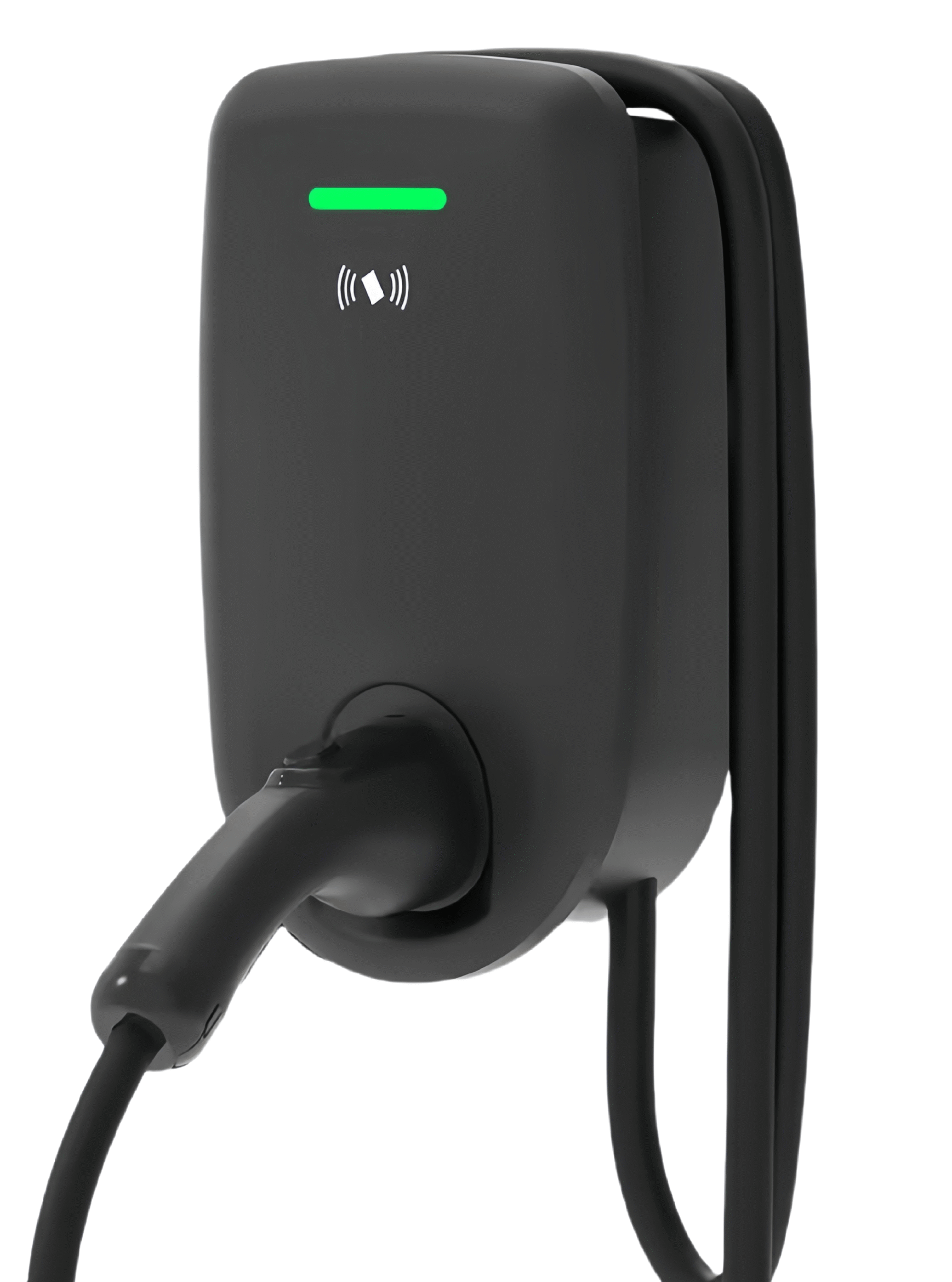
Choosing a Commercial EV Charging Station
Assess Needs
Businesses must evaluate their specific requirements before selecting a charging station. Key considerations include daily user volume, whether the station serves employees or attracts new customers, and parking lot size. Smaller lots may require fewer chargers, while larger ones can support more. Charging speed is also critical—Level 2 chargers suit longer parking durations, while fast chargers cater to quick stops. Creating a detailed plan, including user demographics, vehicle types, and electrical infrastructure, helps avoid costly oversights.
ROI
Maximizing ROI is a priority for businesses. Revenue can come from charging fees, attracting new customers, or enhancing employee satisfaction. Incentives and rebates can reduce upfront and ongoing costs, improving ROI. Businesses should weigh short-term expenses against long-term gains, considering scalability to meet future demand. Strategic planning, such as starting with a modest setup and expanding as needed, optimizes financial returns. For detailed strategies, refer to Commercial Charging Station Profit Models & ROI Strategies.
Vendor Selection
Choosing a reliable vendor is crucial for a successful EV charging station project. Businesses should prioritize vendors offering robust support, clear service plans, and assistance with permits or paperwork. References, case studies, and flexible solutions (e.g., scalable installations) are indicators of a vendor’s reliability. Effective communication and responsive customer service are essential for addressing issues promptly. Thorough research and vendor comparisons ensure a cost-effective, high-value installation. For guidance, see How to Choose the Right Commercial Charging Station Solution.
Conclusion
Installing a commercial EV charging station offers significant benefits but requires careful planning. Costs vary based on location, number of ports, features, and regulatory requirements. Businesses can offset expenses through federal and state incentives, utility rebates, and flexible financing options. By assessing needs, evaluating ROI, and selecting a reputable vendor, companies can implement cost-effective, scalable charging solutions that align with their goals and budgets. Consulting experts and researching incentives early ensures a smoother process and maximizes long-term value.



 English
  Spanish
  Portuguese
  French
  Russian
  German
  Italian