Demandez à dix conducteurs de VE quel est le meilleure station de charge rapide est, et il est probable qu'elle obtienne dix réponses différentes. Une personne ne jure que par un réseau particulier parce qu'il ne tombe jamais en panne lorsqu'elle en a besoin. Une autre évite ce même réseau en raison d'une mauvaise expérience dans un seul endroit. Et honnêtement ? Les deux ont peut-être raison. Car ce qui fait qu'une station est "la meilleure", ce ne sont pas seulement les spécifications matérielles, c'est l'expérience dans son ensemble. La fiabilité, l'emplacement, la vitesse, la facilité de paiement, et même le fait qu'il y ait un café à proximité.
J'ai passé du temps à parcourir les routes en VE et à discuter avec d'autres conducteurs à ce sujet. Des schémas se dessinent. Les stations dont les gens se souviennent avec émotion sont rarement les plus rapides sur le papier. Ce sont celles qui fonctionnent tout simplement.
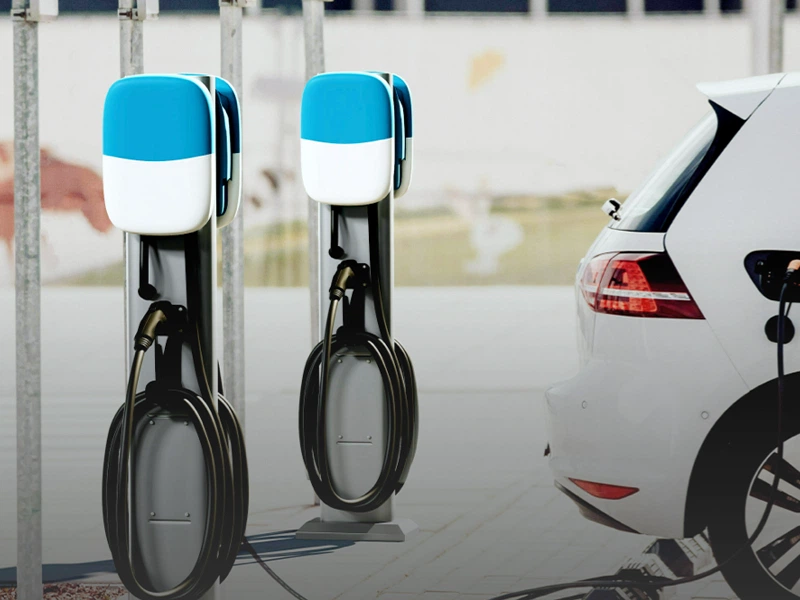
Qu'est-ce qui fait d'une station de recharge rapide la "meilleure" ?
Avant de comparer des stations spécifiques, il est utile de comprendre les critères qui comptent réellement dans le monde réel.
La fiabilité avant tout
Un chargeur de 350 kW en panne est pire qu'un chargeur de 50 kW qui fonctionne toujours. Cela semble évident, mais il est étonnant de constater à quel point cela est souvent négligé. La meilleure station de charge rapide est celle qui est en ligne lorsqu'un conducteur se présente, qui démarre la session sans problème et qui fournit de l'énergie de manière constante jusqu'à ce que la voiture soit prête.
En observant les rapports sur le temps de fonctionnement des réseaux de différents opérateurs, on constate que l'écart entre les meilleurs et les moins bons est important. Les opérateurs les plus performants maintiennent un temps de disponibilité de 97 à 99%. Les autres peinent à dépasser les 90%. Cette différence de 10% signifie qu'une visite sur dix se termine dans la frustration.
Situation et accessibilité
Une station peut avoir un matériel parfait mais être inutile si elle est difficile à trouver, difficile à atteindre ou située à un endroit où personne n'a envie de s'arrêter. Les bons emplacements ont tendance à partager quelques caractéristiques :
- Proche des sorties d'autoroute (à moins d'un ou deux kilomètres)
- Bien éclairé et sûr la nuit
- Emplacements de stationnement faciles pour les véhicules tractant des remorques
- Signalisation claire depuis la route
Les stations situées à l'arrière des bâtiments, dans les coins sombres des parkings ou nécessitant des manœuvres délicates, sont ignorées même lorsqu'elles fonctionnent.
Une vitesse de chargement adaptée au véhicule
Toutes les voitures ne peuvent pas supporter 350 kW. Une Chevrolet Bolt ne dépasse pas 55 kW. Une Hyundai Ioniq 5 ou une Kia EV6 peut supporter plus de 240 kW. La meilleure station de recharge rapide pour un propriétaire de Bolt est celle qui offre le plus grand nombre de bornes, et pas nécessairement la plus grande puissance. Pour le propriétaire d'une Ioniq 5, une station de 150 kW laisse la vitesse de côté.
Les niveaux de puissance et leur signification
Tous les chargements rapides n'ont pas la même vitesse. Voici un aperçu de ce qui existe.
| Niveau de puissance | Temps de charge typique (10-80%) | Meilleur pour | Disponibilité |
|---|---|---|---|
| 50 kW | 45-75 minutes | Véhicules électriques plus anciens, utilisation en ville | En baisse, mais encore fréquente |
| 150 kW | 20-35 minutes | Les VE les plus récents | Largement disponible |
| 250-350 kW | 15-25 minutes | Nouveaux VE 800V (Ioniq 5, EV6, Taycan) | En croissance, mais moins fréquente |
| 350 kW+ | 10-18 minutes | Véhicules du futur, stations phares | Rare, surtout des sites de démonstration |
Aujourd'hui, la puissance idéale se situe entre 150 et 250 kW. Il couvre raisonnablement bien la quasi-totalité des VE en circulation, et le matériel est suffisamment mûr pour être fiable. Les stations ultra-rapides de 350 kW semblent excellentes, mais quelques observations s'imposent : elles sont plus chères à construire, plus sujettes aux problèmes de refroidissement, et la plupart des véhicules ne peuvent de toute façon pas utiliser la vitesse maximale.
Fiabilité du réseau et expérience de l'utilisateur
Les différents réseaux ont des réputations différentes. Certaines de ces réputations sont méritées. D'autres sont dues à des problèmes qui ont été résolus depuis.
La question du branchement et de la recharge
L'expérience la plus fluide est celle du branchement et de la recharge : il suffit de se brancher pour que la voiture et la station s'authentifient automatiquement. Pas d'application, pas de carte de crédit à saisir, pas de téléphone à manipuler sous la pluie. Le réseau Supercharger de Tesla a été le premier à proposer cette solution, qui reste la référence en matière de facilité d'utilisation.
Sur les réseaux CCS (la norme utilisée par la plupart des VE non Tesla en Amérique du Nord), le branchement et la recharge existent mais ne sont pas universels. Certains réseaux exigent l'utilisation d'une application pour lancer la session. D'autres acceptent les cartes de crédit sur le socle. L'approche basée sur une application fonctionne bien jusqu'à ce que le service cellulaire soit irrégulier ou que l'application décide qu'elle a besoin d'une mise à jour au mauvais moment.
Disponibilité des stands et temps d'attente
Une station avec quatre cabines est très bien jusqu'à ce que trois d'entre elles soient occupées et que la quatrième soit cassée. Ensuite, c'est la queue. Les meilleurs sites de stations de recharge rapide disposent d'un nombre suffisant de places pour faire face aux pics de demande. Cela signifie six, huit, douze ou plus. Les corridors autoroutiers où le trafic de VE est important nécessitent des stations plus grandes.
Une chose est devenue évidente : les stations disposant de plus de quatre cabines ont tendance à avoir un meilleur temps de fonctionnement dans l'ensemble. L'opérateur a investi davantage dans le site, ce qui signifie généralement une meilleure maintenance et un meilleur suivi.
Cela dit, même les meilleures stations fixes ne peuvent pas couvrir tous les cas de figure. Pour certains conducteurs, en particulier ceux qui habitent dans des zones rurales ou qui ont besoin d'un renfort pour leurs déplacements, les stations fixes peuvent être une source d'inspiration.stations de recharge portables offrent un autre type de flexibilité. Elles ne remplacent pas un chargeur rapide de 150 kW, mais en tant que solution de repli d'urgence ou pour la recharge de nuit là où il n'y a pas d'infrastructure, elles comblent une lacune que les stations permanentes ne peuvent pas combler.
Le Chargeur Tesla Facteur
Il est impossible de parler de charge rapide sans mentionner le réseau de Tesla. Pour les conducteurs de Tesla, le réseau Supercharger est toujours la meilleure option. Le temps de disponibilité est élevé, l'intégration à la voiture est transparente et les emplacements sont généralement bien situés, à proximité des commodités.
Pour les conducteurs qui ne sont pas des Tesla, la situation est en train de changer. Tesla a ouvert certaines stations Supercharger aux véhicules CCS utilisant des adaptateurs. Mais l'expérience n'est pas identique : les véhicules non Tesla se rechargent plus lentement sur les Superchargeurs (du moins pour l'instant) et le processus de paiement est différent.
En observant ce déploiement, on constate que les Superchargeurs ouverts changent la donne en matière de fiabilité des trajets routiers dans les régions où les réseaux CCS sont peu nombreux. Mais la meilleure expérience sur un Supercharger reste celle d'une Tesla.
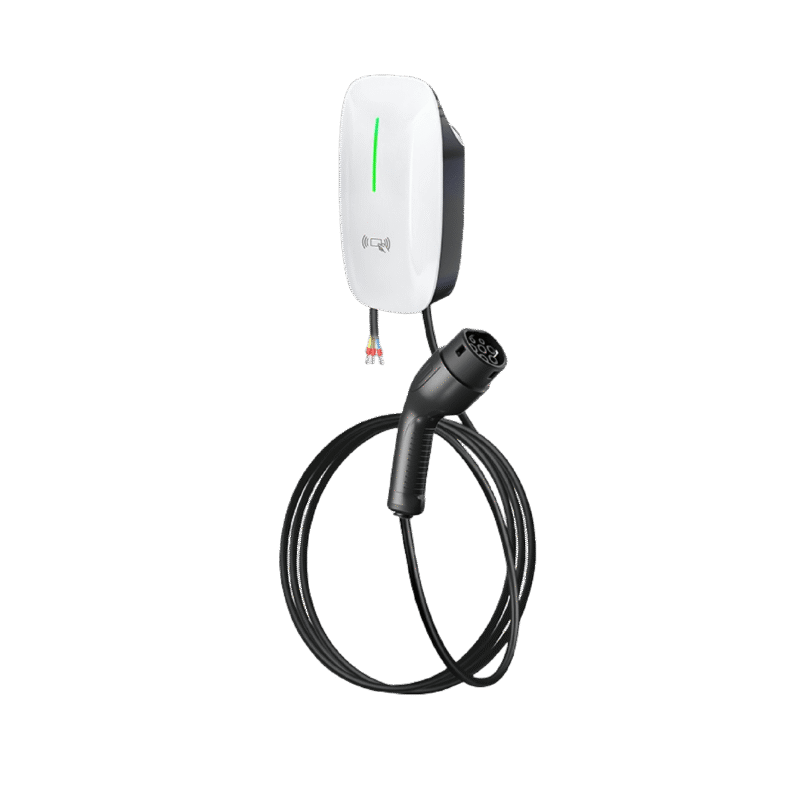
Comparaison des principaux réseaux de recharge rapide
Quelques réseaux dominent la conversation en Amérique du Nord. Voici un aperçu subjectif basé sur une utilisation réelle.
Electrifier l'Amérique
Largement disponibles, généralement rapides (150-350 kW) et situés à proximité des autoroutes. Les inconvénients : la fiabilité n'est pas constante d'une région à l'autre et l'utilisation de l'application peut s'avérer compliquée. Quand ça marche, c'est génial. Quand ce n'est pas le cas, c'est frustrant.
EVgo
Ils sont davantage axés sur la ville que sur l'autoroute. Beaucoup d'unités de 50 à 100 kW, qui conviennent bien pour la recharge en ville mais qui sont lentes pour les trajets sur route. La fiabilité est généralement bonne. Le partenariat avec Uber et d'autres flottes signifie que les stations peuvent être occupées pendant les heures de pointe.
ChargePoint
La référence. Fiabilité maximale, meilleure intégration, bons emplacements. Pour les propriétaires de Tesla, c'est le meilleur réseau. Pour les personnes qui ne possèdent pas de Tesla et qui disposent d'un adaptateur, il devient une option, mais toutes les stations ne sont pas ouvertes et les vitesses varient.
Les facteurs cachés qui comptent
Certains éléments n'apparaissent pas sur une fiche technique mais font une grande différence.
Longueur et poids du câble
Un chargeur de 350 kW nécessite des câbles épais et lourds pour supporter le courant. Certains sont si lourds et si rigides que les manœuvrer jusqu'au port de charge de la voiture - en particulier pour les véhicules dont le port se trouve du côté passager - est un véritable exercice. Des câbles plus légers et refroidis par liquide sont préférables, mais toutes les stations n'en sont pas équipées.
Visibilité de l'écran à la lumière du soleil
Les écrans tactiles impossibles à lire en plein soleil sont étonnamment courants. Éblouissement, faible luminosité ou simplement mauvais emplacement. Les meilleures stations ont des écrans qui fonctionnent dans toutes les conditions ou, mieux encore, qui s'appuient sur l'application de la voiture ou du téléphone, de sorte que l'écran n'est pas du tout nécessaire.
Aménagements à proximité
Un arrêt de 20 à 30 minutes suffit pour aller aux toilettes, prendre un café ou se dégourdir les jambes. Les stations situées à proximité de toilettes ouvertes, de supérettes ou de fast-foods reçoivent de meilleures critiques. Les stations situées dans des parkings isolés, sans rien autour, sont utilisées en cas de besoin mais ne sont jamais appréciées.

L'avenir des stations de recharge rapide
Quelques tendances méritent d'être observées.
- Une puissance plus élevée, mais de manière sélective : Des chargeurs de plus de 500 kW existent, mais ils seront probablement placés à des endroits stratégiques (relais routiers, grands couloirs) plutôt que partout.
- Stations à batterie : Certains nouveaux sites utilisent des batteries sur place pour éviter les frais de demande coûteux des services publics et pour fournir de l'électricité même lorsque la capacité du réseau est limitée.
- Plus de places de stationnement par site : Au fur et à mesure de l'adoption des VE, les stations de plus de 20 places deviendront courantes le long des grands axes routiers.
- Paiement normalisé : Dans certaines régions, la réglementation prévoit l'installation de lecteurs de cartes de crédit sur chaque chargeur, ce qui réduit le besoin d'applications.
La meilleure borne de recharge rapide dans cinq ans sera probablement différente de la meilleure aujourd'hui. Mais les principes fondamentaux - fiabilité, emplacement, facilité d'utilisation - resteront probablement les mêmes.
FAQ
Quel est le réseau de recharge rapide le plus fiable en Amérique du Nord ?
Le réseau Supercharger de Tesla affiche systématiquement le temps de disponibilité le plus élevé (99%+). Parmi les réseaux CCS, la fiabilité varie selon les régions, mais Electrify America et EVgo sont les plus importants et s'améliorent généralement.
N'importe quel véhicule électrique peut-il utiliser n'importe quelle station de recharge rapide ?
Tesla utilise la prise NACS (bien que de nombreuses prises soient désormais compatibles avec le système CCS). La plupart des VE non Tesla utilisent le CCS. Le système CHAdeMO (utilisé par les anciennes Nissan Leaf) est en voie de disparition. Il existe des adaptateurs pour certaines combinaisons, mais pas toutes.
Combien de temps dure un arrêt de charge rapide typique ?
De 10% à 80%, la charge de la plupart des VE prend de 20 à 40 minutes sur un chargeur de 150 à 250 kW. Le temps réel dépend du taux de charge maximal de la voiture, de la température de la batterie et de la puissance du chargeur à ce moment-là.