
Electric vehicles are everywhere now. And drivers want fast charging—not hours, but minutes.
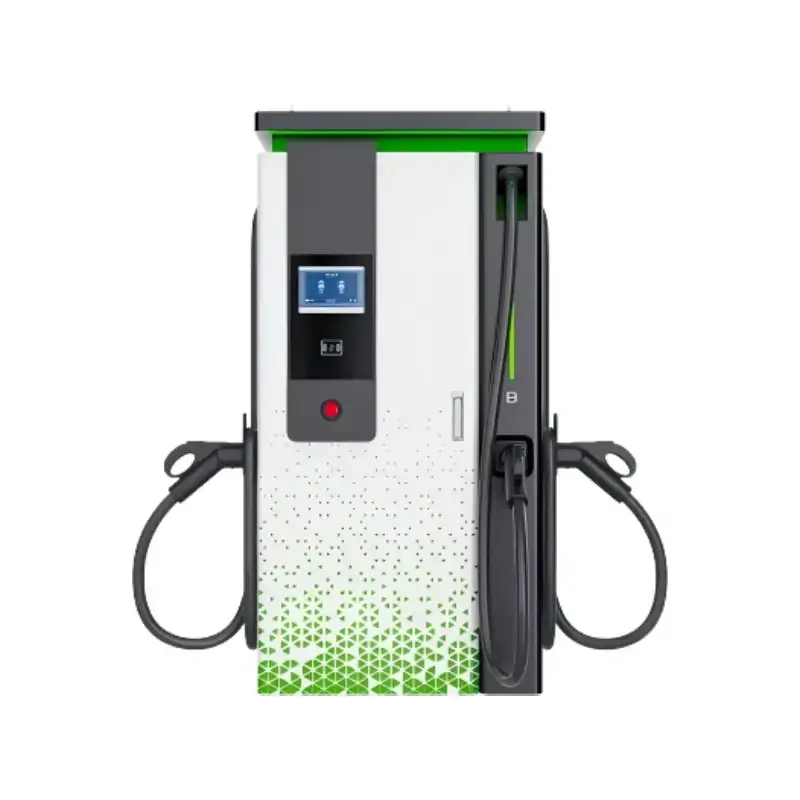
That’s where DC fast charging stations come in. They deliver high-power direct current straight to vehicle batteries, bypassing onboard chargers entirely. Charging times drop dramatically. A nearly empty battery reaches 80% in roughly 20-40 minutes depending on the equipment.
Setting one up isn’t plug-and-play though. It’s a serious infrastructure project.
Understanding What You’re Getting Into
A DC fast charging station differs fundamentally from Level 2 EV charging stations found in parking garages. The power requirements alone—anywhere from 50 kW to 350 kW per unit—demand substantial electrical infrastructure.
Costs vary wildly. Equipment, installation, utility upgrades, permits. Total investment typically ranges from 50,000→𝑜𝑣𝑒𝑟150,000 per charger. Sometimes more.
Not trying to discourage anyone. Just setting expectations. Planning properly makes the difference between a smooth project and an expensive headache.
Site Selection Considerations
- Highway proximity and traffic patterns
- Visibility from main roads
- Nearby amenities (restaurants, shops, restrooms)
- Competition from existing charging stations
- Local EV adoption rates
Drivers won’t stop at inconvenient locations. Even free charging struggles to attract users if the site feels sketchy or lacks anything to do while waiting.
Technical Requirements
Electrical capacity tops the list. Older commercial buildings rarely have spare capacity for DC fast charging station loads. Strip malls, gas stations, older retail locations—they often need significant utility work.
Key technical considerations include:
- Distance to nearest transformer
- Available utility service voltage
- Space for electrical equipment (switchgear, transformers)
- Adequate parking area dimensions
- Drainage and grading conditions
Getting utility company involved early saves time. They’ll assess what’s possible—and what it costs.
Power Requirements by Charger Type
Different DC fast charging station configurations demand different infrastructure. Understanding this helps with planning conversations.
Higher power means faster charging. Also means bigger transformers, heavier cables, more expensive installation. Trade-offs everywhere.
Permitting and Regulatory Steps
Paperwork. Nobody’s favorite part, but unavoidable.
Required Permits Typically Include
- Electrical permits
- Building permits (for equipment pads, canopies)
- Zoning approval or variance
- Utility interconnection agreement
- ADA compliance documentation
Timelines vary by jurisdiction—dramatically. Some municipalities process permits in weeks. Others take months. Calling ahead to understand local requirements prevents surprises.
Coordinación de servicios públicos
The utility company becomes a partner whether you want them or not. Their involvement includes:
- Load study and service assessment
- Transformer installation or upgrade
- Meter installation
- Demand charge structure determination
Utility lead times can stretch 6-12 months for major service upgrades. Starting this conversation immediately—even before finalizing the site—makes sense.
Equipment Selection
Not all DC fast charging station equipment is equal. Reliability, features, compatibility—they vary between manufacturers.
Key Selection Criteria
- Connector types (CCS, CHAdeMO, NACS)
- Maximum power output per port
- Simultaneous charging capability
- Network connectivity and payment systems
- Warranty and service availability
- OCPP compliance for backend flexibility
Brand reputation matters here. Cheap equipment that breaks constantly destroys user experience. And maintenance costs add up fast.
Some popular manufacturers include ABB, Tritium, ChargePoint, BTC Power, and Kempower. Each has strengths and weaknesses worth researching.
Installation Process Overview
Once permits clear and equipment arrives, physical work begins.
Typical Installation Sequence
- Site preparation (grading, trenching)
- Electrical infrastructure installation
- Equipment pad construction
- Utility connection and transformer installation
- Charger mounting and wiring
- Network configuration and testing
- Final inspection and commissioning
Professional installation is non-negotiable. Licensed electricians, experienced contractors, manufacturer-certified technicians—this isn’t DIY territory.
Expect 2-4 weeks of actual construction time once everything’s ready. Longer if weather interferes or inspections reveal issues.
Network and Payment Integration
A DC fast charging station needs more than hardware. Backend systems handle:
- Autenticación de usuarios
- Payment processing
- Usage monitoring
- Remote diagnostics
- Pricing management
Major networks like ChargePoint, EVgo, and Electrify America offer turnkey solutions. Independent operators can use open protocols (OCPP) with third-party network providers.
Pricing strategies vary. Some charge per kWh, others per minute, some combine both. Local regulations may restrict options—California, for instance, requires energy-based pricing.
Ongoing Considerations
Installation isn’t the end. Operating a DC fast charging station involves:
- Regular maintenance and cleaning
- Actualizaciones de software
- Customer support
- Demand charge management
- Marketing and user acquisition
Demand charges deserve special attention. Utilities charge commercial customers based on peak power usage—not just total energy consumed. A 150 kW charger hitting full power even briefly can generate substantial monthly demand charges.
Strategies to manage this include:
- Battery storage integration
- Load management software
- Off-peak charging incentives
- Multiple lower-power units instead of single high-power units
Incentives and Funding
Money helps. Various programs exist to offset DC fast charging station costs.
- Federal tax credits (30C Alternative Fuel Infrastructure Credit)
- State rebate programs
- Utility incentives
- Grant programs (NEVI, state transportation funds)
Eligibility requirements vary. Application deadlines matter. Checking available programs before committing to a project makes financial sense.
PREGUNTAS FRECUENTES
How much does a DC fast charging station cost?
Typically 50,000−50,000−150,000+ per charger including installation, depending on power level and site conditions.
How long does installation take?
Usually 3-6 months from planning to operation, though utility upgrades can extend timelines significantly.
Do I need special permits?
Yes—electrical, building, and sometimes zoning permits are required in most jurisdictions.


 Spanish
  English
  Portuguese
  French
  Russian
  German
  Italian