
When planning a new station for your property, you may consider the electric charging stations cost. The total price varies based on the type of electric charger, the installation process, and the local permit regulations. To avoid unexpected fees, it’s important to monitor each step carefully. Several factors, such as site preparation and electrical modifications, can impact your budget. Always be sure to check for hidden electric charging stations costs before starting your project.
EV Equipment Cost
Residential Equipment
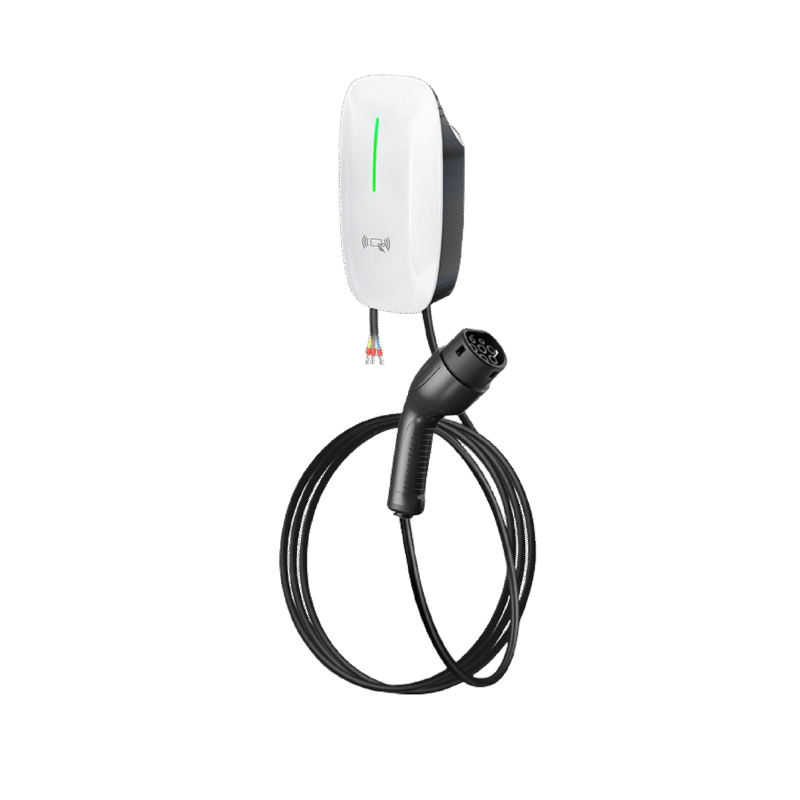
If you want a charging station at home, pick the right equipment. Residential EV charging equipment is smaller and easy to use. You can put the charger on your garage wall or outside. Most home charging equipment connects to your current electrical system. You might need a professional to help set it up, but it is usually simple.
Find equipment that works for your EV’s needs. Some chargers only do basic charging. Others have smart features. Smart charging equipment lets you set charging times or check energy use. This helps you save money and manage your electric charging stations cost. If you plan to get more vehicles, choose equipment that works with different EVs.
Tip: Make sure your equipment is weatherproof if you install it outside.
Commercial Equipment
Commercial charging stations need stronger equipment. You will have more users, so you need chargers for frequent use. Commercial EV charging equipment often has many ports. This lets several vehicles charge at once. You may also need equipment for payment systems or user authentication.
Pick equipment that matches your business needs. Some commercial chargers have network connections. These let you track usage, control access, and handle billing. Smart commercial charging equipment helps you control electric charging stations costs and give better service to customers or employees. If you want to grow, choose equipment that can expand as your needs change.
Commercial charging equipment needs special installation. You may need to upgrade your electrical system or prepare the site for heavy use. Always hire professionals who know commercial EV charging requirements. Besides general commercial EV setups, many businesses also consider Tesla charging stations because of their wide user base and fast charging compatibility. This option helps attract Tesla drivers and expands potential customer reach.
DC Fast Chargers
DC fast charging equipment is not like regular chargers. These chargers give power much faster than standard ones. You often see DC fast charging stations at public places or highways. Businesses use these chargers for drivers who need a quick charge.
You need special equipment for DC fast charging. These chargers use direct current (DC), not alternating current (AC). The equipment is bigger and more complex. You may need extra space and stronger electrical connections. DC fast charging equipment has advanced safety features and cooling systems.
If you want DC fast charging, plan carefully. The equipment needs expert installation and regular maintenance. You may also need to follow special rules for safety and energy use. DC fast charging stations can bring more users to your business, but you must buy the right equipment for reliable service. In addition, some premium brands like BMW are developing dedicated solutions such as the BMW charging station, giving owners tailored fast-charging experiences and adding flexibility to public networks.
Features & Price
When picking equipment for your electric charging station, look for features that fit your needs. The right charger helps your business work better. Some equipment only does basic charging. Other options have smart controls, network connections, and payment systems. These features help you run your station and make users happy.
Some equipment has Wi-Fi or cellular connections. These let you watch how much people use the station. You can control who uses it. You can set charging times and check energy use. You can also get reports. Smart equipment helps you save energy and spend less money. You can fix problems fast with remote diagnostics.
If you want dc fast charging, you need equipment with strong safety systems. Fast chargers have special cooling and protection. These keep your station safe and working well. You can pick equipment with more ports. This lets more cars charge at the same time. This is good for busy places or businesses.
Some chargers have touch screens or work with mobile apps. These make it easy for users to start charging and pay. You can set up equipment to take credit cards or mobile payments. This helps you handle payments and keep track of money. Some equipment has RFID readers for safe access.
Tip: Check if your equipment can get software updates. This keeps your charger safe and working well.
Think about price when you choose equipment. More features usually mean higher electric charging stations costs. Fast chargers and dc fast charging equipment cost more than basic ones. You need to balance your budget and the features you want. If you want to grow, pick equipment that can expand with your business.
Here is a table to help you compare features:
| Feature | Basic Charger | Smart Charger | DC Fast Charging Equipment |
|---|---|---|---|
| Charging Speed | Standard | Standard | Fast |
| Network Connectivity | No | Yes | Yes |
| Payment Systems | No | Yes | Yes |
| Safety Features | Basic | Advanced | Advanced |
| Multiple Ports | No | Sometimes | Yes |
Match the equipment features to your business goals. Fast charging and dc fast charging equipment bring more users and help your business stand out. Smart features make it easier to manage your station and help with electric charging stations cost over time. Always look at your choices before buying a charger.
Installation Cost
Labor
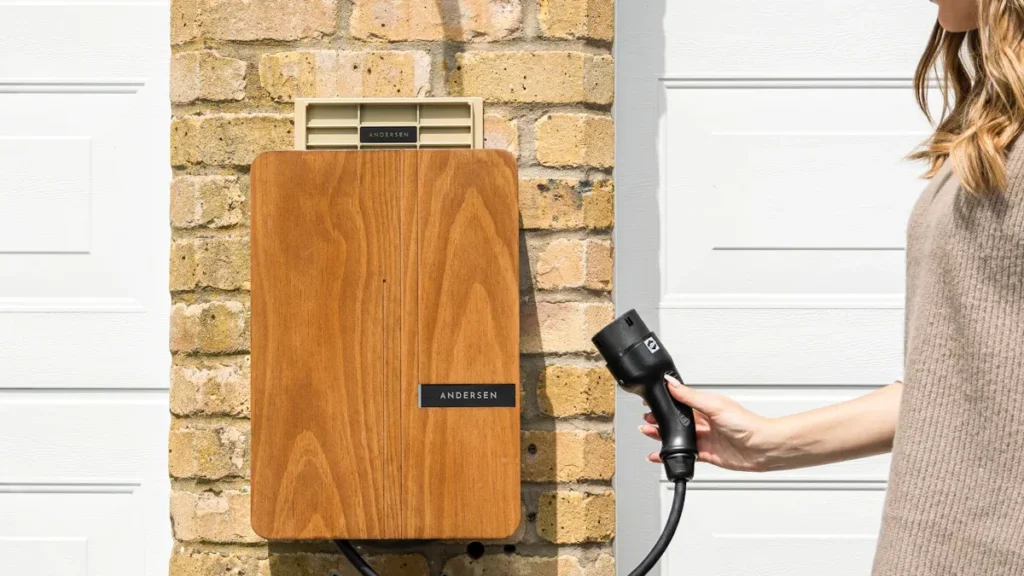
Labor is very important for installing EV charging stations. You need skilled workers to do the job right. Electricians connect the equipment to your power supply. They make sure everything works safely. For residential EV charging, labor means putting up the charger, running wires, and testing it. Commercial EV charging needs bigger teams and more complex setups. You might need extra workers for large sites or many chargers.
Professional installation keeps your charging station safe. Always hire certified electricians for EV charger installation. They know what is needed and can find problems early. If you do not use professionals, you might have safety issues and pay more later. Labor costs change based on your project size and equipment type.
Tip: Ask your installer if they have experience with EV charging station installation. This helps you avoid mistakes and delays.
Site Prep
Site preparation is the first step for a good charging station installation. You must get the area ready for your equipment. For residential EV charging, site prep can mean clearing space in your garage or driveway. You may need to put up a mounting post or weatherproof box for outdoor chargers. Commercial EV charging needs paving, trenching, or protective barriers.
When planning site preparation, it’s essential to consider the location. This guide will cover key points: Pick the Best Location for EV Charging Stations. Site prep changes installation costs and the total electric charging stations cost. Check if your site needs extra work before you start. Some places need new concrete pads or special enclosures for the equipment. Good site prep keeps your charging station safe and easy to use. It also helps your equipment last longer.
A well-prepared site makes installation easier. You avoid delays and lower the risk of damage to your charger or other equipment. Always check the installation requirements for your location and charger type.
Electrical Upgrades
Electrical upgrades are often needed for EV charging station installation. Your current electrical system may not be strong enough for new equipment. For residential installations, you might need a new circuit or a stronger panel. Commercial EV charging projects often need bigger upgrades, like new transformers or extra wiring.
Upgrading your electrical system makes it safer and better. Ask a professional to check your setup before starting EV charger installation. They can tell you if you need new breakers, wires, or panels. Electrical upgrades add to installation costs, but they protect your equipment and keep your charging station working well.
Note: Always follow local codes and installation requirements when upgrading your electrical system. This helps you pass inspections and avoid future problems.
Electrical upgrades get your charging station ready for future growth. If you want more chargers later, upgrade your system now to save time and money. Good planning helps you control the total electric charging stations cost and keeps your equipment working well.
Residential Installation
When you want to install a charger at home, you need to follow some steps. First, pick equipment that works for your EV and fits your charging needs. Residential EV charging equipment is smaller and easier to put in than commercial ones. You can put the charger on your garage wall or outside with weather protection.
Check your home’s electrical system before you start installing. Some homes need upgrades to handle more power. A professional team can look at your panel and wiring. They will tell you if you need new circuits or stronger panels. This helps you avoid problems and keeps your charging station safe.
Site preparation is also important for installation. You may need to clear space in your garage or driveway. If you want to charge outside, you might need a mounting post or a weatherproof box. Good site prep makes installation easier and protects your equipment.
The electric charging stations cost of installing a residential EV charger depends on how complex your project is. If your electrical system is strong, you may only need basic wiring and mounting. If you need upgrades or extra work, electric charging stations costs will be higher. Always ask for a detailed quote before you start. This helps you plan your budget and avoid surprises.
Professional installation is needed for safety and reliability. Certified electricians know how to connect the charger to your power supply. They follow local codes and make sure your equipment works well. Do not try to install a charger yourself unless you are trained. Mistakes can cause safety risks and cost you more later.
After installation, test the charger to make sure it works with your EV. The installer will show you how to use the equipment and answer your questions. Ask about maintenance and software updates. Keeping your equipment in good shape helps you get the most value from your electric charging stations cost.
Tip: Get regular inspections for your charging equipment. This helps you find problems early and keeps your station working well.
Residential installation lets you charge your EV at home. You save time and make your daily routine easier. With the right equipment and professional help, you can enjoy safe and reliable charging for years. For homeowners driving newer EVs, options like the Hyundai charging station are also worth considering, since they are designed to integrate smoothly with residential setups and ensure stable performance.


 English
  Spanish
  Portuguese
  French
  Russian
  German
  Italian