Почему стандарты ISO важны для зарядных устройств EV
Повсеместное распространение электромобилей продолжает ускоряться. Больше автомобилей на дорогах - значит, больше зарядной инфраструктуры, необходимой повсюду. Но вот в чем проблема: без стандартизации воцарится хаос. Представьте, что вы едете в другой город и обнаруживаете, что ваш автомобиль не может подключиться к доступным зарядным устройствам. Такой сценарий сильно расстраивает первых поклонников EV.
Стандарты ISO существуют именно для того, чтобы предотвратить подобные проблемы. Эти международно признанные спецификации обеспечивают Зарядные устройства для электромобилей безопасно и совместимо работать с различными производителями и регионами. Для компаний, устанавливающих зарядную инфраструктуру, понимание этих стандартов не является чем-то необязательным. Оно является основополагающим для обеспечения надежного обслуживания.
Поначалу ландшафт стандартизации может показаться непреодолимым. Множество стандартов, охватывающих различные аспекты - безопасность, протоколы связи, конструкции разъемов, процедуры тестирования. Чтобы разобраться в этой системе, требуется определенное терпение, но при правильном подходе основы не так уж сложны.
Основные стандарты ISO, регулирующие работу зарядных устройств для электромобилей
Протокол связи ISO 15118
Возможно, самый важный стандарт для современных зарядных устройств EV включает в себя связь между автомобилем и зарядной станцией. Стандарт ISO 15118 устанавливает, как эти устройства общаются друг с другом. Стандарт позволяет реализовать такие функции, как plug-and-charge, при которых аутентификация происходит автоматически, без использования карт или приложений.
Этот протокол связи охватывает несколько важных функций:
- Идентификация и разрешение на использование транспортного средства
- Согласование параметров сеанса зарядки
- Интеграция обработки платежей
- Коммуникационные возможности интеллектуальных сетей
- Координация двунаправленной зарядки
Стандарт ISO 15118 продолжает развиваться, выпуская новые редакции, учитывающие возникающие потребности. Гибкость стандарта позволяет производителям внедрять передовые функции, сохраняя при этом базовую совместимость.
Требования к безопасности ISO 17409
Стандарты безопасности для зарядных устройств EV не могут быть нарушены. Стандарт ISO 17409 специально рассматривает требования к безопасности передачи энергии по проводам для транспортных средств с электрическим приводом. Стандарт охватывает сценарии зарядки как переменным, так и постоянным током.
Рассматриваются такие ключевые аспекты безопасности, как:
1. Требования к электрической изоляции
2. Характеристики защиты от замыкания на землю
3. Параметры защиты от сверхтоков
4. Процедуры аварийного отключения
5. Показатели защиты окружающей среды
Производители должны подтвердить соответствие требованиям с помощью строгих протоколов испытаний. Эти требования защищают пользователей, транспортные средства и инфраструктуру от опасности поражения электрическим током во время зарядки.
Серия ISO 6469 для обеспечения безопасности транспортных средств
Хотя серия стандартов ISO 6469 ориентирована на транспортные средства, а не непосредственно на зарядные устройства, она оказывает существенное влияние на зарядные устройства EV. Эти стандарты регулируют электробезопасность дорожных транспортных средств, включая интерфейсы систем зарядки на стороне транспортного средства.
Взаимосвязь между требованиями безопасности автомобиля и спецификациями зарядных устройств создает взаимозависимость. Производители зарядных устройств должны понимать стандарты автомобиля, чтобы обеспечить полную безопасность системы.
Региональные различия и стандарты ISO для зарядных устройств EV
Как разные рынки применяют стандарты
Стандарты ISO обеспечивают международные рамки, но их применение в регионах несколько различается. На разных рынках предпочтение отдается одним стандартам, а не другим, исходя из местных условий и существующей инфраструктуры.
| Регион | Применяемые первичные стандарты | Распространенные типы разъемов | Значимые требования |
|---|---|---|---|
| Европа | ISO 15118, IEC 61851 | Тип 2, CCS2 | Обязательная маркировка CE |
| Северная Америка | ISO 15118, SAE J1772 | Тип 1, CCS1 | Типичная сертификация UL |
| Китай | Стандарты GB/T (согласованные с ISO) | Соединители GB/T | Требуется сертификат CCC |
| Япония | Стандарты ISO плюс CHAdeMO | Тип 1, CHAdeMO | Необходим сертификат PSE |
Понимание региональных нюансов помогает производителям и установщикам эффективно ориентироваться в требованиях к соответствию. При этом наблюдается тенденция к большей гармонизации, что постепенно упрощает глобальное развертывание.
Проблемы совместимости
Несмотря на усилия по стандартизации, на практике сохраняются проблемы совместимости зарядных устройств EV. Разные версии стандартов, различные интерпретации реализации и устаревшее оборудование создают периодические проблемы совместимости.
Новые установки, соответствующие современным стандартам ISO, обычно вызывают меньше проблем. Более старая инфраструктура иногда требует обновлений или модификаций прошивки для достижения полной совместимости с современными транспортными средствами. Эта реальность влияет на операторов сетей, планирующих жизненный цикл оборудования.
Требования к установке зарядных устройств для электромобилей
Процессы сертификации и тестирования
Сертификация зарядных устройств EV включает в себя систематическое тестирование на соответствие действующим стандартам. Испытательные лаборатории оценивают электробезопасность, протоколы связи, устойчивость к внешним воздействиям и функциональные характеристики.
Процесс сертификации обычно включает в себя:
1. Анализ проекта и оценка документации
2. Испытания прототипов в аккредитованных лабораториях
3. Оценка управления качеством продукции
4. Периодические надзорные аудиты после сертификации
5. Ресертификация при значительном обновлении стандартов
Уклонение от сертификации создает риски ответственности и проблемы с доступом на рынок. Производители с хорошей репутацией вкладывают соответствующие средства в комплексные программы обеспечения соответствия.
Требования к документации и маркировке
Соответствующая документация сопровождает зарядные устройства EV, отвечающие требованиям. Пользователям и установщикам необходим доступ к техническим характеристикам, требованиям к установке и информации о безопасности. Стандарты ISO определяют минимальные требования к документации.
Маркировка на оборудовании должна четко указывать на статус соответствия. Логотипы сертификации, номинальное напряжение, экологические показатели, идентификация производителя - все это должно отображаться в соответствии с требованиями стандартов.
Будущие разработки стандартов ISO для зарядных устройств EV
Новые технологии
Технологии зарядки быстро развиваются. Беспроводная зарядка, сверхбыстрая зарядка мощностью более 350 кВт и возможность подключения транспортных средств к электросети - все это требует разработки стандартов. Рабочие группы ИСО активно занимаются этими возникающими потребностями.
Текущие направления развития включают:
- Мегаваттные зарядные системы для коммерческого транспорта
- Автоматизированные системы подключения для автономных транспортных средств
- Повышенные требования к кибербезопасности
- Стандартизированные протоколы двунаправленной зарядки
Постоянное слежение за разработкой стандартов помогает производителям подготовить продукцию к будущим требованиям рынка. Участие в комитетах по стандартизации позволяет получить ценную информацию на ранних этапах.
Тенденции гармонизации
Глобальная гармонизация стандартов зарядных устройств для электромобилей продолжается. Различия между региональными стандартами создают неэффективность для производителей, обслуживающих несколько рынков. Давление со стороны промышленности способствует сближению единых требований.
Международная структура ИСО хорошо подходит для проведения работ по гармонизации. Сотрудничество с региональными органами по стандартизации - IEC, SAE и другими - способствует согласованию с течением времени.
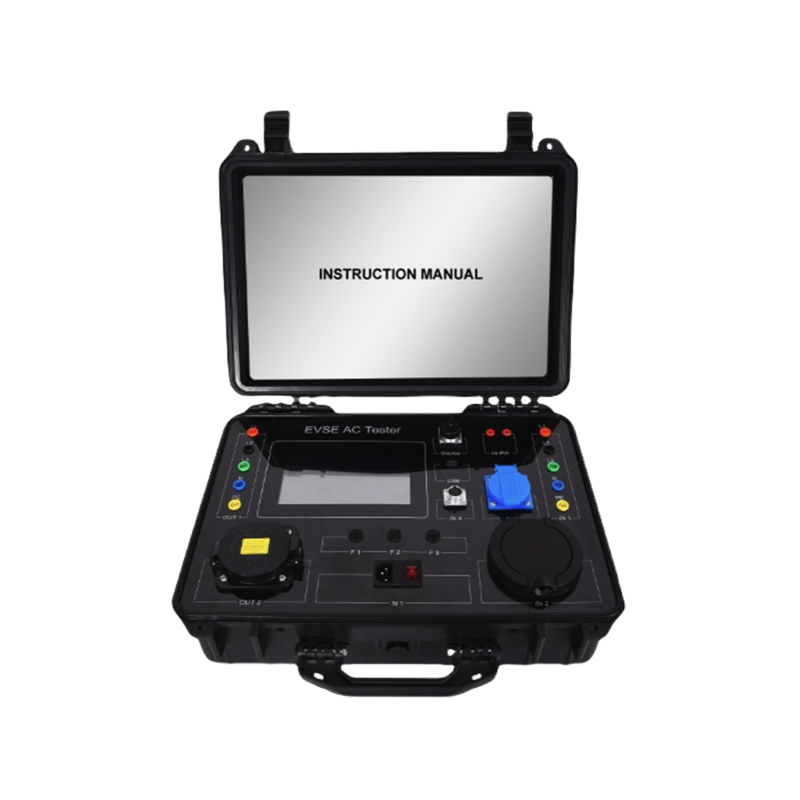
Если вы хотите узнать больше о тестере зарядки EV, пожалуйста, прочитайте Нужно ли тестировать зарядные устройства для электромобилей?

ЧАСТО ЗАДАВАЕМЫЕ ВОПРОСЫ
Какой стандарт ISO наиболее важен для производителей зарядных устройств для EV?
ISO 15118 представляет собой наиболее важный стандарт связи для разработки современных зарядных устройств для EV. Однако производители не могут игнорировать стандарты безопасности, такие как ISO 17409, и региональные требования. Полное соответствие требованиям требует одновременного соблюдения нескольких стандартов, а не сосредоточения исключительно на одной спецификации.
Нужна ли сертификация ISO домашним зарядным устройствам?
Домашнее зарядное оборудование - часто называемое зарядными устройствами уровня 2 - должно соответствовать действующим стандартам безопасности для получения разрешения на установку в жилых помещениях. Хотя стандарты ISO применимы, региональные электротехнические нормы и требования сертификации (UL, CE и т. д.) обычно регулируют доступ на рынок более непосредственно. Приобретение сертифицированного оборудования от авторитетных производителей гарантирует соответствие стандартам, не требуя при этом индивидуальных проверок.
Как часто обновляются стандарты ISO для зарядных устройств EV?
Стандарты ISO периодически пересматриваются, как правило, каждые пять лет, хотя значительные технологические изменения могут стать причиной более раннего пересмотра. Недавнее стремительное развитие технологии зарядки ускорило обновление стандартов именно в этом секторе. Производители должны следить за развитием стандартов и планировать обновление продукции в соответствии с ними, чтобы поддерживать соответствие текущим требованиям.