Операторы автопарков, дистрибьюторы и импортеры, закупающие оборудование для быстрой зарядки оптом, сталкиваются с перенасыщенным рынком. На первый взгляд характеристики адаптеров выглядят одинаково, однако разница между устройством, которое в течение многих лет выдерживает номинальный ток, и тем, которое перегревается уже через несколько месяцев, сводится к тому, как поставщик разрабатывает, тестирует и документирует свою продукцию. Большинство покупателей обнаруживают эту разницу уже после получения первых контейнерных партий, когда возвраты, гарантийные претензии или неудачные проверки превращают низкую цену за единицу в дорогостоящую проблему. Линейка адаптеров для зарядки электромобилей — это, как правило, та область, где разница в качестве наиболее заметна, поскольку внешний корпус ничего не говорит о состоянии внутренних контактов.
Выберите поставщик адаптеров для быстрой зарядки Прежде чем обсуждать цену, следует проверить пять моментов: какие разъёмы и стандарты связи на самом деле поддерживают продукты; соответствуют ли сертификаты, указанные в техническом паспорте, реальным протоколам испытаний; как поставщик решает проблему нагрева при номинальном токе; какие испытания проводятся для каждой производственной партии; и кому принадлежит производственное оборудование. Поставщик, который отвечает на все пять вопросов, предоставляя документы, а не просто давая обещания, как правило, заслуживает более высокой цены за единицу продукции.
В приведенных ниже разделах каждая из этих проверок представлена в виде конкретных вопросов, а также показано, как должен выглядеть правильный ответ.
Как на самом деле работает адаптер быстрой зарядки
Адаптер быстрой зарядки передает питание и управляющие сигналы между источником питания и транспортным средством, выполняя сразу три задачи: он обеспечивает совместимость физического разъема, поддерживает согласованный ток без перегрева и передает данные, необходимые обеим сторонам для согласования безопасных уровней мощности.
Эта деталь рассматривается как обычный товар, и в этом заключается ошибка. Адаптер — это элемент безопасности. Внутри корпуса находятся контакты, рассчитанные на определённый номинальный ток, фиксирующий механизм, датчик температуры (в более совершенных моделях), а также проводка, рассчитанная как на номинальное напряжение, так и на срок службы при изгибах. Сопротивление контактов — это показатель, от которого зависит долговечность устройства. Два адаптера могут на бумаге иметь одинаковый номинальный ток, но при этом значительно различаться по температуре, которую они нагреваются при такой нагрузке.
Это нагревание — не просто внешний эффект. При быстрой зарядке протекает длительный сильный ток, и даже несколько миллиом дополнительного сопротивления в месте контакта приводят к реальному повышению температуры на контактах. Со временем термические циклы приводят к ослаблению фиксатора, затвердеванию уплотнений и образованию зазора, в который проникает влага. Именно поэтому первый разговор с поставщиком адаптеров для быстрой зарядки должен касаться номинального тока и тепловых характеристик, а не фотографии из каталога.
Почему выбор поставщика важнее цены за единицу
Более дешевый адаптер обходится дороже, если учесть связанные с ним поломки. Возврат товара, оформление гарантийных обязательств, простои транспортного средства и задержка груза на таможне — все это обходится дороже в расчете на один случай, чем та небольшая сумма, которую удается сэкономить на каждой единице.
Покупатели в сегменте B2B ощущают эти издержки по-разному. Дистрибьютор наблюдает рост количества возвратов и падение рейтингов на торговых площадках. Оператор автопарка теряет время эксплуатации транспортных средств из-за замены соединительного элемента. Контейнер импортера задерживается из-за несоответствия документов и товара. Все три ситуации имеют одну и ту же первопричину: поставщик сократил расходы там, где покупатель этого не заметил.
Недостаточный размер контактов, тонкий слой покрытия, уплотнения, не соответствующие указанному на этикетке классу защиты от проникновения, а также отсутствие партийных испытаний — все это на фотографии продукта выглядит вполне нормально. Разница в цене между качественно изготовленным адаптером и адаптером низкого качества зачастую незначительна при расчете стоимости одной единицы. Однако разница в стоимости на протяжении всего срока службы отсутствует.
Стандарты быстрой зарядки, которые должен поддерживать ваш поставщик
Ваш поставщик должен указать точные стандарты разъемов и протоколы связи, в соответствии с которыми был изготовлен и протестирован каждый адаптер, а также подтвердить это протоколом испытаний. Расплывчатые заявления вроде “совместим со всеми системами быстрой зарядки” означают, что адаптер не проходил тестирование на совместимость с какими-либо конкретными устройствами.
Стандарты разъемов
В сфере быстрой зарядки существуют различия, обусловленные региональными особенностями и типами разъемов. Поставщик, обслуживающий более одного рынка, должен доказать свою компетентность на каждом из них, поскольку механическая совместимость и схема прохождения тока различаются.
| Стандарт | Где это используется | Типичное максимальное значение | Что необходимо подтвердить |
| CCS2 (IEC 62196-3) | Европа и многие экспортные рынки | До 500 А постоянного тока | Номинальный ток при заданной температуре окружающей среды |
| CCS1 (IEC 62196-3) | Северная Америка | До 500 А постоянного тока | Срок службы защелки и разгрузка от натяжения кабеля |
| CHAdeMO | Япония и старые объекты постоянного тока | Около 400 года н. э. в современных реализациях | Какая версия протокола поддерживается |
| GB/T (GB/T 20234) | Китай | До 250 А постоянного тока | Независимо от того, идет ли речь о текущей редакции |
| Тип 2 (IEC 62196-2) | Европа, зарядка переменным током | До 63 А, трёхфазный | Однофазные и трехфазные номинальные значения |
| J3400 (Североамериканский стандарт зарядки) | Северная Америка, новые объекты постоянного тока | До 500 А постоянного тока | Лицензионная и испытательная документация |
Поставщик, реализующий свою продукцию в нескольких регионах, будет иметь протоколы испытаний для каждого из них. Попросите предоставить протокол, относящийся именно к вашему рынку, а не тот, который было проще всего получить.
Протоколы связи
Физическая совместимость — это лишь половина дела. Быстрая зарядка постоянным током зависит от цифрового обмена данными между автомобилем и зарядным оборудованием. Адаптеры и оборудование, стоящее за ними, должны поддерживать протокольный уровень, соответствующий требованиям рынка: будь то ISO 15118 для связи на высшем уровне при зарядке, DIN SPEC 70121 для управления постоянным током в европейских реализациях или OCPP между зарядной станцией и сетью. Поставщик, который путает эти уровни, тем самым даёт вам понять кое-что.
Быстрая зарядка в салоне
Стандарты быстрой зарядки также охватывают процессы, происходящие внутри автомобиля. Технология USB Power Delivery и программируемые источники питания обеспечивают зарядку смартфонов, планшетов и ноутбуков от низковольтной розетки. Если в вашей линейке продукции есть адаптер для быстрой зарядки в автомобиле, к нему применяется та же логика. Укажите версию протокола, предоставьте протокол испытаний и подтвердите, что устройство согласовывает параметры питания, а не определяет их по приблизительным данным.
Технические возможности, отличающие сильных поставщиков
Надежные поставщики могут предоставить данные измерений температуры при номинальном токе, указать класс защиты с приложением протокола испытаний, а также объяснить, как адаптер безопасно отключается в случае неисправности.
Номинальный ток и тепловые характеристики
Запрашивайте данные о повышении температуры, измеренные при номинальном токе, а не только само значение тока. Стандарт IEC 62196-1 устанавливает пределы повышения температуры на клеммах во время типовых испытаний, и надежный поставщик будет располагать результатами измерений, полученными в аккредитованной лаборатории. Обратите внимание на конструктивные решения, вытекающие из этих данных: достаточное сечение контактов, толщина покрытия, указанная в техническом паспорте, а также наличие датчика температуры в корпусе или задокументированной кривой снижения номинальных параметров при высоких температурах окружающей среды.
Степень защиты и качество сборки
Адаптеры эксплуатируются на открытом воздухе, в условиях запыленности и под дождем. Степень защиты по стандарту IP имеет значение, но указание на этикетке имеет смысл только в том случае, если оно подтверждено лабораторными испытаниями. Уточните, из какого материала изготовлено уплотнение, как закрепляется кабельный ввод, а также каковы характеристики корпуса по огнестойкости и устойчивости к ультрафиолетовому излучению.
Система блокировки и логика безопасности
Правильно сконструированный адаптер не включается, пока фиксатор не зафиксируется, и отключает питание, если фиксатор отсоединяется или превышается пороговое значение температуры. Уточните, как это реализовано и было ли устройство протестировано в условиях сбоя, а не только в режиме нормальной работы.
| Проверить | Почему это важно | Как должен выглядеть правильный ответ |
| Повышение температуры при номинальном токе | Оценивает срок службы | Результат измерения, полученный в аккредитованной лаборатории |
| Степень защиты от проникновения | Определяет надёжность при эксплуатации на открытом воздухе | Рейтинг и номер протокола испытаний |
| Технические условия нанесения контактного покрытия | С течением времени усиливает сопротивление | Указанная толщина и материал основы |
| Срок службы защелки | Прогнозирует отказы оборудования в полевых условиях | Циклический подсчёт по результатам механических испытаний |
| Снижение номинальной мощности при высокой температуре окружающей среды | Защищает от летних поломок | Опубликованная кривая или данные испытаний |
Сертификаты и соответствие требованиям
Рассматривайте сертификацию как проверку документов, а не как проверку логотипа. Попросите предоставить протокол испытаний, номер сертификата и название лаборатории-эмитента, а затем убедитесь, что сертификат распространяется именно на ту модель, которую вы покупаете.
Адаптеры с маркировкой CE или сертификатом безопасности без соответствующего отчета встречаются достаточно часто, поэтому на проверку стоит потратить десять минут. Сертификаты выдаются на каждую конкретную модель, и поставщик, предъявляющий сертификат на другой продукт, либо неорганизован, либо рассчитывает, что вы не будете в это вникать.
| Рынок | Что обычно требуется | О чём нужно спросить у поставщика |
| Европейский союз | Маркировка CE в соответствии с директивами о низковольтных устройствах и электромагнитной совместимости, а также требованиями RoHS и REACH | Декларация о соответствии и отчет, лежащий в ее основе |
| Великобритания | Маркировка UKCA | Существует ли документация по Великобритании в отдельном виде |
| Северная Америка | UL 2251 для соединительных устройств, UL 2202 для зарядного оборудования | Номер дела и информация о том, актуальна ли запись |
| Китай | Соответствие стандарту GB/T и сертификация CCC (если применимо) | Какая редакция национального стандарта была использована |
| Международный базовый уровень | Серии стандартов IEC 62196 и IEC 61851 | Какие детали и версии прошли испытания |
Не менее важны и экологические нормы. Декларации должны сопровождать груз, а правила упаковки различаются в зависимости от страны назначения. Поставщик, который ранее уже осуществлял поставки на ваш рынок, подготовит все необходимое без дополнительных просьб.
Производство и контроль качества с целью проверки
Спросите, где изготавливается адаптер, кому принадлежит производственное оборудование и какие испытания проводятся для каждой партии. Поставщик, который владеет собственным производственным оборудованием и проводит испытания каждой партии, сможет устранить проблему. А тот, кто заказывает изготовление на основе общей формы, как правило, не в состоянии этого сделать.
OEM, ODM и право собственности на инструментарий
От того, кому принадлежит инструмент, зависит, что произойдет в случае возникновения проблем. Если поставщик владеет собственной формой, изменение конструкции решается путем переговоров. Если же продукция изготавливается на общей форме, ваш адаптер будет выглядеть так же, как и у всех остальных, и дефект сразу же затронет всех покупателей, использующих эту форму. Узнайте, кто оплатил изготовление инструмента и зарегистрирована ли конструкция.
Основные аспекты заводского аудита
Аудит не обязательно должен быть длительным. Убедитесь, что производственные линии соответствуют адресу, указанному в сертификате, проверьте наличие входного контроля контактов и кабелей, а также убедитесь, что испытательное оборудование откалибровано. Попросите предоставить отчет по последней отгруженной партии, а не образец, подготовленный специально для визита.
Типовые испытания и партийные испытания
Типовые испытания подтверждают соответствие конструкции требованиям один раз. Партионные испытания позволяют выявить отклонения в процессе производства. Надежный поставщик адаптеров для быстрой зарядки проводит и то, и другое, а также ведет документацию, которую вы можете запросить. Любая оценка поставщика адаптеров для зарядки электромобилей должна завершаться письменным соглашением о том, что именно проверяется в каждой партии и какие меры принимаются в случае несоответствия партии требованиям.
Категории товаров и как их сопоставлять
Сначала соотнесите категорию с конкретным случаем использования, а затем сравните поставщиков в рамках этой категории. Поставщик, специализирующийся на адаптерах постоянного тока, не обязательно будет столь же силен в сфере портативных устройств, поскольку способы выхода из строя у них различаются.
Адаптеры для быстрой зарядки постоянным током
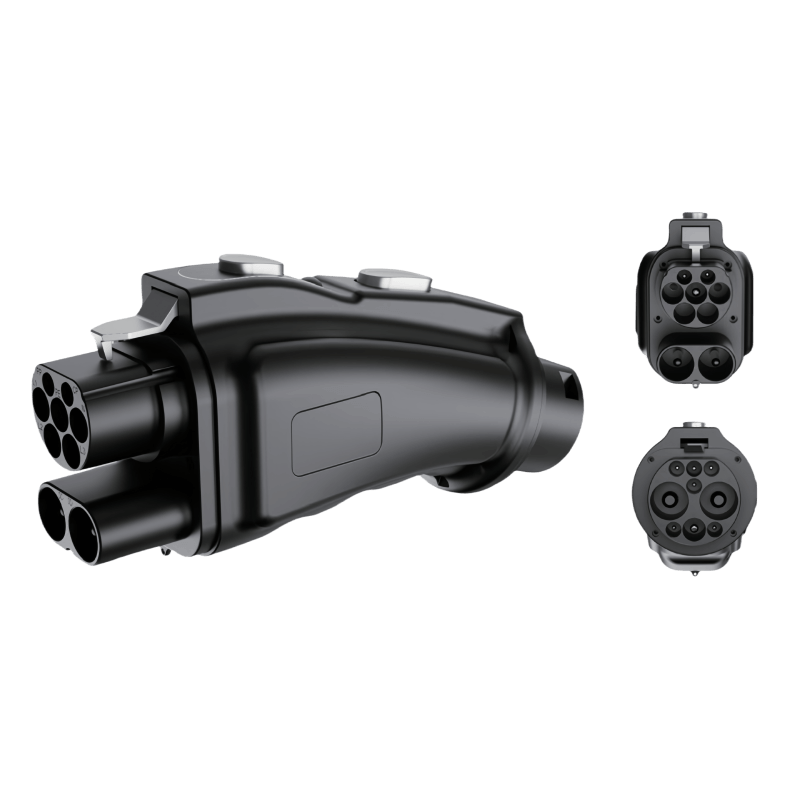
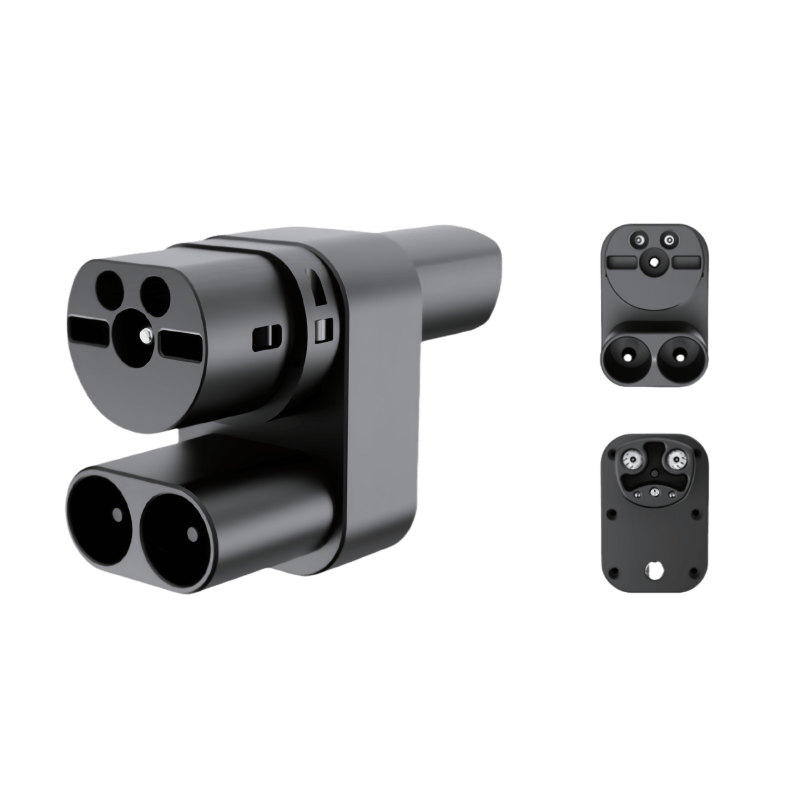
Они пропускают наибольший ток и сопряжены с наибольшим риском. Адаптеры, соединяющие два типа разъемов, требуют особого внимания, поскольку путь прохождения тока пролегает через деталь, которая изначально не входила в конструкцию разъема.
Адаптер для быстрой зарядки автомобиля, предназначенный для использования в салоне автомобиля
Эта категория включает устройства, которые подключаются к низковольтной розетке и обеспечивают питание телефонов, планшетов и ноутбуков. Уровень мощности здесь ниже, но принципы выбора остаются прежними. Проверьте версию протокола, убедитесь, что выходная мощность определяется по согласованию, а не зафиксирована, и обратите внимание на то, как устройство справляется с нагревом в салоне автомобиля летом.
Портативные устройства быстрой зарядки
В портативных устройствах удобство использования достигается за счет снижения мощности. Здесь возникают вопросы о сроке службы гибкого кабеля, надежности крепления разъемов, а также о том, соответствует ли герметичность блока управления заявленным характеристикам.
| Категория | Типичная оценка | Основное назначение | Что следует проверить в первую очередь |
| Адаптер для быстрой зарядки постоянным током | До 500 А постоянного тока | Общественные и автопарковые станции зарядки постоянным током | Повышение температуры и блокировка защелки |
| Адаптер для быстрой зарядки автомобиля | Низковольтный выход, мощность в десятки ватт | Зарядка устройств в автомобиле | Версия протокола и термозащита |
| Портативное устройство для быстрой зарядки | Несколько киловатт | Резервное копирование и использование на мобильных устройствах | Степень защиты и срок службы гибкого кабеля |
Как провести оценку и проверку поставщика перед размещением заказа
Каждый раз следуйте одной и той же последовательности: сначала документы, затем образцы, потом завод, а затем небольшой пробный заказ, прежде чем принять решение о крупном заказе.
Примерный контрольный список для тестирования
Проведите испытания образцов самостоятельно или с привлечением сторонней организации при номинальном токе, в условиях повышенной температуры окружающей среды и в ходе многократных циклов соединения. Зафиксируйте температуру корпуса. Проведите одно и то же испытание на двух конкурирующих образцах одновременно, поскольку сравнение даст вам больше информации, чем любой отдельный результат.
Посещение завода и аудит
Пойдите посмотрите на производственную линию или наймите кого-нибудь из местных, чтобы это сделал. Попросите разрешения понаблюдать за проверкой партии продукции. Спросите, что происходит с изделием, которое не прошло проверку. Поставщик, который даст четкий ответ на этот вопрос, как правило, имеет отлаженную систему качества.
Переговоры о минимальном объеме заказа и сроках поставки
Минимальный объем заказа (MOQ) и срок выполнения заказа зависят от наличия инструментов. Для изделий, изготавливаемых по индивидуальному заказу, минимальный объем заказа выше, тогда как для каталожных изделий — ниже. Уточните, какую долю срока выполнения заказа занимает производство, а какую — испытания и сертификация, поскольку именно во второй половине этого периода чаще всего возникают задержки.
Предупреждающие признаки, указывающие на ненадежность поставщика
Следует с осторожностью относиться к поставщику, который не может предоставить протокол испытаний по запросу, указывает номинальные характеристики без данных о температуре или осуществляет отгрузку с адреса, не совпадающего с адресом, указанным в сертификате.
Стоит обратить внимание и на другие признаки. Размеры продукта полностью совпадают с размерами аналога конкурента. В техническом паспорте указаны сертификаты без номеров. Цена резко снижается, как только вы выражаете несогласие. Образцы поставляются без какой-либо документации. Ни один из этих признаков сам по себе не доказывает, что поставщик ненадежен. Но два или три из них вместе, как правило, уже указывают на это.
Стоимость, минимальный объём заказа и совокупная стоимость владения
Сравнивайте поставщиков по стоимости за рабочий год, а не по стоимости за единицу. Прежде чем принять решение, прибавьте к цене за единицу показатель отказов, затраты на обслуживание гарантийных обязательств, а также затраты, связанные с задержкой или отклонением поставки.
| Фактор, влияющий на затраты | Что заставляет его двигаться | Как сравнивать поставщиков |
| Цена за единицу | Контактный материал, покрытие, тип инструмента | Сравнивайте по одинаковым техническим характеристикам, а не по одинаковым фотографиям |
| Коэффициент отказов и возвратов | Теплотехническое проектирование, серийные испытания | Запросите данные по аналогичной позиции |
| Сертификация и соответствие требованиям | Рыночное присутствие, которым уже обладает поставщик | Убедитесь, что имеющиеся сертификаты охватывают ваш рынок |
| Риск задержки поставки | Проверка глубины, поиск поставщиков компонентов | Спросите, какую долю от общего времени выполнения заказа занимает тестирование |
| Гарантия и послепродажное обслуживание | Запасные части и порядок оказания сервисных услуг | Перед оформлением заказа уточните условия в письменной форме |
Поставщик, у которого цена за единицу выше, но годовая стоимость ниже, — это более выгодный выбор. Чтобы прийти к такому выводу, сначала нужно проделать некоторую работу, и именно эта работа не позволяет первому контейнеру стать последним.
Часто задаваемые вопросы
Как проверить подлинность сертификатов поставщика адаптеров для быстрой зарядки?
Попросите предоставить сразу три документа: сертификат, протокол испытаний, на котором он основан, и название лаборатории, выдавшей сертификат. Затем проверьте, соответствует ли модель, указанная в сертификате, тому товару, который вы покупаете. Большинство аккредитованных лабораторий ведут онлайн-каталоги, в которых можно выполнить поиск по номеру сертификата. Если поставщик присылает только изображение сертификата без протокола испытаний и номера, рассматривайте это как неполный ответ, а не как отказ.
Какой минимальный объем заказа следует ожидать при заказе адаптеров для быстрой зарядки?
Это зависит от того, покупаете ли вы каталожный товар или заказываете изготовление инструментов. Для адаптеров из каталога минимальный объем заказа (MOQ) обычно ниже, поскольку инструмент уже имеется, а производственная линия настроена. Для изделий по индивидуальному проекту минимальный объем заказа выше, чтобы покрыть затраты на изготовление инструмента и настройку линии. Попросите поставщика разделить эти два варианта и уточните, снижается ли минимальный объем заказа при повторных заказах после того, как затраты на инструмент окупятся.
Может ли один поставщик обеспечить поставку как адаптеров переменного, так и постоянного тока?
Некоторые поставщики могут это делать, но их компетенции не всегда пересекаются. Быстрая зарядка постоянным током требует более высокой токопередачи, более тщательной тепловой расчетной конструкции и более тщательного тестирования протоколов. Адаптеры переменного тока проще, но все равно должны соответствовать стандартам, касающимся разъемов и безопасности. Если поставщик заявляет о поддержке обоих типов зарядки, попросите предоставить протоколы испытаний по каждой линейке продукции отдельно, а не принимайте один сертификат в качестве подтверждения соответствия другой.