
The idea is appealing, right? A charging station that runs entirely on sunlight. No grid connection, no utility bills, just clean energy going straight into electric vehicles. It sounds like the obvious next step. But having seen a few of these setups in the wild—and watched some projects try to make it work—the reality is a bit more complicated than the marketing materials suggest.
So can Bornes de recharge pour VE actually be solar powered? The short answer is yes. The longer answer involves batteries, grid connections, and some honest math about how much sun actually hits the ground.
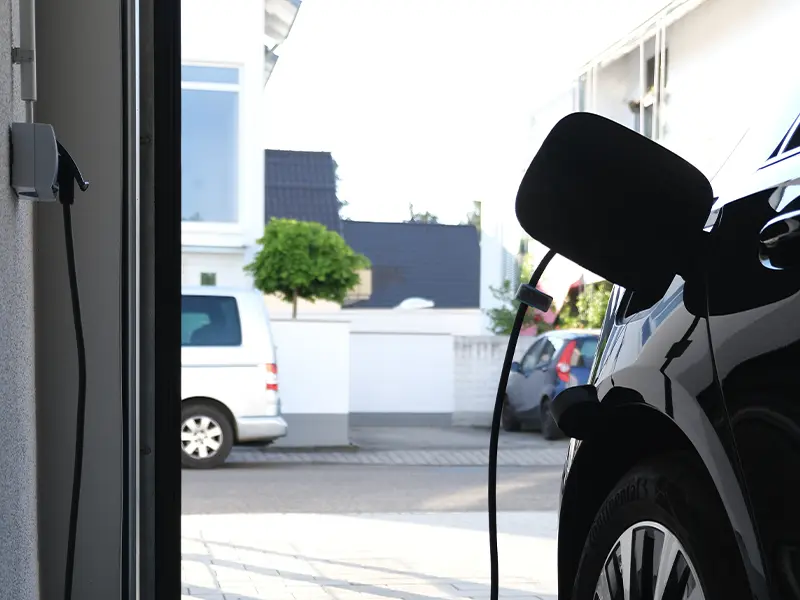
How a Solar-Powered EV Charging Station Is Supposed to Work
In theory, it’s straightforward. Solar panels generate DC electricity. That power either goes directly to the charger or gets stored in batteries for later use. A vehicle pulls up, and the energy comes from the sun.
But here’s where things get less tidy. Solar panels only produce power during the day, and only at their rated capacity when the sun is high and the sky is clear. A typical EV charging station—especially one with DC fast chargers—draws a lot of power very quickly. A car charging at 150 kW pulls that amount for maybe 20 to 30 minutes. Solar panels don’t produce at that rate in a burst; they produce steadily over many hours.
The Battery Buffer
Most solar-powered charging setups rely on batteries to bridge the gap. The panels charge a battery bank throughout the day. When a vehicle arrives, the charger pulls from the batteries. If the batteries run low, either the station slows down the charging speed or it falls back to grid power.
That’s the part that often gets glossed over. A truly off-grid solar charging station needs a massive battery system to handle peak demand. We’re talking about something that looks less like a parking spot and more like a shipping container full of batteries.
Grid-Tied vs. Off-Grid Solar for EV Charging Stations
There’s a meaningful difference between these two approaches, and it shapes everything about the project.
| Approach | Comment ça marche | Pros | Cons |
|---|---|---|---|
| Grid-Tied Solar | Solar panels feed into the grid; chargers pull from the grid. Net metering offsets costs. | Lower upfront cost, reliable power, no huge battery bank needed. | Not truly “solar powered” in a direct sense; still relies on grid. |
| Off-Grid Solar | Panels charge batteries; chargers pull from batteries only. No grid connection. | Full independence, works in remote locations. | Massive battery required, high upfront cost, charging speeds can be inconsistent. |
| Hybrid (DC Coupled) | Solar and batteries work together; grid serves as backup. | Balances cost and reliability, qualifies for some incentives. | More complex system design, still needs significant battery capacity. |
What’s been observed is that most projects that claim to be “solar powered” are actually grid-tied with solar offsetting the energy usage. Which is fine—it still reduces carbon footprint and lowers operating costs. But it’s not the same as a station that works when the grid is down.
The Real Challenge: Power Density
This is the part that doesn’t get talked about enough. EV charging stations that offer fast charging need power in big bursts. Solar panels produce power in a steady trickle.
A quick comparison:
• A single 150 kW DC fast charger, used for 10 hours a day at 50% utilization, needs roughly 750 kWh of energy daily.
• To generate that much solar power, a system would need about 200-250 kW of solar panels—roughly the size of a large warehouse roof or a significant ground-mounted array.
• That’s just for one charger.
Multiply that by four or six chargers, and the land area required becomes substantial. Most commercial sites simply don’t have that much usable roof or ground space.
What About Level 2 Chargers?
For slower charging, solar makes more sense. A Level 2 charger at a workplace or apartment complex draws 7-20 kW over several hours. That aligns better with solar production curves. A vehicle parked all day can charge slowly from solar without needing massive batteries.
So when someone asks whether EV charging stations can be solar powered, the more precise answer is: slower ones, yes, fairly easily. Fast ones, technically possible but usually not practical without grid backup.
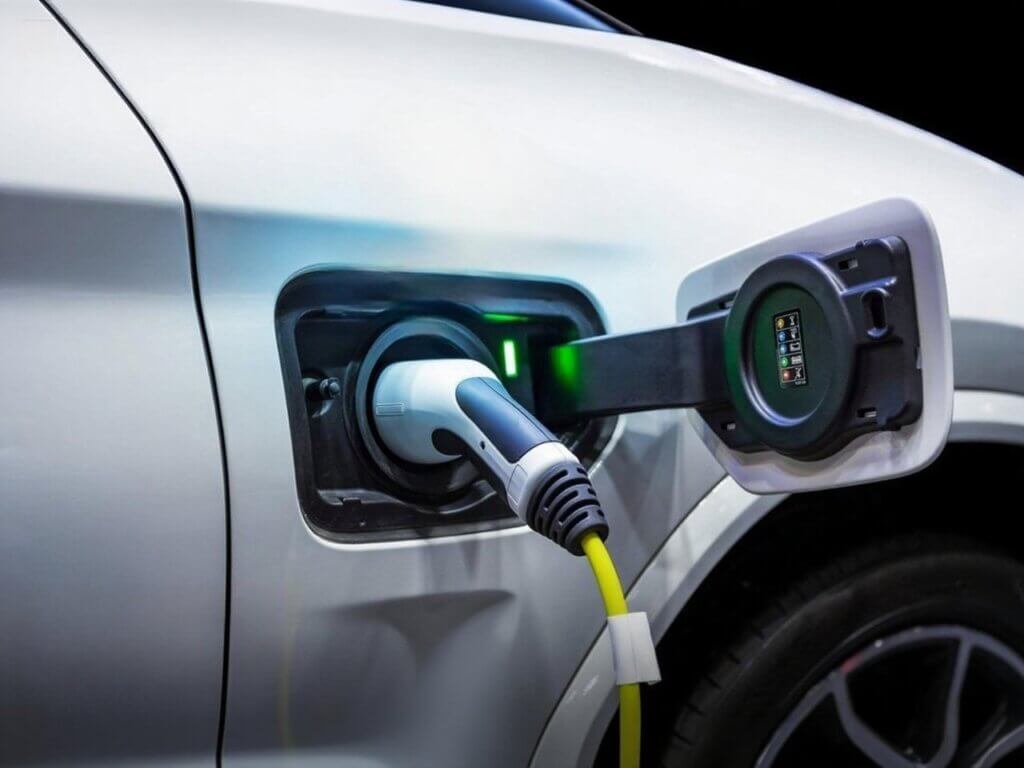
Where Solar-Powered Charging Actually Works
There are places where this setup makes sense, and it’s not usually in a busy highway corridor.
Good candidates:
• Remote locations where grid connection costs are prohibitive
• Fleet depots where vehicles return and park for hours
• Workplace charging with daytime parking
• Destinations where visitors stay for extended periods
Tough candidates:
• Highway fast-charging sites with high throughput
• Urban fast-charging hubs with limited space
• Any site expecting 24/7 operation with peak demand in evenings
The sites that have successfully run solar-powered fast charging tend to be demonstration projects or carefully controlled pilot sites. They often use a DC Charging Station setup with a hybrid approach—solar and batteries handling daytime loads, grid covering the rest.
Testing and Commissioning Considerations
One thing that becomes more critical with solar-plus-battery systems is testing. When multiple power sources (solar, battery, grid) interact with the charger, the potential for communication issues increases. Using an EV Charger Testing Device during commissioning helps verify that the handoffs between sources happen smoothly. It’s not uncommon for these hybrid systems to have glitches where the charger expects grid power but receives battery power at slightly different voltage characteristics.
The Cost Reality
There’s no way around it: adding solar and batteries to EV charging stations adds significant upfront cost.
Typical cost breakdown for a fast charging site:
• Chargers alone: $30,000–$60,000 per unit (for hardware)
• Electrical infrastructure: $50,000–$150,000 depending on site
• Solar array: $1.00–$1.50 per watt installed, so 200 kW = $200,000–$300,000
• Battery storage: $400–$700 per kWh. For a 500 kWh battery bank, that’s $200,000–$350,000
Add it all up, and a solar-powered fast charging site can easily cost twice what a grid-only site costs. The payback comes from lower electricity bills and potential incentives—but those incentives don’t cover everything.
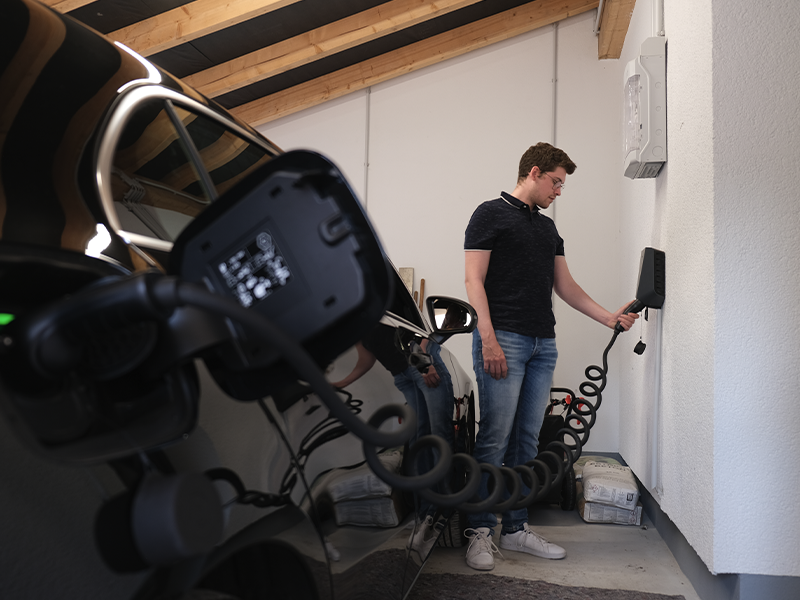
What the Future Looks Like
Things are trending in a direction where solar and charging make more sense together. A few developments worth watching:
1. Vehicle-to-grid (V2G): Eventually, parked EVs themselves could serve as battery storage for solar energy.
2. More efficient panels: Higher wattage per square foot means smaller arrays for the same output.
3. Lower battery costs: Lithium-ion prices have been trending down over the long term.
4. DC-coupled architecture: Newer systems that keep power in DC from panels to charger (without converting to AC and back) improve efficiency.
There’s also a growing interest in canopy-mounted solar over parking lots. That solves two problems—generating power and providing shade—without taking up additional land.
FAQ
Can a DC fast charger run entirely on solar power without the grid?
In theory yes, but it requires a very large battery bank to handle peak demand. Most real-world installations use the grid as backup or rely on grid-tied solar with net metering.
How much land is needed for solar to power a fast charging station?
Roughly 1 acre of solar panels can support one to two fast chargers with battery storage, depending on utilization. For multiple chargers, the land requirement grows quickly.
Are solar-powered charging stations eligible for incentives?
Yes, many federal, state, and utility incentives apply to both solar installations and EV charging equipment. Some programs specifically encourage pairing the two.



 French
  English
  Spanish
  Portuguese
  Russian
  German
  Italian