
The transition to electric vehicles is accelerating faster than most predicted. Driveways, fleet depots, and public parking lots are rapidly transforming into charging hubs. Yet in this rush toward electrification, one crucial question often gets reduced to a footnote: Is my EV charger actually safe?
Here is the uncomfortable truth: not all EV chargers are built equal. While the industry focuses heavily on charging speed and smart features, EV Charger safety remains the invisible backbone that separates reliable equipment from potential hazards. Whether you are a homeowner installing your first Level 2 station or a facility manager overseeing dozens of units, understanding what actually determines EV Charger safety can prevent everything from daily frustration to catastrophic failure.
Let’s move beyond the marketing brochures. Here are the seven non-negotiable safety considerations that define a truly safe EV charger.
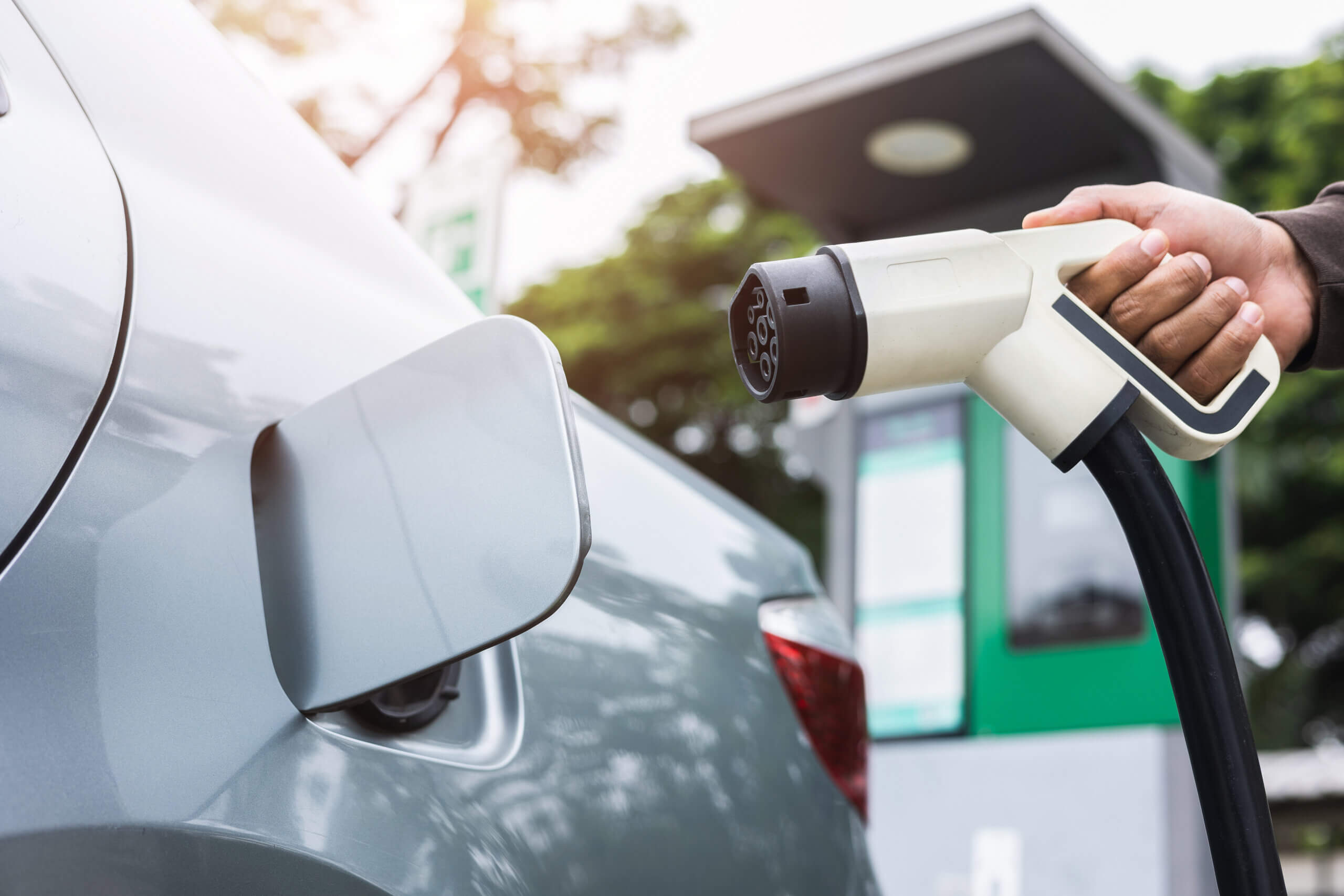
Electrical Safety: The Non-Negotiable Foundation of EV Charger Safety
Electricity and human hands rarely mix well. A genuine EV Charger must treat electrical protection not as a checkbox exercise, but as architectural bedrock.
Ground Fault Protection: Your Last Line of Defense
Ground Fault Circuit Interrupters are not new technology, yet many budget EV chargers still implement them poorly. A GFCI constantly monitors the current flowing between hot and neutral. When it detects even minuscule leakage—as low as 4-6 milliamps—it should trip within milliseconds. This is not just about preventing nuisance tripping; it is about preventing ventricular fibrillation. Any EV Charger safety discussion that omits rigorous GFCI implementation is incomplete.
Overcurrent and Surge Protection
Your home experiences voltage spikes. Sometimes they come from grid switching; other times, from a nearby lightning strike. A properly designed EV Charger incorporates Metal Oxide Varistors or gas discharge tubes rated for repeated surge absorption. Without adequate surge protection, a single storm can silently degrade internal components, creating failure risks months later.
| Protection Type | What It Prevents | Why It Matters for EV Charger Safety |
|---|---|---|
| GFCI | Electrocution | Catches micro-leaks before they reach your body |
| Overcurrent | Wire insulation meltdown | Prevents internal fire ignition sources |
| Surge protection | Gradual component death | Extends charger lifespan, prevents unexpected failure |
Thermal Management: The Overheating Risk Most Users Ignore
Heat is electricity’s exhaust fume. You cannot see it, but it progressively destroys insulation, degrades semiconductor junctions, and increases resistance—which generates more heat in a vicious cycle. This is where EV Charger safety meets materials science.
Operating Temperature: Beyond the Spec Sheet
Most chargers claim operation from -30°C to +50°C. The difference lies in what happens when you approach those limits. Low-quality units simply shut down abruptly, potentially leaving you stranded. Better designs employ intelligent thermal throttling—gradually reducing charge current to maintain safe junction temperatures.
Connector Temperature Monitoring
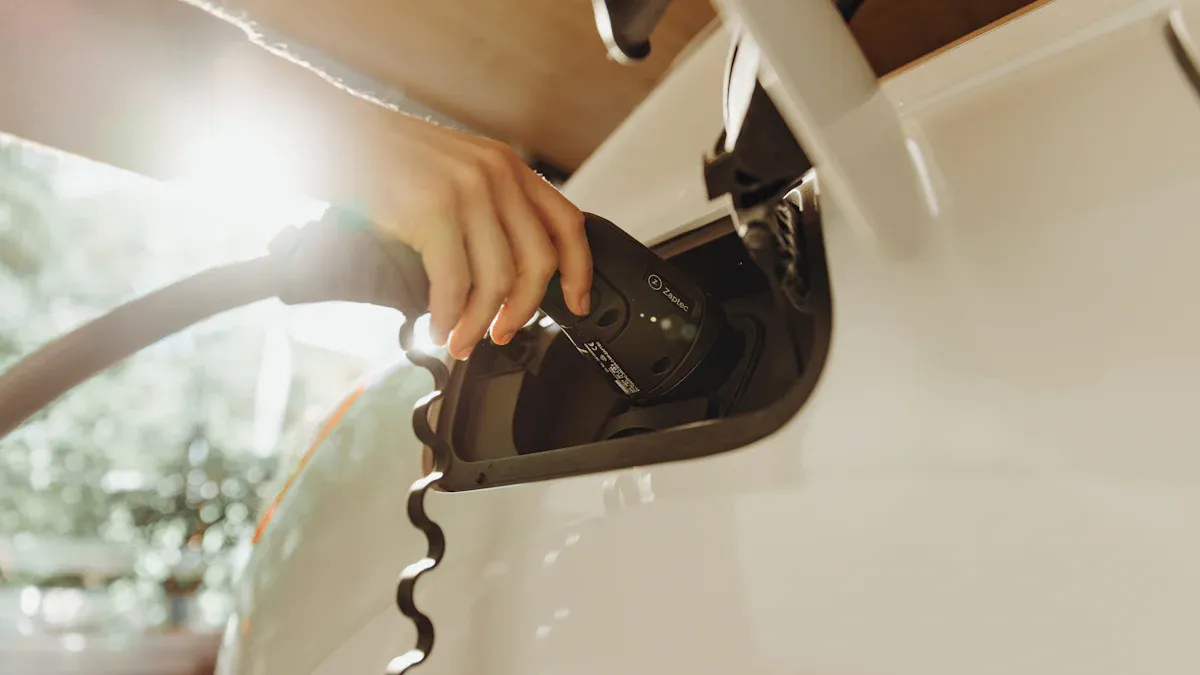
The charging handle takes the most abuse. It sits in direct sunlight, gets dropped on concrete, and carries high current through small contact surfaces. Advanced EV Charger safety protocols now include connector temperature sensors that communicate directly with the charger. If the handle overheats, the system reduces amperage before the plastic begins to soften.
A EV charger that runs cool today is a charger that runs safely next year.
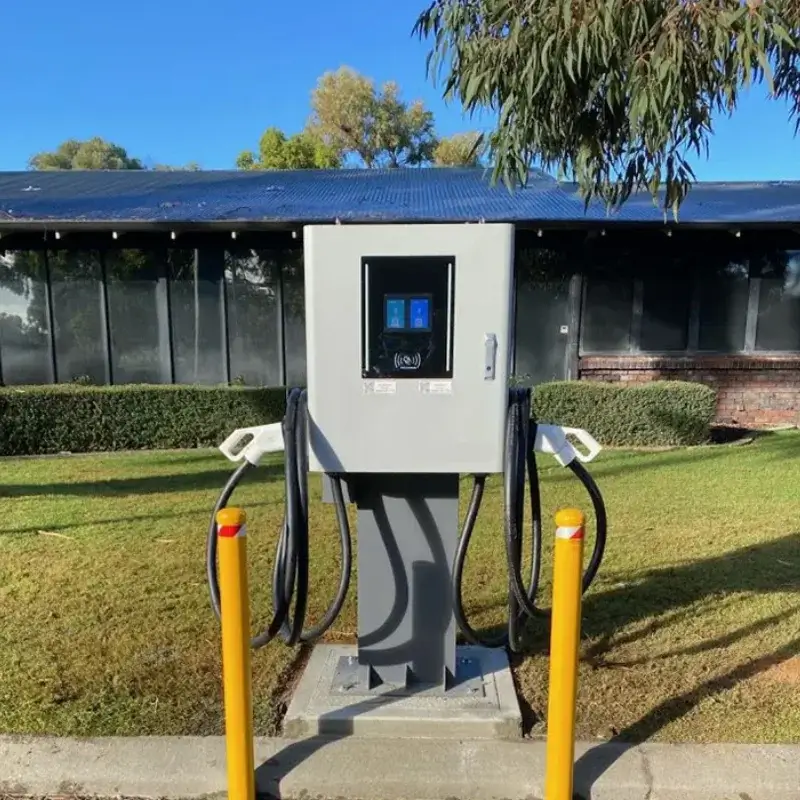
Cable and Connector Durability: Where Safety Meets Physics
The cable is the charger’s most abused component. It gets twisted, stepped on, driven over, and yanked at awkward angles. Yet EV Charger safety standards for cables vary wildly between manufacturers.
Mechanical Stress and Connection Integrity
Loose connections generate heat. Repeated plugging and unplugging inevitably wears down contact surfaces. The difference between a safe charger and a fire risk often comes down to how many insertion cycles the connector is rated for—and whether the manufacturer was honest about that number.
Cable Material: TPU vs. PVC
Standard PVC sheathing becomes stiff and brittle in cold climates and softens uncomfortably in heat. Thermoplastic polyurethane retains flexibility across a wider temperature range and resists abrasion significantly better. For outdoor or high-traffic installations, cable jacket material directly impacts long-term EV Charger safety.
Essential Cable Safety Checks (Monthly Routine):
Run your hand along the cable—any bulges or flat spots indicate internal damage
Inspect connector pins for discoloration (blue/black indicates overheating)
Verify the strain relief at both ends is not pulling away from the housing
Listen for buzzing or crackling during charging sessions
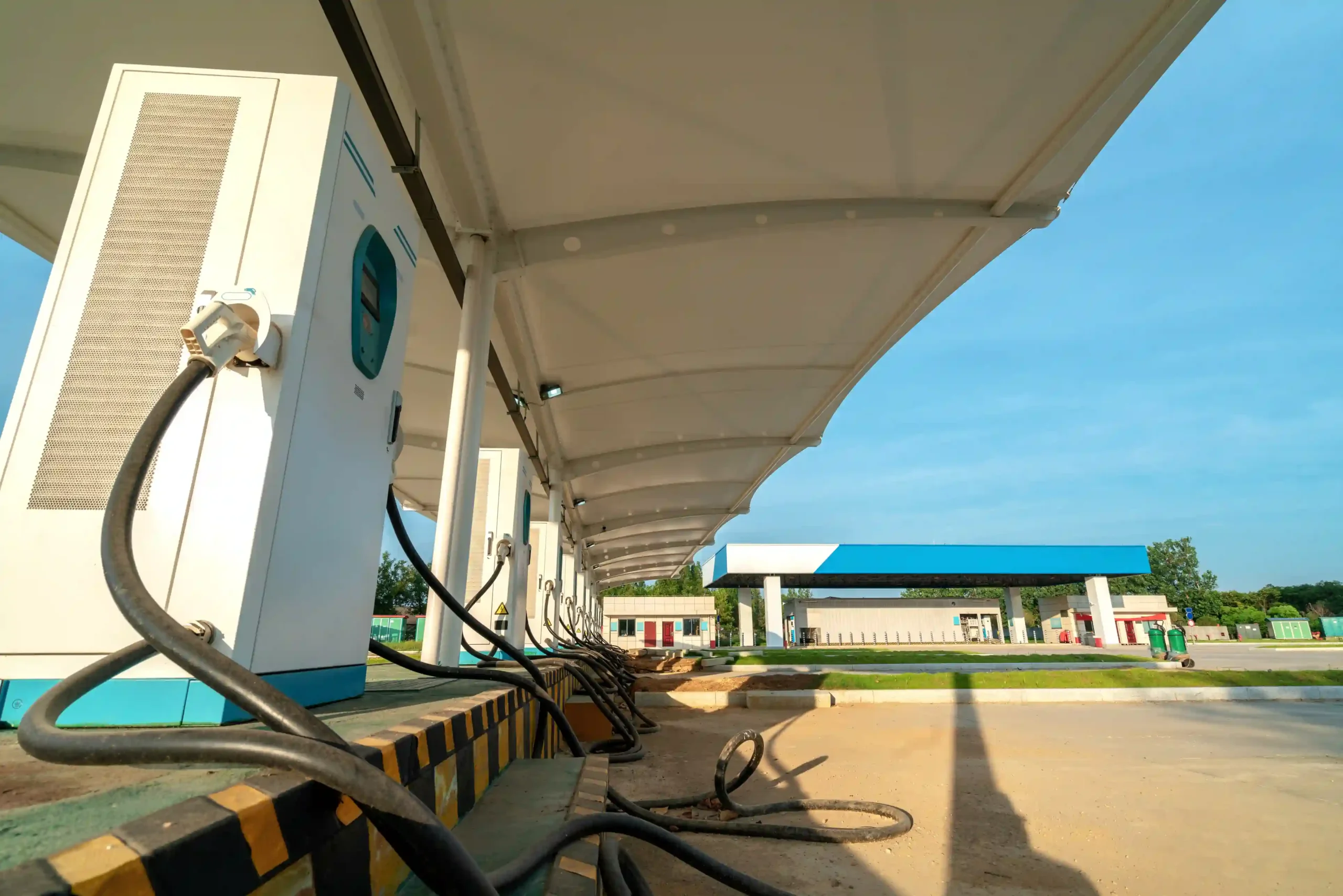
Environmental Adaptability: Indoor vs. Outdoor Realities
Many “indoor only” EV chargers end up installed outdoors because it is convenient. This is rarely reversible. Understanding environmental ingress is fundamental to EV Charger safety.
IP Ratings: What the Numbers Actually Mean
IP54 offers dust protection and water spray resistance. IP65 provides complete dust protection and low-pressure water jets. IP67 can survive temporary submersion. There is no universally “correct” rating—only the correct rating for your specific installation environment.
Ultraviolet Degradation and Corrosion
Plastics exposed to direct sunlight undergo UV degradation. The surface becomes chalky, then brittle, then cracks. Similarly, coastal installations face salt spray that corrodes internal fasteners and PCB traces. Genuine EV Charger safety certifications require UV-stabilized enclosures and conformal-coated circuit boards for outdoor-rated units.
| Environment | Minimum IP Rating | Additional Requirements |
|---|---|---|
| Indoor garage, no water exposure | IP20 | None |
| Covered outdoor (carport) | IP44 | UV-stabilized housing |
| Open outdoor, direct rain | IP54+ | Corrosion-resistant fasteners |
| Coastal/industrial | IP55+ | Conformal coated PCB, stainless steel |
User Interface and Emergency Mechanisms
Safety is not just about passive protection. When something goes wrong, the user needs immediate, unambiguous feedback and the ability to stop the session instantly.
The Emergency Stop Button: Placement Matters
A bright red, mushroom-style emergency stop button should be reachable without bending down or searching. It should require a twisting motion to reset, preventing accidental reactivation. While smart apps offer remote stop functionality, they cannot replace a physical kill switch when you see smoke or hear arcing.
Visual and Audible Fault Indication
Flashing red lights are useless if the user does not know what they mean. Clear, standardized LED patterns—or better, small LCD screens—should communicate fault states. Is it a ground fault? Overheating? Grid power issue? This distinction matters for both safety and troubleshooting.
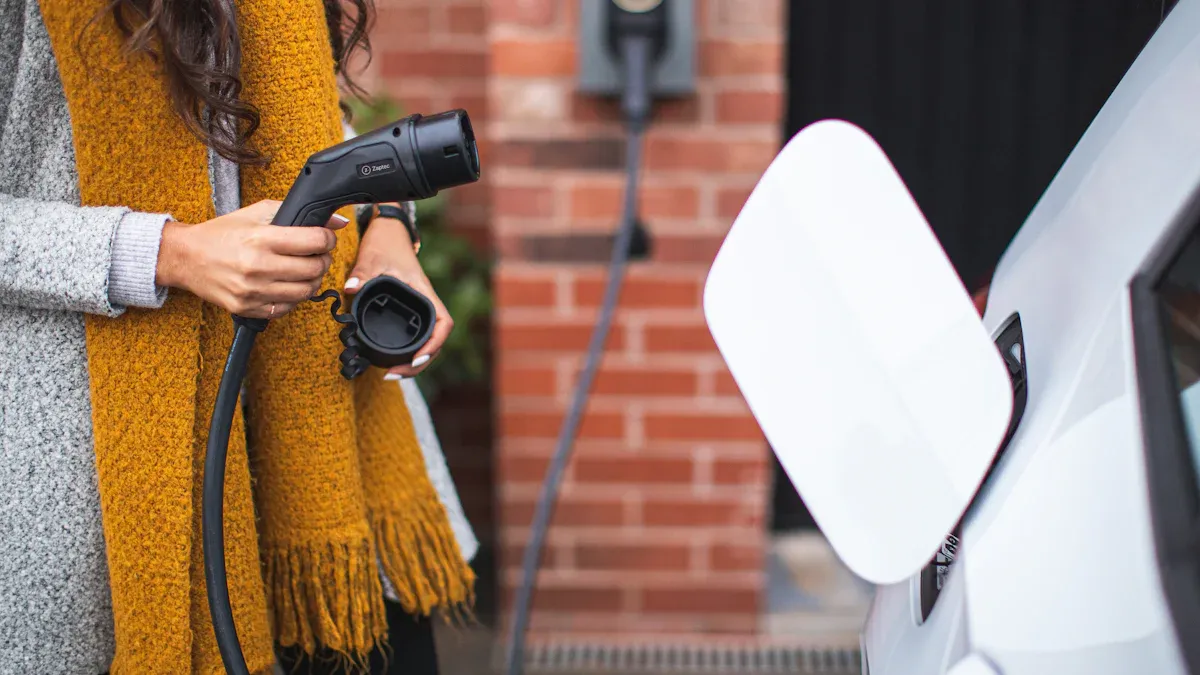
Compliance with International Certifications
This section typically reads like fine print, but here is the reality: EV Charger safety is largely unregulated in many markets unless third-party certifiers get involved. Self-declared “CE” marks on budget chargers often mean nothing.
What Certification Actually Requires
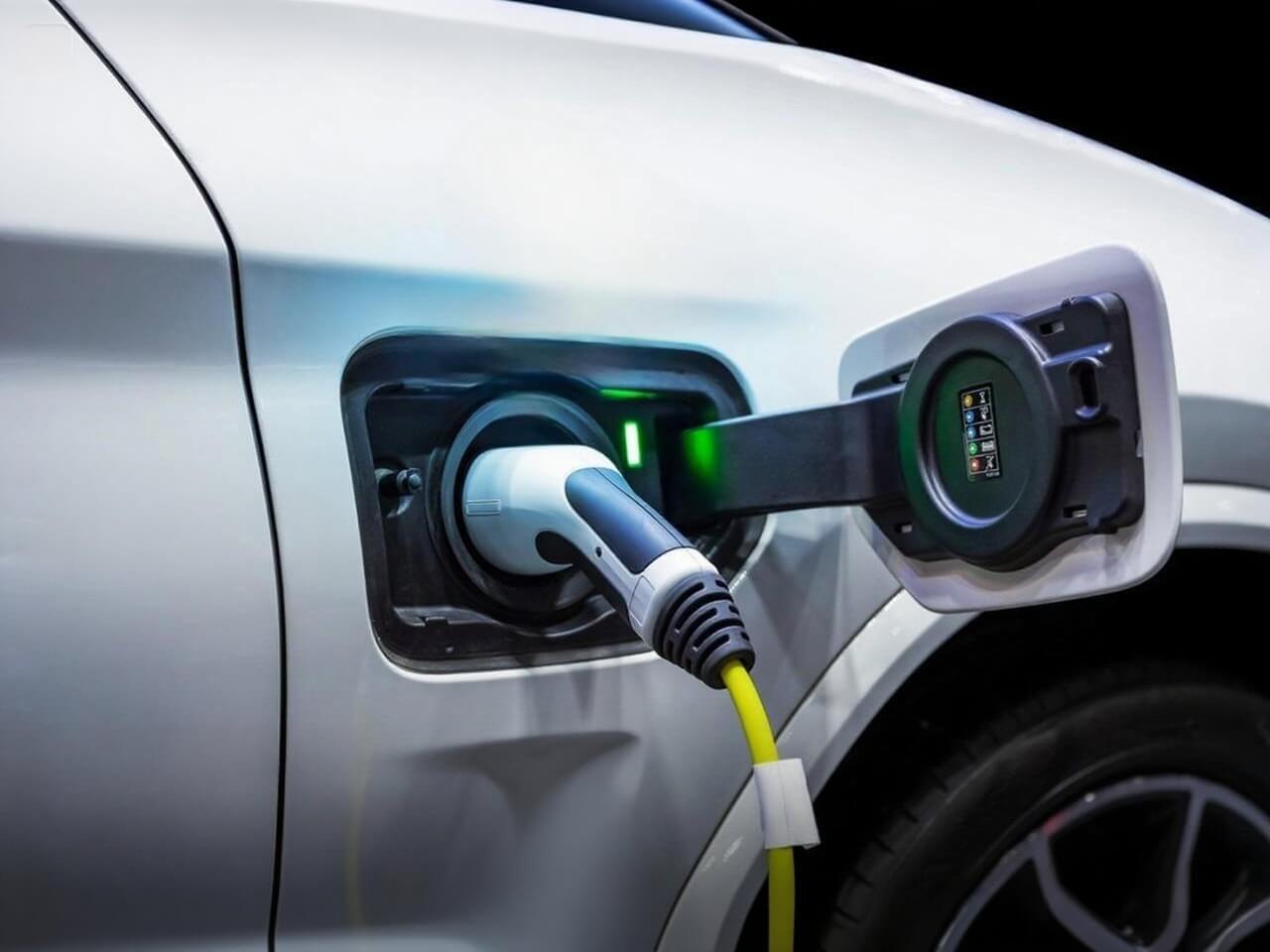
UL listed (North America) or TÜV certified (Europe) units undergo:
Dielectric voltage withstand tests
Abnormal operation simulations (blocked fan, failed sensor)
Thermal cycling and humidity aging
Impact resistance verification
Why Non-Certified Chargers Are a Gamble
A charger without proper certification may still work perfectly for years. It may also internally short circuit after 14 months, leaving you with a melted socket and an insurance company asking for proof of compliance. Third-party certification is not a marketing badge; it is engineering traceability.
Recognized EV Charger Safety Certifications
UL 2594 (North America – EV charging stations)
IEC 61851-1 (International – conductive charging)
IEC 62196 (International – plugs and sockets)
CE (EU – only credible with notified body involvement)
Routine Maintenance and Firmware Updates
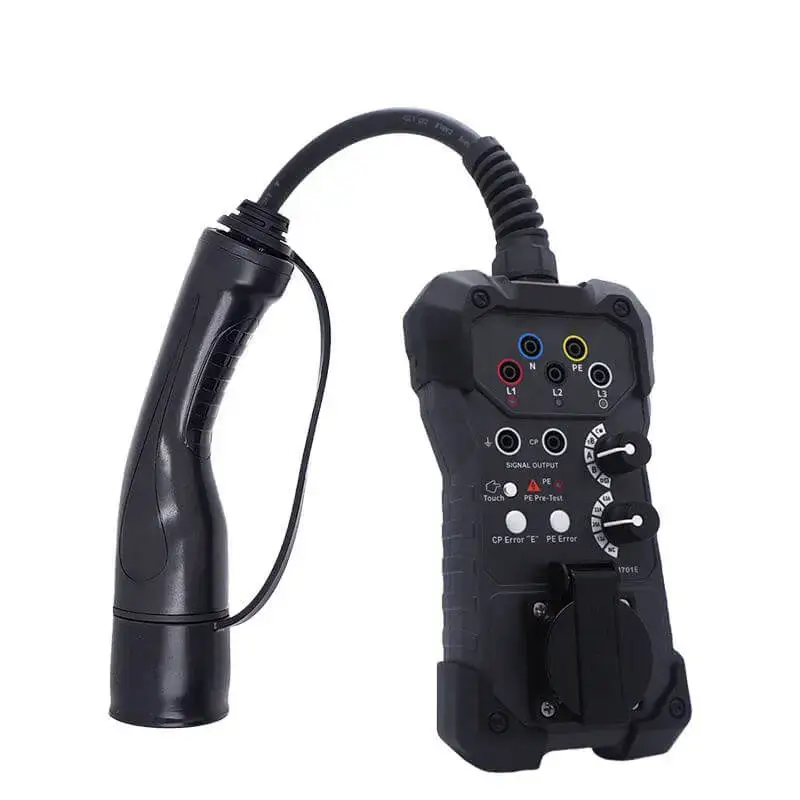
An EV charging station installed today will likely still be operating in 2035. Hardware degrades; software contains undiscovered edge cases. Ongoing EV Charger safety requires both physical inspection and digital hygiene.
The Physical Checklist
Once a quarter, walk your installation:
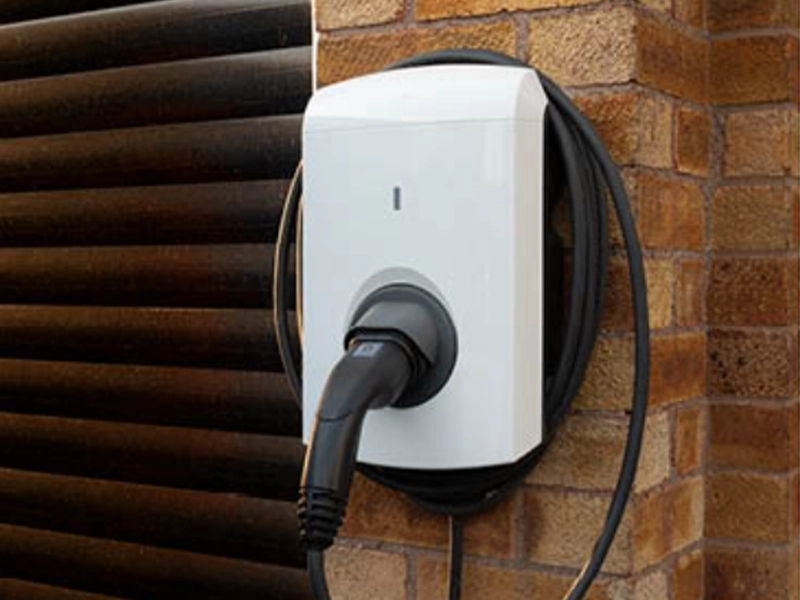
Check for animal nesting inside wall-mounted units
Verify that wall anchors have not loosened
Feel the rear of the unit during operation—should be warm, not hot
Examine cable entry points for abrasion
The Digital Reality
Smart chargers receive firmware updates. Some fix connectivity bugs; others patch security vulnerabilities or improve charge curve algorithms. A charger that cannot receive updates is a charger that cannot adapt to newly discovered electrical grid anomalies or evolving safety standards.
Conclusion: Safety Is Not an Option, It Is a Standard
We have covered electrical protection, thermal behavior, mechanical durability, environmental resilience, user controls, certification rigor, and lifecycle maintenance. Each of these seven areas represents a potential failure point. More importantly, each represents an opportunity for genuine engineering to prevent that failure.
EV Charger safety is not a single feature you can tick off a comparison chart. It is the cumulative result of hundreds of design decisions—from the grade of copper in the transformer to the quality of the thermal paste under the heatsink.
When you choose an EV charger, you are not just buying kilowatts. You are buying the assurance that the equipment connected to your home or business will not become a liability. You are buying verified compliance rather than self-declared claims.
Do not compromise on the invisible stuff.
More information:
FAQ
Is it safe to use an EV charger in the rain?
Yes, provided the unit has an appropriate IP rating (minimum IP54 for direct rain exposure) and the cable connections are fully seated. Modern EV charging connectors are designed to withstand water ingress during charging sessions.
How often should I replace my EV charging cable?
Residential cables with daily use typically show visible wear after 3-5 years. Replace immediately if you see exposed conductors, brittle sheathing, or if the connector exhibits looseness when plugged in.
What is the safest type of EV charger for home use?
For residential installations, a professionally installed Level 2 charger with UL or TÜV certification, GFCI protection, and temperature-monitored connector offers the highest safety margin. Avoid “smart” features that rely on unsecured cloud connections.
Can I use an extension cord with my EV charger?
No. Extension cords lack the continuous current rating and conductor gauge required for EV charging. The voltage drop creates heat; the heat creates risk. Always plug directly into a properly rated wall receptacle.
What does the blinking red light on my charger mean?
Refer to your specific model’s manual. Generally, continuous red indicates a ground fault; slow blinking red suggests overheating; fast blinking red typically signals a communication failure between the charger and vehicle.


 English
  Spanish
  Portuguese
  French
  Russian
  German
  Italian