
Walking into the world of electric vehicles can feel a bit like learning a new language. Range anxiety, kilowatt-hours, regenerative braking… and then there’s the whole charging situation. It’s not exactly plug-and-play like filling up at a gas station.
One of the first things that trips people up? Understanding the different types of EV charging stations available. Because not all chargers are created equal—some take forever, some cost a fortune, and some aren’t even compatible with certain vehicles.
Here’s a breakdown that actually makes sense.
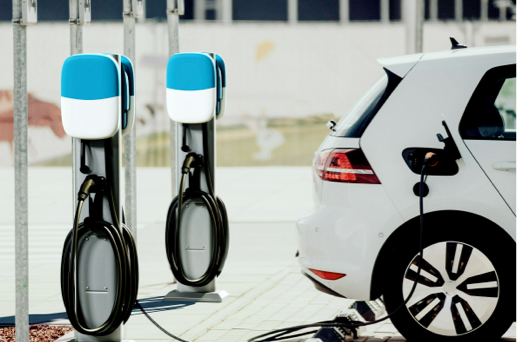
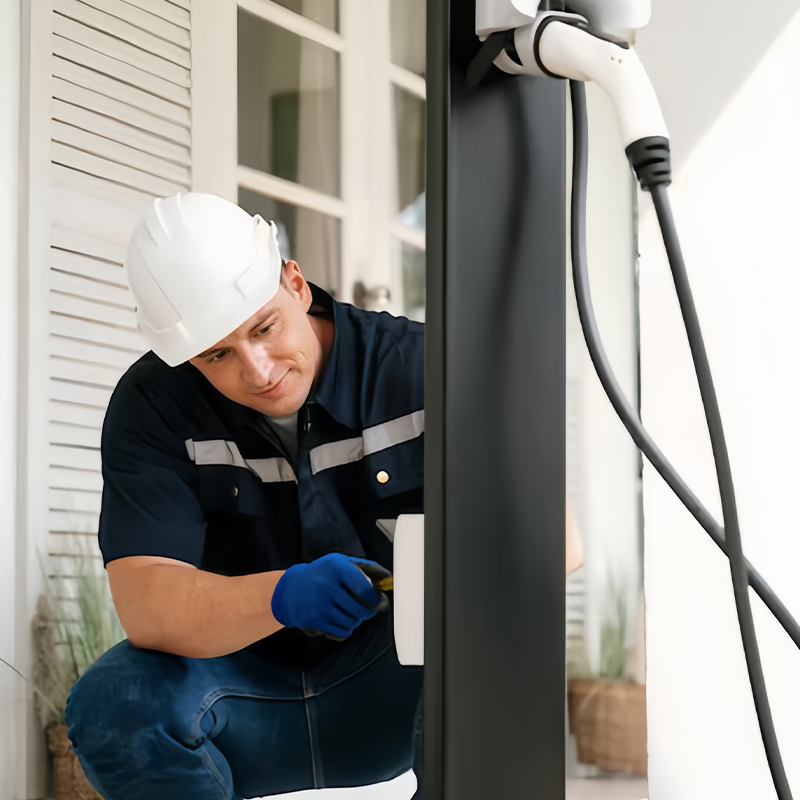
EV Charging Station
The Three Main Types of EV Charging Stations
At the most basic level, EV chargers fall into three categories. The industry calls them Level 1, Level 2, and Level 3 (or DC Fast Charging). Each serves a different purpose, and honestly, most EV owners end up using at least two of them regularly.
Level 1 Charging — The Slow and Steady Option
This is the charger that comes bundled with most new electric vehicles. It plugs into a standard 120-volt household outlet—the same kind used for lamps and phone chargers.
Sounds convenient, right? Well, sort of. The problem is speed. Level 1 charging adds roughly 3 to 5 miles of range per hour. For someone with a long commute, that’s painfully slow. Leaving the car plugged in overnight might only recover 40 miles or so.
Best for:
• Plug-in hybrids with small batteries
• Drivers with very short daily commutes
• Emergency backup charging
Level 2 Charging — The Sweet Spot for Most People
Level 2 is where things get practical. These chargers run on 240-volt circuits (like what powers an electric dryer) and can add anywhere from 12 to 80 miles of range per hour, depending on the unit’s amperage.
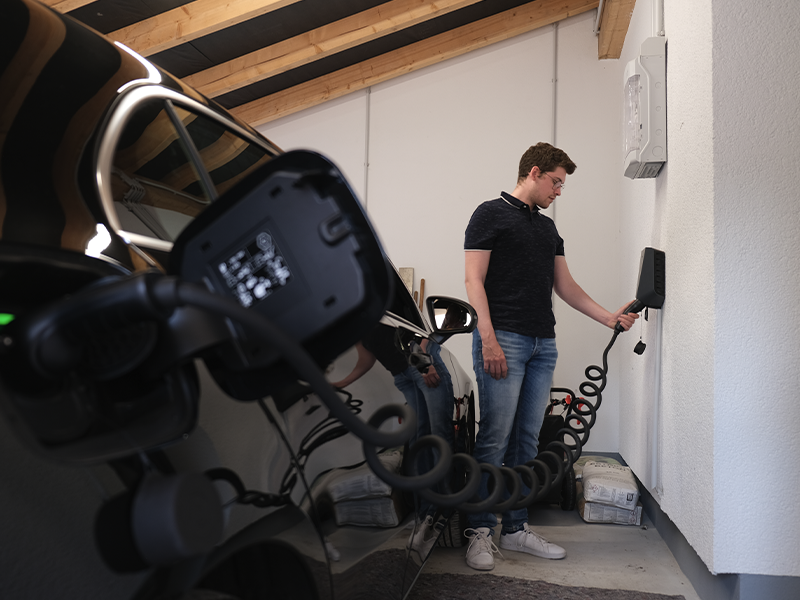
Most public charging stations at shopping centers, workplaces, and parking garages are Level 2. Home installations are also predominantly this type. Among all the types of EV charging stations, Level 2 hits the best balance between cost, speed, and accessibility.
Typical specs:
• 16 to 80 amps
• 3.3 kW to 19.2 kW output
• Full charge overnight for most EVs
Level 3 / DC Fast Charging — When Time Is Everything
DC fast chargers are the heavy hitters. These stations bypass the car’s onboard charger entirely and pump direct current straight into the battery. The result? Some vehicles can go from 10% to 80% in under 30 minutes.
But there’s a catch (there’s always a catch). DC fast charging infrastructure is expensive to build and operate, so it’s mostly found along highways and in urban commercial areas. Using it frequently also generates more heat in the battery, which can affect long-term battery health if overdone.
Quick Comparison of EV Charging Station Types
Sometimes a table just makes things clearer. Here’s how the three main types of EV charging stations stack up against each other:
| Feature | Level 1 | Level 2 | DC Fast Charging |
|---|---|---|---|
| Voltage | 120V AC | 240V AC | 400-900V DC |
| Typical Power Output | 1.2 – 1.4 kW | 3.3 – 19.2 kW | 50 – 350 kW |
| Miles of Range per Hour | 3 – 5 miles | 12 – 80 miles | 180 – 1,000+ miles |
| Typical Use Case | Home (emergency) | Home / Workplace / Public | Highway / Commercial |
| Installation Cost | $0 (uses existing outlet) | $500–$2,000 | $50,000–$150,000+ |
| Best For | PHEVs, light use | Daily charging | Road trips, quick top-ups |
Connector Types Add Another Layer of Confusion
Just when things start making sense, connector types enter the picture. Different manufacturers and regions use different plugs, which can complicate things when trying to use public charging infrastructure.
Common Connector Standards
1. J1772 — The standard Level 1 and Level 2 connector in North America. Works with almost every EV except Tesla (though Tesla includes an adapter).
2. CCS (Combined Charging System) — Adds DC fast charging capability to the J1772 design. Used by most non-Tesla EVs for fast charging.
3. CHAdeMO — An older DC fast charging standard, mostly found on Japanese vehicles like the Nissan Leaf. Becoming less common.
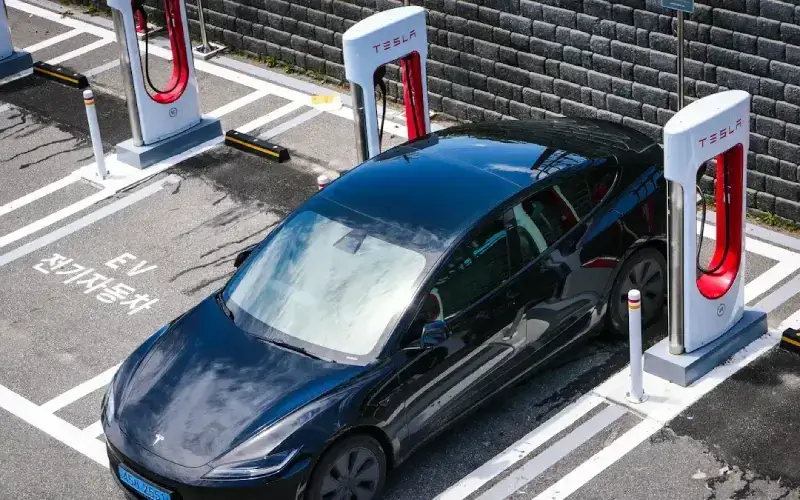
4. Tesla Supercharger (NACS) — Tesla’s proprietary connector, now being adopted as the North American standard by other manufacturers.
The good news? The industry is slowly consolidating around fewer standards. But for now, checking connector compatibility before pulling into a charging station is still necessary.
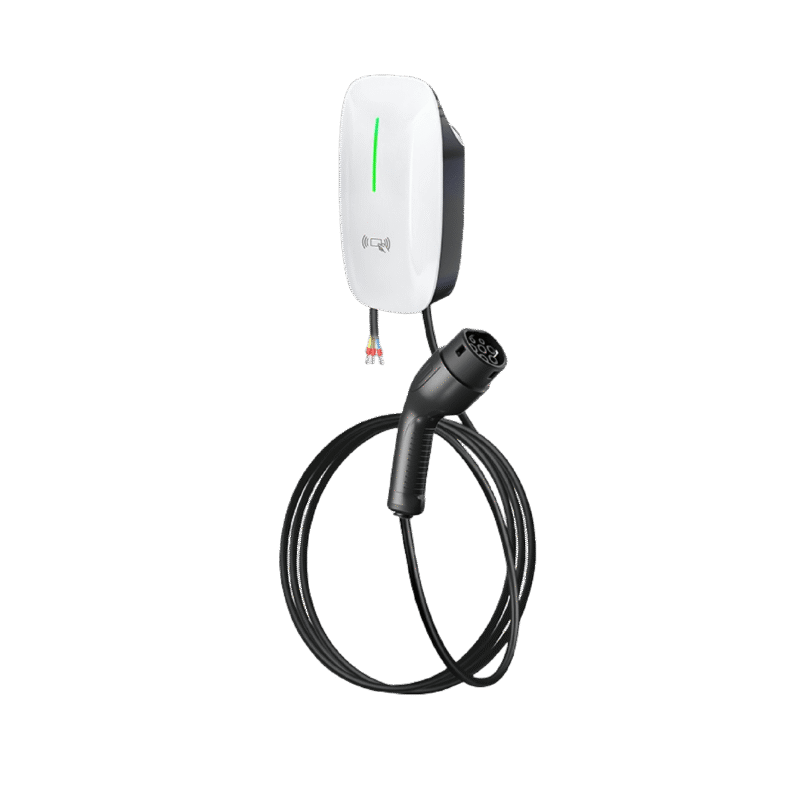
Mekel 7kW Charging Station for Tesla Models
Which Type Makes Sense for Different Situations?
Choosing between the types of EV charging stations really depends on driving habits and lifestyle. There’s no single right answer.
Daily commuters under 40 miles: Level 1 might actually be fine, surprisingly
Average drivers (40-80 miles daily): Level 2 at home is almost essential
Road trippers and heavy drivers: Access to DC fast charging networks becomes critical
Apartment dwellers without home charging: Reliance on public Level 2 and occasional DC fast charging
FAQ
Which type is best for home charging?
Level 2 charging is typically the best fit for home charging, offering a good balance of speed and cost.
Do Level 1 chargers require permits?
Level 1 usually does not require special wiring beyond a standard outlet, but local codes may vary and a quick check helps avoid surprises.
Can all EVs use DC fast charging?
Most modern EVs support DC fast charging, but connector type and vehicle capability vary. Check vehicle specs and charger compatibility.


 English
  Spanish
  Portuguese
  French
  Russian
  German
  Italian