
Число электромобилей постоянно растет, а вместе с ним растет и сеть зарядной инфраструктуры. Каждая новая зарядная станция должна работать надежно и безопасно - это очевидно. Но менее очевидно то, насколько важны для этого надлежащие испытания.
An Тестер зарядки электромобилей это не просто очередное приспособление в наборе инструментов электрика. Это специализированный инструмент, предназначенный для проверки соответствия зарядных станций стандартам безопасности и их работы по назначению. Пропуск надлежащего тестирования или использование универсальных электрических инструментов создает риски, которые варьируются от неприятных отключений до реальной угрозы безопасности.
Ставки выше, чем многие думают. Сеансы зарядки включают в себя постоянную подачу высокого тока, пилотный обмен сигналами между автомобилем и зарядным устройством, а также несколько уровней защитных функций - все это требует проверки.
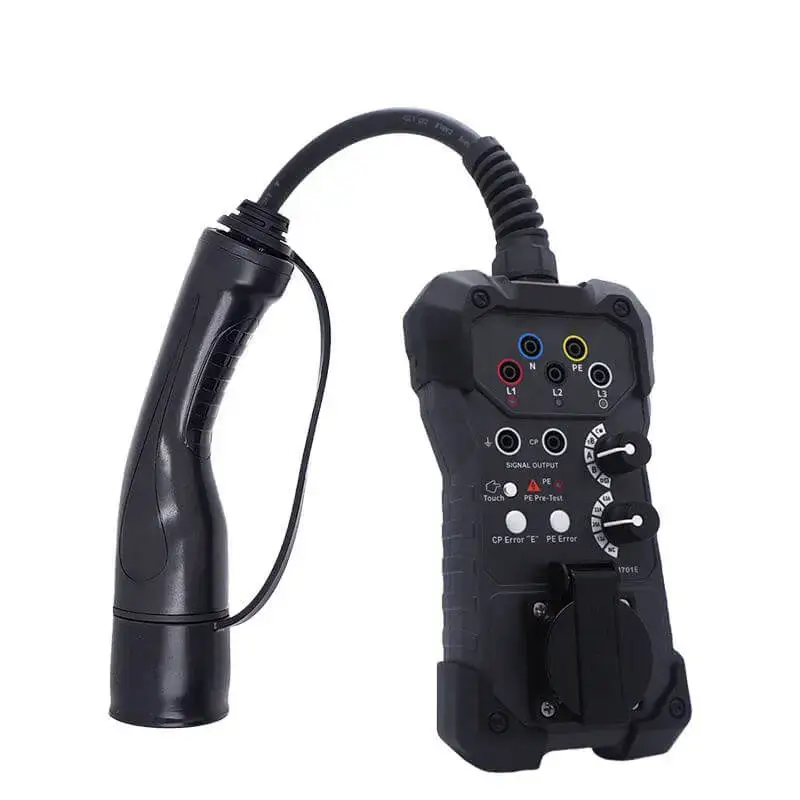
Что на самом деле делает тестер для зарядки электромобилей
За пределами базовых электрических измерений
Стандартные мультиметры и тестеры изоляции прекрасно справляются с общими электротехническими работами. Но при зарядке EV появляются протоколы связи и функции управления, которые обычные приборы просто не в состоянии оценить.
Специальный тестер зарядки EV проверяет:
- Уровни напряжения и рабочий цикл сигнала управляющего пилота (CP)
- Обнаружение бесконтактного пилота (PP) и передача данных о номинале кабеля
- Непрерывность заземления и сопротивление защитного заземления
- Срабатывание УЗО/ГФУ при требуемом времени срабатывания и пороговых значениях
- Изоляционное сопротивление всей установки
- Корректные переходы состояний во время имитации сеансов зарядки
- Напряжение и частота на выходе в условиях нагрузки
Один только управляющий сигнал включает в себя точные уровни напряжения, которые определяют состояние зарядки - от режима ожидания до подключения, зарядки и неисправности. Если эти уровни неверны, зарядное устройство либо отказывается запускаться, либо, что еще хуже, работает без надлежащего подтверждения безопасности.
Моделирование реальных сценариев зарядки
Одна из особенно ценных возможностей профессионального тестера зарядки EV - имитация автомобиля. Тестер имитирует работу подключенного автомобиля в электрическом режиме, позволяя техническим специалистам пройти всю последовательность зарядки без присутствия реального автомобиля.
Это важно при вводе в эксплуатацию. Инсталляторам необходимо проверить работоспособность станции, прежде чем передать ее оператору, а ждать, пока кто-то подгонит EV для тестирования, не всегда практично. Моделирование обеспечивает полную функциональную проверку на месте.
Почему общие испытания не подходят для применения тестеров зарядки электромобилей
Стандарты безопасности требуют особой проверки
Установки для зарядки EV должны соответствовать таким стандартам, как IEC 61851, UL 2594, и региональным электротехническим нормам, которые определяют требования к тестированию, выходящие за рамки обычной проверки цепи. Эти стандарты существуют потому, что зарядные станции представляют собой уникальные риски.
| Требования к испытаниям | Общий инструмент | Специализированный тестер для зарядки электромобилей |
|---|---|---|
| Проверка сигналов CP | Невозможно выполнить | Полный анализ сигнала |
| Испытание на обнаружение ПП | Невозможно выполнить | Моделирует все номиналы кабелей |
| Проверки перехода в состояние | Невозможно выполнить | Автоматизированное тестирование последовательностей |
| УЗО с постоянным током повреждения | Ограниченные возможности | Проверяет УЗО типа B и типа A |
| Защитное заземление | Может выполнять | Может работать в контексте EVSE |
| Сопротивление изоляции | Может выполнять | Может работать в контексте EVSE |
| Моделирование нагрузки | Невозможно выполнить | Моделирует различные уровни нагрузки |
Нюансы защиты от замыканий постоянного тока
Современные стандарты зарядки EV все чаще требуют защиты от постоянного остаточного тока - типа неисправности, который стандартные УЗО типа A не могут обнаружить. Некоторые зарядные станции оснащены внутренними устройствами обнаружения неисправностей постоянного тока, в то время как другие полагаются на внешние УЗО типа B.
Тестер зарядки EV с возможностью проверки остаточного тока постоянного тока подтверждает, что эта защита действительно работает. Без нее нет практического способа подтвердить, что опасное замыкание постоянного тока будет обнаружено и прервано. Это особое требование к тестированию застает врасплох даже опытных электриков, поскольку защита от замыканий постоянного тока редко встречается в обычных электротехнических работах.
Когда использование тестера для зарядки электромобилей становится критически важным
Ввод в эксплуатацию новых установок
Каждая новая зарядная станция должна пройти комплексное тестирование перед включением в сеть. Процесс ввода в эксплуатацию обычно проходит в определенной последовательности:
- Визуальный контроль качества монтажа и номиналов компонентов
- Измерение целостности защитного заземления
- Испытание на сопротивление изоляции
- Проверка работы УЗО и времени срабатывания, включая тестирование на замыкание постоянного тока
- Анализ пилотных сигналов управления во всех состояниях зарядки
- Подтверждение обнаружения пилота приближения
- Полная симуляция сеанса зарядки от подключения до отключения
- Документирование всех результатов испытаний для записей о соответствии
Пропуск любого из этих этапов при вводе в эксплуатацию - это, по сути, азартная игра на случай, если все будет работать правильно. Учитывая количество соединений, настроек и защитных функций, вероятность того, что где-то что-то не так, выше, чем вероятность того, что все будет работать идеально без проверки.
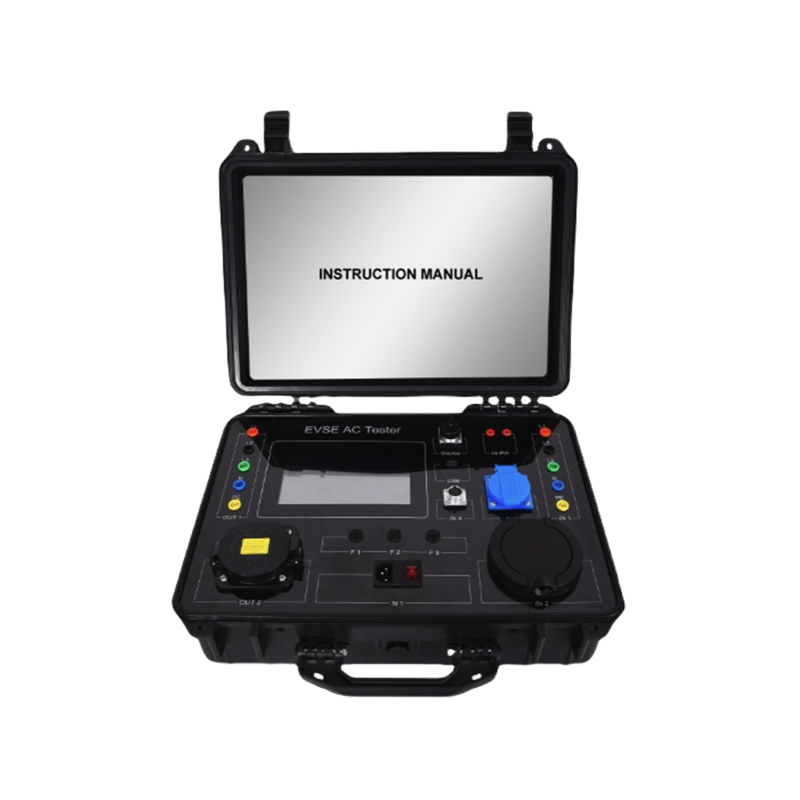
Периодическое обслуживание и устранение неисправностей
Ввод в эксплуатацию - это еще не конец испытаний. Зарядные станции работают на открытом воздухе, выдерживают тысячи циклов подключения и испытывают электрический стресс от постоянных сеансов высокого тока. Компоненты деградируют. Соединения ослабевают. Со временем все меняется.
Периодическое повторное тестирование с помощью тестера для зарядки EV позволяет выявить ухудшение состояния до того, как оно станет причиной сбоев или нарушений безопасности. Рекомендуемые интервалы варьируются, но ежегодное тестирование является разумной базой для большинства установок. Коммерческие станции с высоким уровнем использования могут потребовать более частых проверок - возможно, каждые шесть месяцев.
Для устранения неисправностей в работе станций также требуется соответствующее тестовое оборудование. Если зарядное устройство отказывается запускать сеансы или произвольно отключает защиту, тестер зарядки EV точно определит, в чем проблема - в генерации пилотного сигнала, чувствительности защитного устройства, целостности земляного тракта или качестве питания. Без этой диагностической возможности устранение неисправностей превращается в догадки. Дорогостоящие, требующие времени догадки.
Ответственность и документация
Стоит упомянуть и юридический аспект. Когда профессионал проверяет и документирует соответствие зарядной станции с помощью калиброванного тестера для зарядки EV, эта документация служит доказательством должной осмотрительности. Если впоследствии что-то пойдет не так, эти записи продемонстрируют, что была проведена надлежащая проверка.
Без документального подтверждения испытаний монтажники и операторы площадок несут значительно большую ответственность. Страховые компании и регулирующие органы все чаще ожидают доказательств надлежащего ввода в эксплуатацию и проверки технического обслуживания - а не просто устного заверения, что все выглядит хорошо. Если вы хотите узнать больше о тестерах для зарядки EV, пожалуйста, прочитайте Что такое тестер зарядных устройств EV.
ЧАСТО ЗАДАВАЕМЫЕ ВОПРОСЫ
Может ли электрик тестировать зарядные станции EV без специального тестера для зарядки EV?
Основные электрические тесты, такие как целостность заземления и сопротивление изоляции, можно выполнить с помощью стандартных приборов, но это покрывает лишь часть необходимых проверок. Для анализа управляющего сигнала, обнаружения приближения, тестирования перехода в состояние и моделирования транспортного средства требуется специальный тестер для зарядки EV. Попытка полного ввода в эксплуатацию без него оставляет критически важные функции безопасности непроверенными и, как правило, не соответствует требованиям стандарта IEC 61851 и смежных стандартов.
Сколько стоит профессиональный тестер зарядки EV?
Цены существенно различаются в зависимости от возможностей. Базовые модели, обеспечивающие проверку зарядки переменным током 2-го уровня, обычно стоят от $2 000 до $5 000. Приборы среднего уровня, добавляющие тестирование постоянного тока повреждения и более полное моделирование, стоят от $5 000 до $10 000. Высокотехнологичные модели с поддержкой тестирования быстрых зарядных устройств постоянного тока могут превышать $15 000. Инвестиции кажутся значительными, если не сравнивать их со стоимостью одного иска об ответственности за неправильно протестированную установку или с потерями дохода от повторных вызовов сервисной службы для устранения проблем, которые быстро диагностирует надлежащее тестовое оборудование.
Как часто следует перепроверять зарядные станции EV?
Как правило, лучшие отраслевые практики рекомендуют проводить ежегодную повторную проверку всех функций безопасности зарядной станции с использованием соответствующего тестера для зарядки EV, хотя конкретные требования зависят от местных норм и интенсивности использования станции. Общественные станции с интенсивным ежедневным использованием могут выиграть от полугодового тестирования из-за ускоренного износа разъемов, кабелей и коммутационных компонентов. Для частных жилых объектов с небольшим объемом использования интервалы между проверками целесообразно увеличить до 18 или 24 месяцев.


 Russian
  English
  Spanish
  Portuguese
  French
  German
  Italian