
Электромобили превратились из нишевой диковинки в реальность. И поскольку по всему миру устанавливаются миллионы новых зарядных устройств, вопрос о том, действительно ли эти зарядные устройства работают правильно и безопасно, становится все более актуальным с каждым днем.
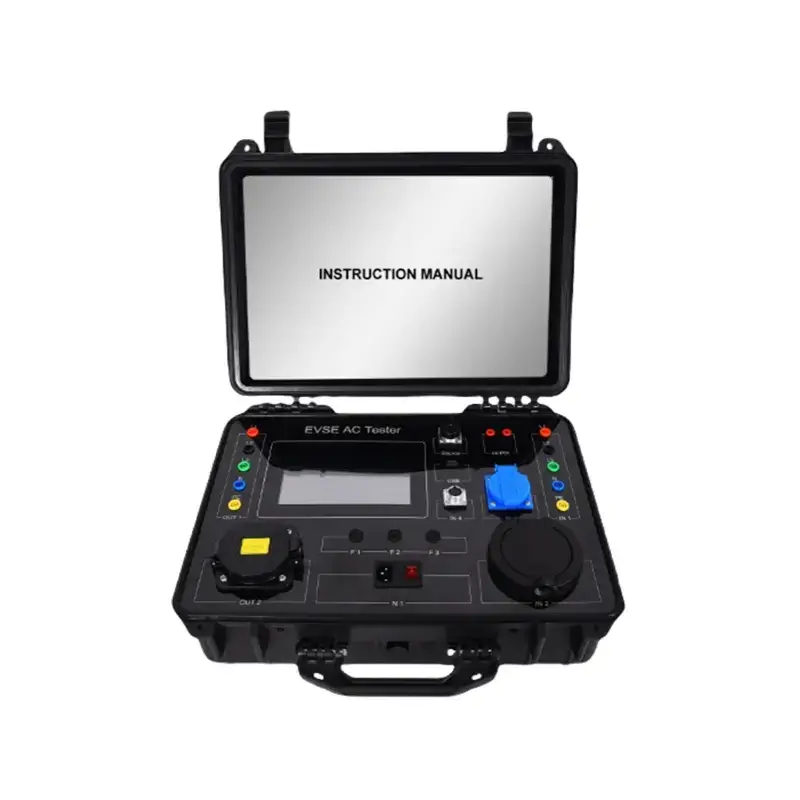
Именно здесь тестер зарядки автомобиля появляется на свет. Не все знают, что делают эти инструменты и зачем они существуют. Это вполне справедливо. Эта технология все еще незнакома многим людям, включая некоторых электриков, которые еще не сталкивались с требованиями к тестированию EV-специфики. Но понимание назначения этого инструмента важно, независимо от того, занимается ли человек установкой зарядных устройств, управлением зарядными сетями или просто интересуется тем, как проверяется безопасность зарядки.

Основные функции тестера зарядки автомобиля
Проверка электробезопасности
На самом базовом уровне тестер автомобильных зарядок подтверждает, что зарядная установка электрически безопасна. Эта часть пересекается с обычными электрическими испытаниями - измерением таких параметров, как сопротивление защитного заземления, целостность изоляции и сопротивление цепи. Ничего экзотического.
Но тестер автомобильных зарядок идет дальше. Он проверяет защитные устройства, специфичные для установок зарядки EV, включая устройства остаточного тока, предназначенные для обнаружения постоянных токов повреждения. Стандартные УЗО прекрасно справляются с неисправностями переменного тока, но при зарядке EV могут возникать утечки постоянного тока, которые сбивают обычную защиту. Такой сценарий, безусловно, стоит проверить.
Основные функции электробезопасности включают:
- Измерение целостности защитного заземления
- Проверка сопротивления изоляции при соответствующем испытательном напряжении
- Проверка времени срабатывания УЗО при номинальном и повышенном токе повреждения
- Проверка возможности обнаружения постоянного остаточного тока
- Подтверждение напряжения и частоты питания
Анализ сигналов связи
Вот где становится интересно - и где тестер автомобильных зарядок действительно отличается от общих электрических приборов. Зарядные устройства EV не просто обеспечивают питание. Они взаимодействуют с автомобилем посредством управляющего пилотного сигнала до, во время и после каждого сеанса зарядки.
Этот пилотный сигнал представляет собой квадратную волну, обычно колеблющуюся с частотой 1 кГц, которая несет информацию через уровень напряжения и рабочий цикл. Напряжение сообщает автомобилю, какое состояние распознает зарядное устройство. Рабочий цикл сообщает о максимальном доступном токе. Если что-то из этого идет не так, зарядка либо не начинается, либо работает за пределами безопасных параметров.
Тестер зарядки автомобиля измеряет и оценивает эти сигналы, имитируя подключенный автомобиль. Он представляет зарядное устройство с электрическими характеристиками реального EV, а затем отслеживает реакцию зарядного устройства на каждом этапе.
Состояния зарядки следуют в определенной последовательности:
- Состояние A - транспортное средство не обнаружено, пилот на +12 В
- Состояние B - автомобиль подключен, но не запрашивает питание, пилот падает до +9 В
- Состояние C - автомобиль готов и запрашивает зарядку, пилот на +6 В
- Состояние D - требуется вентиляция (редко встречается в современных автомобилях), пилот на +3 В
- Состояние E/F - состояния ошибки с определенными признаками напряжения
Тестер зарядки автомобиля проходит через каждое соответствующее состояние и фиксирует, выдает ли зарядное устройство правильное напряжение и правильно ли оно переходит в другое состояние.
Как тестер зарядки имитирует транспортные средства
Почему моделирование имеет значение
Тестирование зарядного устройства на реальном электромобиле кажется логичным, но оказывается непрактичным по нескольким причинам. Автомобили не предоставляют данные измерений о том, что происходит на электрическом интерфейсе. Они либо заряжаются, либо нет - двоичный результат, который ничего не говорит о предельных условиях или ухудшении характеристик.
Тестер зарядки автомобиля заменяет автомобиль управляемой симуляцией, которая представляет определенные электрические нагрузки и импедансы, одновременно измеряя реакцию зарядного устройства. Такой подход позволяет получить подробные данные, а не просто ответ "да/нет".
Пилотное тестирование близости
| Значение сопротивления PP | Номинальный ток кабеля | Ожидаемый отклик зарядного устройства |
|---|---|---|
| 100Ω | 63A | Ограничение выходного сигнала до 63 А |
| 220Ω | 32A | Ограничение выходного сигнала до 32 А |
| 680Ω | 20A | Ограничение выходного сигнала до 20 А |
| 1.5kΩ | 13A | Ограничение выходного сигнала до 13 А |
| Открыто/нет соединения | Кабель не обнаружен | Не подавайте напряжение |
Когда используется автомобильный тестер зарядки
Ввод в эксплуатацию и периодическое техническое обслуживание
Самое важное применение - при первоначальном вводе в эксплуатацию - первом комплексном испытании перед запуском нового зарядного устройства. Каждое измерение служит в качестве базовой линии, снимка установки, которая с самого начала работает так, как было задумано (надеемся).
Периодические повторные испытания позволяют отслеживать любые изменения по сравнению с базовым уровнем. Компоненты стареют, соединения ослабевают от термоциклирования, а воздействие окружающей среды наносит свой урон наружным установкам. Без регулярного тестирования с помощью автомобильного зарядного тестера деградация остается незамеченной до тех пор, пока что-то не выйдет из строя.
Типичные этапы тестирования выглядят примерно так:
- Первоначальный ввод в эксплуатацию перед первым использованием
- Ежегодная проверка безопасности и функциональности
- После любых модификаций, ремонта или обнаружения неисправностей
- После значительных погодных явлений для открытых установок
- При смене владельца или руководства установки
Устранение неисправностей при зарядке
Когда зарядное устройство перестает работать или ведет себя нестабильно, тестер автомобильных зарядок становится диагностическим инструментом. Вместо того чтобы менять компоненты в надежде устранить проблему - подход, который требует затрат времени и денег, - тестер определяет, что именно вышло из строя.
Напряжение управляющего сигнала выходит за пределы допустимого? УЗО срабатывает преждевременно? Неправильно считывается схема бесконтактного пилота? На эти вопросы можно ответить, если подключить соответствующий прибор. Без автомобильного зарядного тестера поиск неисправностей в значительной степени зависит от опыта и интуиции, которые иногда работают, но иногда дорого обходятся.
Что не может сделать тестер зарядки автомобиля
Ограничения, о которых стоит знать
Ни один прибор не умеет делать все, поэтому управление ожиданиями от тестера автомобильных зарядок поможет избежать неоправданной уверенности. Некоторые заметные ограничения:
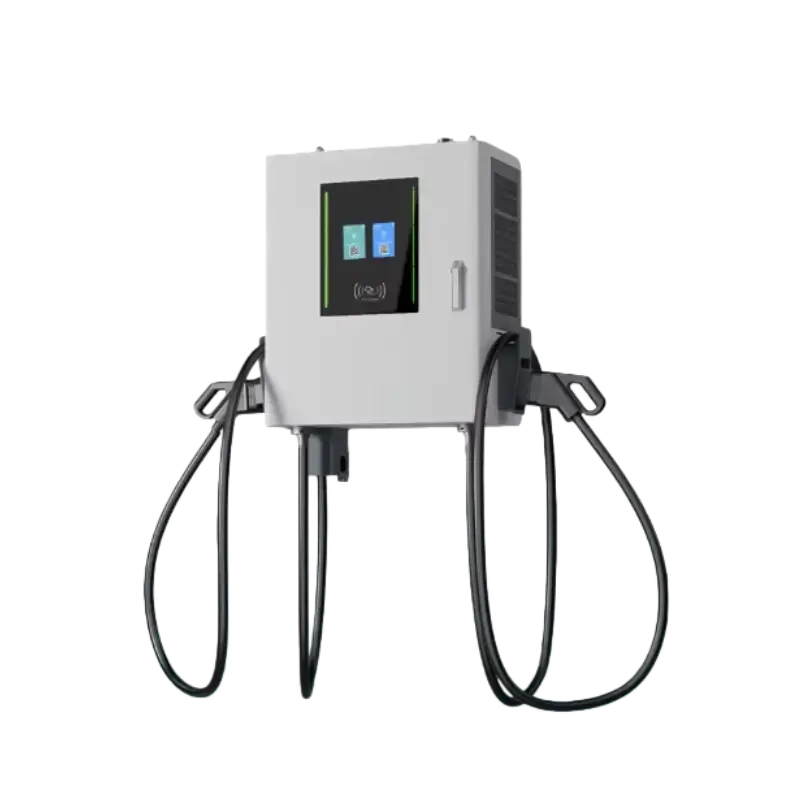
- Большинство тестеров, ориентированных на переменный ток, не могут проверять протоколы быстрых зарядных устройств постоянного тока, такие как CCS или коммуникационные уровни CHAdeMO.
- Сетевое подключение и функциональность платежной системы выходят за рамки электрического тестирования
- Долгосрочное прогнозирование надежности невозможно на основе точечных измерений
- Внутренняя оценка состояния электроники зарядного устройства выходит за рамки внешних испытаний.
Если вы хотите узнать больше о тестере зарядки автомобиля, пожалуйста, прочитайте Что такое тестер зарядных устройств EV.
ЧАСТО ЗАДАВАЕМЫЕ ВОПРОСЫ
Отличается ли автомобильный тестер зарядки от обычного мультиметра?
В значительной степени да. Мультиметр измеряет основные электрические величины, такие как напряжение, ток и сопротивление. Тестер зарядки автомобиля делает то же самое, но добавляет к этому моделирование автомобиля, анализ управляющего сигнала, проверку перехода в другое состояние, пилотное тестирование близости, а также специализированное тестирование УЗО, включая обнаружение неисправностей постоянного тока. Один только анализ управляющего сигнала требует измерения точных уровней напряжения в определенных состояниях зарядки и оценки рабочего цикла ШИМ-сигнала частотой 1 кГц - задачи, которые выходят за рамки возможностей стандартного мультиметра.
Кто обычно использует тестер для зарядки автомобиля?
Основными пользователями являются электрики и техники, специализирующиеся на установке зарядных устройств для EV. Операторы сетей зарядки используют их для текущего обслуживания и контроля качества на всех своих станциях. Инспекторы по электрооборудованию и аудиторы соответствия используют их для проверки соответствия установок требованиям норм и правил перед получением разрешения на эксплуатацию. Некоторые операторы автопарков с большим количеством зарядных станций на рабочих местах держат тестер для зарядки автомобилей в своем распоряжении для внутренних групп технического обслуживания.
Насколько необходимо обучение для работы с тестером зарядки автомобиля?
Грамотный электрик может освоить базовые операции за несколько часов практической работы. Понимание того, что означают измерения и как интерпретировать пограничные результаты, требует больше времени - возможно, потребуется специальный курс обучения продолжительностью от одного до двух дней плюс несколько полевых сессий под наблюдением. В последние годы интерфейсы приборов стали более интуитивными, а последовательность тестов и четкие индикаторы прохождения/непрохождения теста несколько сократили время обучения.


 Russian
  English
  Spanish
  Portuguese
  French
  German
  Italian