
Существует распространенное заблуждение, что если прикрутить электрическую коробку к стене, то она будет работать вечно. Мы ведь так же относимся к розеткам, верно? Подключаем тостер и не задумываемся о проверке проводки, пока что-нибудь не начнет дымиться. Но Зарядное устройство для электромобилей отличается от других. Это не просто пассивная розетка, это мощный интеллектуальный шлюз, который ежедневно обрабатывает огромное количество энергии.
Реальность того, как часто эти устройства нуждаются в проверке, полностью зависит от того, где они живут и насколько интенсивно работают. Одинокая коробка в частном гараже живет совсем другой жизнью, чем быстрозарядное устройство на остановке у оживленного шоссе. Тем не менее, и те, и другие нуждаются в том, чтобы за ними присматривали, потому что, когда они выходят из строя, они обычно выходят из строя в неудобное время.
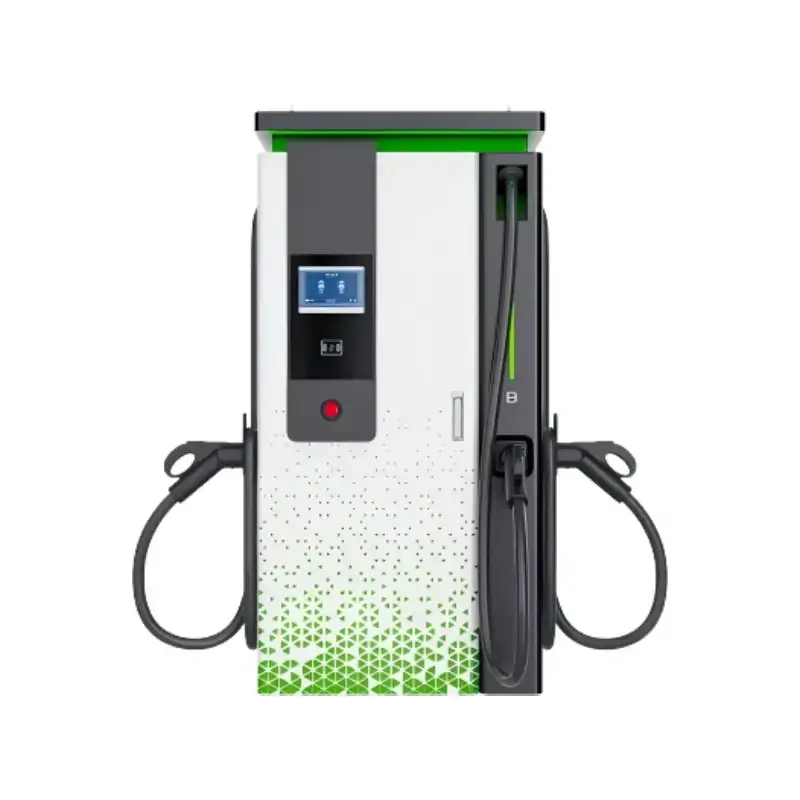
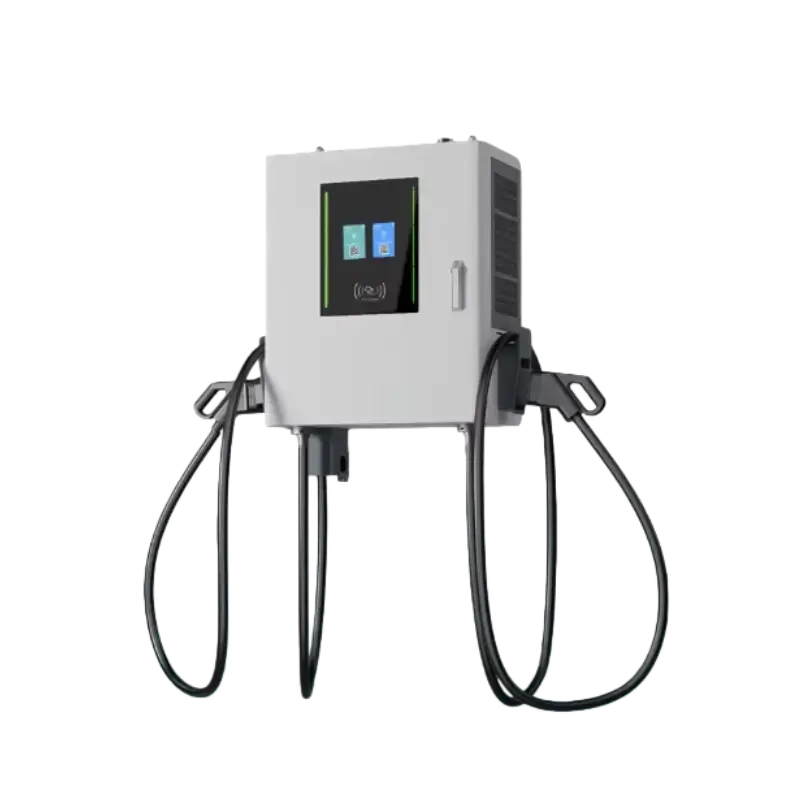
График работы общественных и коммерческих зарядных устройств
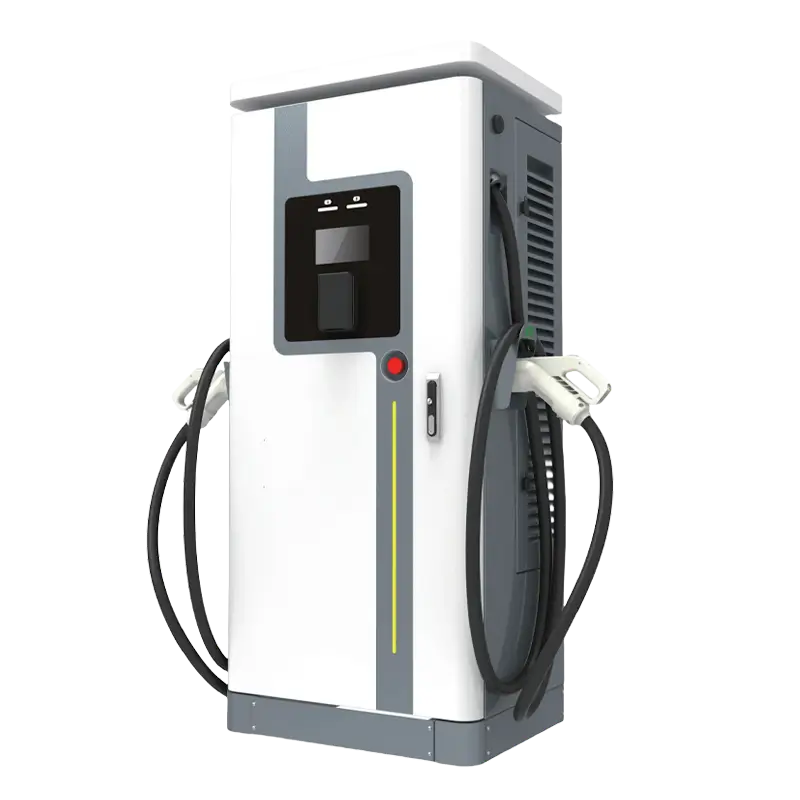
Если вы управляете коммерческой недвижимостью или автопарком, стратегия "чини, когда сломается" - плохая идея. Общественные устройства подвергаются насилию. Люди роняют кабели, переезжают через разъемы и выдергивают их под странными углами.
Для таких помещений с высокой проходимостью формальный осмотр должен проводиться каждые 6-12 месяцев.
Это кажется частым, но подумайте об использовании. Общественная зарядная станция может видеть десять различных автомобилей в день. Это десять циклов сопряжения разъема, десять тепловых расширений и сжатий, когда устройство нагревается и остывает. За год это тысячи циклов.
- Визуальные проверки: На самом деле они должны проводиться еженедельно или ежемесячно персоналом на месте. Не треснул ли экран? Изношена ли изоляция кабеля?
- Электрические испытания: Квалифицированный техник должен приходить ежегодно, чтобы смоделировать неисправности и убедиться, что защитные выключатели (например, GFCI) действительно срабатывают, когда должны.
Частота тестирования домашнего зарядного устройства
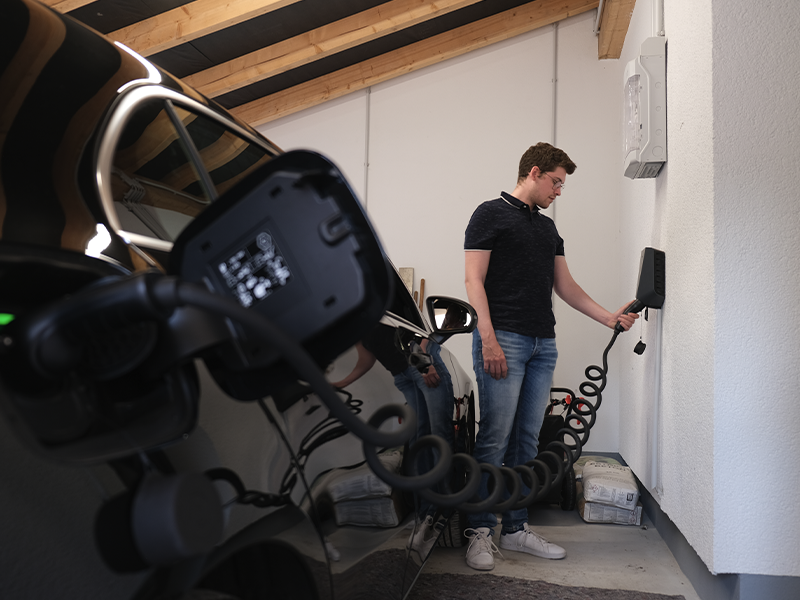
Домовладельцам немного проще. Ваше личное зарядное устройство, скорее всего, находится в помещении или, по крайней мере, под навесом, и вы, вероятно, единственный, кто с ним обращается. Вы обращаетесь с ним вежливо, потому что заплатили за него.
Для зарядных устройств, предназначенных для бытовых электроприборов, как правило, нет необходимости в ежегодном профессиональном тестировании, если только вы не заметили что-то странное. Однако "проверка пользователем" должна проводиться каждый раз, когда вы подключаетесь к сети.
В реальности тщательный осмотр следует проводить раз в год. Проверьте наличие:
- Тепло в розетке (если она не подключена жестко).
- Любые изменения цвета на пластиковой ручке.
- Жесткость кабеля.
Если вы живете в регионе с экстремальными погодными условиями - очень жарким летом или морозной зимой - пластиковые и резиновые компоненты разрушаются быстрее. В таких случаях необходимо внимательно следить за физическим состоянием Зарядное устройство для электромобилей это просто здравый смысл.
Признаки того, что вам необходима срочная проверка
Расписания - это здорово, но иногда оборудование говорит вам, что оно устало, раньше, чем календарь. Есть тонкие признаки того, что система испытывает трудности.
Самый очевидный из них - это "хрупкая защелка". Знаете, когда вам приходится шевелить ручкой. точно или слегка приподнять его, чтобы машина начала заряжаться? Это не причуда, а неисправность. Обычно это означает, что контакты внутри разъема изношены или погнут механизм защелки.
Еще один признак - "тепловое дросселирование". Если ваше 40-амперное зарядное устройство раньше заряжало автомобиль за 4 часа, а теперь за 6, и вы слышите, как постоянно работает вентилятор охлаждения, его нужно проверить. Это означает, что внутренние температурные датчики срабатывают как защитное замедление из-за высокого сопротивления - по сути, нагрев происходит из-за ослабленного провода.
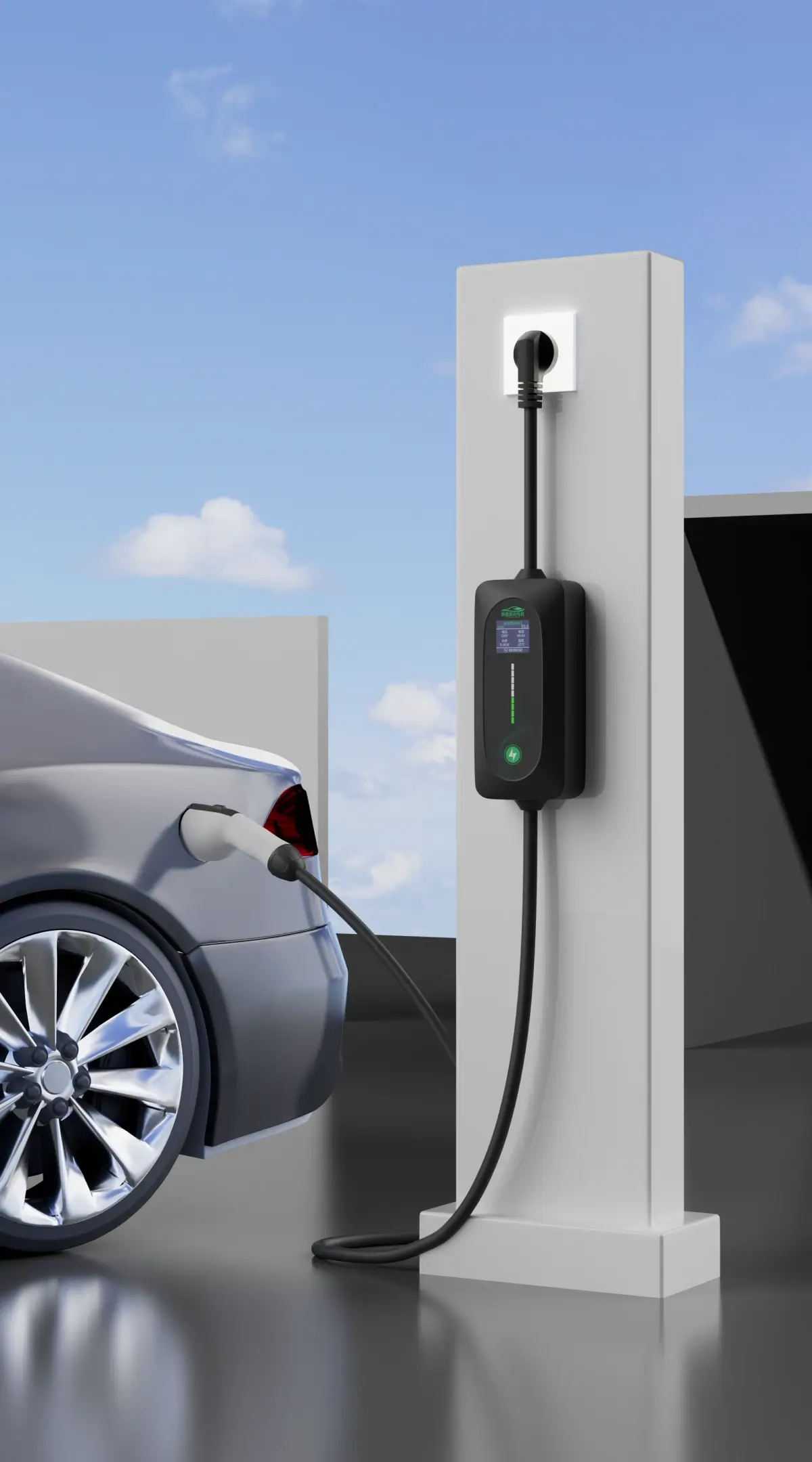
Для портативное зарядное устройство Пользователи также должны уделять повышенное внимание состоянию самого кабеля. Многократное сматывание, разматывание и сгибание может со временем привести к внутренним повреждениям, влияющим не только на скорость зарядки, но и на безопасность. Прислушивание к этим ранним предупреждениям вашего оборудования - ключ к поддержанию безопасности и производительности всех зарядных устройств, особенно портативных, которые имеют более изменчивые условия использования.

Рекомендуемые интервалы технического обслуживания
| Тип проверки | Жилье (дом) | Коммерческие / общественные |
|---|---|---|
| Визуальный осмотр | Каждое использование (Casual) | Еженедельно (проверка персонала) |
| Проверка кабелей и разъемов | Каждые 6 месяцев | Ежемесячно |
| Тест на функциональность | Если возникнут проблемы | Каждые 6 месяцев |
| Полный аудит безопасности/электробезопасности | Каждые 2-3 года | Ежегодно |
| Тест срабатывания GFCI | Ежегодно | Ежегодно |
Почему регулярные испытания важны для гарантии
Есть и скучная финансовая причина регулярно проверять зарядное устройство EV: гарантия.
Многие производители коммерческих товаров включают в гарантийную документацию мелкий шрифт. Они могут потребовать доказательства технического обслуживания для удовлетворения претензии. Если у устройства стоимостью $5 000 на третьем году эксплуатации сгорит материнская плата, а вы не сможете доказать, что кто-то осматривал ее с первого дня, вам могут отказать в замене.
Для домовладельцев это не столько гарантия, сколько страховка. В редких случаях возгорания электрооборудования наличие документа, подтверждающего, что устройство было установлено и обслуживалось правильно, может избавить вас от головной боли при общении со страховщиком.
Как выглядит профессиональный тест?
Когда мы говорим о тестировании, мы имеем в виду не просто подключение автомобиля к сети. Профессиональное тестирование предполагает использование устройства под названием EVSE Simulator.
Техник подключает этот симулятор к зарядному устройству EV вместо автомобиля. Затем он может поворачивать циферблаты, чтобы обмануть зарядное устройство и заставить его думать, что автомобиль подключен, затем автомобиль заряжается, затем автомобиль неисправен. Они измеряют напряжение, пилотный сигнал (язык общения между автомобилем и зарядным устройством) и время срабатывания защитных реле.
Смотреть на это довольно скучно, но это подтверждает, что если произойдет настоящая чрезвычайная ситуация - например, ребенок засунет отвертку в розетку, - питание отключится мгновенно.
ЧАСТО ЗАДАВАЕМЫЕ ВОПРОСЫ
Могу ли я сам протестировать зарядное устройство EV?
Вы можете провести визуальный осмотр и проверку функциональности (заряжается ли он?). Однако для проверки функций безопасности, таких как защита от замыкания на землю или целостность сигнала, требуется дорогостоящее специализированное оборудование и лицензированный электрик.
Влияет ли погода на частоту проведения теста?
Да. Наружные блоки, подвергающиеся воздействию соляных брызг (вблизи океана), проливного дождя или прямого палящего солнца, разрушаются гораздо быстрее. Резиновые уплотнения высыхают, а на контактах образуется коррозия. Такие устройства нуждаются в более частом уходе, чем внутренние.
Сколько стоит коммерческая инспекция?
В зависимости от региона цена может сильно различаться, но обычное профилактическое обслуживание коммерческого объекта может обойтись в несколько сотен долларов. Это, как правило, дешевле, чем замена расплавившегося разъема или судебный иск об ответственности.


 Russian
  English
  Spanish
  Portuguese
  French
  German
  Italian