Владельцы электромобилей, которые перемещаются между рынками Северной Америки и Европы, сталкиваются с проблемой, кажущейся на первый взгляд простой: розетка в стене зачастую не подходит к разъему на автомобиле. В Северной Америке стандартом стал разъем SAE J1772, широко известный как «Тип 1», тогда как в большинстве стран Европы принят разъем «Тип 2». Для тех, кто импортирует автомобиль европейской спецификации, эксплуатирует автопарк со смешанными стандартами или просто путешествует на автомобиле с разъёмом «Тип 2», такое несоответствие может превратить обычную зарядку в тупиковую ситуацию. Зарядные адаптеры для электромобилей призваны устранить именно этот пробел, и Переходник J1772 — Тип 2 — это зарядное устройство, предназначенное для автомобилей с европейским разъёмом, подключённых к североамериканской зарядной станции.
Адаптер J1772–Type 2 представляет собой пассивный преобразователь переменного тока, позволяющий автомобилю с разъёмом Type 2 (IEC 62196-2) получать питание от зарядной станции J1772 (Type 1). Он пропускает только переменный ток, работает только в одном направлении (со стороны станции — разъем J1772, со стороны автомобиля — разъем Type 2) и не добавляет никаких возможностей быстрой зарядки, которых у автомобиля или станции изначально не было.
В приведенных ниже разделах подробно рассказывается, что такое адаптер, как два стандарта вообще могут взаимодействовать друг с другом, где пролегают реальные ограничения и как выбрать устройство, которое не подведет вас на холодной парковке в полночь.
Что такое переходник J1772 на Type 2 и когда он нужен?
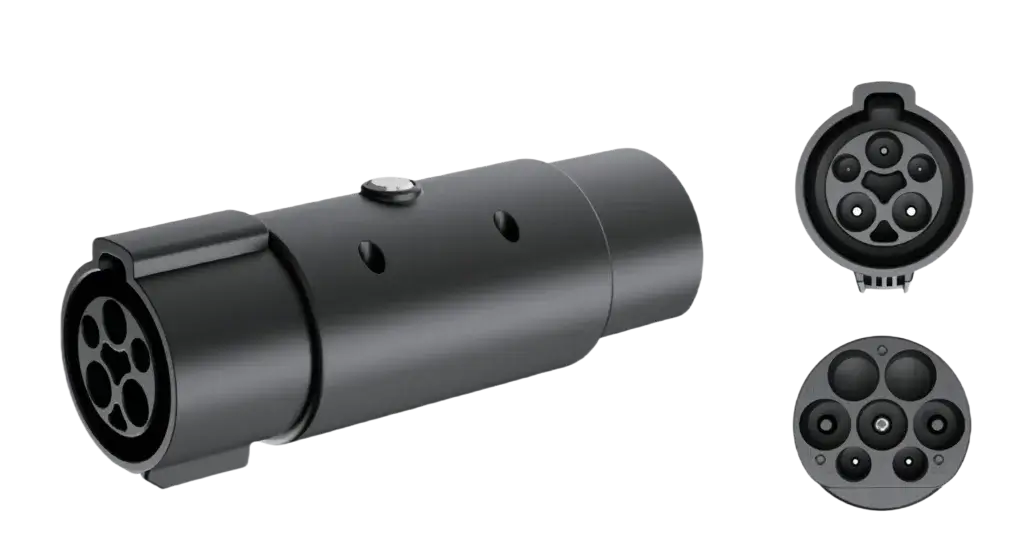
Адаптер J1772–Type 2 представляет собой компактный соединительный переходник, который преобразует североамериканский зарядный штекер J1772 (Type 1) в форму, подходящую для европейского разъема автомобиля Type 2. Он предназначен только для переменного тока и имеет определённую ориентацию: конец J1772 всегда обращён к зарядной станции, а конец Type 2 — к автомобилю.
Два разъема, которые он соединяет, никогда не задумывались как идентичные, но были разработаны так, чтобы «говорить на одном языке». J1772, официально закрепленный как SAE J1772, является стандартом зарядки переменным током, действующим на территории США, Канады и Японии. Тип 2, определенный международным стандартом IEC 62196-2, стал обязательным разъёмом для подключения к сети переменного тока на всей территории Европейского Союза, а также широко используется в Великобритании, некоторых странах Ближнего Востока, Африки и Австралии. Переходник с разъёма J1772 на разъём типа 2 — это устройство, позволяющее автомобилю, предназначенному для одного региона, заряжаться на зарядной инфраструктуре, созданной для другого региона.
Практическая необходимость проявляется в трех ситуациях. Первая — импорт: автомобиль, ввезенный из Европы в Северную Америку, сохраняет разъем типа 2 и внезапно сталкивается с тем, что на всем континенте установлены зарядные станции стандарта J1772. Вторая ситуация — путешествия: водитель, пересекающий границы на автомобиле с разъемом типа 2, хочет иметь возможность свободно пользоваться обычными общедоступными зарядными станциями уровня 2, а не искать редкие местные разъемы. Третья ситуация — использование в автопарках и коммерческие цели, когда оператор эксплуатирует автомобили с разъемом типа 2 в условиях североамериканской инфраструктуры и предпочитает иметь при себе несколько переходников, чем переделывать зарядное оборудование. В каждом из этих случаев адаптер представляет собой небольшое и обратимое решение проблемы несовместимости региональных стандартов.
Краткое сравнение J1772 (тип 1) и типа 2
Физические и электрические различия имеют значение, поскольку они определяют предельные возможности любого адаптера.
| Атрибут | J1772 (тип 1) | Тип 2 |
| Стандарт | SAE J1772 | IEC 62196-2 |
| Общее название | Тип 1 | Тип 2 |
| Булавки | 5 | 7 |
| Основные регионы | США, Канада, Япония | ЕС, Великобритания, Ближний Восток, Африка, Австралия |
| Фазы переменного тока | Только однофазный | Однофазные и трехфазные |
| Номинальное напряжение | 120 В / 240 В | 230 В / 400 В |
| Типичная максимальная мощность переменного тока | До 19,2 кВт (80 А при 240 В) | До 22 кВт (трехфазное питание), 7,6 кВт (однофазное питание) |
| Блокировка | Ручная фиксация на штекере | Автоматическая блокировка на входе |
| Уровень заряда | Уровень 1 и Уровень 2 (AC) | Уровень 2 (AC) |
Самая важная строка — это строка с указанием фаз. Стандарт J1772 по своей конструкции является однофазным. Несмотря на то что автомобиль типа 2 может поддерживать трёхфазную зарядку переменным током в домашних условиях в Европе, как только он подключается к источнику питания J1772 через адаптер, он ограничивается той однофазной мощностью, которую может обеспечить станция J1772.
Почему эти два стандарта различаются в зависимости от региона
Это различие носит скорее исторический, чем технический характер. В начале 2000-х годов Северная Америка приняла стандарт SAE J1772 в рамках скоординированных усилий по стандартизации инфраструктуры для электромобилей, и он идеально вписался в однофазную бытовую электросеть континента. Европа, руководствуясь стандартом IEC 62196, выбрала семиконтактный разъем типа 2, способный работать с трехфазным питанием, что соответствует трехфазным сетям, широко распространённым на континенте. С 2014 года разъем типа 2 является обязательным разъемом переменного тока для ЕС, поэтому сегодня практически каждый электромобиль, предназначенный для европейского рынка, оснащён разъемом типа 2. В результате сформировались две зрелые, хорошо поддерживаемые экосистемы, которые физически просто не совместимы, и адаптер — это именно то устройство, которое позволяет их соединить.
Как работает переходник с разъема J1772 на тип 2?
Адаптер сам по себе не осуществляет преобразования электричества. Он представляет собой пассивный мост: перераспределяет провода от разъема J1772 к входу типа 2, чтобы автомобиль и зарядная станция могли соединиться, и пропускает управляющие сигналы напрямую. Все фактическое преобразование переменного тока в постоянный по-прежнему происходит внутри бортового зарядного устройства автомобиля.
Общий протокол сигнализации, который делает это возможным
Процесс зарядки — это не просто провода, по которым протекает ток. Прежде чем начнётся подача энергии, зарядная станция и автомобиль обмениваются управляющим пилот-сигналом — низковольтным сигналом установления связи, который подтверждает безопасность соединения, согласовывает предельное значение тока и сообщает автомобилю, когда можно начинать потреблять энергию. Именно в этом заключается главная причина, по которой вообще возможна существование простого адаптера: и J1772, и Type 2 используют одну и ту же пилотную сигнализацию, определённую в семействе стандартов IEC 61851. Поскольку обмен данными по сигнальному проводу идентичен, пассивному адаптеру достаточно лишь правильно совместить физические контакты и позволить двум устройствам согласовать параметры, как если бы они изначально были совместимы друг с другом.
Что на самом деле ограничивает скорость зарядки
После завершения обмена данными скорость зарядки определяется более слабым из двух компонентов. Первым из них является сама зарядная станция J1772, которая может обеспечивать как умеренную зарядку уровня 1 в сети 120 В, так и полную мощность уровня 2 в сети 240 В. Второй — это бортовое зарядное устройство автомобиля, которое фактически преобразует поступающий переменный ток в постоянный для зарядки аккумулятора. Большинство переходников с разъёмом J1772 на разъём Type 2 рассчитаны на 32 А при напряжении 250 В, что соответствует примерно 7,2–7,4 кВт однофазного переменного тока. Если зарядная станция предлагает более высокую мощность, её ограничивают адаптер и однофазный канал J1772. Если встроенное зарядное устройство автомобиля имеет меньшую мощность, ограничивает мощность автомобиль. В любом случае адаптер является проходным устройством, а не усилителем, и понимание этого позволяет избежать разочарования, связанного с ожиданием зарядки мощностью 22 кВт от однофазного источника.
Безопасно ли использовать переходник с разъема J1772 на разъем Type 2?
При использовании в пределах номинальных параметров качественный переходник с разъема J1772 на разъем Type 2 является столь же безопасным, как и зарядная станция и автомобиль, которые он соединяет. Риски возникают практически исключительно в случае превышения его электрических предельных значений или попытки использовать его не по назначению.
Надежные устройства создаются в соответствии с четким набором технических характеристик. Номинальный ток обычно составляет 32 А переменного тока, номинальное напряжение — 250 В переменного тока, а практическая максимальная мощность в однофазном режиме составляет около 7,2–7,4 кВт. В качественных корпусах используется высокопрочный термопластик, соответствующий классу UL94 V-0, что означает, что материал самозатухает, а не поддерживает горение. Контактные штыри, как правило, изготовлены из посеребренного медного сплава, что позволяет поддерживать низкое сопротивление и контролировать нагрев при длительном прохождении тока. Степень защиты IP54 означает, что устройство устойчиво к воздействию пыли и брызг воды, поэтому оно подходит для типичного использования на открытом воздухе и на обочине дороги. Внутренние средства защиты от перегрузки по току, перенапряжения и перегрева добавляют ещё один уровень безопасности, а признанные маркировки, такие как CE и RoHS, указывают на то, что устройство было произведено в соответствии с опубликованными стандартами, а не как непроверенная деталь.
Ограничения не менее важны, чем технические характеристики. Никогда не потребляйте ток, превышающий номинальное значение адаптера, и никогда не используйте его в качестве переходника для подключения к быстрой зарядке постоянного тока, поскольку геометрия разъема и схема передачи сигналов просто не рассчитаны на быструю зарядку постоянным током. Если на адаптере заметны следы обесцвечивания от нагрева, ослабление соединения или повреждение контактов, выведите его из эксплуатации. Кроме того, поскольку адаптер лишь преобразует разъем, он не может устранить неисправность зарядной станции или автомобиля, поэтому по-прежнему действуют обычные меры предосторожности при зарядке.
Какие автомобили и зарядные станции совместимы?
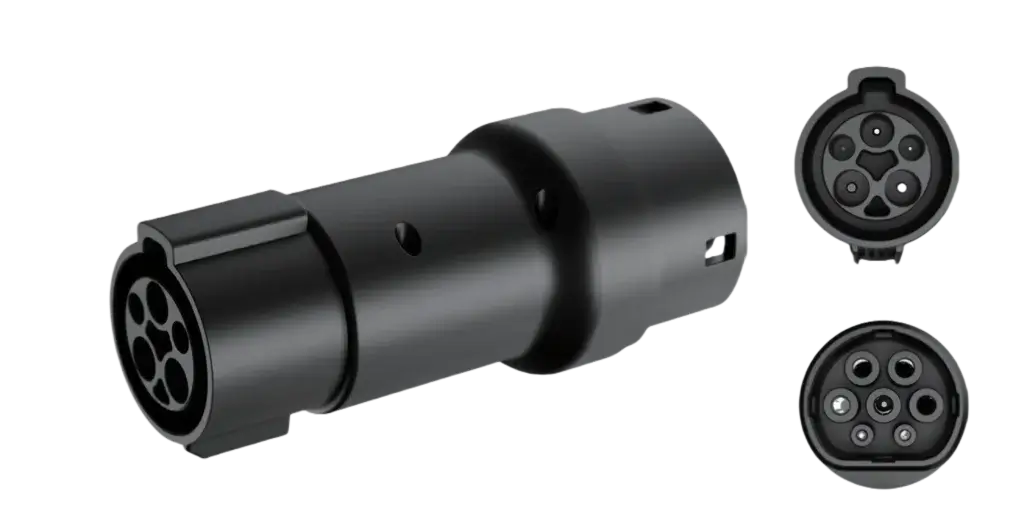
Вопрос совместимости сводится к двум вопросам: есть ли в автомобиле разъем для подключения переменного тока типа 2 и является ли зарядная станция источником переменного тока стандарта J1772? Если ответы на оба вопроса положительные, адаптер подходит для того случая использования, для которого он был предназначен.
Совместимость со стороной транспортного средства
Что касается автомобилей, адаптер предназначен для моделей с разъемом типа 2 или CCS2, которые заряжаются переменным током через этот разъем. Это охватывает подавляющее большинство электромобилей европейского рынка, включая хэтчбеки, седаны, внедорожники и фургоны, продаваемые в ЕС и Великобритании. Он также подходит для моделей, предназначенных для европейского рынка, которые в своей стране использования оснащены разъёмом переменного тока типа 2, а также для импортных автомобилей, которые изначально не были адаптированы для инфраструктуры Северной Америки. Общим критерием является разъём переменного тока типа 2; для адаптера не имеет значения марка автомобиля, важна только форма разъёма, к которому он подключается.
Сторона зарядной станции
Со стороны зарядной станции адаптер совместим с оборудованием переменного тока стандарта J1772 (Тип 1), то есть с зарядными устройствами уровня 1 и уровня 2, распространенными в Северной Америке и Японии. Сюда входят домашние настенные зарядные устройства, зарядные устройства на рабочих местах и обширная сеть общественных зарядных станций уровня 2. Однако он не позволяет подключить автомобиль североамериканского производства к европейской общественной зарядной станции типа 2, поскольку это противоположное направление, требующее использования другого адаптера. Он также не преобразует постоянный ток, поэтому станции быстрой зарядки стандартов CCS или CHAdeMO не подходят, даже если разъем выглядит похожим, поскольку эти интерфейсы передают постоянный ток, для пропускания которого адаптер не был разработан.
Адаптер J1772 — Тип 2 по сравнению с другими типами адаптеров
В мире адаптеров направление — это самое главное, и его путаница — самая распространённая ошибка. Адаптер J1772–Type 2 обеспечивает подачу тока от зарядной станции J1772 к автомобилю с разъёмом Type 2. Если же ситуация обратная — североамериканский автомобиль с разъёмом J1772 подключается к европейской зарядной станции Type 2 — вам понадобится адаптер противоположного типа: Type 2–J1772. Те же два стандарта, но с перевернутыми разъёмами.
| Адаптер | Направление потока | Сторона автомобиля | Со стороны станции | Переменный ток или постоянный ток |
| J1772 — Тип 2 | От станции до автомобиля | Тип 2 / Вход CCS2 | J1772 (тип 1) | Только переменный ток |
| Тип 2 — J1772 | От станции до автомобиля | Вход J1772 (тип 1) | Тип 2 | Только переменный ток |
| Комбинации систем постоянного тока (CCS, CHAdeMO) | Н/Д | Разное | Быстрое зарядное устройство постоянного тока | Только постоянный ток |
Таблица чётко определяет границы: все позиции в ней относятся исключительно к переменному току, за исключением специального оборудования для постоянного тока, а два варианта — J1772 и Type 2 — являются зеркальными отражениями друг друга. Другие региональные стандарты, такие как NACS в Северной Америке или GB/T в Китае, требуют использования собственных специальных переходников и не поддерживаются устройствами, переходящими от J1772 к Type 2. Соответствие переходника фактическому току, проходящему от зарядной станции к автомобилю, — это первое, что необходимо проверить перед любой покупкой.
Как выбрать подходящий переходник с разъема J1772 на разъем Type 2
Правильный выбор зависит не столько от технических характеристик, сколько от того, насколько технические параметры и конструкция устройства соответствуют тому, как и где вы будете его фактически использовать. Путевой адаптер и адаптер для автопарка подвергаются совершенно разным нагрузкам, и то, что подходит для одного, может оказаться неподходящим для другого.
Основные технические характеристики, на которые следует обратить внимание
Начните с электрических характеристик. Убедитесь, что номинальный ток соответствует или превышает ожидаемое потребление; 32 А при 250 В — это стандартное базовое значение для однофазного использования. Обратите внимание на конструкцию: корпус из термопластика с классом огнестойкости UL94 V-0, посеребренные медные контакты и заявленный степень защиты IP54 или выше. Сертификаты, такие как CE и RoHS, являются разумной проверкой того, что устройство изготовлено в соответствии с признанными стандартами. Важны и физические характеристики: компактный корпус, который помещается в бардачок, надёжная защелка, а также длина кабеля или корпуса, достаточная для удобного подключения между заправочной станцией и впускным отверстием без натяжения. Наконец, проверьте указанный диапазон рабочих температур, поскольку адаптер, оставленный в нагревшемся или замерзшем автомобиле, должен по-прежнему работать в пределах технических характеристик.
Выбор адаптера в зависимости от конкретного случая использования
При эпизодических поездках приоритетными критериями являются портативность и защита от погодных воздействий, поскольку адаптер может простаивать неиспользованным неделями, а затем оказаться на дождливой парковке. Для коммерческих операторов или автопарков, эксплуатирующих автомобили с разъемом типа 2 на инфраструктуре Северной Америки, долговечность и стабильная работа при ежедневном использовании важнее размера, а приобретение нескольких одинаковых устройств упрощает организацию технической поддержки и планирование запасных частей. Для автосалона или сервисного центра, обслуживающего импортные автомобили, небольшой запас адаптеров превращает проблему несовместимости зарядки из препятствия в вопрос, решаемый за две минуты. В любом случае покупайте у поставщика, который публикует технические характеристики электрооборудования, а не у того, кто показывает только фотографию продукта, ведь именно цифры подскажут вам, подойдет ли устройство к вашему автомобилю и местным зарядным станциям.
Часто задаваемые вопросы
Может ли переходник с разъема J1772 на Type 2 поддерживать трехфазную зарядку?
Нет. Разъем J1772 (тип 1) по конструкции является однофазным, поэтому даже если автомобиль поддерживает трехфазный переменный ток, адаптер может пропускать только однофазное питание, которое обеспечивает зарядная станция J1772. Реальная выходная мощность составляет около 7,2–7,4 кВт при токе 32 А.
Можно ли использовать переходник с разъема J1772 на Type 2 для быстрой зарядки постоянным током?
Нет. Адаптер предназначен исключительно для зарядки переменным током. Он физически и электрически не способен обеспечить быструю зарядку постоянным током, например, по стандартам CCS или CHAdeMO. Для зарядки постоянным током автомобиль должен использовать соответствующий разъем для постоянного тока или специальный адаптер для постоянного тока.
Позволит ли этот адаптер заряжать североамериканский электромобиль на европейских зарядных станциях типа 2?
Нет, это в обратном направлении. Для подключения североамериканского автомобиля с разъёмом J1772 к европейской зарядной станции типа 2 требуется переходник «Тип 2 — J1772». Переходник «J1772 — Тип 2» предназначен для подключения автомобиля с разъёмом типа 2 к зарядной станции J1772.