
Owning an electric vehicle is usually smooth sailing, mostly quiet and clean, until the range starts dropping faster than expected or the battery just doesn’t seem to fill up overnight. It is a sinking feeling. Testing the health of the system becomes necessary not just for maintenance, but for peace of mind. It isn’t always about complex mechanics; sometimes it is just about observation and knowing where to look when car charging feels a bit sluggish or unreliable.
Why testing car charging speed and flow matters
It might seem obvious, but testing isn’t just for when things break. It is actually about efficiency. Over time, components wear out (cables fray, contacts get dirty), and the efficiency of car charging drops. If the vehicle is supposed to pull 7kW from a home wallbox but is only getting 3kW, that is a problem. It means double the wait time, basically.
It is often observed that drivers ignore the small signs—a slightly louder hum from the charger or a plug that feels warmer than usual—until the car refuses to start. Catching these issues early saves money on electricity and potential repairs.
Simple methods to test car charging at home
You don’t always need a mechanic’s full diagnostic computer to figure out what is going on. A lot of the data is right there, staring back from the dashboard or the wall unit.
Checking the onboard diagnostics
The easiest way to test is simply looking at the car’s display while it is plugged in. Most modern EVs display the voltage (V) and amperage (A) incoming.
- Compare the numbers: If the charger is rated for 32 amps, but the car says it is only accepting 16, something is throttling the connection.
- Check the estimated time: If the “time to full” jumps around or increases significantly, the flow of electricity is unstable.
The multimeter method for 12V systems
While checking the high-voltage battery requires professional gear (and is dangerous for amateurs), checking the 12V system is straightforward. Remember, if the small 12V battery dies, the big car charging system won’t even engage.
- Set a multimeter to DC Volts (20V scale).
- Connect the red probe to the positive terminal and black to negative on the 12V battery.
- A reading below 12.4V while the car is off usually indicates a weak battery.
- When the car is “on” (or charging), this should jump to roughly 13.5V–14.5V, showing the converter is working.
Diagnosing physical issues with car charging equipment
Sometimes the car is fine, but the equipment is tired. Physical inspections are often overlooked but are super critical. It is sort of like checking a garden hose for kinks; if the path is blocked, the flow suffers.
One should look for corrosion on the pins. If the metal looks green or black instead of shiny copper or silver, resistance is building up. High resistance means heat, and heat is bad for car charging speeds.
Here is a quick reference table for what voltage readings usually imply during a standard test of the 12V system, which controls the main charging logic:
| Reading Condition | Voltage Range | Estado |
|---|---|---|
| Engine/System Off | 12.6V – 12.8V | Fully Charged (Healthy) |
| Engine/System Off | < 12.0V | Discharged/Failing |
| System Active/Charging | 13.5V – 14.7V | Normal Charging Operation |
| System Active/Charging | > 15.0V | Overcharging (Regulator issue) |
What to do when car charging fails
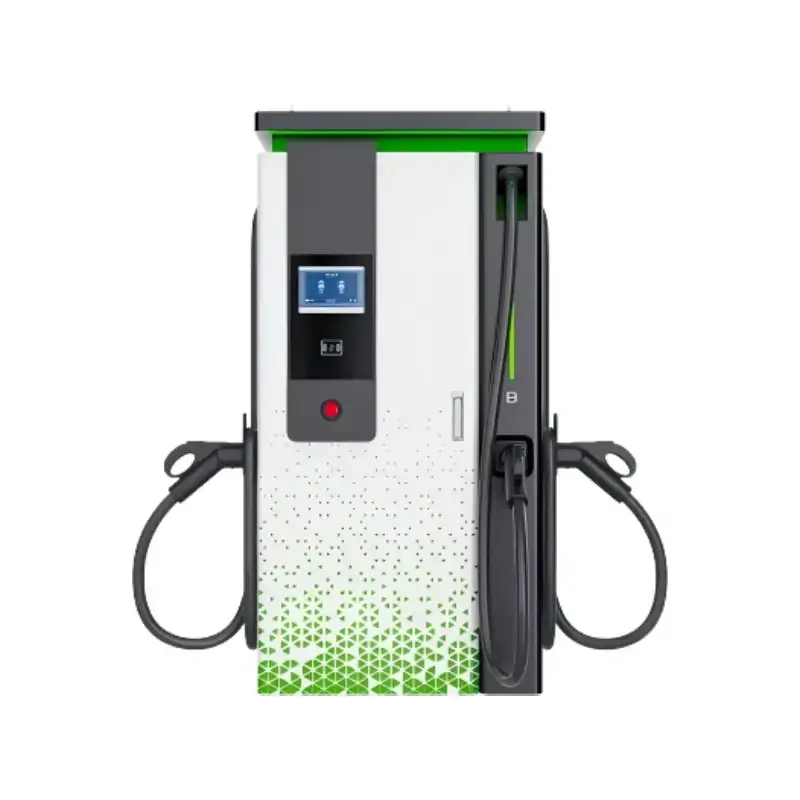
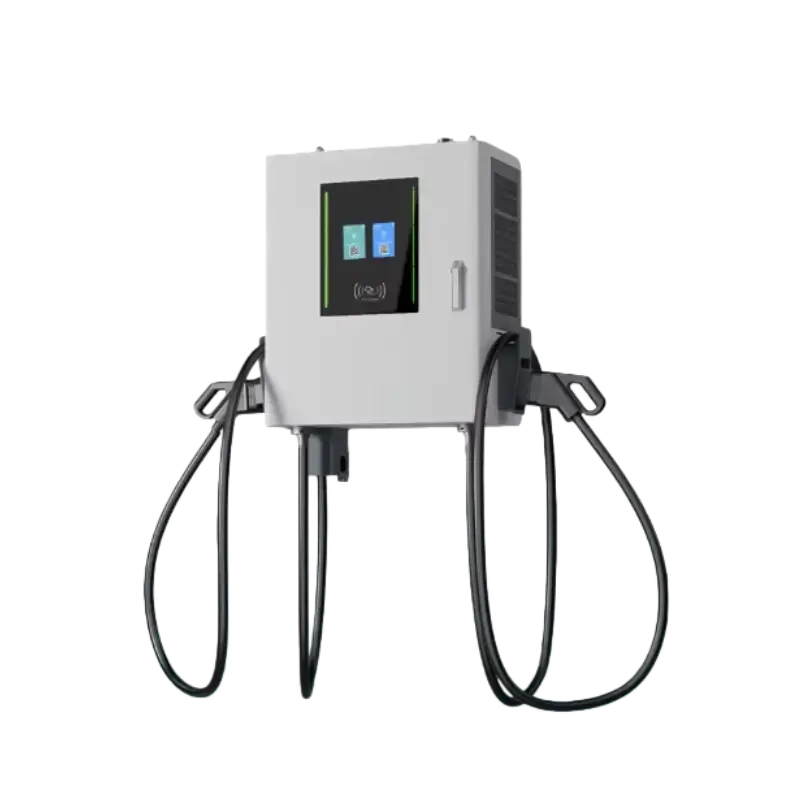
If the numbers look weird or the physical inspection shows damage on your integrated EV DC fast charger, troubleshooting involves a process of elimination. It is frustrating, sure, but logical.
Swap the station: Try a different public charger. If the car works there, the integrated EV DC fast charger or its installation may be the culprit.
Check the breaker: Sometimes the house panel or the dedicated circuit for the integrated EV DC fast charger trips slightly or gets worn out.
Inspecionar o cabo: Visually check the cable for damage, though with an integrated unit, this step may be more about inspecting the connection points.
It is generally found that software glitches cause a lot of “failures.” Simply rebooting the car (turning it fully off, locking it, and waiting ten minutes) can reset its charging negotiation protocols. A hard reset of the integrated EV DC fast charger itself, following the manufacturer’s instructions, can also resolve communication errors between the vehicle and the charger.
FAQ
Can a multimeter test the main high-voltage EV battery?
No, a standard multimeter cannot and should not be used to test the high-voltage traction battery. That voltage is lethal. A multimeter is useful for the 12V accessory battery and checking continuity in cables, but the main pack requires specialized OBDII scanners.
Why does my car charging speed fluctuate so much?
Fluctuation is normal to an extent. It usually happens because of battery temperature management (the car slows down charging to cool the battery) or because the grid load is high. However, rapid, erratic drops might indicate a loose connection.
Is it safe to test the charging port if it's wet?
While EV plugs are weather-sealed, one should never insert testing probes or fingers into a wet charging port. Dry the area completely before attempting any visual inspection or voltage testing to avoid short circuits.


 Portuguese
  English
  Spanish
  French
  Russian
  German
  Italian