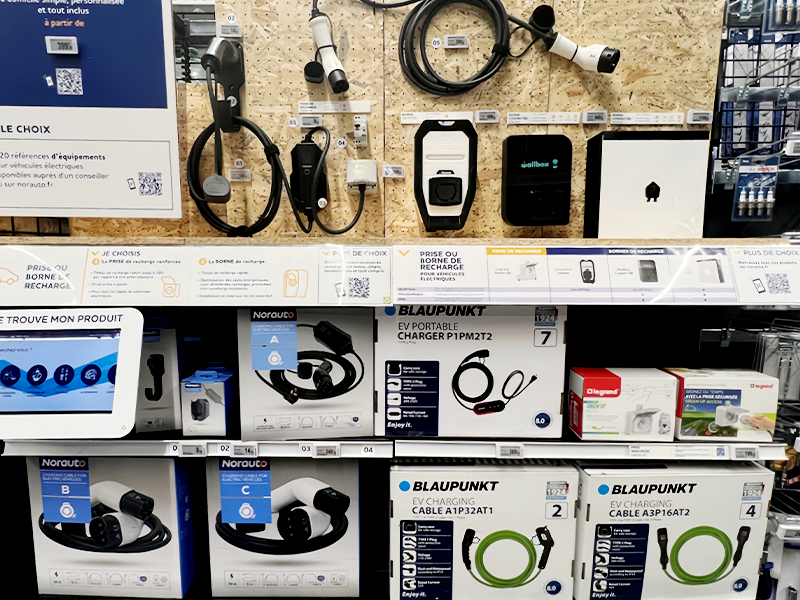
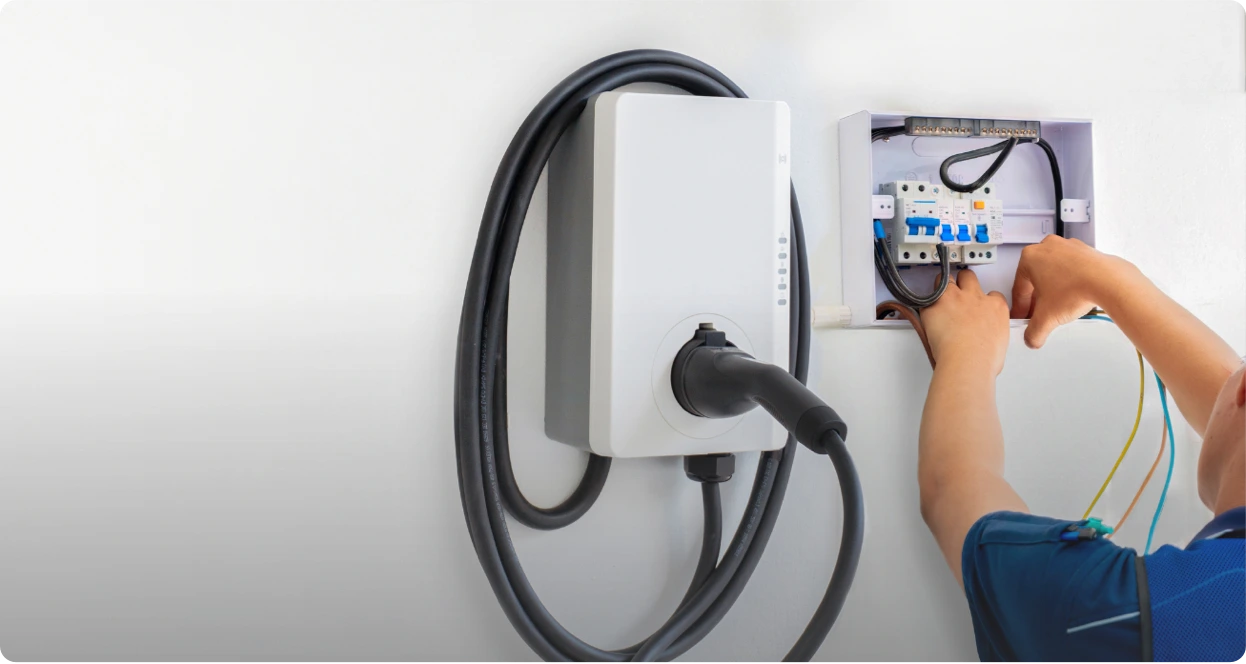
Tem havido uma onda de interesse em estações de carregamento portáteis ultimamente. E faz sentido. A ideia de ter algo na bagageira que possa salvar um veículo elétrico encalhado ou proporcionar flexibilidade quando se viaja é apelativa. Mas entrar neste mercado - ou mesmo pesquisar online - revela rapidamente uma paisagem confusa. Algumas unidades são basicamente grandes baterias sobre rodas. Outros são carregadores compactos que se ligam a tomadas existentes. E depois há toda a questão do significado de "portátil" quando se trata de carregamento de veículos eléctricos.
Esta é uma análise do que é realmente importante quando se selecionam as opções, com base no desempenho destas coisas no mundo real.

O que é realmente uma estação de carregamento portátil
Em primeiro lugar, um esclarecimento rápido. Quando as pessoas procuram uma estação de carregamento portátil, muitas vezes estão à procura de duas coisas diferentes. Uma é uma unidade alimentada por bateria que armazena energia e pode carregar um veículo elétrico em qualquer lugar, como um banco de energia gigante. A outra é um carregador portátil para veículos eléctricos que se liga a uma tomada normal ou a uma tomada de maior potência (como uma NEMA 14-50) e que pode ser transportado no veículo.
Trata-se de produtos muito diferentes. Uma unidade baseada em bateria oferece uma verdadeira capacidade fora da rede, mas custa significativamente mais e acrescenta peso. Um carregador portátil com ficha é essencialmente uma versão móvel do que está montado numa parede em casa - precisa de uma tomada, mas é leve e relativamente acessível.
A maioria das pessoas que pergunta sobre a melhor estação de carregamento portátil está, na verdade, à procura desta última: um carregador de nível 2 que possa manter no carro para maior flexibilidade.
Especificações chave que realmente importam
Há muito ruído de marketing em torno destes dispositivos. Mas algumas especificações fazem a verdadeira diferença entre algo que funciona bem e algo que acaba por ser frustrante.
Potência de saída
Um carregador portátil de nível 2 varia normalmente entre 7 kW e 22 kW. Quanto maior for a potência, mais rápido é o carregamento. Mas há um senão: a tomada tem de o suportar. Uma unidade de 7 kW funciona com um circuito de 30 amperes (comum em casas antigas ou parques de campismo). Uma unidade de 22 kW precisa de um circuito de 100 amperes, o que é menos comum em cenários portáteis.
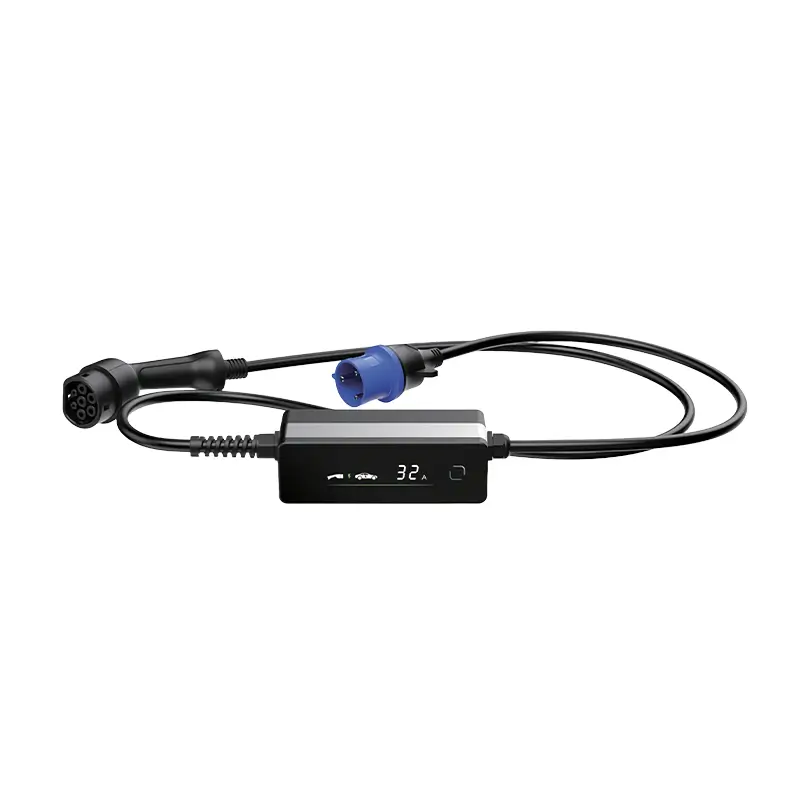
Ao observar a forma como as pessoas as utilizam, uma Carregador portátil para veículos eléctricos de 7-22 kW tende a atingir o ponto ideal. É suficientemente rápido para acrescentar uma autonomia significativa durante uma paragem para refeições, mas não requer uma infraestrutura eléctrica especializada que é difícil de encontrar.
Tipo de conetor
Isto parece óbvio, mas vale a pena referir: o conetor tem de corresponder ao veículo. Na América do Norte, é o J1772 para carregamento de nível 2. Algumas unidades portáteis também vêm com fichas intercambiáveis para diferentes tipos de tomadas - como uma ficha doméstica padrão 5-15 para carregamento lento, e uma NEMA 14-50 para carregamento mais rápido em parques de caravanas.
| Nível de potência | Saída típica | Quilómetros adicionados por hora | Melhor caso de utilização |
|---|---|---|---|
| 1,4-1,9 kW | Família padrão 5-15 | 3-5 milhas | Carregamento de emergência noturno |
| 3,3-3,8 kW | NEMA 6-20 (240V, 20A) | 10-12 milhas | Abastecimento durante o dia |
| 7-9,6 kW | NEMA 14-50 (240V, 50A) | 20-30 milhas | Parques de campismo, paragens para pernoitar |
| 11-22 kW | Tomada com fio ou especializada | 30-60 milhas | Ambientes comerciais, raros para portáteis |
A categoria de 7-9,6 kW é onde se situa a maioria dos carregadores portáteis de Nível 2. Trata-se de um bom equilíbrio entre velocidade e disponibilidade de tomadas compatíveis.
Qualidade de construção e durabilidade
Um carregador portátil é atirado para a bagageira, arrastado para a chuva e, por vezes, pisado. Os que resistem partilham algumas caraterísticas:
- Caixa robusta: Não necessariamente de metal, mas de plástico espesso e resistente aos raios UV que não racha após algumas épocas.
- Qualidade do cabo: Flexível em tempo frio, não se torna rígido. Os conectores devem ter um alívio de tensão que funcione efetivamente.
- Estanquidade às intempéries: Apesar de ser portátil, vai ser utilizado no exterior. Uma classificação NEMA 4 ou 4X significa que pode suportar a chuva e o pó.
As unidades mais baratas tendem a poupar na espessura do cabo. Um cabo fino aquece mais rapidamente durante um carregamento prolongado e pode disparar os disjuntores. Não é o ideal quando se está a utilizar o aparelho fora de casa.
As funcionalidades inteligentes - necessárias ou bonitas?
Alguns carregadores portáteis incluem aplicações, conetividade Wi-Fi e funcionalidades de programação. Outros são simples caixas de ligar e carregar.
De um ponto de vista prático, a conetividade de aplicações numa unidade portátil é, por vezes, um exagero. O carregador desloca-se entre locais; ligá-lo ao Wi-Fi em cada paragem é irritante. Dito isto, algumas funcionalidades inteligentes são verdadeiramente úteis:
1. Amperagem ajustável: Permite ao utilizador reduzir a corrente se não tiver a certeza sobre o circuito a que está ligado.
2. Arranque retardado: Útil para tirar partido das tarifas fora de horas de ponta se ficar estacionado durante a noite.
3. Ecrã de estado: Um ecrã simples ou LEDs que mostram a velocidade de carregamento, a temperatura e as falhas - melhor do que apenas uma luz intermitente.
Um ecrã que mostra o fluxo de energia real é surpreendentemente útil. Dá um feedback imediato de que o carregador está a funcionar corretamente, sem necessidade de verificar o ecrã do veículo.
Considerações de segurança
Esta parte não é objeto de atenção suficiente. Uma estação de carregamento portátil lida com corrente elevada durante horas a fio. As caraterísticas de segurança são importantes.
Proteção contra falhas de terra
Todos os carregadores de veículos eléctricos portáteis de boa reputação incluem proteção GFCI incorporada. Isto é fundamental porque o utilizador pode estar a ligar-se a uma tomada mais antiga que não tem a sua própria proteção contra falhas à terra. Sem esta proteção, existe o risco de choque em condições de humidade.
Monitorização da temperatura
As boas unidades monitorizam a temperatura da ficha. Se a tomada de parede ou o próprio carregador começarem a sobreaquecer - o que acontece com ligações soltas ou cabos de extensão baratos - a unidade reduz a velocidade ou desliga-se. É uma daquelas caraterísticas em que ninguém pensa até evitar um incêndio.
Ensaios e certificação
Antes de confiar em qualquer carregador portátil, especialmente para utilização regular, é importante testar. Utilizar um Dispositivo de teste de carregador EV durante a configuração inicial pode verificar se a unidade está a fornecer a corrente anunciada e se os sistemas de segurança estão a funcionar. É um passo que é muitas vezes ignorado, mas a diferença entre uma unidade que funciona de forma fiável e uma que provoca disparos incómodos do disjuntor está normalmente na qualidade dos componentes internos e na forma como foram testados antes de saírem da fábrica.
Casos de utilização no mundo real
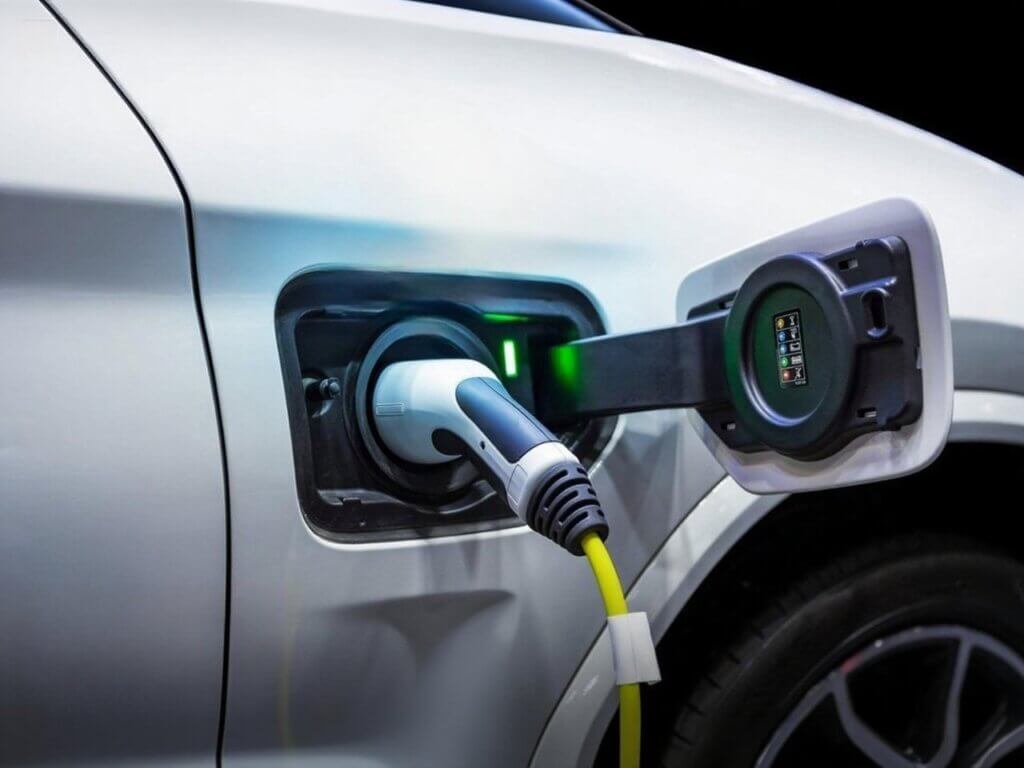
Cada pessoa utiliza os carregadores portáteis de forma diferente. O "melhor" depende do cenário.
- Viajante em viagem: Necessita de uma unidade compacta com fichas intercambiáveis (14-50 e padrão 5-15) para lidar tanto com parques de campismo como com tomadas domésticas de emergência. A fiabilidade é fundamental.
- Veículo de frota ou de trabalho: Pode beneficiar de uma unidade de 11-22 kW de maior potência se existir um acesso consistente a tomadas de maior potência. É dada prioridade à durabilidade.
- Reserva de emergência: Uma unidade mais pequena e mais lenta que vive na bagageira. Não necessita de funcionalidades inteligentes, apenas precisa de funcionar quando necessário.
O que é interessante é que muitas pessoas compram um carregador portátil e depois raramente o utilizam. Mas na única vez em que é necessário - uma bateria descarregada num local remoto, um carregador público avariado, um fim de semana de férias com todas as estações ocupadas - torna-se subitamente inestimável.
Uma nota sobre as verdadeiras estações de bateria portáteis
Existem também grandes unidades de bateria comercializadas como estações de carregamento portáteis para veículos eléctricos. Trata-se, essencialmente, de centrais eléctricas gigantes que armazenam 5-20 kWh de energia e podem produzir velocidades de carregamento de nível 2. Funcionam, mas as vantagens e desvantagens são reais:
- O peso é frequentemente de 100-200 libras. "Portátil" é relativo.
- O custo é elevado - frequentemente de $5.000 a $15.000 ou mais.
- Têm de ser recarregados, quer a partir de energia solar, quer a partir da rede eléctrica.
Para a maioria dos proprietários de veículos eléctricos, um carregador portátil de nível 2 que se liga a tomadas existentes é a solução mais prática. As unidades baseadas em baterias fazem sentido para situações específicas: locais fora da rede, cenários de filmes ou preparação para emergências onde a energia da rede não está disponível.
FAQ
Posso utilizar uma estação de carregamento portátil com qualquer veículo elétrico?
A maioria dos carregadores portáteis de Nível 2 utiliza o conetor J1772, que funciona com todos os veículos eléctricos não Tesla na América do Norte. Os veículos Tesla requerem um adaptador J1772 (normalmente incluído com o veículo).
A que velocidade é que um carregador portátil carrega realmente?
Um carregador portátil de 7,2 kW acrescenta cerca de 20-30 milhas de autonomia por hora. A velocidade real depende do carregador de bordo do veículo e do circuito elétrico disponível.
Preciso de uma tomada especial para um carregador portátil de veículos eléctricos?
Uma tomada doméstica normal (120V) funciona, mas carrega muito lentamente. Para um carregamento mais rápido de Nível 2, recomenda-se uma tomada de 240V como uma NEMA 14-50 (normalmente encontrada em parques de caravanas ou instalada em garagens).