
When you plug an electric car into a wall box or a public pedestal, there is a silent, split-second conversation that happens before a single electron flows. It feels instantaneous—click, hum, charge—but that moment is governed by a thick book of engineering rules. It isn’t just about making sure the plug fits; it’s about ensuring that 400 volts of electricity doesn’t fry the car’s battery or, worse, the person holding the cable.
Understanding the “standard” isn’t exactly straightforward because, well, the world couldn’t agree on just one. Depending on where you live and what you drive, the benchmarks for Chargement des VE testing shift slightly, though they all aim for the same goal: safety and interoperability. It is a mix of checking the physical connection, the digital handshake, and the safety overrides.
The North American Benchmark for EV Charging Testing
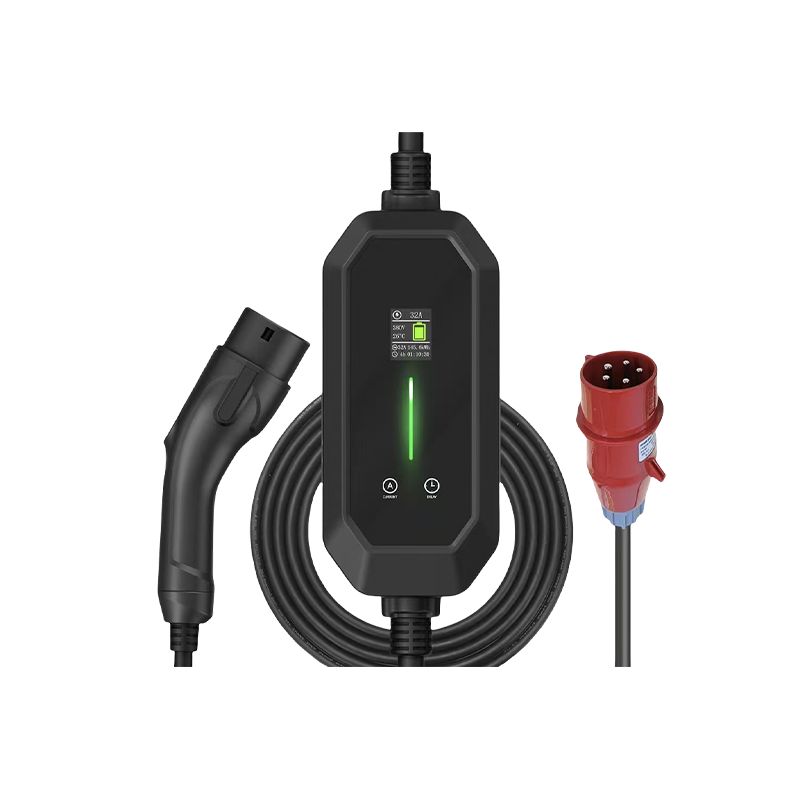
If you are in North America, the bible for AC charging is SAE J1772. Engineers often just call it “J-Plug.” When technicians go out to perform EV charging testing, this is the standard they are measuring against.
It was developed by the Society of Automotive Engineers (SAE) to create a universal language. Before this, it was a bit of a wild west scenario. The core of J1772 testing involves checking two specific pins in the connector: the Control Pilot (CP) and the Proximity Pilot (PP).
- The Proximity Pilot: This tells the charger, “Hey, I’m plugged in, don’t let the user drive away.”
- The Control Pilot: This is the negotiator. It uses a pulsing signal (PWM) to tell the car how much power is available.
When testing against this standard, a simulator is used to mimic a car. If the charger doesn’t generate the specific 1kHz square wave required by J1772, it fails. It’s fascinating to watch on an oscilloscope; if that wave looks jagged or weak, the car will simply refuse to charge, even if the power lines are perfectly fine.
International Standards and IEC 61851
Cross the ocean, and things change. While the physics remains the same, the paperwork differs. The International Electrotechnical Commission (IEC) sets the global rules, specifically IEC 61851.
For EV charging testing in Europe and much of Asia, this is the overarching document. It covers similar ground to SAE J1772 but accommodates the different “Types” of connectors (like the Mennekes Type 2 plug which allows for three-phase power).
The testing here is often more rigorous regarding the locking mechanisms. In Europe, the user often brings their own cable to the station, whereas in the US, the cable is attached to the charger. Therefore, the standard requires testing the locking solenoid to ensure the cable can’t be stolen or unplugged while live. It adds a layer of complexity to the routine maintenance checks.
Safety Protocols in EV Charging Testing
Regardless of whether you are following SAE or IEC rules, the safety tests are largely universal. Electricity respects physics, not borders. The absolute gold standard for safety involves the Ground Fault Circuit Interrupter (GFCI) or Residual Current Device (RCD).
During a proper EV charging testing session, the technician will intentionally introduce a tiny leak of current to the ground—usually around 20 milliamps. The standard dictates that the charger must cut power within milliseconds. If it hesitates, it fails.
Here is a list of the non-negotiable safety checks found in almost every standard:
- Ground Monitor Interrupter (GMI): Verifies the ground connection is present before starting.
- Weld Detection: Ensures the internal relays haven’t melted shut.
- Emergency Stop: If the unit has an E-Stop button, pressing it must physically sever the power immediately.
Digital Communication and ISO 15118
This is where things get modern and a little complicated. The old standards were analog—just simple voltage pulses. The new standard for EV charging testing involves high-level digital communication, known as ISO 15118.
This is the core technology behind features like “Plug & Charge,” where the vehicle and the EV charging station exchange digital certificates to authenticate and handle billing automatically. Testing this digital layer is significantly more complex. You can’t simply use a multimeter; instead, you need specialized tools like a packet sniffer or a dedicated protocol analyzer to verify that the encryption, messaging, and handshake processes are valid.
Comparing the Major Standards
| Standard Code | Primary Region | Focus Area | Key Testing Requirement |
|---|---|---|---|
| SAE J1772 | North America / Japan | AC Charging / Connectors | Control Pilot (PWM) signal integrity. |
| IEC 61851 | Europe / Monde | General System Requirements | Safety loops and latching mechanisms. |
| ISO 15118 | Global | Digital Communication | Vehicle-to-Grid (V2G) and Plug & Charge data. |
| CHAdeMO | Japan / Legacy | Chargement rapide DC | CAN bus communication consistency. |
The Reality of Field Testing vs. Lab Certification
There is a difference between the “Standard” written on paper and what happens in a parking lot. In a laboratory, EV charging testing is brutal. They bake the chargers, freeze them, and blast them with voltage spikes to ensure they meet the certification (like UL or CE marks).
However, in the field, the standard is effectively “Does it work safely?” Technicians are looking for wear and tear that violates the standard. A cracked connector might technically still transmit power, but it violates the ingress protection (IP) standards for moisture. So, while the electrical standard is invisible, the physical standard is something anyone can see. If the cable is frayed, it doesn’t meet the standard, period.
FAQ
Do all EVs use the same testing standard?
Mostly, yes. While the physical plugs (Tesla NACS vs CCS vs CHAdeMO) differ, the underlying communication logic for AC charging is almost entirely based on the J1772/IEC 61851 protocol. This allows testers to use universal adapters.
Who decides these EV charging standards?
They are decided by committees of engineers from automakers, charging network operators, and safety organizations. It is a slow, bureaucratic process, which is why technology often moves faster than the official written standards.
Is testing a DC Fast Charger different from a home charger?
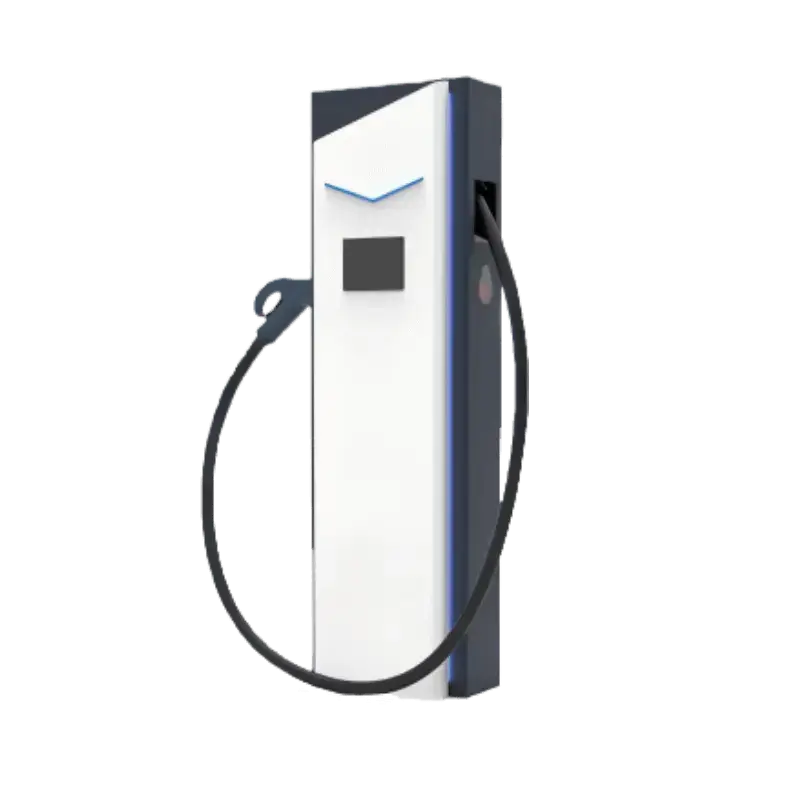
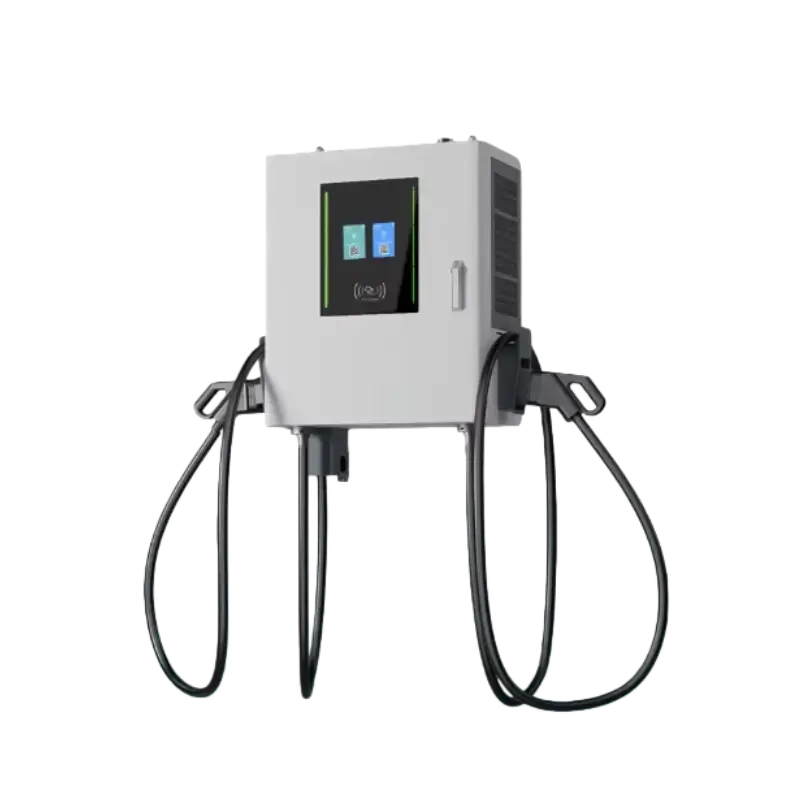
Yes, significantly. DC Fast Charging (Level 3) bypasses the car’s internal charger and dumps power directly into the battery. The EV charging testing for this requires much heavier equipment to handle the heat and load, and it tests complex digital communication rather than just simple pulse signals.


 French
  English
  Spanish
  Portuguese
  Russian
  German
  Italian