
Prices for level 2 EV charging stations can look puzzling at first glance. The sticker price on the charger is only part of the story. A practical look reveals a blend of equipment choices, installation challenges, and local rules. Observers note that, over time, the total cost tends to reflect site specifics more than brand names alone.
From a distance, the market seems straightforward: practical hardware, decent installation, and a few optional add-ons. Closer inspection, though, shows a few decisive levers—amperage, wiring complexity, and whether the home’s electrical panel can handle a new load. The result is a price band rather than a single number, with typical home setups landing somewhere in the mid to upper range depending on conditions.
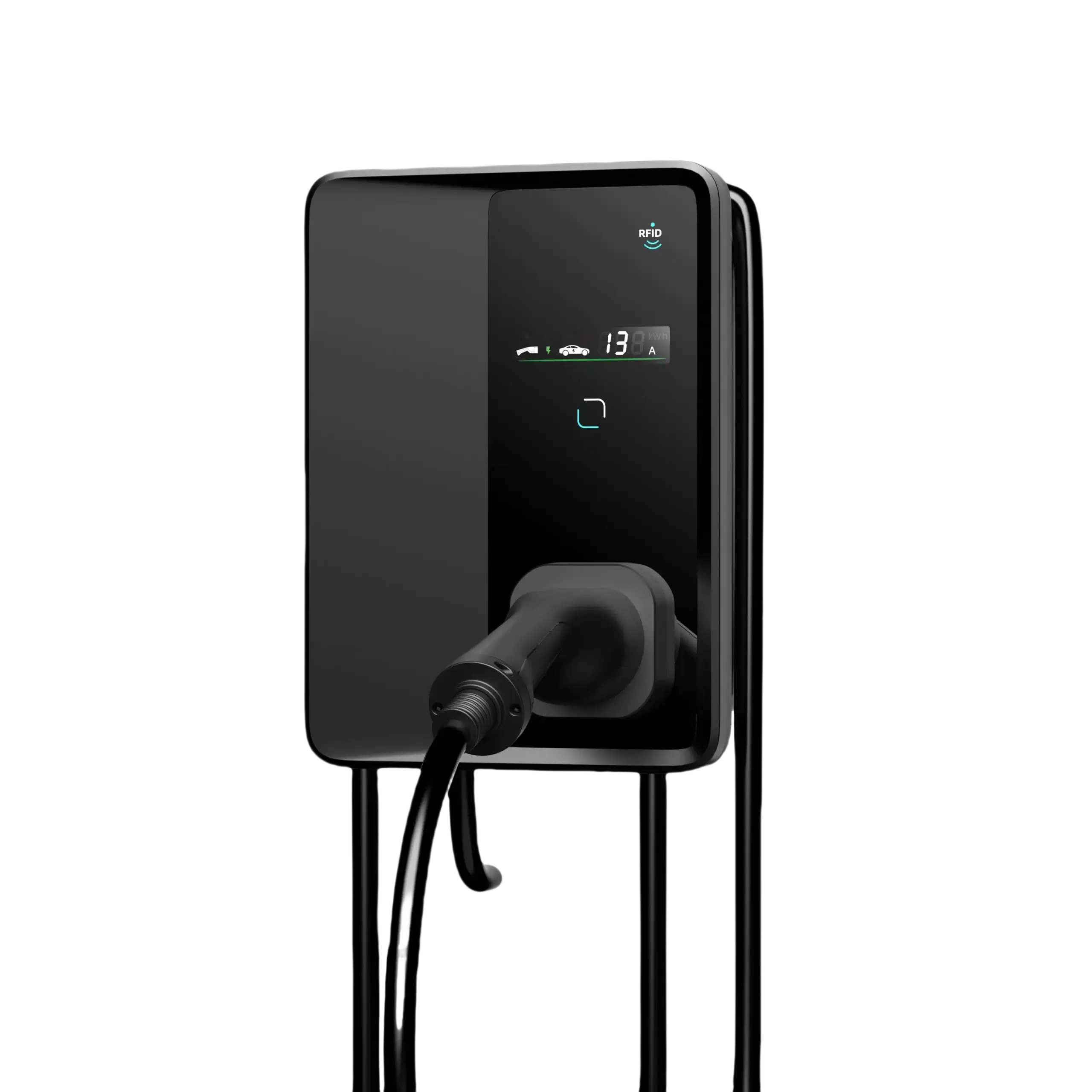
Station de recharge pour VE de la série Electra
What is a level 2 EV charging station?
A level 2 EV charging station delivers faster charging than a standard wall outlet and uses 240 volts. It usually requires a dedicated circuit, a mounting location, and in many cases a connection to the home’s electrical panel. The hardware itself varies—from basic models with essential features to premium units with Wi‑Fi, app control, and enhanced safety protections. The phrase Level 2 EV charging stations captures both the charger unit and the accompanying installation work.
Price breakdown: components and ranges
Costs split into hardware, installation, and occasional extras. The following table outlines typical ranges seen in residential projects.
| Item | Typical Cost Range (USD) | Notes |
|---|---|---|
| Level 2 charger unit | $300–$700 | Basic to mid-range features; some smart functions add to cost |
| Installation labor | $500–$2,500 | Depends on distance from panel and complexity |
| Electrical panel upgrade | $1,000–$3,000 | Needed if the panel can't handle new load |
| Permitting and inspections | $50–$300 | Local rules vary; some areas include permit in labor |
| Total installed cost | $1,000–$6,000 | Wide range based on site, panel, and goals |
The table helps organizers compare options without surprises. In many cases, the charger’s price is dwarfed by installation, especially when panel upgrades are required. Observers often find that a small, well-placed upgrade can unlock the path to reliable, long-term charging.
Charger unit options
Entry-level smart chargers: modest price, core features, app alerts
• Mid-range units: stronger Wi‑Fi integration, scheduling, and energy management
• Premium models: advanced safety features, faster charging capabilities, robust app ecosystems
The choice depends on usage patterns, future-proofing needs, and the desire for remote monitoring. A simple, well-installed unit may outlast cheaper alternatives in practice.
Installation factors
Several real-world considerations drive costs up or down:
• Electrical panel capacity and age
• Distance from the panel to the charging location
• Need for a new circuit or trenching
• Outdoor mounting and weatherproofing
• Permitting requirements and inspections
Unforeseen constraints, like a cramped garage or a long run to the main panel, can push total costs higher. On the flip side, some setups fit neatly into existing infrastructure, keeping installation lean.
Getting the best value
Compare units with similar features to avoid paying for extras not used.
Get multiple quotes from licensed electricians.
Verify permit requirements early to avoid delays and extra fees.
Consider future needs: a slightly higher amperage can reduce upgrades later.
Check for rebates and incentives in the local area or utility programs.
Observationally, the smartest approach pairs a reliable Level 2 charger with a straightforward installation. The combined result tends to deliver the best long-term value.
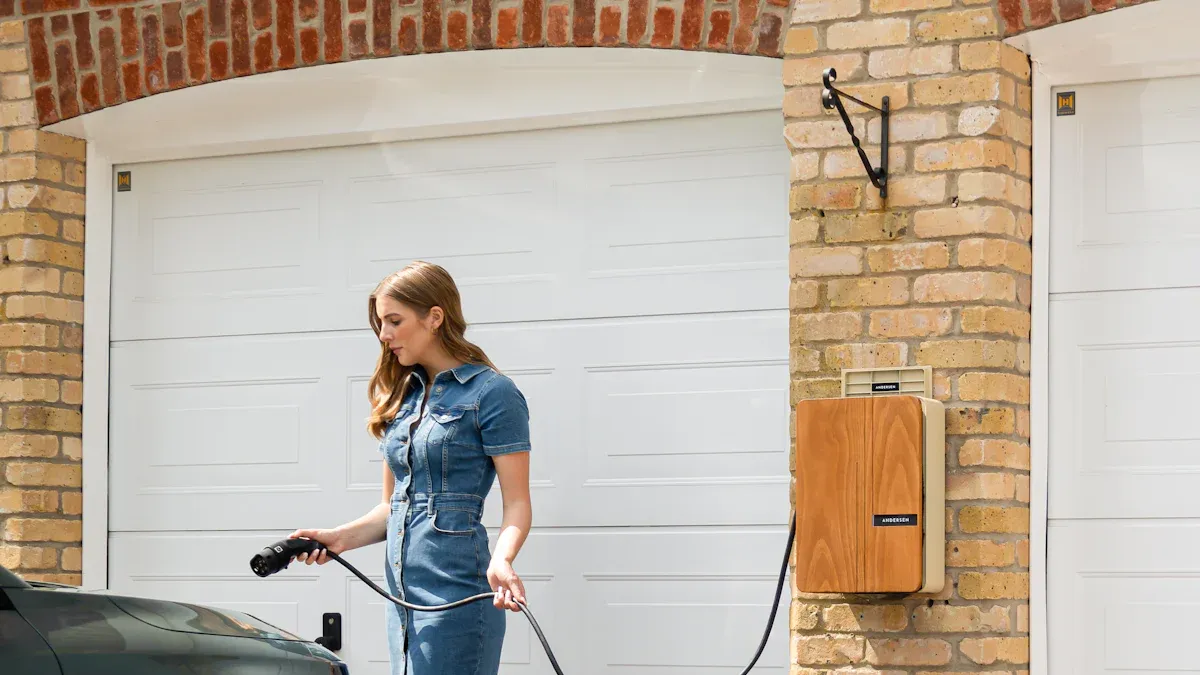
Station de recharge pour VE
Incentives and financing
Certain regions offer rebates, tax credits, or discounted installation programs. These incentives can significantly narrow the total cost, especially when a panel upgrade is needed. It pays to research current offerings before committing to a specific setup.
FAQ
Do I need a professional electrician for level 2 EV charging stations?
Yes, a licensed electrician is recommended to ensure safety and code compliance.
What affects the total installed price the most?
Panel capacity, distance from the panel, and whether a panel upgrade is required.
Are there incentives for Level 2 charging installations?
Yes, many areas offer rebates or tax credits; eligibility varies by location and program.


 French
  English
  Spanish
  Portuguese
  Russian
  German
  Italian