
The electric vehicle charging industry has exploded in recent years. With that growth comes an increasingly critical need for proper testing equipment. High-power DC fast charging stations present unique challenges that standard testing tools simply cannot handle. Selecting the right DC EV charger tester requires understanding both the technology involved and the specific demands of modern charging infrastructure.
Getting this decision wrong costs money. Worse, it potentially compromises safety and reliability for end users who depend on functioning charging stations. The stakes are genuinely high here.
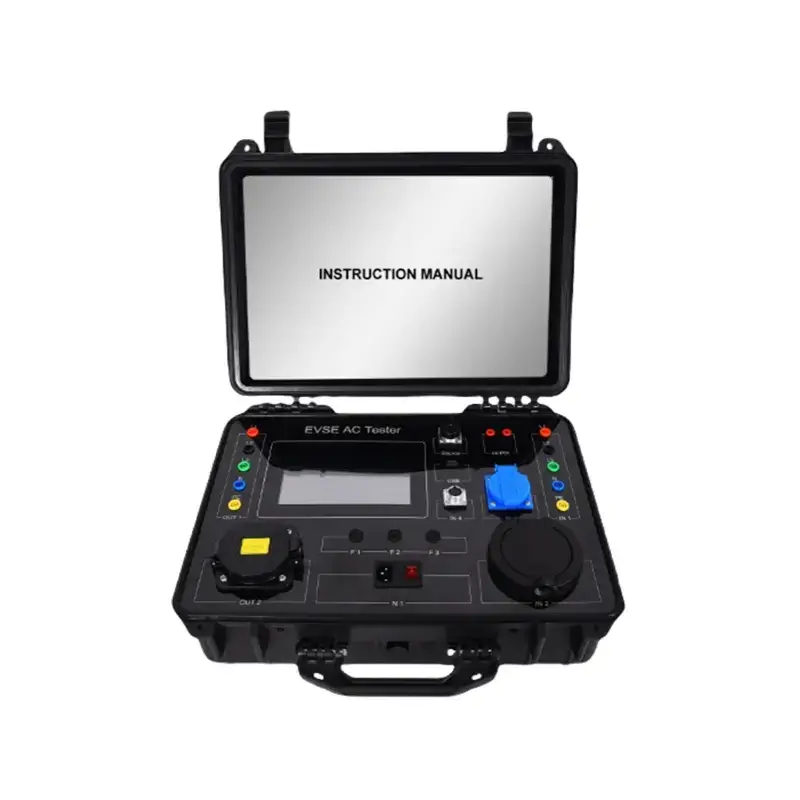
Why High-Power Stations Need Specialized DC EV Charger Tester Equipment
Fast charging technology has evolved dramatically. Early DC stations operated at 50kW or less. Today, ultra-fast chargers push 350kW and beyond. Some manufacturers are already testing 500kW systems. This power escalation changes everything about testing requirements.
Standard electrical testing equipment falls short in several ways:
- Voltage ranges exceed typical industrial testing parameters
- Current levels demand specialized measurement capabilities
- Communication protocols require EV-specific diagnostic functions
- Safety interlocks need verification under actual operating conditions
- Thermal management systems require monitoring during extended tests
A proper DC EV charger tester addresses all these factors. Generic multimeters and power analyzers, while useful for basic electrical work, miss critical EV charging-specific parameters that determine whether a station will perform reliably in the field.
The charging ecosystem involves complex interactions between the station, the vehicle, and the grid. Testing equipment must evaluate this entire chain—not just isolated electrical characteristics.
Key Specifications When Selecting a DC EV Charger Tester
Voltage and Current Ranges
This seems obvious but deserves emphasis. The tester’s measurement range must exceed the maximum capabilities of stations being tested. For high-power applications, this typically means:
| Station Power Level | Typical Voltage Range | Maximum Current | Recommended Tester Range |
|---|---|---|---|
| 50kW | 200-500V DC | 125A | 600V / 150A minimum |
| 150kW | 200-920V DC | 375A | 1000V / 400A minimum |
| 350kW | 200-920V DC | 500A | 1000V / 600A minimum |
| 350kW+ Ultra-fast | 200-1000V DC | 600A+ | 1200V / 800A minimum |
Building in headroom matters. Testing right at equipment limits introduces measurement uncertainty and limits future capability as station power levels continue climbing. Nobody wants to replace expensive test equipment every few years because the industry moved faster than anticipated.
Communication Protocol Support
Modern DC charging involves constant communication between vehicle and station. The tester needs to monitor, simulate, and verify these exchanges. Essential protocols include:
1. CCS (Combined Charging System) – Dominant in North America and Europe
2. CHAdeMO – Common in Asian markets and legacy installations
3. GB/T – Required for Chinese market compliance
4. NACS/Tesla – Increasingly relevant as adoption expands
Some testing scenarios require the DC EV charger tester to simulate a vehicle. Others need passive monitoring of real charging sessions. The best equipment handles both modes. Protocol updates happen regularly too, so firmware upgrade capability isn’t optional—it’s essential for long-term value.
Safety Testing Functions
High-power DC systems present serious hazards. Testing equipment must verify that protective systems actually work. Critical safety functions include:
• Ground fault detection and response timing
• Insulation resistance measurement under operating voltage
• Emergency shutdown verification
• Connector interlock functionality
• Over-voltage and over-current protection response
These tests need to happen under conditions approximating real-world operation. Static testing catches some problems. Dynamic testing under load reveals others that only appear when power is actually flowing.
Accuracy and Calibration
Measurement accuracy directly impacts testing reliability. For high-power applications, look for:
• Voltage accuracy of ±0.5% or better
• Current accuracy of ±0.5% or better
• Power measurement accuracy of ±1% or better
• Traceable calibration to national standards
• Reasonable calibration intervals (annual typically)
Cheap testers with loose tolerances create problems. Marginal stations might pass testing only to fail in service. Or properly functioning equipment gets flagged for unnecessary repairs. Either outcome wastes time and money.
Practical Features That Matter in the Field
Portability Considerations
High-power testing equipment tends toward bulkiness. That’s somewhat unavoidable given the current-carrying requirements. But significant variation exists between manufacturers.
Field technicians appreciate:
• Wheeled cases for heavy units
• Modular designs that separate display/control from power sections
• Battery operation options for sites without convenient power access
• Weather resistance for outdoor testing
• Rugged construction that survives transport in service vehicles
The fanciest specifications mean nothing if technicians avoid using equipment because it’s too cumbersome for practical field work. Real-world usability matters enormously.
Data Logging and Reporting
Testing generates data. Lots of it. How that data gets captured, stored, and reported affects workflow efficiency and documentation quality.
Useful capabilities include:
• Automatic test sequence recording
• Customizable report templates
• Cloud connectivity for centralized data management
• Export formats compatible with common software
• Time-stamped event logging for troubleshooting
Regulatory compliance often requires detailed records. Warranty claims need documentation. Network operators want performance trending data. The DC EV charger tester should facilitate all these needs without creating administrative burden.
User Interface Design
Complicated equipment with confusing interfaces slows work and increases error rates. Good interface design includes:
1. Clear display visibility in various lighting conditions
2. Intuitive menu navigation
3. Quick access to commonly used functions
4. Helpful error messages that guide troubleshooting
5. Multiple language support for diverse workforces
Touchscreens have become common but aren’t universally better. Gloved operation, outdoor use in bright sunlight, and cold weather all present challenges for touchscreen-only designs. Physical buttons still have their place.
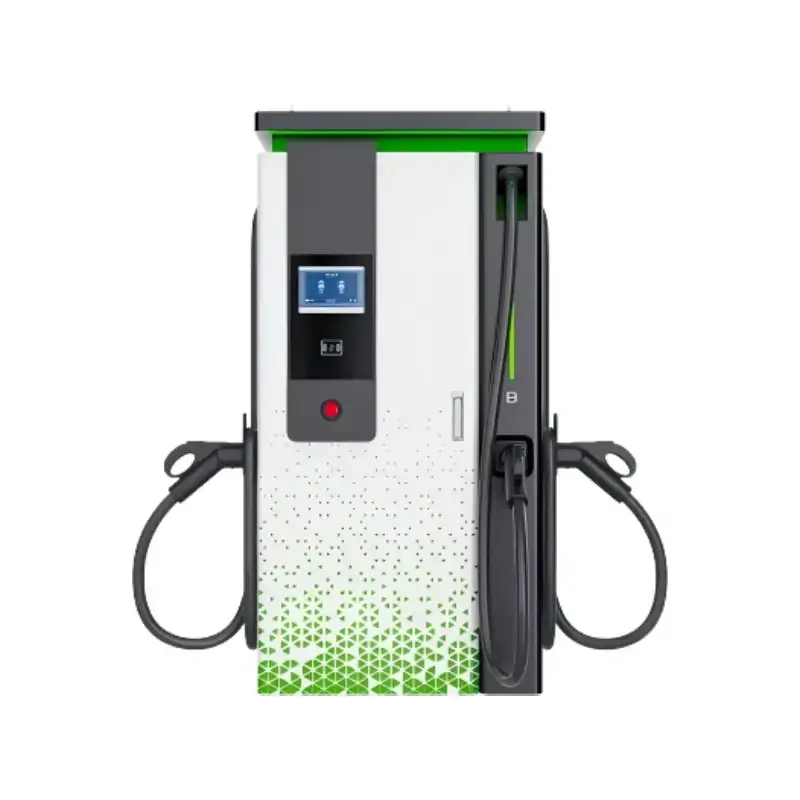
Matching the DC EV Charger Tester to Specific Applications
Manufacturing and Production Testing
Factory environments demand high throughput. Testers used in production lines need:
• Fast test cycle times
• Automation interface compatibility
• High duty cycle capability
• Statistical process control integration
• Minimal operator intervention requirements
Production testing often justifies higher equipment investment because utilization rates are high and efficiency gains compound quickly.
Installation Commissioning
New station deployment requires comprehensive verification before public activation. Commissioning testers should handle:
• Complete protocol verification
• Grid interconnection compliance
• Payment system integration checks
• Safety system validation
• Performance baseline establishment
This application typically involves the most thorough testing. Cutting corners during commissioning creates problems that multiply once stations enter service.
Routine Maintenance and Troubleshooting
Ongoing service work represents the highest volume testing application. Requirements differ from commissioning:
• Faster setup and teardown
• Focused diagnostic capabilities
• Comparison against baseline data
• Clear pass/fail indications
• Integration with service management systems
Maintenance technicians need equipment that helps identify problems quickly. Extensive capabilities matter less than efficient workflows for common issues.
Cost Considerations and Total Value
High-quality DC EV charger tester equipment represents significant investment. Prices range from a few thousand dollars for basic units to well over $50,000 for comprehensive high-power test systems. The temptation to minimize upfront costs is understandable but often misguided.
Factors affecting total cost of ownership:
- Initial purchase price
- Calibration and maintenance expenses
- Training requirements
- Software update costs
- Expected service life
- Resale or trade-in value
Cheaper equipment frequently costs more over time. Shortened calibration intervals, limited upgrade paths, and premature obsolescence erode initial savings. Conversely, premium equipment from established manufacturers tends to hold value better and remain useful longer.
Rental options exist for occasional testing needs. This approach makes sense for organizations without regular testing volume or those evaluating equipment before purchase commitment.
Future-Proofing Your Investment
The EV charging industry continues evolving rapidly. Equipment purchased today needs relevance for years ahead. Consider:
- Firmware upgrade capabilities for new protocols
- Hardware expandability for higher power ratings
- Manufacturer commitment to ongoing development
- Standards development participation and early adoption
- Modular architecture allowing component upgrades
No crystal ball perfectly predicts future requirements. But equipment designed with flexibility and upgradeability handles change better than rigid, closed systems. Asking manufacturers about their product roadmaps provides useful insight into long-term viability.
The transition toward even higher power levels seems inevitable. Megawatt-scale charging for commercial vehicles is already under development. Testing equipment investments should acknowledge this trajectory even if current needs are more modest.
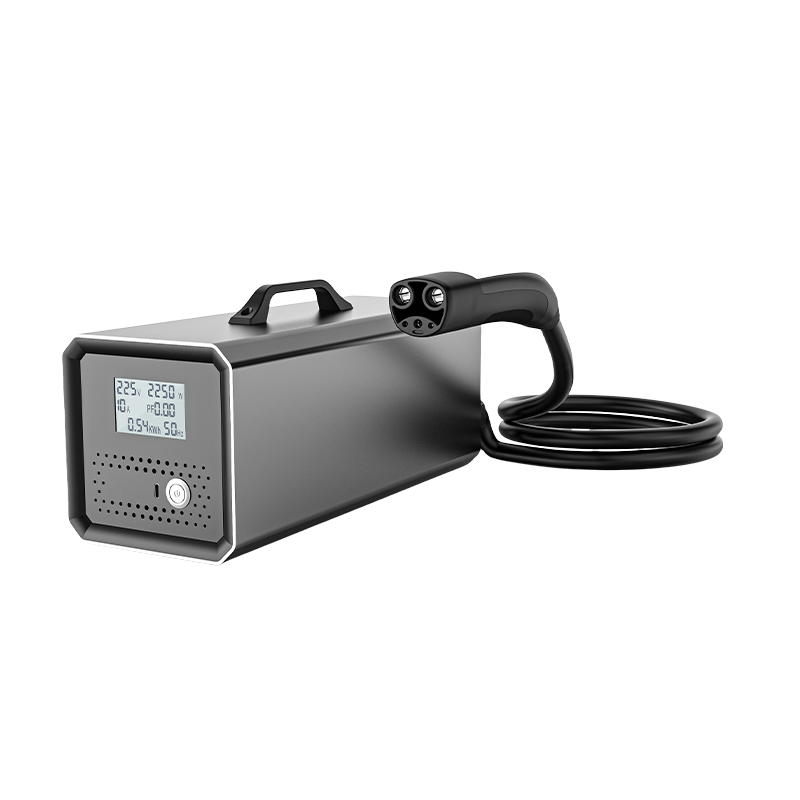
FAQ
How often should a DC EV charger tester be calibrated?
Most manufacturers recommend annual calibration. High-use environments or critical applications may require more frequent intervals. Always follow manufacturer specifications and maintain calibration records for compliance purposes.
ICan one tester handle both CCS and CHAdeMO protocols?
Yes, most modern testers support multiple protocols. Check specifications carefully though—some require optional modules or software licenses for full multi-protocol capability. Verify all needed protocols are included before purchasing.
What training is typically required to operate this equipment?
Basic operation usually requires one to two days of training. Advanced diagnostic functions may need additional instruction. Most manufacturers offer training programs, and some include initial training with equipment purchase.


 French
  English
  Spanish
  Portuguese
  Russian
  German
  Italian