
Understanding Why ISO Standards Matter for EV Chargers
Electric vehicle adoption keeps accelerating globally. More cars on roads means more charging infrastructure needed everywhere. But here’s the challenge—without standardization, chaos would reign. Imagine driving to another city and discovering your car cannot connect to available chargers. That scenario frustrated early EV adopters considerably.
ISO standards exist precisely to prevent such problems. These internationally recognized specifications ensure EV chargers work safely and compatibly across different manufacturers and regions. For businesses installing charging infrastructure, understanding these standards isn’t optional really. It’s fundamental to providing reliable service.
The standardization landscape can seem overwhelming initially. Multiple standards covering different aspects—safety, communication protocols, connector designs, testing procedures. Making sense of this framework requires some patience, but the basics aren’t terribly complicated once broken down properly.
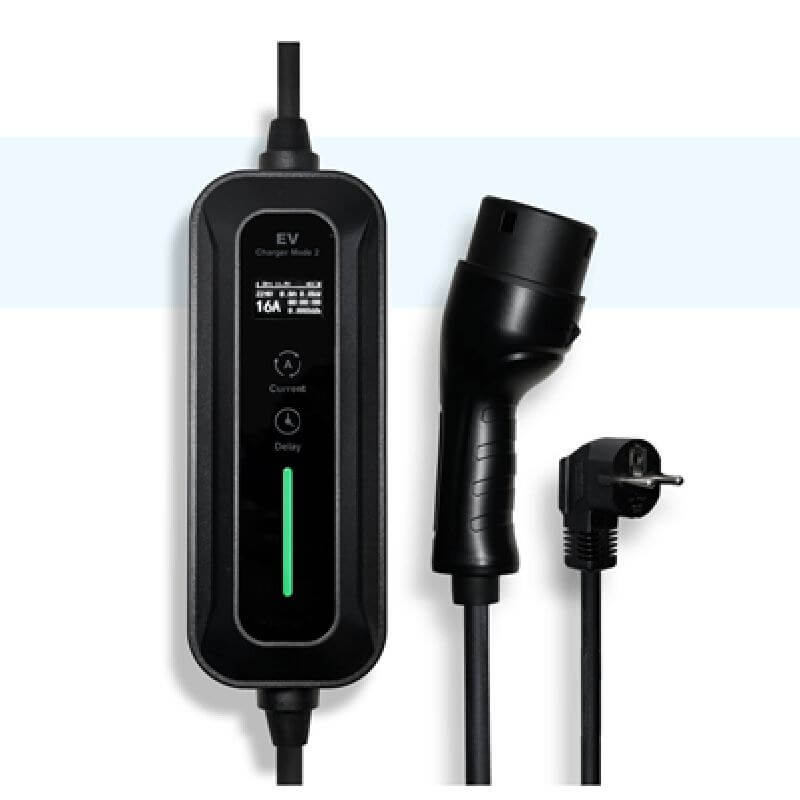
Primary ISO Standards Governing EV Chargers
ISO 15118 Communication Protocol
Perhaps the most significant standard for modern EV chargers involves communication between vehicle and charging station. ISO 15118 establishes how these devices talk to each other. The standard enables features like plug-and-charge functionality where authentication happens automatically without cards or apps.
This communication protocol covers several important functions:
• Vehicle identification and authorization
• Charging session parameter negotiation
• Payment processing integration
• Smart grid communication capabilities
• Bidirectional charging coordination
ISO 15118 continues evolving with new editions addressing emerging needs. The standard’s flexibility allows manufacturers to implement advanced features while maintaining baseline compatibility.
ISO 17409 Safety Requirements
Safety standards for EV chargers cannot be compromised obviously. ISO 17409 specifically addresses conductive power transfer safety requirements for electrically propelled vehicles. The standard covers both AC and DC charging scenarios.
Key safety aspects addressed include:
1. Electrical isolation requirements
2. Ground fault protection specifications
3. Overcurrent protection parameters
4. Emergency shutdown procedures
5. Environmental protection ratings
Manufacturers must demonstrate compliance through rigorous testing protocols. These requirements protect users, vehicles, and infrastructure from electrical hazards during charging operations.
ISO 6469 Series for Vehicle Safety
While focused on vehicles rather than chargers directly, the ISO 6469 series affects EV chargers significantly. These standards govern electrical safety for road vehicles, including charging system interfaces on the vehicle side.
The interaction between vehicle safety requirements and charger specifications creates interdependencies. Charger manufacturers must understand vehicle-side standards to ensure complete system safety.
Regional Variations and ISO Standards for EV Chargers
How Different Markets Apply Standards
ISO standards provide international frameworks, but regional implementation varies somewhat. Different markets emphasize certain standards over others based on local conditions and existing infrastructure.
| Región | Primary Standards Applied | Common Connector Types | Notable Requirements |
|---|---|---|---|
| Europe | ISO 15118, IEC 61851 | Type 2, CCS2 | CE marking mandatory |
| North America | ISO 15118, SAE J1772 | Type 1, CCS1 | UL certification typical |
| China | GB/T standards (ISO-aligned) | GB/T connectors | CCC certification required |
| Japan | ISO standards plus CHAdeMO | Type 1, CHAdeMO | PSE certification needed |
Understanding regional nuances helps manufacturers and installers navigate compliance requirements effectively. The trend moves toward greater harmonization though, which simplifies global deployment gradually.
Interoperability Challenges
Despite standardization efforts, interoperability issues persist with EV chargers in practice. Different standard versions, varying implementation interpretations, and legacy equipment create occasional compatibility problems.
Newer installations following current ISO standards experience fewer issues generally. Older infrastructure sometimes requires updates or firmware modifications to achieve full compatibility with modern vehicles. This reality affects network operators planning equipment lifecycles.
Compliance Requirements for EV Chargers Installation
Certification and Testing Processes
Getting EV chargers certified involves systematic testing against applicable standards. Testing laboratories evaluate electrical safety, communication protocols, environmental resilience, and functional performance.
The certification process typically includes:
1. Design review and documentation assessment
2. Prototype testing in accredited laboratories
3. Production quality management evaluation
4. Periodic surveillance audits post-certification
5. Recertification when standards update significantly
Cutting corners on certification creates liability risks and market access problems. Reputable manufacturers invest appropriately in comprehensive compliance programs.
Documentation and Marking Requirements
Proper documentation accompanies compliant EV chargers. Users and installers need access to specifications, installation requirements, and safety information. ISO standards specify minimum documentation requirements.
Markings on equipment must indicate compliance status clearly. Certification logos, voltage ratings, environmental ratings, and manufacturer identification—all require proper display according to standard requirements.
Future Developments in ISO Standards for EV Chargers
Emerging Technology Considerations
Charging technology evolves rapidly. Wireless charging, ultra-fast charging exceeding 350kW, and vehicle-to-grid capabilities all require standards development. ISO working groups actively address these emerging needs.
Current development areas include:
• Megawatt charging systems for commercial vehicles
• Automated connection systems for autonomous vehicles
• Enhanced cybersecurity requirements
• Standardized bidirectional charging protocols
Staying current with standards development helps manufacturers prepare products for future market requirements. Participation in standards committees provides valuable early insight.
Harmonization Trends
Global harmonization of EV chargers standards continues progressing. Differences between regional standards create inefficiencies for manufacturers serving multiple markets. Industry pressure favors convergence toward unified requirements.
ISO’s international framework positions it well for driving harmonization efforts. Collaboration with regional standards bodies—IEC, SAE, and others—facilitates alignment over time.
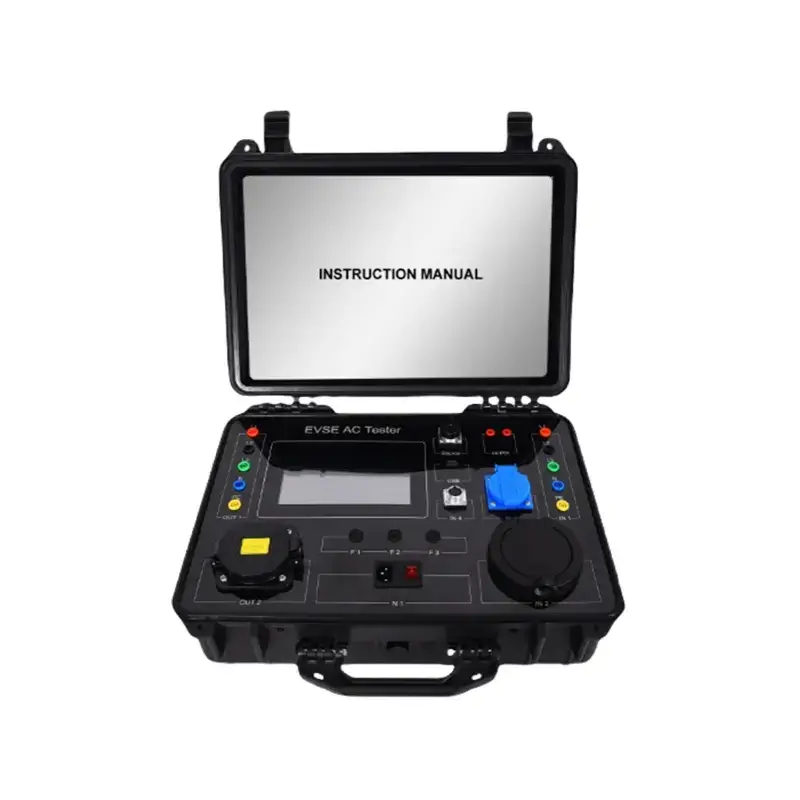
If you want to know more about EV charging tester, please read ¿Es necesario probar los cargadores de vehículos eléctricos??
PREGUNTAS FRECUENTES
Which ISO standard is most important for EV chargers manufacturers?
ISO 15118 represents the most critical communication standard for modern EV chargers development. However, manufacturers cannot ignore safety standards like ISO 17409 and regional requirements. Complete compliance requires addressing multiple standards simultaneously rather than focusing on single specifications exclusively.
Do home EV chargers need ISO certification?
Home charging equipment—often called Level 2 chargers—must meet applicable safety standards for residential installation approval. While ISO standards apply, regional electrical codes and certification requirements (UL, CE, etc.) typically govern market access more directly. Purchasing certified equipment from reputable manufacturers ensures compliance without requiring individual verification efforts.
How often do ISO standards for EV chargers get updated?
ISO standards undergo periodic review cycles, typically every five years, though significant technology changes can trigger earlier revisions. Recent rapid evolution in charging technology has accelerated updates in this sector specifically. Manufacturers should monitor standards development activities and plan product updates accordingly to maintain compliance with current requirements.


 Spanish
  English
  Portuguese
  French
  Russian
  German
  Italian