
Electric vehicles have evolved beyond simple transportation. The ability to power external devices—camping gear, home appliances, even entire houses during outages—represents genuine utility advancement. Vehicle to Load technology transforms EVs into mobile power stations. Pretty remarkable when you think about it.
But this capability introduces safety considerations that many owners overlook. Using your car as a power source isn’t quite the same as plugging into a wall outlet. Different rules apply. Different risks emerge. Understanding these keeps both people and equipment safe.
This guide covers what matters: proper setup, common hazards, equipment requirements, and practical safety protocols for Vehicle to Load usage.

Understanding Vehicle to Load Basics
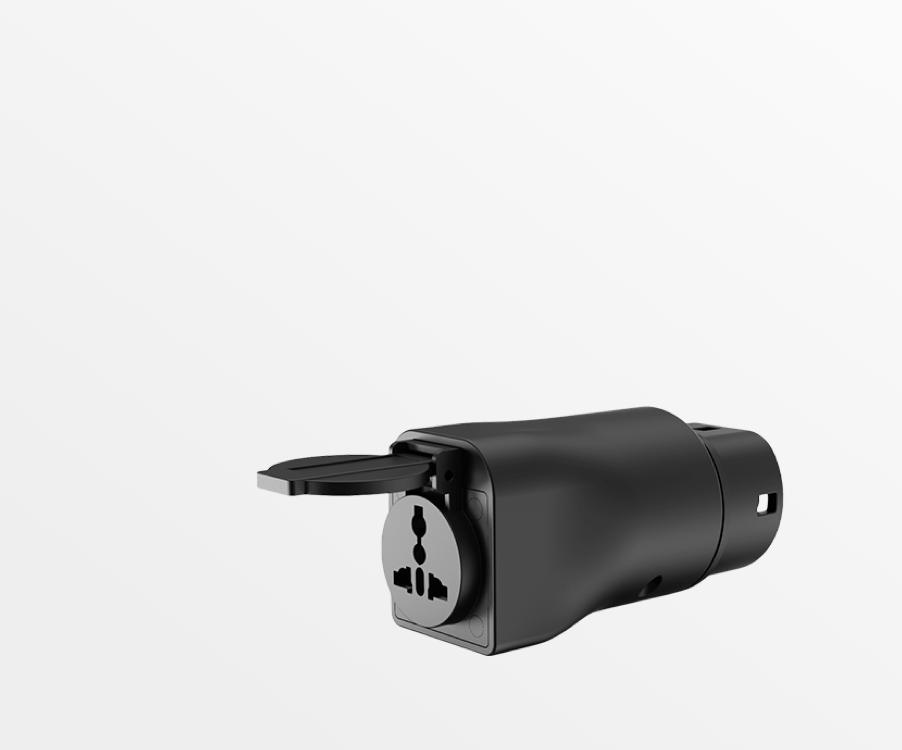
Vehicle to Load allows electric vehicles to discharge stored battery energy through external outlets. Most systems provide standard household voltage—120V in North America, 220-240V elsewhere. Depending on your vehicle, the Multienchufe V2L might be built into the car, or you may need to purchase a specific adapter that creates multiple outlets from the charging port. The vehicle essentially becomes a generator, minus combustion engine noise and exhaust fumes.
Power output varies considerably between manufacturers:
| Vehicle/Brand | Max V2L Output | Outlet Location |
|---|---|---|
| Hyundai Ioniq 5 | 3.6 kW | Interior + Exterior |
| Kia EV6 | 3.6 kW | Interior + Exterior |
| Ford F-150 Lightning | 9.6 kW | Bed outlets + Pro Power |
| Rivian R1T | 1.5 kW | Bed outlets |
| Genesis GV60 | 3.6 kW | Interior + Exterior |
| BYD models | 3.3-6 kW | Varies by model |
Higher output means more capability but also more potential hazard. The F-150 Lightning’s 9.6 kW rivals dedicated home generators. That much power demands serious respect.
How V2L Differs From Traditional Outlets
Wall outlets connect to utility grids with extensive protection systems. Circuit breakers, ground fault interrupters, proper earthing—layers of safeguards built over decades. Vehicle to Load systems include protections too, but the operating environment introduces variables.
Moving vehicles. Weather exposure. Temporary connections. Extension cords of questionable quality. These factors complicate safety in ways fixed installations don’t face.
The portable nature of V2L creates both advantage and risk. Flexibility requires more user awareness.
Essential Safety Equipment
Operating Vehicle to Load safely requires proper equipment. Cutting corners here invites trouble—electrical fires, shock hazards, equipment damage. None of those outcomes appeal to anyone.
Required Items for Safe V2L Operation
Manufacturer-approved V2L adapter (if required by vehicle)
Heavy-duty extension cords rated for intended load
Portable GFCI protection device
Surge protector for sensitive electronics
Weatherproof covers for outdoor use
Fire extinguisher rated for electrical fires (Class C)
Some owners skip the GFCI device, assuming vehicle systems provide adequate protection. This gamble occasionally fails. External ground fault protection adds crucial redundancy, especially in wet conditions or unfamiliar environments.
Extension Cord Selection
Not all extension cords handle V2L demands appropriately. Undersized cords create fire hazards through overheating. The math matters here.
Proper cord selection considers:
Amperage rating matching or exceeding expected load
Wire gauge appropriate for cord length
Outdoor rating for external use
Three-prong grounded design
No visible damage or worn insulation
A 100-foot cord powering a space heater needs significantly heavier gauge than a 25-foot cord running LED lights. Length increases resistance, generating heat. Thicker wire compensates.
For Vehicle to Load applications specifically, 12-gauge cords handle most situations adequately. Heavy loads or longer runs justify 10-gauge. Those thin 16-gauge cords sold everywhere? Leave them for phone chargers and desk lamps.
Environmental Considerations
Where you use V2L affects safety significantly. Controlled garage environments differ dramatically from muddy campsites or rain-soaked emergency situations.
Weather Hazards
Water and electricity maintain their famously dangerous relationship regardless of power source. Vehicle to Load usage during rain, snow, or high humidity demands extra precautions:
Position vehicle to shelter outlet areas when possible
Use weatherproof connection covers
Keep cords and connections elevated from standing water
Avoid touching connections with wet hands
Monitor for condensation inside adapter housings
Outdoor V2L during storms probably isn’t worth the risk unless genuinely essential. Power outages during severe weather create temptation to deploy backup power immediately. Sometimes waiting makes more sense.
Ventilation Requirements
Unlike gasoline generators, Vehicle to Load operation produces no exhaust. This represents major safety advantage—no carbon monoxide concerns during indoor-adjacent use. However, batteries can experience thermal events under extreme conditions.
Adequate ventilation around the vehicle remains advisable during extended high-output sessions. Not strictly for exhaust management, but for battery cooling. V2L puts load on battery systems designed primarily for driving. Heat buildup during sustained discharge affects longevity and, in rare cases, safety.
Temperature Extremes
Both extreme heat and cold impact V2L performance and safety:
Hot conditions:
• Battery management systems may limit output
• Connection points can expand, creating loose fits
• Cord insulation becomes more vulnerable
• Fire risk increases
Cold conditions:
• Battery capacity temporarily reduces
• Brittle cables prone to cracking
• Connection points may contract
• Longer warm-up periods needed
Operating Vehicle to Load in moderate temperatures causes fewest complications. Reality doesn’t always cooperate, obviously. Awareness of temperature impacts helps adjust expectations and precautions.
Load Management and Capacity
Understanding electrical load prevents overloading both vehicle systems and connected devices. This sounds technical but really just requires basic awareness and simple math.
Calculating Power Draw
Every electrical device lists power consumption—usually in watts or amps. Adding up connected devices gives total load. Total load must stay below V2L system capacity.
Common device power draws:
• Smartphone charger: 5-20W
• Laptop: 50-100W
• LED light string: 10-50W
• Small refrigerator: 100-400W
• Microwave: 600-1500W
• Space heater: 1000-1500W
• Electric kettle: 1200-1500W
• Power tools (varies widely): 500-2000W
A 3.6 kW V2L system handles 3600 watts maximum. Running a microwave (1200W), small fridge (300W), and some lights (50W) simultaneously stays within limits at 1550W total. Adding a space heater pushes toward capacity. Adding an electric kettle exceeds it.
Startup Surge Considerations
Many devices draw higher power momentarily when starting—motors, compressors, certain electronics. This startup surge can exceed running power by 2-3 times briefly.
A refrigerator running at 300W might surge to 900W when the compressor kicks on. If the system is already near capacity, this surge trips protection circuits or stresses connections.
Building headroom into load calculations accommodates these surges. Operating at 70-80% of maximum capacity provides reasonable buffer for most situations.
Battery Depletion Awareness
Vehicle to Load draws from the same battery powering the vehicle. Obvious when stated, but surprisingly easy to forget during extended use. Running the battery down too far creates stranded vehicle situations—not ideal, especially in remote locations.
Most EVs allow setting minimum battery thresholds for V2L operation. Configure this thoughtfully:
• Emergency home backup: 20% minimum may be acceptable
• Camping/recreation: 30-40% minimum provides margin
• Daily use near charging infrastructure: 15-20% works
• Remote locations: 50% or higher advisable
That threshold setting exists for good reason. Use it.
Safe Operating Procedures
Proper procedures prevent most V2L incidents. Following consistent protocols—even when they feel unnecessary—builds habits that matter when conditions get challenging.
Startup Sequence
Park vehicle securely with parking brake engaged
2. Ensure all connections are dry and undamaged
3. Connect V2L adapter to vehicle outlet
4. Verify adapter connection security
5. Connect extension cord to adapter (if used)
6. Connect devices one at a time, starting with lowest draw
7. Monitor for unusual sounds, smells, or heat
8. Allow system to stabilize before adding additional loads
During Operation
Regular monitoring catches problems early. Every 30 minutes or so—more frequently during heavy use—check:
• Connection points for heat buildup
• Cords for damage or stress
• Device operation normalcy
• Vehicle battery level
• Unusual odors (burning, melting plastic)
• Weather changes affecting safety
Shutdown Sequence
Turn off connected devices individually
2. Unplug devices from extension cords
3. Disconnect extension cord from V2L adapter
4. Remove V2L adapter from vehicle
5. Inspect all equipment for damage or wear
6. Store equipment properly for next use
Rushing shutdown creates oversight opportunities. Damaged equipment gets stored without repair. Wet connections get sealed in cases where corrosion develops. Five extra minutes prevents future problems.
Common Mistakes to Avoid
Experience reveals patterns in V2L mishaps. Learning from others’ errors saves personal trouble.
• Daisy-chaining extension cords: Creates voltage drop and fire hazard
• Ignoring frayed cords: Exposed wire plus current equals burns or worse
• Exceeding capacity “just briefly”: Protection systems have limits
• Using indoor cords outside: Insulation types differ for reasons
• Leaving system running unattended overnight: Monitoring matters
• Forgetting to set battery threshold: Stranded vehicle situations result
• Wet connection handling: Shock hazard regardless of voltage
None of these mistakes seem catastrophic individually. Combinations create real danger.
Emergency Procedures
When something goes wrong during Vehicle to Load operation, quick appropriate response limits damage and injury.
Electrical Fire Response
If equipment catches fire:
Do not touch burning equipment
Disconnect power at vehicle if safely possible
Use Class C rated extinguisher on electrical fires
Never use water on electrical fires
Move away if fire spreads or intensifies
Call emergency services
Small electrical fires can escalate rapidly. When in doubt, prioritize distance over property.
Shock or Injury
If someone experiences electrical shock:
1. Do not touch them while they’re in contact with power source
2. Disconnect power at vehicle immediately
3. Call emergency services
4. Administer first aid if trained and safe to do so
5. Monitor for delayed symptoms
Even minor shocks warrant medical evaluation. Internal effects aren’t always immediately apparent.

Vehicle to Load for Home Backup
Using V2L for home backup during outages requires additional considerations beyond portable use. The stakes increase when powering home systems.
Transfer Switch Requirements
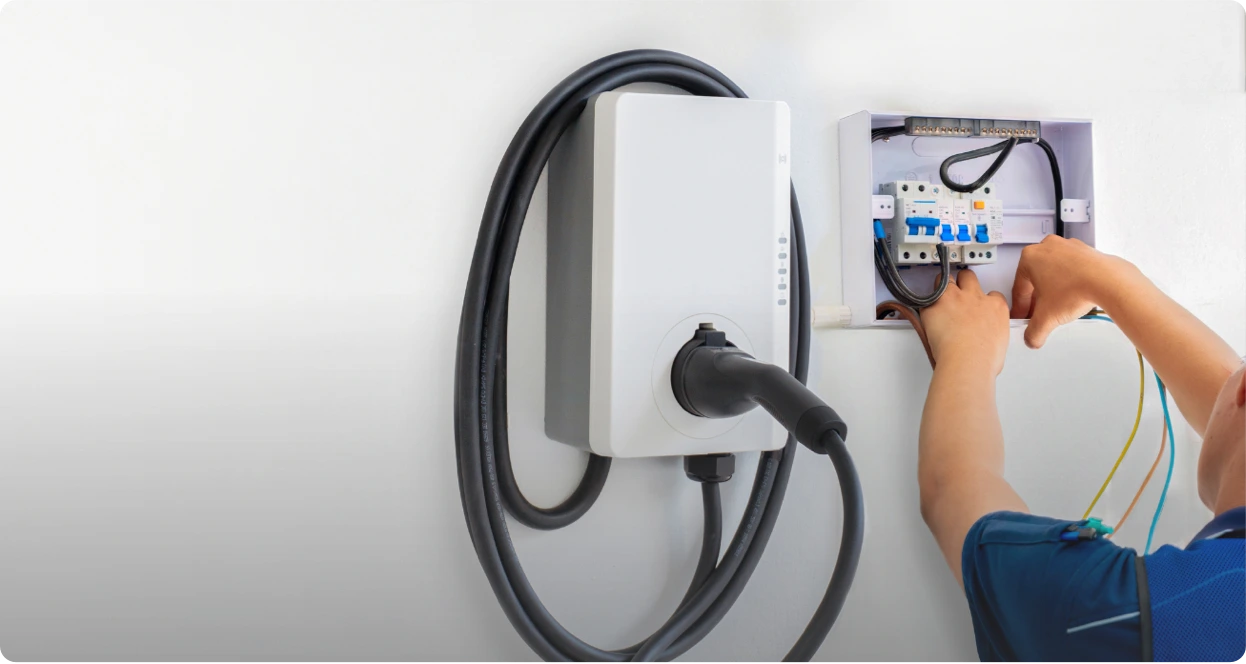
Connecting Vehicle to Load directly to home wiring without proper transfer switch creates backfeed hazard. Using a transfer switch isn’t optional; it’s the Norma V2L for home backup.Utility workers repairing lines can be killed by power feeding back through transformers.
Proper home V2L integration requires:
• Listed transfer switch installation
• Professional electrical work
• Permit and inspection in most jurisdictions
• Clear labeling of backup circuits
Some jurisdictions now offer streamlined permitting for EV backup systems. Worth investigating before major investments.
Prioritizing Home Circuits
Limited V2L output means choosing what to power. Suggested priorities:
1. Refrigerator/freezer (food preservation)
2. Medical equipment (if applicable)
3. Minimal lighting
4. Communication devices
5. Heating/cooling (limited operation)
Running everything simultaneously exceeds most V2L capacities. Rotating loads—refrigerator cycles off, water heater cycles on—extends coverage across more needs.
PREGUNTAS FRECUENTES
Can V2L damage connected devices?
Quality Vehicle to Load systems provide clean power comparable to grid electricity. However, cheap adapters or overloaded systems can produce voltage fluctuations that damage sensitive electronics. Using surge protectors adds protection.
Is V2L safe to use in the rain?
With proper weatherproof equipment and elevated connections, light rain poses manageable risk. Heavy rain or standing water conditions warrant extra caution or postponement. Always use GFCI protection outdoors.
How long can V2L power a refrigerator?
A typical refrigerator drawing 150W average (cycling on and off) runs approximately 6-8 hours per 10 kWh of available battery capacity. A 77 kWh battery with 20% reserve provides roughly 35-45 hours of refrigerator operation alone.


 Spanish
  English
  Portuguese
  French
  Russian
  German
  Italian