Mekel Type 2 to NACS EV Charging Cable
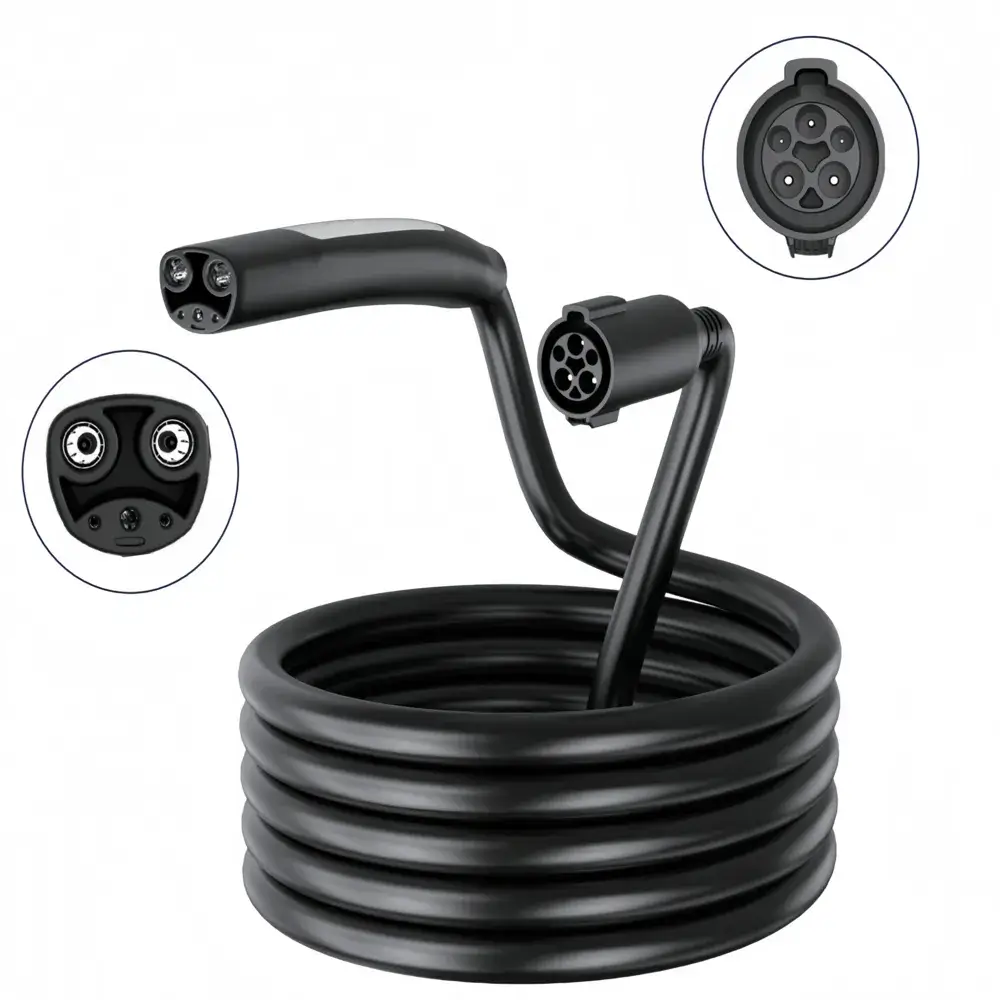
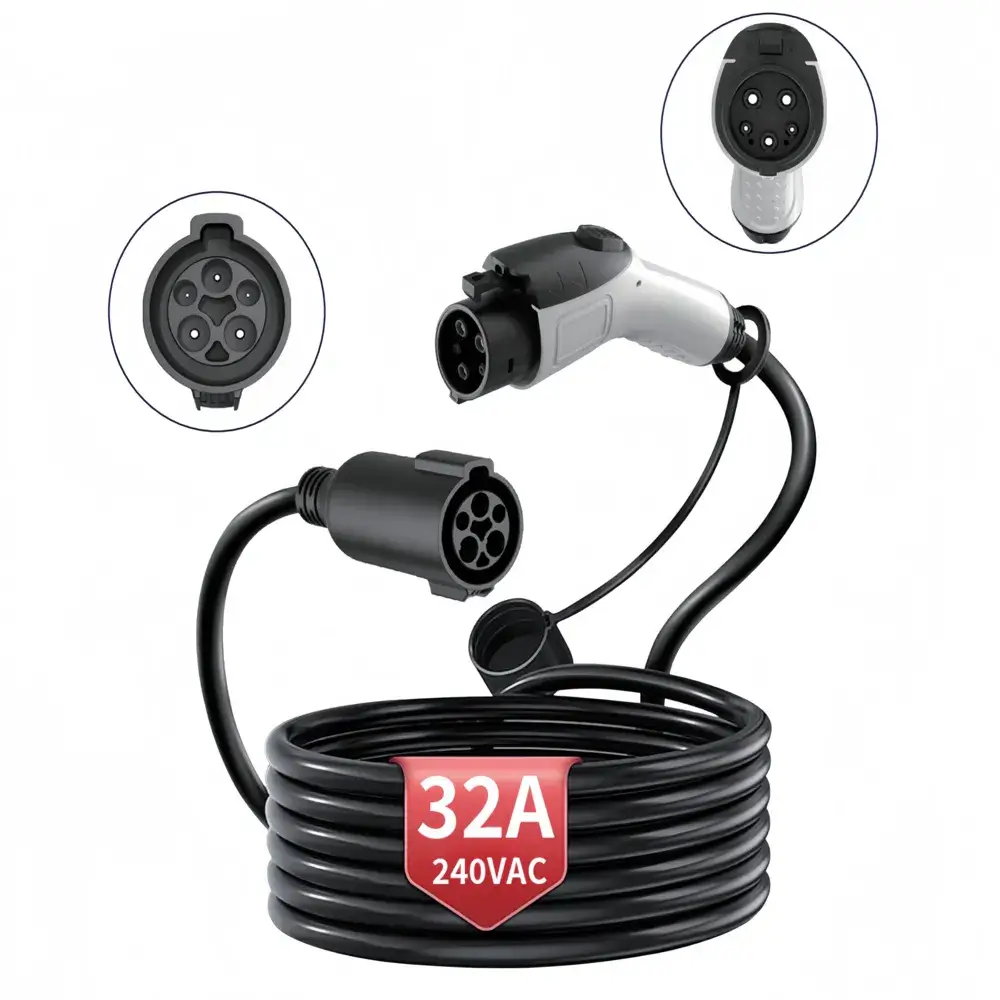
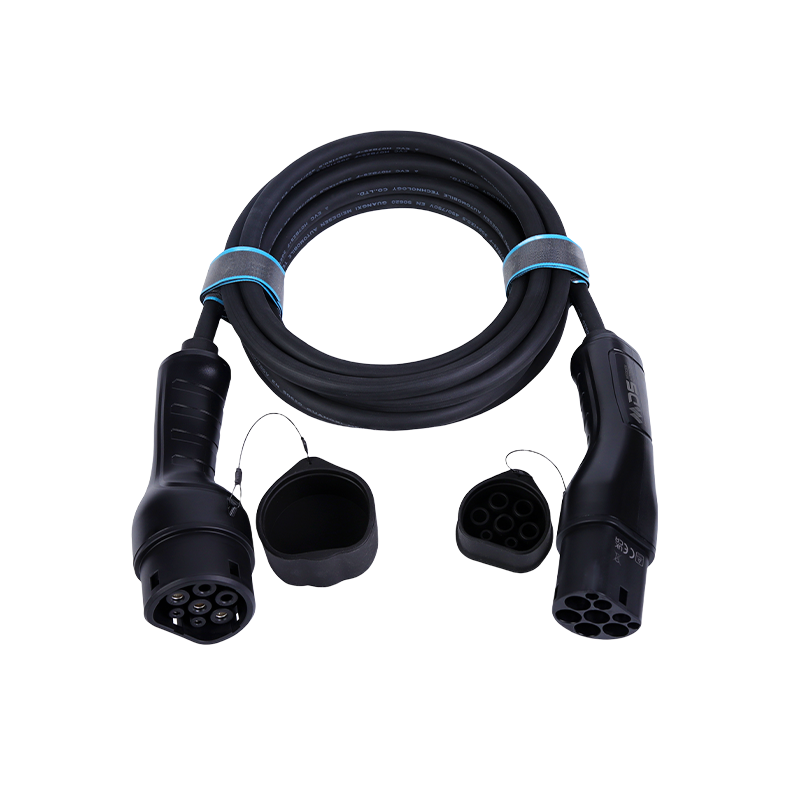
The Mekel Type 2 to NACS EV Charging Cable is the definitive solution for connecting Tesla and other NACS-equipped electric vehicles to the extensive Type 2 AC charging infrastructure prevalent across Europe, Southeast Asia, and the Middle East. This robust and certified Type 2 to NACS Charging Cable acts as a reliable bridge between standards, enabling seamless, safe, and efficient charging for international travelers, expatriates, and global fleet operators. Engineered for durability across diverse climates, it is the essential EV Charging Cable for unlocking universal charging access beyond native networks.
How Type 2 to NACS EV Charging Cable Works
The operation of this Type 2 to NACS Cable is simple and secure, designed for plug-and-play convenience:
- Connect to Charger: Insert the cable's Type 2 (Mennekes) male connector into the socket of a compatible AC charging station.
- Connect to Vehicle: Attach the cable's NACS female connector to your vehicle's NACS charging inlet.
- Initiate Charging: Start the session via the station's authorization method. The cable establishes full communication between the charger and the vehicle, managing power delivery protocols to ensure a safe, monitored charging cycle with integrated fault detection.
Why Choose Type 2 to NACS EV Charging Cable?
Certified Safety
- Complies with UL94V-0 flame retardancy, IP54 waterproof rating, and mechanical endurance >10,000 cycles.
- Built with silver-plated copper alloy conductors and thermoplastic housing for optimal conductivity and durability.
Robust Performance
- Rated for 16A / 32A single-phase, supporting up to 250V AC.
- Operates reliably in extreme temperatures from –30°C to +50°C, suitable for equatorial heat and Nordic winters.
Personalización flexible
- Options for laser-engraved branding, custom lengths, colors, and packaging to match your business identity.
- Backed by a 2-year warranty and global delivery support.
Parameter of Type 2 to NACS EV Charging Cable
| Especificación | Detalles |
|---|---|
| Corriente nominal | 16A / 32A (Single Phase) |
| Tensión nominal | 250 V CA |
| Contact Resistance | ≤ 0.5 mΩ |
| Flame Retardant Rating | UL94V-0 |
| Mechanical Life | >10,000 plug cycles |
| Waterproof Rating | IP54 (when connected) |
| Housing Material | Termoplástico |
| Conductor Material | Silver-plated copper alloy |
| Temperatura de funcionamiento | –30°C to +50°C |
| Cable Length | 5000 ±100 mm |
Aplicación

Public Use
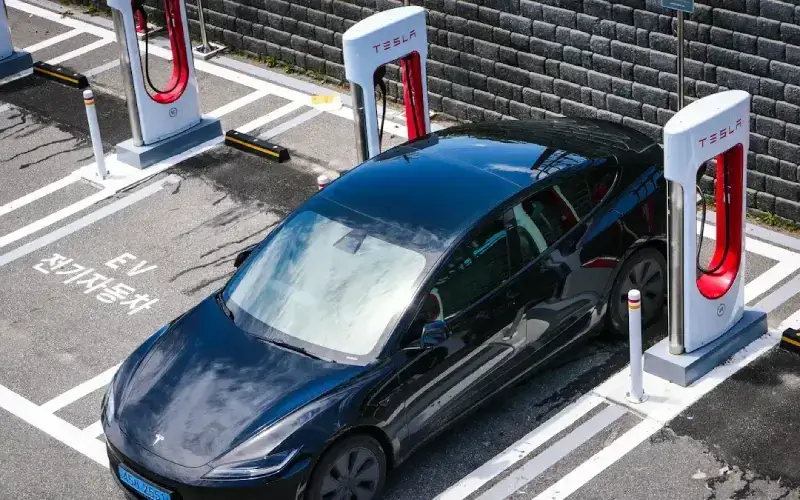
Critical for public charging point operators and municipalities aiming to support the growing number of Tesla and NACS-interface vehicles from visiting tourists or residents. Providing this Type 2 to NACS Cable as an accessory significantly increases the utility and accessibility of public Type 2 charging stations.

Residential Use
Ideal for Tesla owners living in or traveling to regions where Type 2 is the standard. This Type 2 to NACS Charging Cable allows for convenient home and destination charging using local Type 2 wallboxes, providing flexibility and peace of mind without relying solely on proprietary networks.

Commercial Use
Essential for businesses such as hotels, rental agencies, and corporations with international clients or a mixed fleet. Offering this EV Charging Cable ensures that guests, customers, or employees driving NACS vehicles can easily utilize on-site Type 2 charging facilities, enhancing service inclusivity and satisfaction.
Centro de ayuda
PREGUNTAS FRECUENTES
Q1: Is this Type 2 to NACS EV Charging Cable compatible with all Tesla models?
A: Yes, this Type 2 to NACS EV Charging Cable is compatible with all Tesla models and any other Battery Electric Vehicles (BEVs) or Plug-in Hybrids (PHEVs) equipped with a standard NACS AC charging inlet, allowing them to connect to Type 2 AC charging stations.
Q2: Where is this Type 2 to NACS EV Charging Cable primarily intended for use?
A: This Type 2 to NACS Cable is designed for use in regions where Type 2 socket-based AC chargers are standard, primarily across Europe, the UK, Southeast Asia, Australia, and the Middle East. It enables NACS vehicles to charge at these locations.
Q3: What is the difference between the 16A and 32A versions?
A: The 32A version of our Type 2 to NACS Charging Cable supports higher power charging (up to ~7.4 kW) and is recommended for broader compatibility with public and commercial stations. The 16A version is suitable for basic charging needs where lower power is sufficient or available.
Q4: Can I use this Type 2 to NACS EV Charging Cable for Supercharging or other DC fast charging?
A: No. This Type 2 to NACS EV Charging Cable is an AC EV Charging Cable only. It is not designed for DC fast charging (like Tesla Supercharging). DC charging requires completely different connectors, cables, and communication systems.
Q5: Does using this Type 2 to NACS EV Charging Cable require any configuration or reduce charging safety?
A: No configuration is needed; it is a passive plug-and-play device. It is engineered and certified to the highest safety standards, ensuring it does not compromise the built-in safety protocols of your vehicle or the charging station. Charging speed will be governed by the station’s output and your vehicle’s onboard charger.
Guías que puede necesitar
¿Cuál es la diferencia entre los cables de carga para vehículos eléctricos de tipo 1, 2 y 3?
As electric vehicles (EVs) continue to gain traction around the world, reliable and standardized EV charging accessories becomes essential. One area that often causes confusion—especially for new EV owners or
¿Cómo elegir un cable de carga para VE?
Si ha cambiado recientemente a un vehículo eléctrico (VE), una de las primeras cosas que necesitará es un cable de carga fiable para VE. Con tantas opciones en el mercado, es fácil
¿Todos los coches eléctricos utilizan el mismo cable de carga?
As electric vehicles (EVs) become more common, new owners often face a confusing question: Do all EVs use the same EV charging cable? As this is an issue that arises
Seguridad de los cables de carga de vehículos eléctricos: Lo que debe saber para evitar daños y peligros
Electric vehicles (EVs) are changing how we think about mobility. But with the growth of EV ownership comes a serious responsibility—charging them safely. While many focus on the battery or