
It feels like every other car on the road these days has a green number plate or that distinct, quiet hum of an electric motor. With the massive shift toward electric vehicles, the infrastructure is popping up everywhere—supermarket car parks, office blocks, and driveways. But amidst all this excitement about going green and saving on petrol, there is a piece of equipment that often gets taken for granted. It sits there on the wall or the post, rain or shine, delivering high voltage to a vehicle. This brings up a fairly critical question that doesn’t get asked enough: Do EV chargers need to be tested?
The short, simple answer is yes. They absolutely do. It would be strange to assume that a device pumping that much electricity wouldn’t need a check-up now and then. However, the “how” and “when” can get a little bit murky depending on who you ask or where the charger is installed.
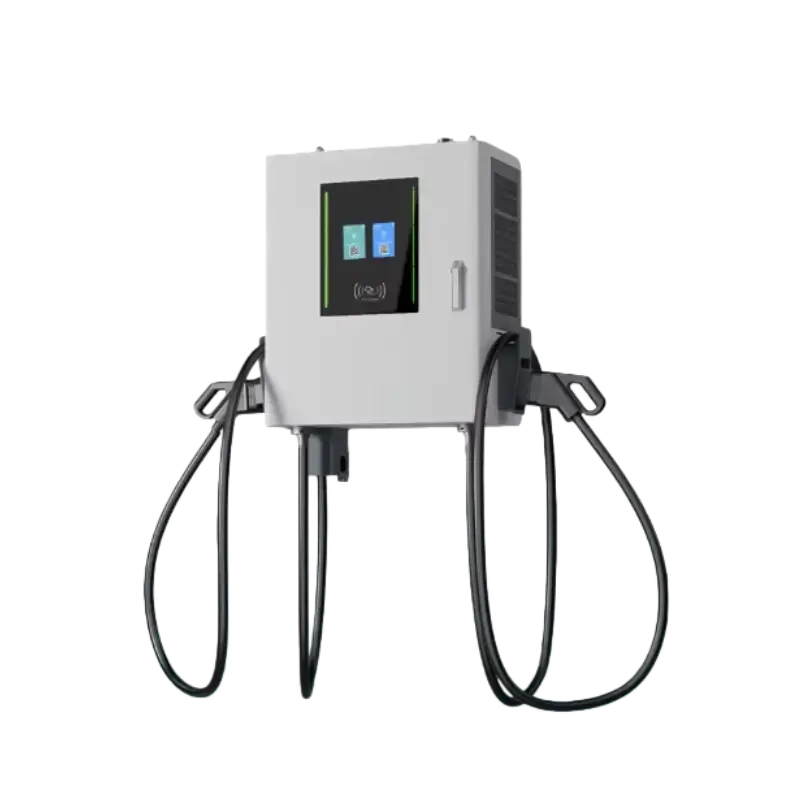
The safety reasons why EV chargers require attention
Electricity isn’t something to mess around with. When dealing with EV chargers, we are talking about equipment that handles a significant load, often for hours at a time. Unlike a toaster or a lamp that you plug in and forget about, these units are subjected to high continuous currents. Over time, thermal cycling—heating up during use and cooling down afterwards—can loosen connections. It’s just physics.
Assessing the environment and wear
It is also worth noting where these things are usually located. Most EV chargers are installed outdoors. They are constantly battered by the elements—rain, UV rays from the sun, frost, and sometimes physical impact from a careless driver backing up too close. Plastic casings can become brittle, and seals can degrade. Water ingress is a real killer for electrical components. If moisture gets inside the unit, it spells trouble. Visual inspections can catch the obvious stuff, like a cracked case, but only electrical testing can tell you if the internal wiring is still holding up against the damp.
Distinguishing between visual and electrical checks for EV chargers
There is often confusion about what “testing” actually entails. Is it just looking at it, or is it plugging in a fancy machine? Well, it is usually a mix of both. A competent inspection regime usually involves a visual check first, followed by instrumental testing.
One might notice that public charging stations tend to look a bit more battered than the one in a private garage. Public units are used by dozens of people, some of whom aren’t exactly gentle with the cables. The cables get dropped in puddles, twisted, or yanked.
Here is a breakdown of what generally differentiates the two types of checks one might encounter:
| Feature | Visual Inspection | Electrical/Instrumental Testing |
| Primary Goal | Identify physical damage or wear. | Verify internal circuit integrity and safety. |
| Tools Required | Flashlight, eyes, checklist. | Multifunction tester, EV adapter. |
| What is checked | Casing cracks, signs of overheating, loose mounting. | Earth loop impedance, RCD trip times, voltage. |
| Frequency | Can be done frequently by the user. | Required periodically by a professional. |
Who is responsible for the testing?
For commercial properties, the responsibility is pretty clear-cut. Business owners have a duty of care to ensure their electrical equipment is safe for employees and the public. This usually falls under electricity at work regulations. For home users, it is a bit looser. There isn’t necessarily a “police force” checking driveways, but insurance companies might have something to say if a house fire is caused by a neglected charger. It is generally recommended that domestic EV chargers get looked at every few years, similar to how one treats a boiler service.
Common faults found when testing EV chargers
When inspectors go out to examine these charging units, they don’t always find perfection. In fact, it’s quite common to identify issues that the owner was completely unaware of. Given that the technology is still relatively new in terms of mass adoption, some earlier installations may not even meet current standards.
Portable EV chargers face similar challenges, and due to their mobile nature, they can be even more prone to certain recurring problems:
Earth Faults: Insufficient grounding. This is critical—without a proper earth connection, safety mechanisms may fail to operate. Portable chargers often rely on the grounding of the outlet they’re plugged into, which can introduce additional risk if the site’s wiring is inadequate.
Damaged Connectors: The pins inside the charging plug can become burnt or corroded, leading to poor conductivity. Frequent plugging, unplugging, and movement make portable charger connectors more susceptible to physical wear and poor contact.
Nuisance Tripping: The charger frequently shuts off unexpectedly, often due to over-sensitive protection settings or electrical noise. Portable chargers are especially vulnerable to this when used across different power environments.
It’s worth noting that the more “smart” features a charger has—whether stationary or portable—the more potential points of failure may exist. However, these features also typically offer better monitoring capabilities, making it easier to detect issues early.
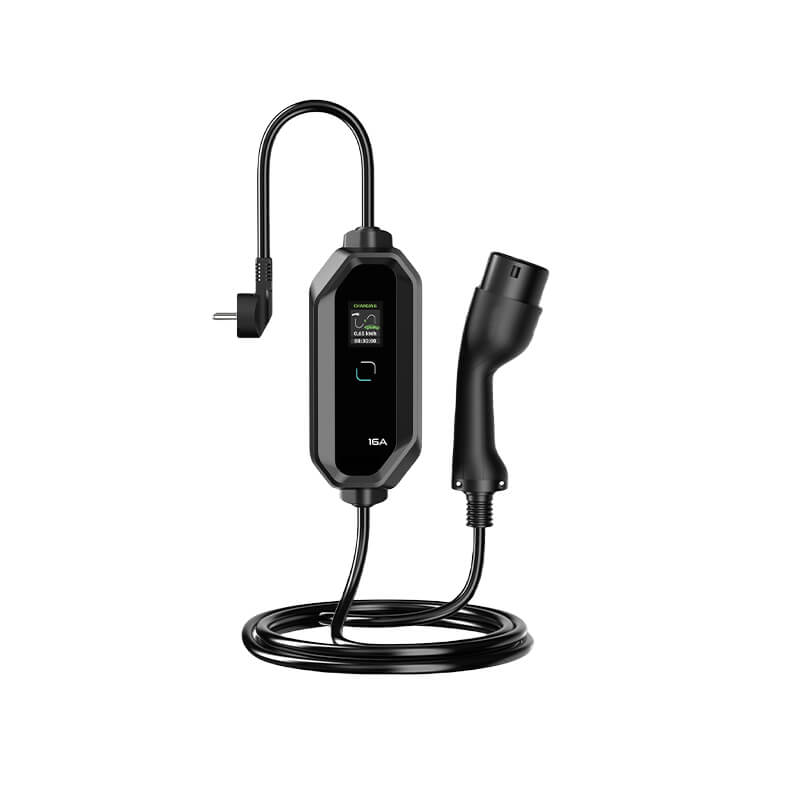

Establishing a maintenance routine for EV chargers
So, what should be done? It isn’t about panicking, but rather about being proactive. Ignoring the maintenance of EV chargers is a false economy. Replacing a fried unit is much more expensive than paying for a periodic test.
A sensible approach usually involves a tiered strategy. Users should do a quick look-over every time they plug in. Does the cable look frayed? Is the plug getting unusually hot? If something feels off, it probably is. Then, on a more formal schedule, getting a qualified electrician to run a full diagnostic is smart.
The frequency of professional inspections
While there is no single global rule that applies to every jurisdiction, a general consensus in the industry suggests the following timeline might be appropriate:
- Commissioning Test:Done immediately after installation to prove it works from day one.
- Visual Checks:Conducted annually (or more often for public units).
- Full Electrical Test:Every 3 to 5 years for domestic units, and potentially every year for heavily used commercial units.
It is really about risk assessment. A charger at a busy motorway service station sees more action in a week than a home charger sees in a year. The testing schedule should reflect that reality.
FAQ
Can I test my own EV charger?
generally speaking, you can perform visual checks for damage to the casing or cables. However, full electrical testing requires specialized equipment and knowledge of electrical regulations. It is not something an untrained person should attempt due to the high voltages involved.
How much does it cost to test EV chargers?
The cost varies significantly depending on location and whether it is a domestic or commercial unit. A standalone test might cost a few hundred, but it is often cheaper if bundled with other electrical inspections, like an EICR (Electrical Installation Condition Report).
Will my EV charger stop working if I don't test it?
Not necessarily immediately, but the risk of failure increases over time. Without testing, you won’t know if the internal safety mechanisms have failed until something goes wrong, which could result in the charger stopping or, worse, becoming dangerous.


 English
  Spanish
  Portuguese
  French
  Russian
  German
  Italian