
Introduction: Bridging the Divide in Electric Vehicle Infrastructure
The rapid expansion of electric vehicle (EV) adoption has brought about a fragmented landscape of charging infrastructure. While standardization efforts are underway globally, EV owners frequently encounter incompatible charging ports when traveling outside their usual routes. This technological disconnect between vehicle requirements and station availability underscores the critical necessity of reliable connectivity solutions.
En Adaptador de carga para VE stands as the essential tool for overcoming this challenge. It is more than just a simple plug conversion device; it is a sophisticated conduit designed to facilitate communication and safe power transfer between disparate charging systems. A quality electric car adapter ensures that, regardless of whether you encounter a Tesla Supercharger, a CCS rapid charger, or a legacy J1772 Level 2 station, your vehicle can safely draw the necessary power.
However, the convenience offered by EV charging adaptors introduces inherent technical complexities and safety risks. As intermediaries carrying significant electrical loads, these components must be robust, certified, and properly matched to the car’s and source’s power specifications. Improper selection or usage of an adapter for an electric car charger can lead to inefficiency, slow charging times, or, critically, severe electrical hazards, including overheating and fire.
This comprehensive guide is designed for professional EV owners, detailing the crucial aspects of safety, compatibility, technical specifications, and maintenance required when using these essential devices. Our focus is to ensure that every charge session, facilitated by an EV car charger adapter, is both efficient and absolutely safe.
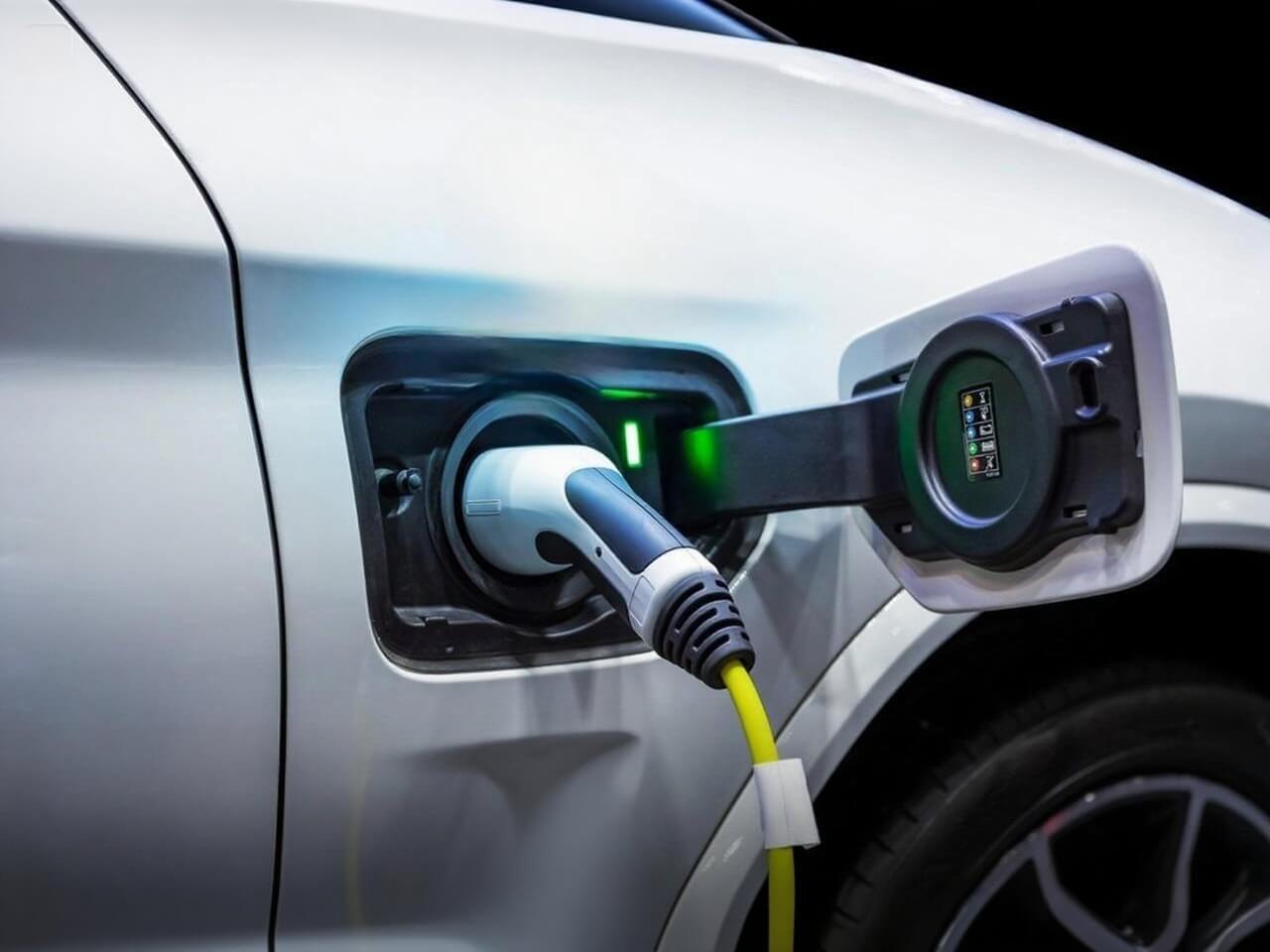
I. Understanding the Charging Standards Landscape
To appreciate the function of an electric car charger adapter, one must first understand the disparate standards currently operating in the market. Each standard dictates not only the physical plug shape but also the communication protocol that manages the power exchange between the station and the vehicle.
The Major Global EV Charging Standards:
1. J1772 (Type 1): The standard primarily used for Level 1 and Level 2 AC charging across North America and Japan. It is the baseline standard for many first-generation EVs.
2. CCS (Combined Charging System – CCS1 and CCS2): The globally favored standard for DC fast charging. CCS combines the J1772 (or Type 2 in Europe) plug for AC charging with two large pins for high-power DC charging. CCS1 is prevalent in North America; CCS2 is standard in Europe and much of the rest of the world.
3. Type 2 (Menekes): The standard AC charging plug used in Europe (and often internationally) for home and public Level 2 charging. This socket forms the base of the CCS2 system.
4. CHAdeMO: Predominantly used by Japanese manufacturers (such as Nissan and Mitsubishi) for DC fast charging. While its global market share is shrinking compared to CCS, it remains a crucial standard for specific vehicle models.
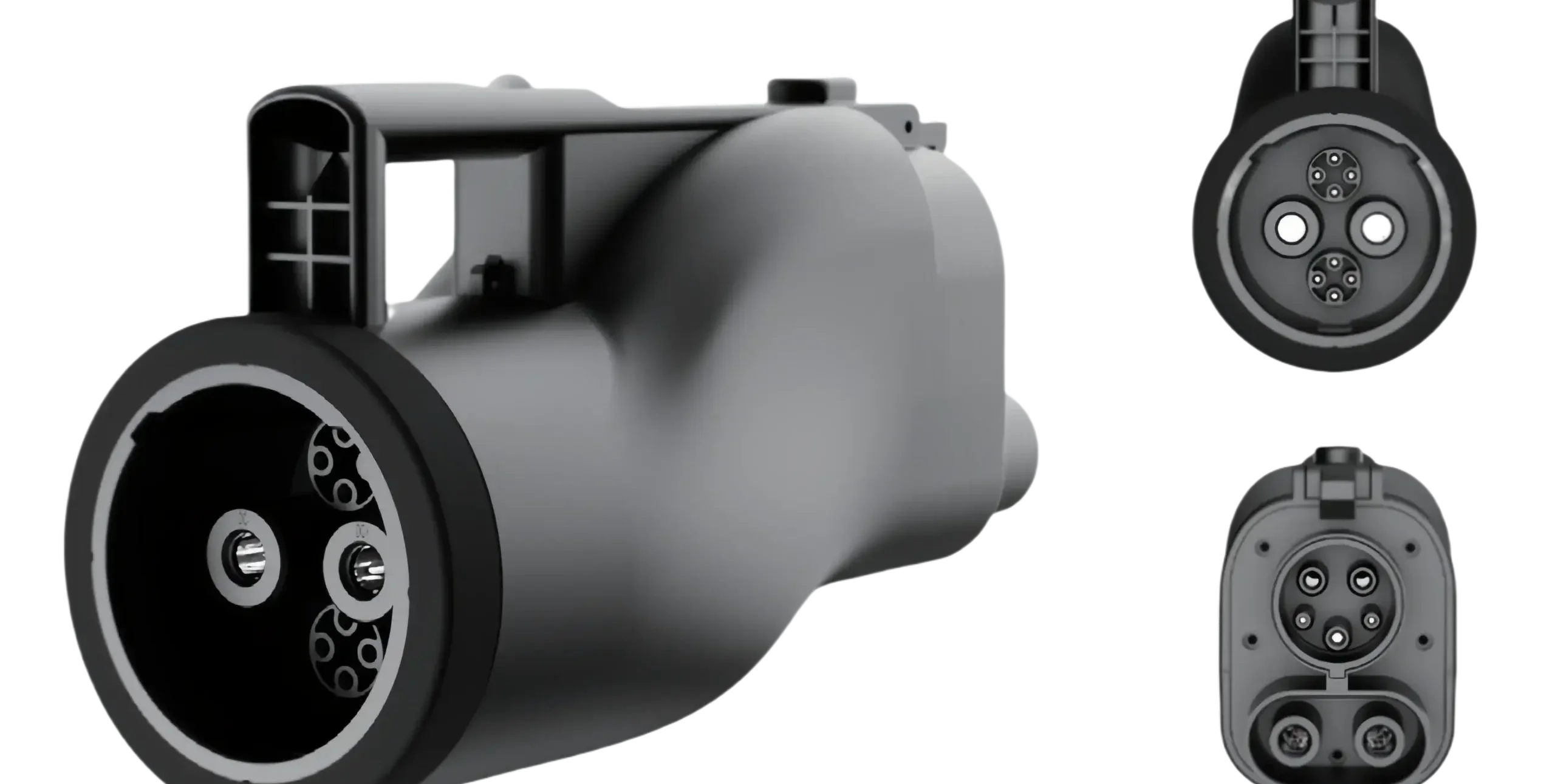
5. NACS (North American Charging Standard): Developed by Tesla, this proprietary connector handles both AC and high-speed DC charging in a single, compact port. Due to recent industry adoption, NACS is rapidly becoming a leading standard, necessitating an adapter for electric car charger compatibility for non-Tesla vehicles accessing the Supercharger network, and vice versa.
II. The Essential Role of the EV Charging Adapter
EV charging adapters serve as a practical bridge between different connector types and charging standards. Not all EVs and public charging stations use the same plug formats—while some stations support J1772/CCS1 or Type 2/CCS2, others may use CHAdeMO or Tesla’s NACS.
The primary function of the adapter is mechanical conversion—allowing the physical plug to fit the vehicle port. Crucially, in modern fast-charging scenarios (like CCS or NACS), the adapter must also facilitate complex digital communication. It must relay signals regarding the vehicle’s battery state, desired charging rate, and safe voltage limits.
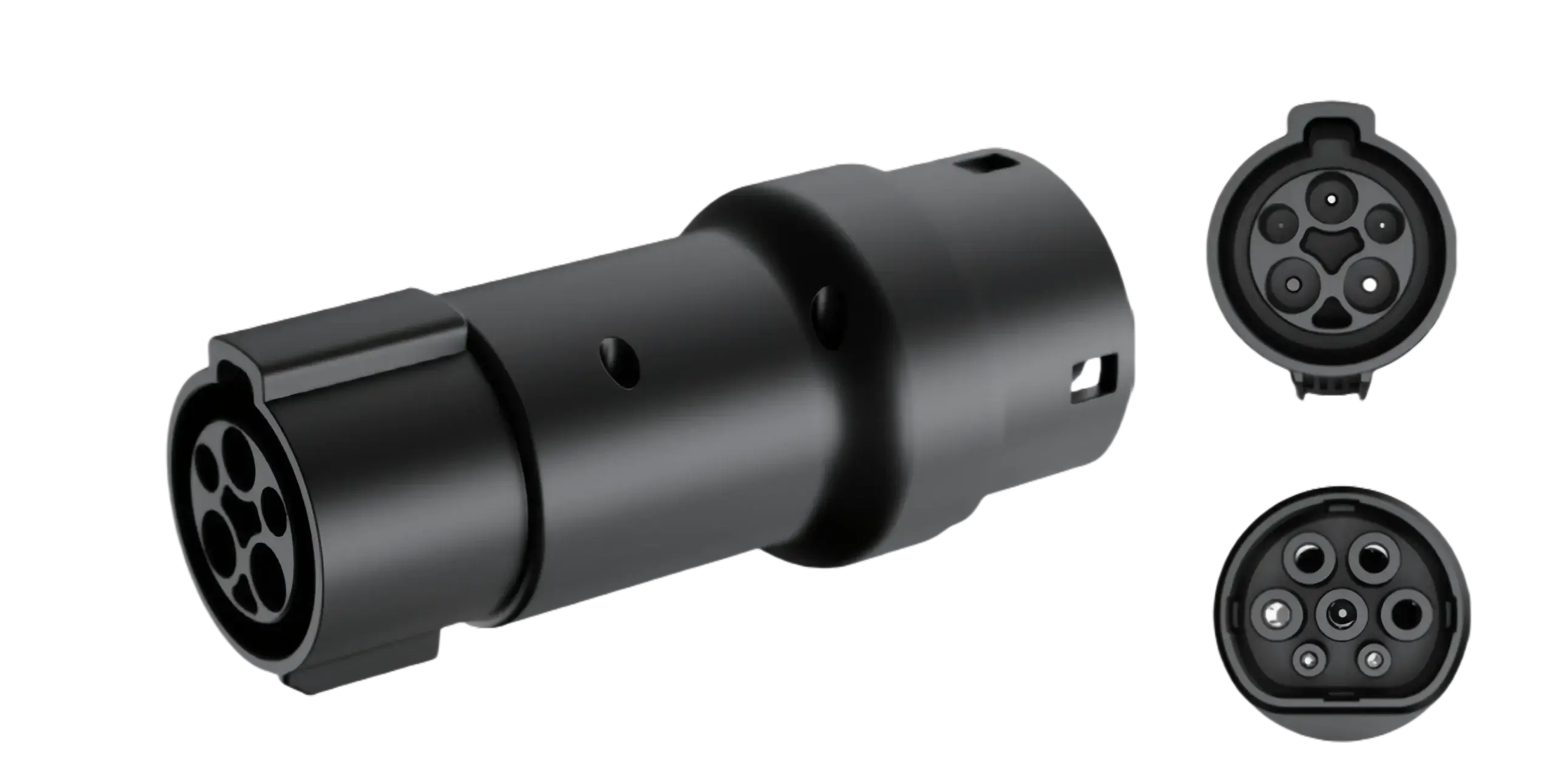
By using the right electric car charging adapter, EV owners can charge at a wider range of stations, even if the plug doesn’t originally match their vehicle. For example, European Tesla owners with prior models require a CCS2 to Type 2 (CCS2 – Type 2) EV charging adapter to charge at public CCS2 EV chargers for fast charging, as these models were not fitted witha CCS2 socket.
The introduction of the adapter into the charging chain, however, inherently adds potential resistance and points of failure.
However, while adapters increase flexibility, improper usage can result in power mismatch, slow charging speeds, or equipment damage. That’s why understanding EV charging adapter specifications and limits is essential to ensure both safety and efficiency during charging.
The necessity of careful selection highlights why simply searching for the cheapest electric car charger adapter is a fundamentally flawed approach to vehicle maintenance.
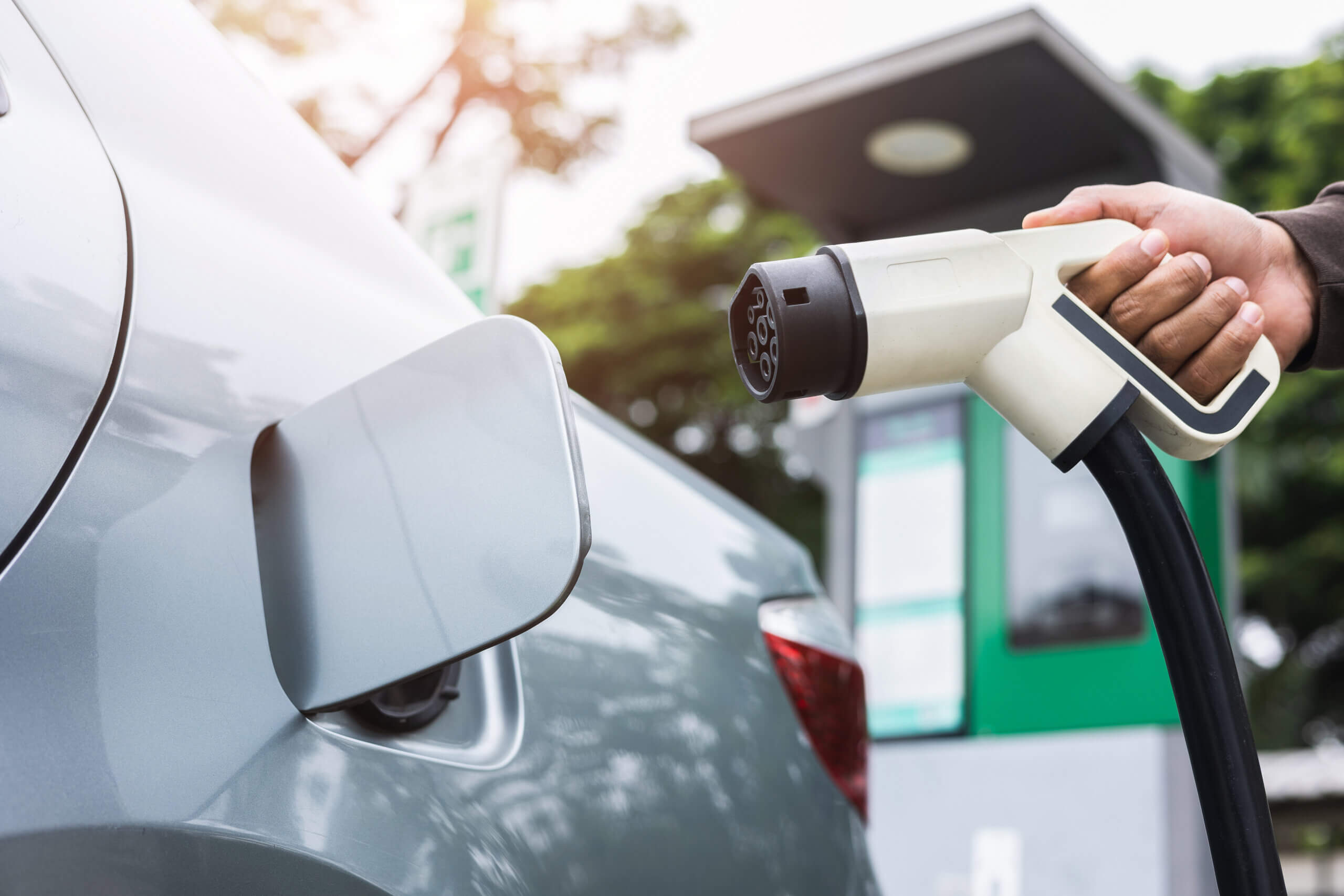
III. Avoiding Compatibility Catastrophes: Verification is Key
The most critical factor in safe adapter usage is absolute compatibility. A mismatch can range from minor inconvenience (slow charging) to catastrophic failure (system shutdown or fire).
Evitar problemas de compatibilidad
Uno de los errores más comunes que cometen los propietarios de VE es asumir que todos los adaptadores de carga funcionan con todos los VE. Esto no es cierto. Cada marca de coche puede utilizar diferentes estándares de carga, niveles de voltaje o tipos de enchufe. Por ejemplo, los vehículos Tesla tienen un conector diferente al de la mayoría de las demás marcas. Algunos adaptadores están hechos para estaciones de carga rápida, mientras que otros están diseñados para tomas de corriente normales.
The complexity goes beyond the physical connector shape. Modern EVs operate sophisticated battery management systems (BMS) that communicate continuously with the charging station. The adapter must pass these signals flawlessly.
Technical Deep Dive: Amperage and Voltage Ratings
When purchasing any ev charging adaptors, the numerical specifications are far more important than the brand name. Ignoring these numbers is the single fastest way to damage charging equipment.
1. Amperage (A): This is the measure of electrical current flow. A Level 2 charging adapter might be rated for 40A or 48A. If your vehicle or the charging station outputs 80A (common in some DC fast chargers), a 40A-rated adapter will immediately begin to overheat, leading to melted plastic and potential fire risk. Always ensure the electric adapter’s current rating exceeds the expected maximum current draw.
2. Voltage (V): Standard AC charging operates at 120V or 240V, while DC fast charging can operate anywhere from 400V to 800V. Using an adapter designed only for 240V AC charging at an 800V DC fast charger will certainly result in failure and equipment damage.
Antes de utilizar cualquier adaptador de carga para VE, es importante:
· Check the voltage and amperage rating of both your vehicle and the adapter.
· Confirm that the plug type matches your EV’s port.
· Avoid using unverified products without safety certification.
The financial consequences of battery or charging station damage far outweigh the small savings gained by buying a non-certified device.
No verificar la compatibilidad puede dar lugar a un rendimiento de carga deficiente o a un fallo total de la carga. Y lo que es peor, puede dañar la batería con el tiempo.
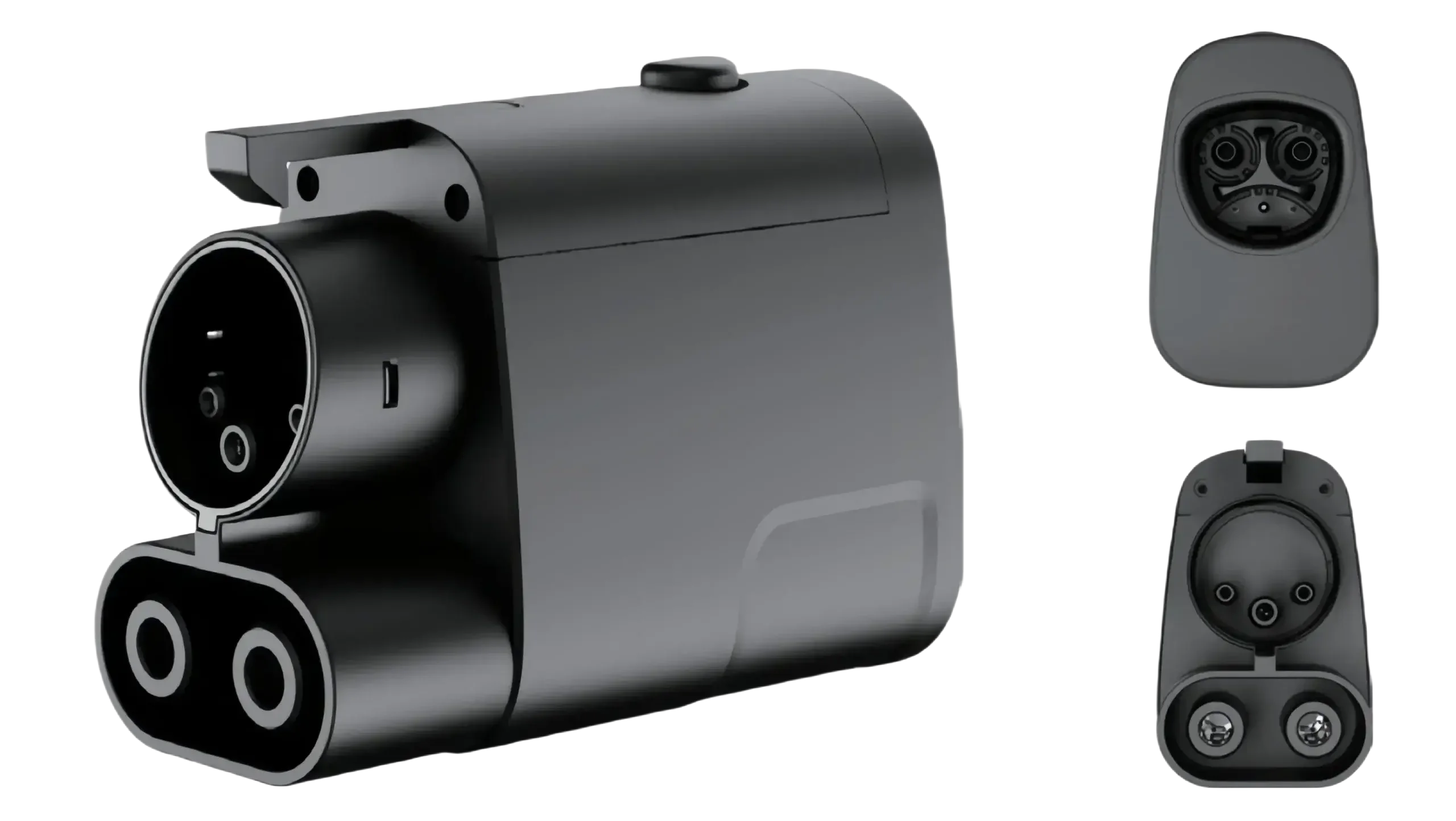
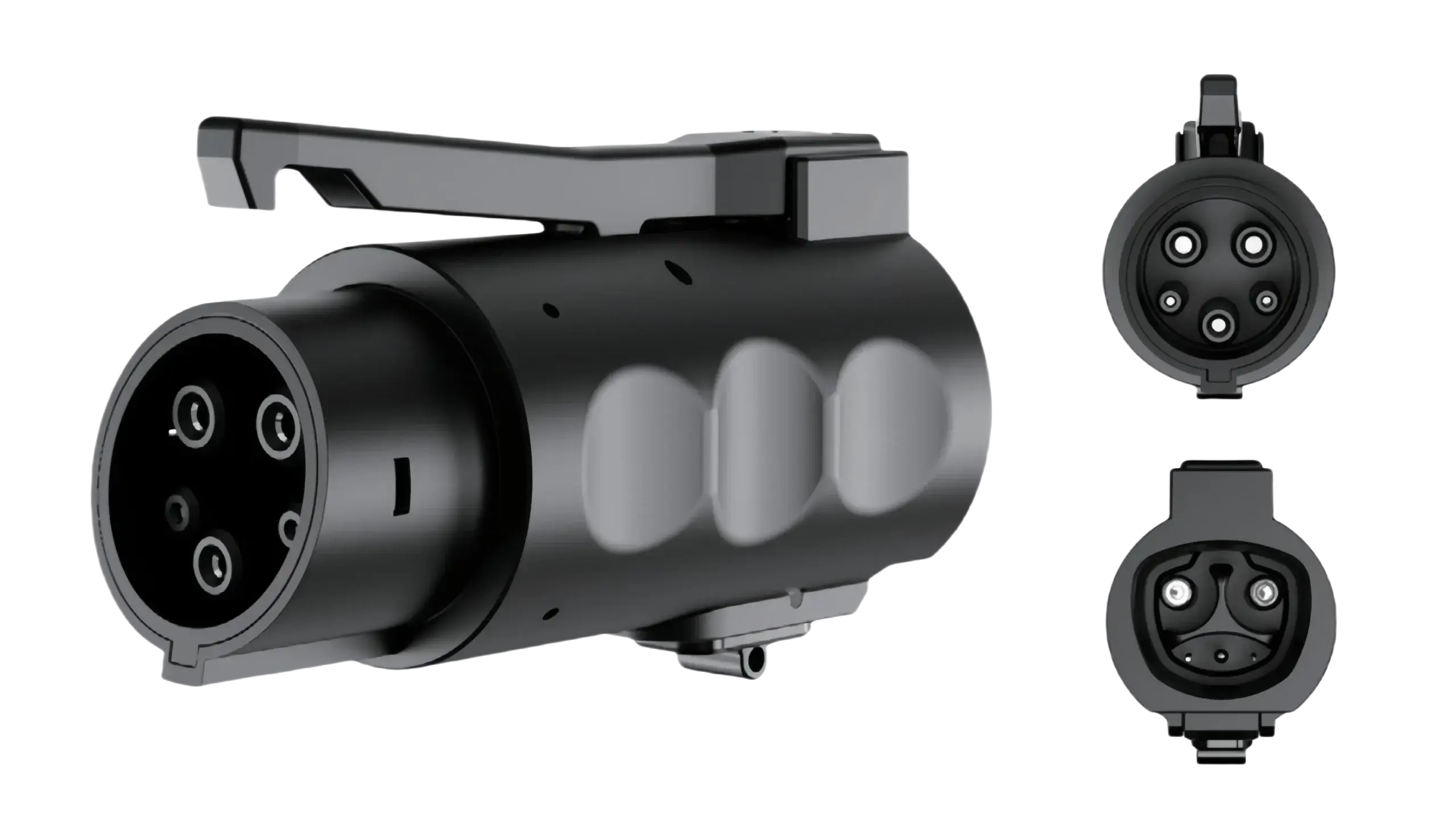
Key Adapter Type: Tesla NACS to CCS/J1772
One of the most requested and highest-stakes adapters today is the connector that allows non-Tesla vehicles access to the Supercharger network (NACS to CCS1/J1772) or allows legacy Tesla vehicles to use standard public infrastructure.
These high-power adapters are the most demanding in terms of heat management and communication integrity, emphasizing the need for robust internal circuitry and premium materials.
IV. The Critical Five: Tips to Prevent Overload and Fire Hazards
The risk of electrical hazards is magnified when high currents are run through unverified or damaged equipment. Overload is the number one hazard that EV owners face.
Overload happens when a device draws more power than the circuit or EV charging adapter can safely handle. This can lead to overheating, melting cables, or even electrical fires. Unfortunately, many users ignore the warning signs.
Understanding and adhering to strict safety protocols ensures that the charging process remains secure for the vehicle, the equipment, and the surrounding environment.
He aquí algunos consejos prácticos de seguridad:
1. Utilice sólo adaptadores certificados
Busque certificaciones UL, CE o RoHS. Estas certificaciones demuestran que el producto ha superado las pruebas de seguridad eléctrica. Los adaptadores de carga para vehículos eléctricos certificados se fabrican bajo controles de calidad más estrictos y tienen menos probabilidades de fallar bajo tensión. Si el embalaje o la etiqueta no muestran claramente la certificación, es mejor evitar el producto.
A product that lacks internationally recognized safety standards (like UL in North America or CE in Europe) is an unknown risk. These certifications ensure the adapter uses quality wiring, proper insulation, and safe temperature limits under maximum load. Investing in a certified adapter for an electric car charger is non-negotiable for safety.
2. Vigilar el sobrecalentamiento
Heat is the physical manifestation of electrical resistance, often signaling a component failure or overload.
Si notas que el adaptador se calienta, emite un zumbido u huele a plástico quemado, desenchúfalo inmediatamente. Estos son los primeros signos de sobrecarga. Seguir cargando en estas condiciones puede dañar tanto el adaptador como la batería del vehículo, aumentando el riesgo de avería a largo plazo.
In fast-charging scenarios, some heat is normal, but the adapter should never be painfully hot to the touch. The structure of a high-quality ev car charger adapter should dissipate heat effectively.
3. Evitar la aglomeración de salidas
This tip is particularly relevant when using Level 1 (standard wall outlet) electric car adapter devices at home or in unfamiliar locations.
Enchufar varios aparatos de alta potencia en la misma toma (sobre todo en edificios antiguos) puede superar el límite de carga segura. Esto puede disparar los disyuntores o hacer que el cableado se sobrecaliente detrás de las paredes. Lo ideal es que el adaptador para vehículos eléctricos tenga un circuito o enchufe específico.
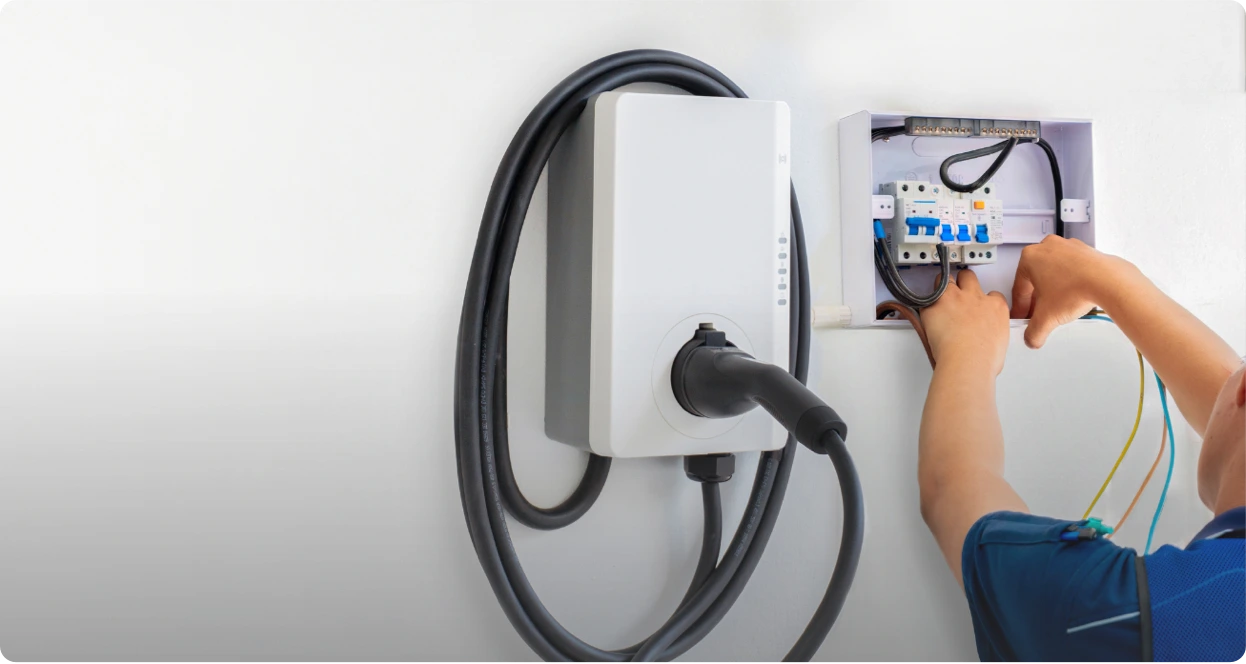
For optimal and safe home charging, a dedicated 240V circuit installed by a licensed electrician should be used, regardless of whether you are using an adapter or a dedicated EVSE (Electric Vehicle Supply Equipment).
4. Mantener los conectores limpios y secos
Electrical contacts are highly sensitive to environmental factors. Dirt, dust, and moisture severely degrade the ability of the adapter to carry current efficiently.
El agua y el polvo pueden crear condiciones de carga poco seguras, especialmente al aire libre. Utiliza fundas resistentes a la intemperie o adaptadores con clasificación IP si cargas con frecuencia en entornos abiertos. Seca siempre bien los conectores mojados antes de enchufarlos y no cargues nunca bajo una lluvia intensa a menos que la instalación esté totalmente protegida.
The ingress protection (IP) rating—such as IP54 or IP67—indicates how well the adapter can withstand dust and moisture. This is a critical factor for any electric car charger adapter used outside a dedicated garage.
5. Inspeccione los cables con frecuencia
The physical integrity of the cable and connectors is paramount. Minor damage can expose high-voltage conductors.
Los cables deshilachados o los conectores sueltos son señales de que hay que cambiar el adaptador. Un cable dañado, por pequeño que sea, puede dejar al descubierto cables con corriente, que podrían provocarle una descarga eléctrica o provocar un incendio. Acostúmbrate a comprobar semanalmente tu sistema de carga y sustituye inmediatamente cualquier componente dañado.
When disconnecting the EV charging adapter, always pull on the connector housing, not the cable itself. Repeated stress on the cable connection point is the most common cause of internal wire fraying.

V. Advanced Considerations for Adapter Longevity and Investment
While safety is the priority, maximizing the longevity and effectiveness of your charging setup requires attention to operational details and long-term investment strategy.
Passive vs. Active EV Charging Adaptors
Not all conversion devices are created equal. They fall into two main categories:
1. Passive Adapters: These are simple mechanical and electrical conversions (e.g., J1772 to Type 2 EV Charging Adapters). They physically match the connectors and transfer power without complex electronic interference.
2. Active Adapters: These are required for major protocol shifts (e.g., CHAdeMO to CCS EV Charging Adapters, or NACS access for non-Tesla cars). They contain internal electronic circuitry that actively translates the communication signals between the car’s BMS and the charging station. Active adapters are typically more expensive, larger, and absolutely require certification due to the complexity of the electronics managing high voltage and current flows.
When purchasing a highly specialized ev charging adaptor, confirm that the device utilizes robust electronic safeguards, including temperature monitoring and automatic shutdown features, which are characteristic of high-quality active systems.
Total Cost of Ownership (TCO)
The TCO of an electric car adapter extends far beyond the initial purchase price. A cheap, uncertified adapter might fail quickly, require replacement, slow down charging (wasting time), or worse, cause an expensive repair to the vehicle’s charge port or battery module.
A premium, certified adapter, designed for repeated high-power usage, represents a safer and more economical long-term choice, minimizing downtime and mitigating risk. Consider the adapter an integral, high-value component of your charging ecosystem, comparable to the charger itself.
Environmental Stress and Storage
How you treat and store your EV car charger adapter directly impacts its performance. Avoid leaving adapters exposed to extreme temperatures (e.g., in a hot trunk during summer) for extended periods, as this can degrade the internal insulation and plastic housing. When not in use, store the adapter in a clean, dry location, preferably in a dedicated storage bag to prevent contact pins from accumulating dust or being physically damaged.
Conclusion: Charging Smart, Charging Safe
The versatility offered by the EV charging adapter is indispensable for maximizing the utility and range of modern electric vehicles. As charging networks continue to evolve, these devices remain the practical key to eliminating range anxiety associated with proprietary charging standards.
Buying the cheapest EV charging adapter might save money now, but it could cost you more in the long run—especially if safety is compromised. Stick with verified certifications and features that protect against common hazards.
For professional EV ownership, adherence to strict safety standards—from using UL-certified products to meticulous cable inspection—is not optional. The potential risks of electrical hazards, thermal runaway, and permanent battery damage are too high to ignore.
Whether at home or on the go, EV owners must treat charging as a serious part of vehicle maintenance. By selecting the correct, certified adapter for an electric car charger and adhering to these rigorous safety protocols, you ensure not only the longevity of your charging equipment but also the continued safety and reliability of your electric vehicle investment. The future of electric mobility relies on smart, safe, and efficient connectivity, facilitated by the highest quality EV charging adaptors.
More information: Las 3 cosas que hay que tener en cuenta antes de comprar un adaptador de carga para vehículos eléctricos
PREGUNTAS FRECUENTES
¿Cómo puedo saber si mi adaptador de carga para VE está certificado?
Busque logotipos de seguridad como UL, CE o RoHS. Si el producto no lo indica en la etiqueta o el envase, es mejor evitarlo.
¿Qué debo hacer si el adaptador de carga del VE se calienta durante la carga?
Deje de cargarlo inmediatamente. Deje que se enfríe, inspeccione si está dañado y considere la posibilidad de sustituirlo por un modelo de mayor calidad o más compatible.
¿Es seguro cargar bajo la lluvia con un adaptador de carga Ev?
Sólo si tu adaptador EV es resistente a la intemperie y está homologado para su uso en exteriores (como IP65 o superior). De lo contrario, la exposición al agua podría provocar cortocircuitos o descargas.


 Spanish
  English
  Portuguese
  French
  Russian
  German
  Italian