Adentrarse en el mundo de los vehículos eléctricos puede ser como aprender un nuevo idioma. Ansiedad de autonomía, kilovatios-hora, frenado regenerativo... y luego está todo el tema de la recarga. No es exactamente tan fácil como repostar en una gasolinera.
¿Una de las primeras cosas que confunden a la gente? Comprender los distintos tipos de Estaciones de recarga de vehículos eléctricos disponibles. Porque no todos los cargadores son iguales: algunos tardan una eternidad, otros cuestan una fortuna y algunos ni siquiera son compatibles con determinados vehículos.
He aquí un desglose que realmente tiene sentido.
Los tres tipos principales de estaciones de recarga para vehículos eléctricos
En el nivel más básico, los cargadores de vehículos eléctricos se dividen en tres categorías. El sector los denomina Nivel 1, Nivel 2 y Nivel 3 (o carga rápida de CC). Cada uno tiene una función distinta y, sinceramente, la mayoría de los propietarios de vehículos eléctricos acaban utilizando al menos dos de ellos con regularidad.
Carga de nivel 1: la opción lenta y constante
Es el cargador que viene incluido con la mayoría de los vehículos eléctricos nuevos. Se conecta a una toma doméstica estándar de 120 voltios, la misma que se utiliza para lámparas y cargadores de teléfono.
Suena cómodo, ¿verdad? Pues más o menos. El problema es la velocidad. La carga de nivel 1 añade entre 5 y 6 kilómetros de autonomía por hora. Para alguien con un largo viaje al trabajo, eso es dolorosamente lento. Dejar el coche enchufado toda la noche puede que sólo recupere unos 65 kilómetros.
Lo mejor para:
- Híbridos enchufables con baterías pequeñas
- Conductores con trayectos diarios muy cortos
- Carga de emergencia
Carga de nivel 2: lo mejor para la mayoría
El nivel 2 es el más práctico. Estos cargadores funcionan con circuitos de 240 voltios (como los que alimentan un secador eléctrico) y pueden añadir entre 12 y 80 millas de autonomía por hora, dependiendo del amperaje de la unidad.
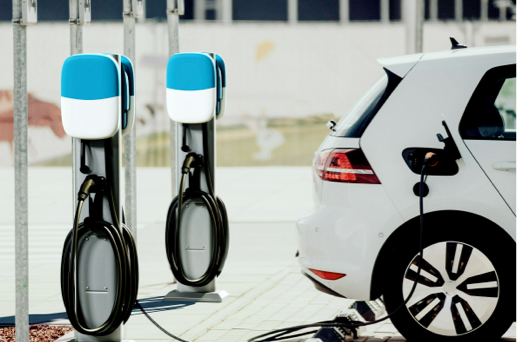
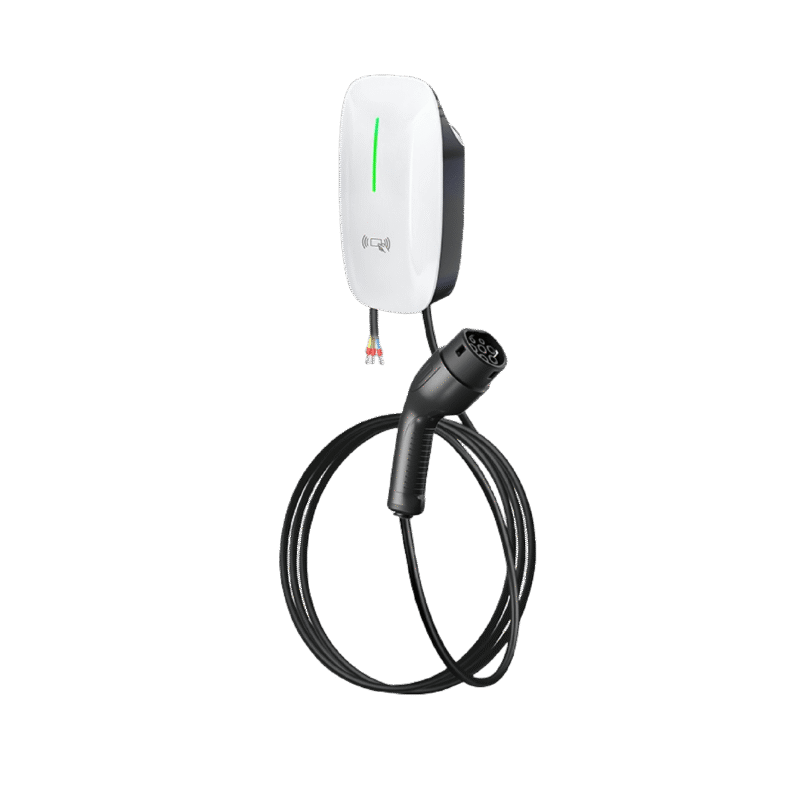
La mayoría de las estaciones de carga públicas en centros comerciales, lugares de trabajo y aparcamientos son de Nivel 2. Las instalaciones domésticas también son predominantemente de este tipo. Las instalaciones domésticas también son predominantemente de este tipo. Entre todos los tipos de estaciones de recarga para vehículos eléctricos, las de nivel 2 ofrecen el mejor equilibrio entre coste, velocidad y accesibilidad.
Especificaciones típicas:
- De 16 a 80 amperios
- Potencia de 3,3 kW a 19,2 kW
- Carga completa durante la noche para la mayoría de los VE
Nivel 3 / Carga rápida de CC: cuando el tiempo lo es todo
Cargadores rápidos de CC son las más potentes. Estas estaciones prescinden por completo del cargador de a bordo del coche y bombean corriente continua directamente a la batería. ¿Cuál es el resultado? Algunos vehículos pueden pasar de 10% a 80% en menos de 30 minutos.
Pero hay un inconveniente (siempre hay un inconveniente). La infraestructura de carga rápida de corriente continua es cara de construir y operar, por lo que se encuentra sobre todo a lo largo de las autopistas y en zonas comerciales urbanas. Usarla con frecuencia también genera más calor en la batería, lo que puede afectar a su salud a largo plazo si se hace en exceso.
Comparación rápida de los tipos de estaciones de carga para vehículos eléctricos
A veces una tabla aclara las cosas. He aquí cómo se comparan los tres tipos principales de estaciones de recarga para vehículos eléctricos:
| Característica | Nivel 1 | Nivel 2 | Carga rápida de CC |
|---|---|---|---|
| Tensión | 120 V CA | 240 V CA | 400-900V CC |
| Potencia de salida típica | 1,2 - 1,4 kW | 3,3 - 19,2 kW | 50 - 350 kW |
| Kilómetros de autonomía por hora | 3 - 5 millas | 12 - 80 millas | 180 - 1.000+ millas |
| Caso típico | Inicio (emergencia) | Inicio / Lugar de trabajo / Público | Carretera / Comercial |
| Coste de instalación | $0 (utiliza la toma de corriente existente) | $500-$2.000 | $50,000–$150,000+ |
| Lo mejor para | PHEVs, uso ligero | Carga diaria | Viajes por carretera, recargas rápidas |
Los tipos de conectores añaden otra capa de confusión
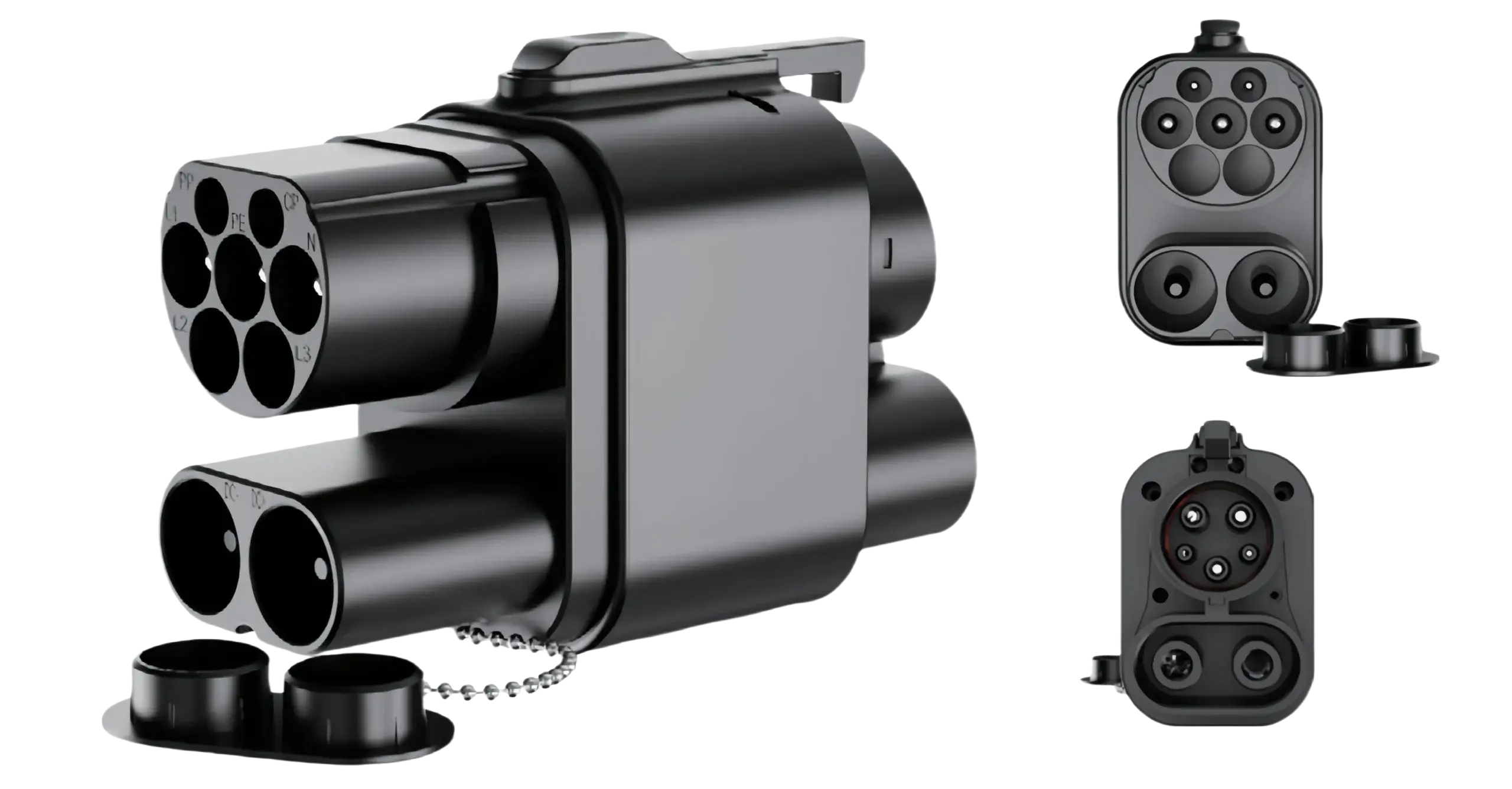
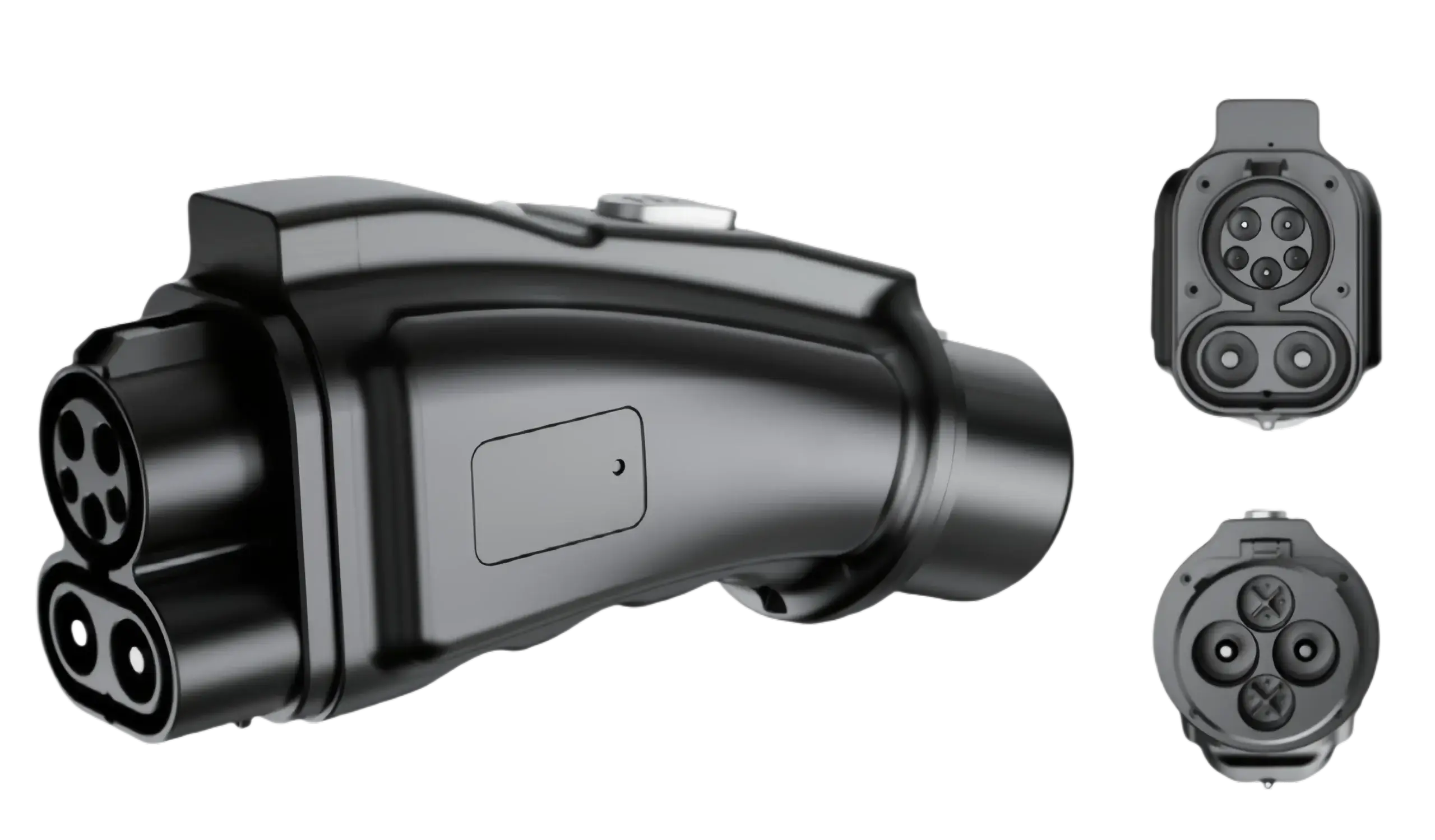
Justo cuando las cosas empiezan a tener sentido, entran en escena los tipos de conectores. Los distintos fabricantes y regiones utilizan enchufes diferentes, lo que puede complicar las cosas a la hora de utilizar la infraestructura pública de recarga.
Normas comunes para los conectores
1. J1772 - El conector estándar de Nivel 1 y Nivel 2 en Norteamérica. Funciona con casi todos los VE excepto Tesla (aunque Tesla incluye un adaptador).
2. CCS (Sistema de carga combinada): añade capacidad de carga rápida de CC al diseño J1772. Utilizado por la mayoría de los VE que no son Tesla para la carga rápida.
3. CHAdeMO: norma de carga rápida de CC más antigua, presente sobre todo en vehículos japoneses como el Nissan Leaf. Cada vez menos común.
4. Tesla Supercharger (NACS) - Conector propiedad de Tesla, que ahora está siendo adoptado como estándar norteamericano por otros fabricantes.
¿La buena noticia? La industria se está consolidando poco a poco en torno a menos normas. Pero por ahora, sigue siendo necesario comprobar la compatibilidad de los conectores antes de aparcar en una estación de carga.
¿Qué tipo tiene sentido en cada situación?
Elegir entre el tipos de estaciones de recarga de VE depende realmente de los hábitos de conducción y del estilo de vida. No hay una única respuesta correcta.
Viajeros diarios de menos de 65 km: El nivel 1 podría estar bien, sorprendentemente
Conductores medios (40-80 millas diarias): El nivel 2 en casa es casi imprescindible
Viajeros de carretera y conductores pesados: El acceso a las redes de recarga rápida de corriente continua se convierte en un factor crítico
Habitantes de pisos sin carga domiciliaria: Dependencia del nivel 2 público y de la carga rápida de CC ocasional
PREGUNTAS FRECUENTES
¿Qué tipo es mejor para cargar en casa?
El nivel 2 suele ser el más adecuado para la recarga doméstica, ya que ofrece un buen equilibrio entre velocidad y coste.
¿Necesitan permisos los cargadores de Nivel 1?
El nivel 1 no suele requerir un cableado especial más allá de una toma de corriente estándar, pero los códigos locales pueden variar y una comprobación rápida ayuda a evitar sorpresas.
¿Pueden todos los VE utilizar la recarga rápida de CC?
La mayoría de los vehículos eléctricos modernos admiten la carga rápida de CC, pero el tipo de conector y la capacidad del vehículo varían. Comprueba las especificaciones del vehículo y la compatibilidad del cargador.