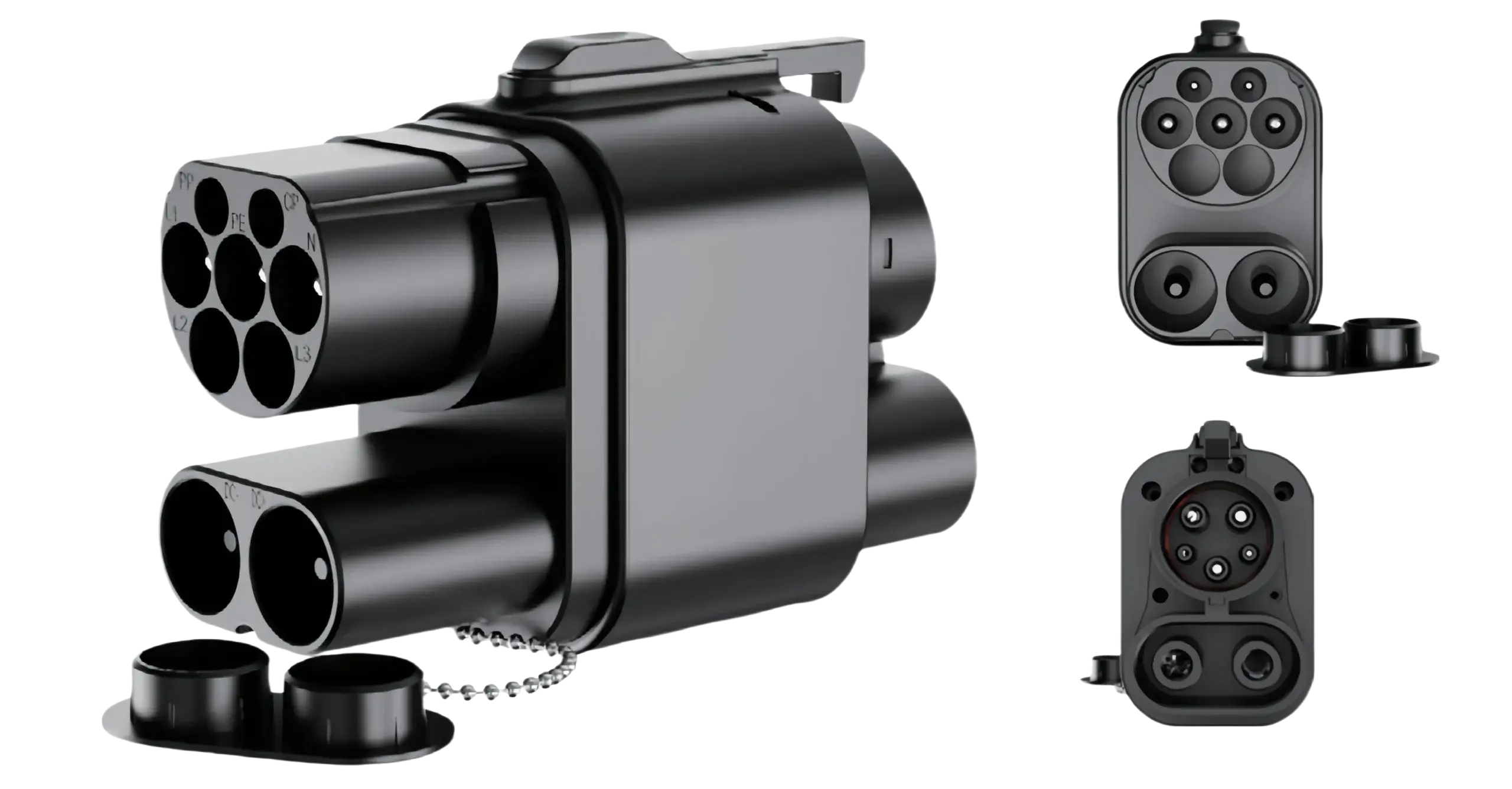
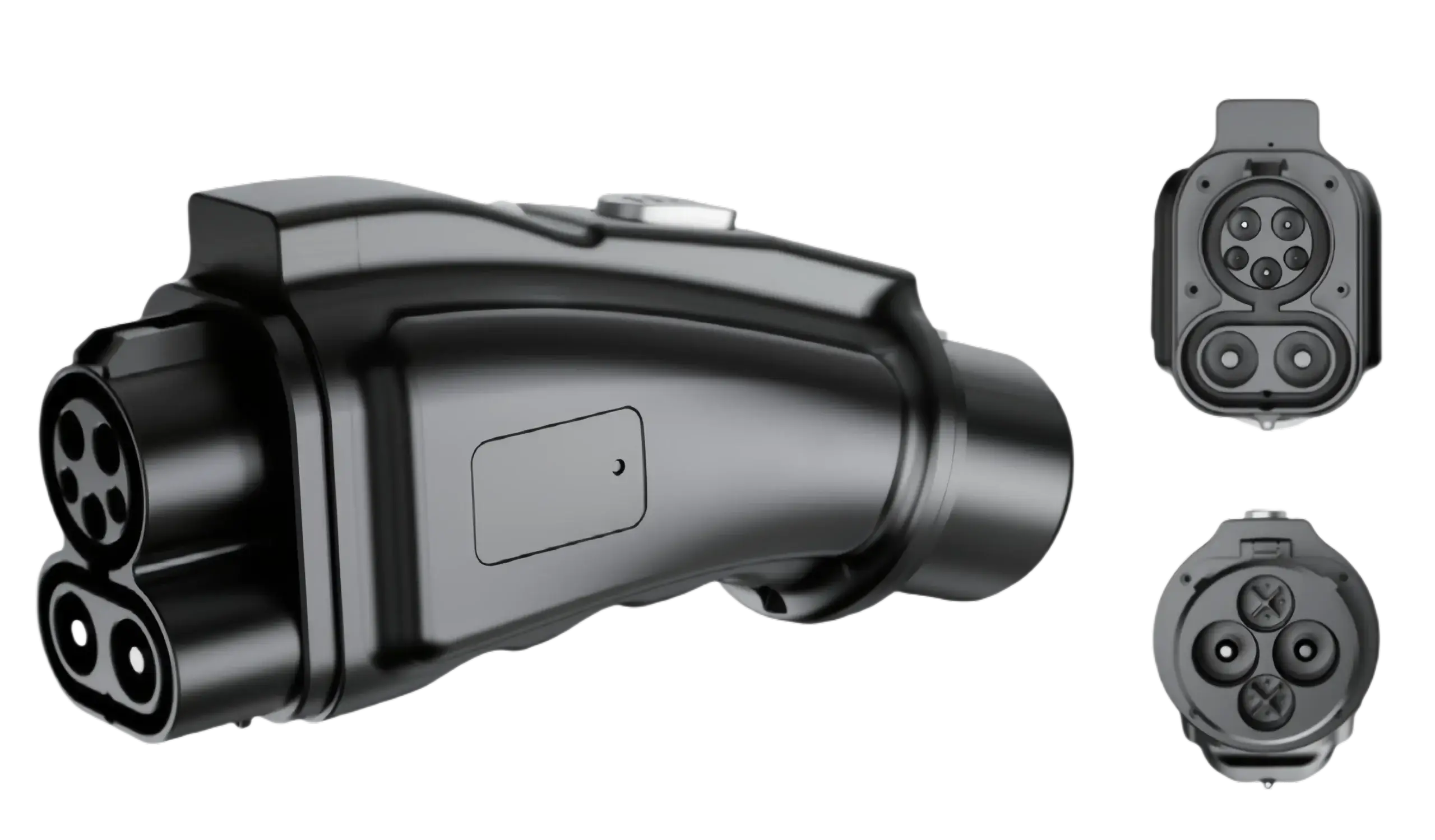
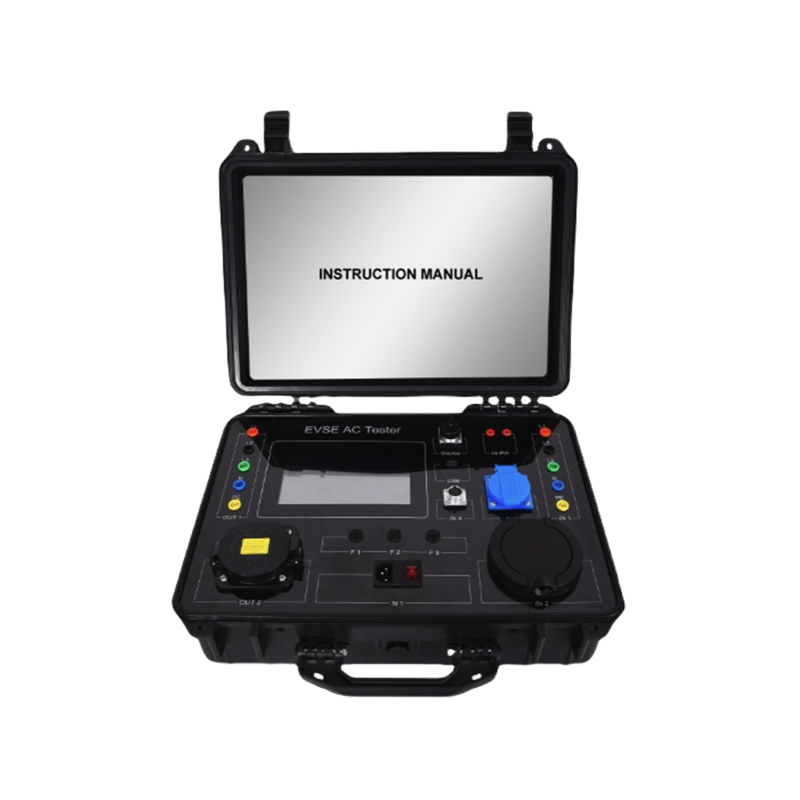
Por qué es importante probar el cargador eléctrico doméstico
Ser propietario de un vehículo eléctrico conlleva nuevas responsabilidades que la mayoría de los conductores nunca se habían planteado. Una de ellas es asegurarse de que el equipo de carga funciona correctamente y con seguridad. Un cargador de vehículo eléctrico doméstico que no funcione correctamente crea algo más que inconvenientes. Peligros para la seguridad, daños al vehículo y fallos frustrantes en la carga se convierten en posibilidades cuando el equipo no se prueba.
Las pruebas periódicas detectan los problemas a tiempo. Los pequeños problemas detectados con rapidez rara vez se convierten en reparaciones costosas. Las conexiones eléctricas se aflojan con el tiempo. Los componentes se desgastan gradualmente. La exposición a la intemperie pasa factura a las instalaciones exteriores. Sin comprobaciones periódicas, estos problemas sigilosos pasan desapercibidos hasta que algo falla realmente.
¿La buena noticia? básico cargador doméstico de VE Las pruebas no requieren formación profesional ni equipos caros para la mayoría de las comprobaciones. Los propietarios que se sientan cómodos con la seguridad eléctrica básica pueden encargarse ellos mismos de las comprobaciones rutinarias. Pero también es importante saber cuándo se necesita ayuda profesional: algunas pruebas requieren técnicos cualificados.

La seguridad es lo primero a la hora de probar un cargador eléctrico doméstico
Precauciones básicas que todo el mundo debe seguir
Los equipos eléctricos exigen respeto. Incluso las instalaciones domésticas de carga de vehículos eléctricos de potencia relativamente baja manejan suficiente corriente como para causar lesiones graves. Tomar las precauciones adecuadas evita accidentes que nadie quiere sufrir.
Las prácticas de seguridad esenciales incluyen:
- No realice nunca la prueba con las manos mojadas o sobre superficies mojadas.
- Asegúrese de que el vehículo no está conectado durante la mayoría de las pruebas
- Evite abrir los armarios de los equipos sin la cualificación adecuada
- Utilice herramientas aisladas aptas para trabajos eléctricos
- Sepa dónde se encuentra el disyuntor antes de empezar
- Deténgase inmediatamente si algo le parece inusual
Estas precauciones pueden parecer obvias. Sin embargo, las pruebas apresuradas y la omisión de medidas de seguridad porque la última vez todo parecía ir bien provocan accidentes evitables con regularidad. La complacencia con la electricidad nunca acaba bien.
Comprender sus límites
Los propietarios pueden realizar con seguridad inspecciones visuales y pruebas funcionales básicas. Todo lo que implique abrir armarios eléctricos, medir tensiones directamente o modificar el cableado requiere electricistas autorizados. La línea que separa las pruebas apropiadas para el bricolaje de las requeridas por un profesional existe por buenas razones.
Situaciones que exigen una implicación profesional:
- Olor a quemado o daños visibles en los componentes
- Disyuntores que no se reinician
- Sospecha de problemas de cableado
- Rendimiento muy por debajo de las especificaciones nominales
- Cualquier fallo de los componentes internos
- Penetración de agua en armarios eléctricos
Intentar reparaciones que superen la competencia personal puede provocar lesiones y anular las garantías. Y lo que es peor, un trabajo eléctrico inadecuado crea riesgos de incendio que pueden no manifestarse inmediatamente pero convertirse en problemas graves con el tiempo.
Inspección visual del cargador eléctrico doméstico
Evaluación del estado exterior
La inspección visual no requiere herramientas especiales, sólo una cuidadosa observación. Este sencillo proceso detecta muchos problemas antes de que se agraven. Convertirlo en un hábito mensual requiere un tiempo mínimo y aporta un valor real.
Examine detenidamente estas zonas:
- Comprobación de cortes, grietas o desgaste en toda la longitud del cable de carga
- Las clavijas de los conectores no presentan daños, corrosión ni suciedad.
- Unidad de montaje en pared para una fijación segura
- Integridad del recinto (sin grietas ni huecos)
- Funcionamiento correcto de la descarga de tracción del cable
- Indicadores luminosos de estado funcionando normalmente
Las instalaciones exteriores de cargadores domésticos de VE merecen especial atención. La exposición al sol degrada los plásticos con el paso de los años. La lluvia y la humedad aceleran la corrosión. Las temperaturas extremas estresan los materiales repetidamente. Estos factores ambientales afectan más a las unidades exteriores que a los equipos instalados en garajes.
Examen del punto de conexión
El lugar donde el cargador se conecta al cableado doméstico representa un punto de inspección crítico. Las conexiones sueltas generan calor. El calor provoca un mayor aflojamiento. Este ciclo destructivo acaba provocando averías o algo peor.
Los signos de problemas de conexión incluyen:
- Decoloración alrededor de las conexiones del cuadro eléctrico
- Superficies calientes durante la carga
- Interrupciones intermitentes de la carga
- Olor a quemado cerca de la instalación
- Marcas de arco visibles o plástico fundido
Cualquiera de estos signos justifica una evaluación profesional inmediata. Si se sigue utilizando un equipo que presenta estos síntomas, se corre el riesgo de incendio. El inconveniente de perder temporalmente la capacidad de carga palidece frente a las posibles consecuencias de ignorar las señales de advertencia.
Pruebas funcionales del cargador doméstico para vehículos eléctricos
Verificación del funcionamiento básico
Las pruebas funcionales confirman que el cargador funciona realmente según lo previsto. Esto va más allá de la inspección visual y supone una verificación activa de la capacidad de carga.
| Aspecto de la prueba | Qué comprobar | Normal Indicación | Señales de problemas |
|---|---|---|---|
| Encendido | La unidad se activa al enchufarla | Las luces de estado se iluminan | Sin respuesta o códigos de error |
| Conexión | El vehículo reconoce el cargador | El cuadro de mandos muestra las conexiones | Se muestran errores de conexión |
| Inicio de la carga | La sesión se inicia correctamente | Flujos de corriente al vehículo | Desconexión inmediata |
| Carga sostenida | Continúa sin interrupción | Indicación de progreso constante | Paradas o reinicios aleatorios |
| Finalización de la sesión | Finaliza cuando se llena | Estado de terminación normal | Estados de error o fallos |
La ejecución mensual de esta secuencia permite detectar problemas intermitentes que, de otro modo, podrían pasar desapercibidos hasta causar verdaderos inconvenientes. Descubrir los problemas durante una prueba deliberada es mejor que hacerlo cuando se llega tarde al trabajo.
Control del rendimiento de la carga
Más allá de la funcionalidad básica, la supervisión del rendimiento revela la degradación antes de que se produzca un fallo completo. Un cargador de VE doméstico que suministre menos potencia de la nominal sigue funcionando, pero mal.
Indicadores de resultados que merece la pena seguir:
1. Tiempo necesario para añadir importes de rangos específicos
2. Velocidad de carga mostrada en el salpicadero del vehículo
3. Calor generado durante sesiones típicas
4. Cualquier sonido inusual durante el funcionamiento
5. Coherencia en varias sesiones de carga
La disminución gradual del rendimiento sugiere problemas en desarrollo. Los cambios repentinos indican que algo ha fallado o cambiado recientemente. Cualquiera de los dos patrones justifica una investigación, aunque los cambios repentinos suelen exigir una atención más urgente.
Resolución de problemas comunes de los cargadores domésticos de VE
Cuando la carga no arranca
El inicio de sesión fallido frustra a todos. El coche se queda ahí. El cargador se queda ahí. No pasa nada. Este escenario tiene múltiples causas potenciales que vale la pena investigar sistemáticamente.
Las causas más comunes son:
- Problemas en la señal del piloto que impiden la comunicación con el vehículo
- Detección de fallo a tierra disparando incorrectamente
- Protección térmica que se activa por sobrecalentamiento
- Problemas de conectividad en los cargadores inteligentes
- Problemas en el vehículo no relacionados con el cargador
- Problemas de asiento de conectores simples
Empezar por la explicación más sencilla tiene sentido. Reconectar firmemente el cable de carga resuelve un número sorprendente de problemas. Si eso falla, lo siguiente es comprobar los disyuntores. Sólo después de eliminar las causas obvias se hace necesaria una investigación más profunda.
Fallos de carga intermitentes
Los problemas intermitentes resultan enloquecedores. A veces todo funciona. Luego no. Luego vuelve a funcionar. Diagnosticar estos problemas requiere paciencia y una observación sistemática.
Registrar los detalles cuando se producen fallos ayuda a identificar patrones:
- Hora del día y temperatura ambiente
- Otras cargas eléctricas funcionando simultáneamente
- Condiciones climáticas para instalaciones exteriores
- Estado de carga del vehículo cuando se produjo el problema
- Códigos de error mostrados
A menudo surgen patrones a partir de estos datos. Los fallos relacionados con la temperatura apuntan a problemas térmicos. La correlación con el uso de otros aparatos sugiere problemas de capacidad eléctrica. La distribución aleatoria sin patrón aparente indica fallos a nivel de componentes que requieren un diagnóstico profesional.
Cuándo llamar a un profesional
Reconocer las situaciones "más allá del bricolaje
Los electricistas profesionales aportan experiencia, equipos de prueba adecuados y autorización legal para realizar determinados trabajos. Saber cuándo es necesaria su intervención protege tanto la seguridad como la inversión.
Un cargador de VE doméstico debe someterse a una inspección profesional cuando:
- Vence la verificación anual de seguridad
- Cualquier componente interno que necesite atención
- Los problemas de rendimiento resisten a la resolución básica de problemas
- Es necesario realizar modificaciones eléctricas
- Las reclamaciones de garantía requieren pruebas documentadas
- La normativa local impone la certificación profesional
El coste de un servicio profesional suele ser modesto en comparación con los riesgos de un trabajo eléctrico inadecuado realizado por bricolaje. Los electricistas de calidad familiarizados con los equipos de carga de vehículos eléctricos diagnostican los problemas con eficacia y los reparan correctamente.
Si quiere saber más sobre el cargador doméstico para vehículos eléctricos, lea ¿Es necesario probar los cargadores de vehículos eléctricos?.
PREGUNTAS FRECUENTES
¿Con qué frecuencia debe probarse un cargador de VE doméstico?
La inspección visual mensual proporciona una supervisión razonable sin resultar pesada. La verificación funcional básica trimestral detecta problemas en desarrollo antes de que provoquen fallos. Una inspección profesional anual garantiza la seguridad y mantiene las garantías aplicables. Las pruebas más frecuentes tienen sentido para equipos muy utilizados o instalaciones expuestas a condiciones ambientales duras. Los equipos más antiguos también se benefician de una mayor supervisión a medida que envejecen los componentes.
¿Puede la prueba de un cargador doméstico anular la garantía?
Las pruebas aprobadas por el fabricante y la inspección visual básica no deberían afectar a la cobertura de la garantía. Sin embargo, la apertura de recintos sellados, la modificación del cableado o el intento de reparaciones no autorizadas pueden anular las garantías en función de las condiciones específicas. Revisar la documentación de la garantía antes de realizar cualquier prueba que vaya más allá de la observación básica evita posibles disputas sobre la cobertura. En caso de duda, ponerse en contacto directamente con los fabricantes aclara qué pruebas pueden realizar los propietarios sin que ello afecte a la garantía.
¿Qué herramientas necesitan los propietarios de viviendas para realizar pruebas básicas de cargadores de VE domésticos?
Las pruebas básicas requieren un mínimo de herramientas especializadas. Una linterna facilita la inspección visual en lugares poco iluminados. La cámara de un smartphone permite documentar las condiciones para consultarlas más tarde o compartirlas con profesionales. Aparte de estos elementos sencillos, la mayoría de las pruebas domésticas no requieren equipos especiales. Las pruebas eléctricas avanzadas -medición de voltajes, resistencia e integridad del aislamiento- requieren instrumentos de calidad profesional y una formación que va más allá de las capacidades y la seguridad típicas de los propietarios de viviendas.