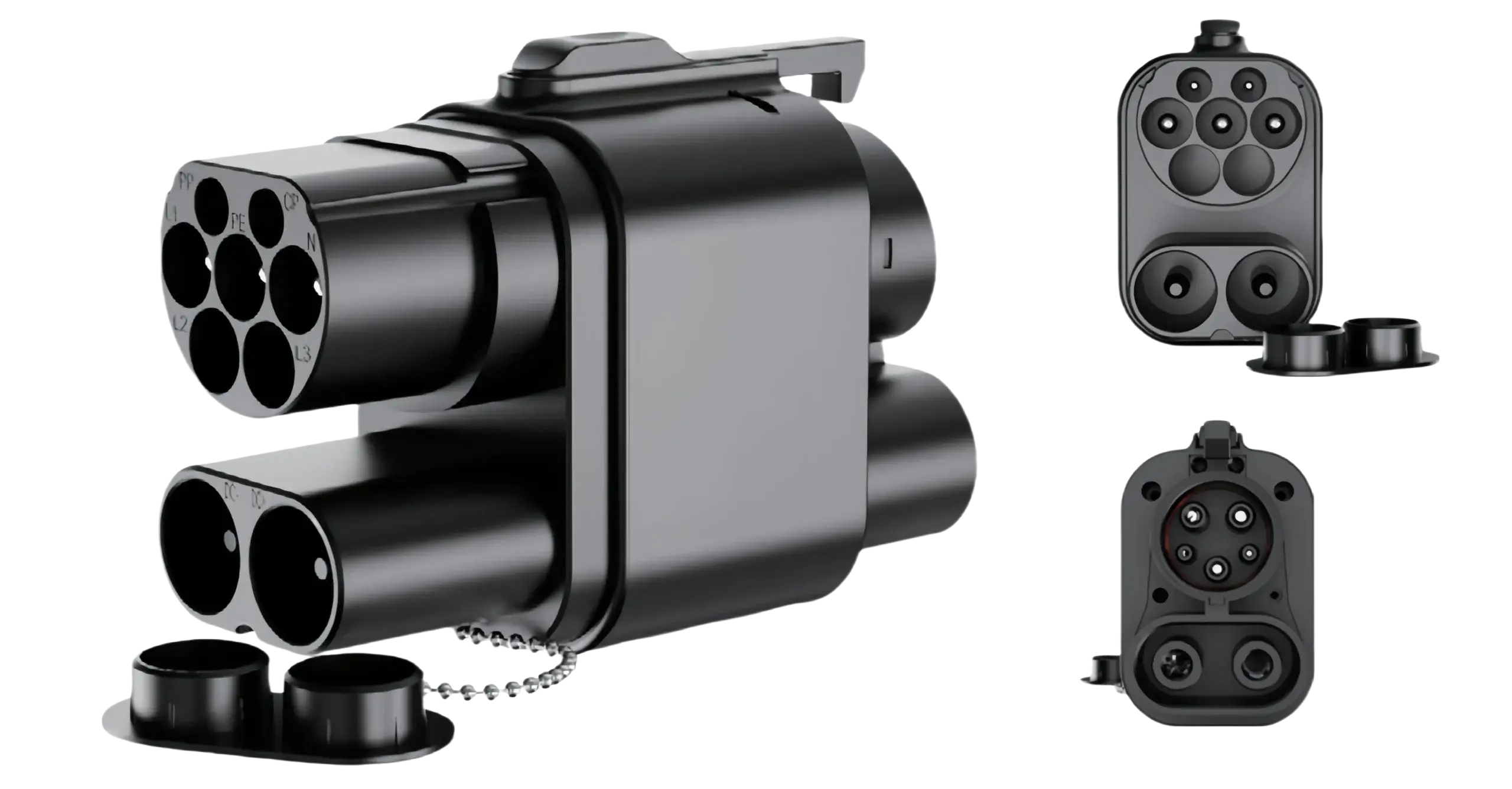
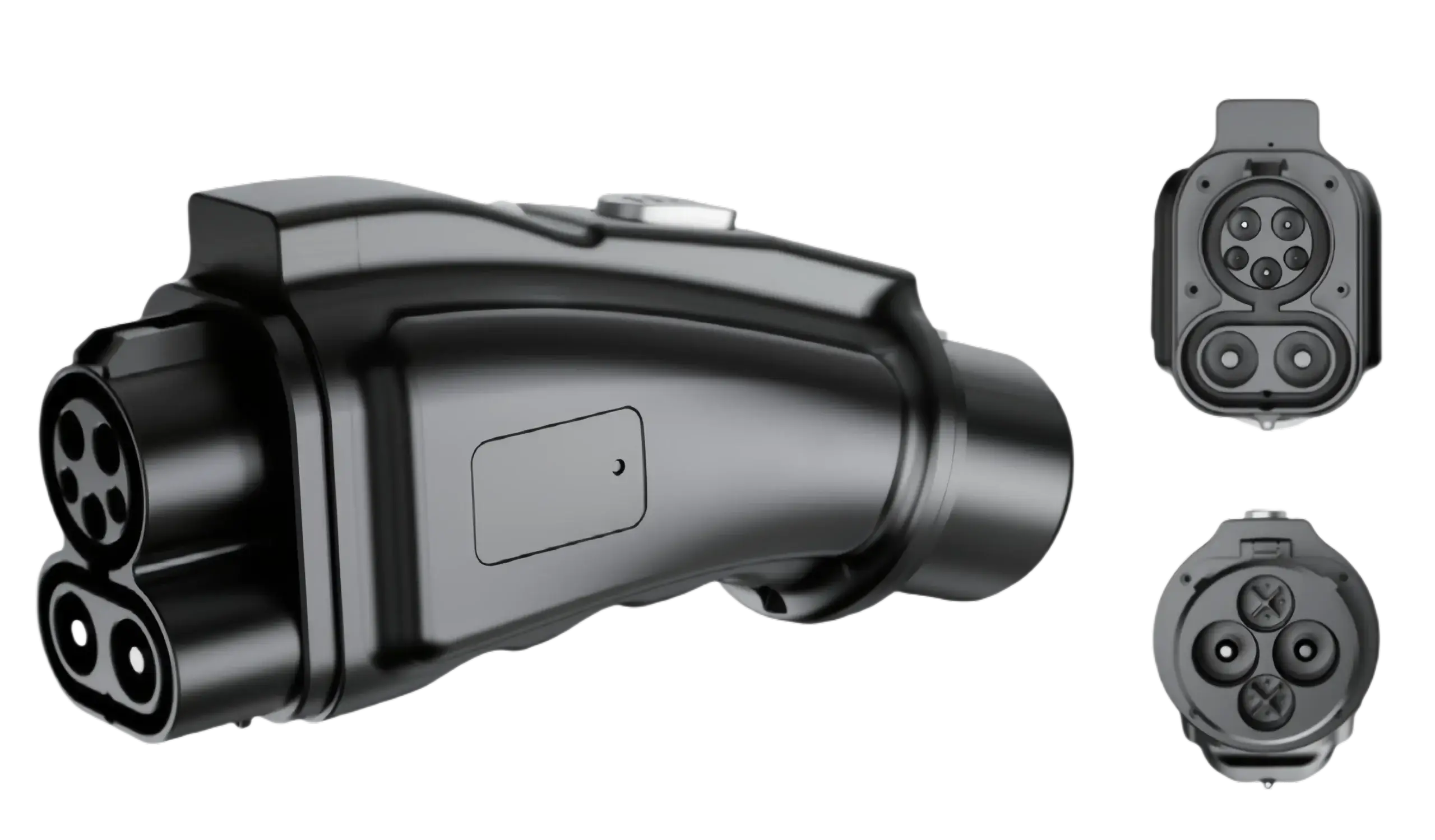
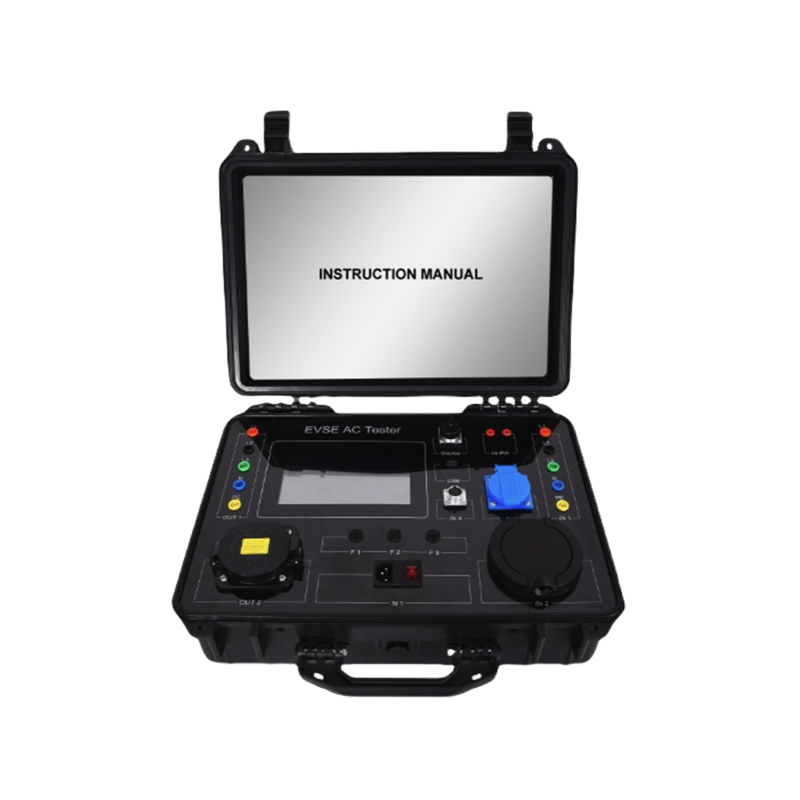
Por qué es importante realizar pruebas en una estación de recarga de vehículos eléctricos
La instalación de infraestructuras de recarga supone una inversión considerable. Nadie quiere que los equipos fallen cuando los conductores realmente los necesitan. Sin embargo, es sorprendente la cantidad de puntos de recarga que permanecen averiados o funcionan por debajo de su rendimiento durante largos periodos de tiempo antes de que se solucionen los problemas. Realizar pruebas adecuadas evita estas situaciones frustrantes.
Las pruebas tienen múltiples finalidades que van más allá de la simple verificación del funcionamiento. Las cuestiones de seguridad ocupan, obviamente, el primer lugar. Los equipos eléctricos que manejan niveles de potencia significativos exigen una inspección minuciosa. Pero la optimización del rendimiento también es importante: un cargador que suministra menos potencia de la nominal hace perder el tiempo a todo el mundo.
Ya sea al poner en marcha nuevas instalaciones, realizar el mantenimiento rutinario o solucionar los problemas notificados, los enfoques de pruebas sistemáticas ofrecen mejores resultados que las comprobaciones aleatorias. Los métodos que aquí se describen se aplican en diversos Estación de carga para vehículos eléctricos tipos, aunque los procedimientos concretos varían ligeramente según el fabricante y el modelo.

Comprobaciones de seguridad imprescindibles antes de probar una estación de recarga para vehículos eléctricos
Fundamentos de la inspección visual
Antes de conectar cualquier equipo de prueba, una inspección visual básica permite detectar problemas evidentes. Este paso parece casi demasiado sencillo como para mencionarlo, pero a veces los técnicos se saltan este paso y pierden mucho tiempo detectando problemas que podrían haber detectado a simple vista.
Entre los puntos clave de la inspección visual se incluyen:
• Estado del cable (grietas, cortes, desgaste excesivo)
• Integridad del conector y alineación de los pines
• Daños en la carcasa o signos de entrada de agua
• Montaje adecuado y estabilidad
• Las etiquetas de advertencia están presentes y son legibles
• Aberturas de ventilación sin obstrucciones
Los cables dañados merecen una atención especial. Los cables de las estaciones de recarga de vehículos eléctricos sufren un trato duro: se arrastran por el asfalto, a veces los atropellan y se tiran de ellos en ángulos extraños. Si se observan daños visibles, hay que sustituirlos de inmediato, sin seguir probándolos.
H3: Verificación de la conexión a tierra y del aislamiento
Las pruebas de seguridad eléctrica deben realizarse antes de cualquier procedimiento de puesta en marcha. La continuidad de la toma de tierra debe situarse dentro de los límites aceptables. La resistencia de aislamiento entre conductores y entre estos y la toma de tierra debe verificarse de acuerdo con las especificaciones del fabricante.
Para realizar estas mediciones se necesita el equipo adecuado:
1. Comprobador de resistencia de aislamiento (megohmímetro)
2. Ohmímetro de baja resistencia para comprobar la continuidad de la toma de tierra
3. Equipo de protección individual adecuado
4. Material para el bloqueo y etiquetado
5. Multímetro calibrado para la comprobación de la tensión
Nunca des por sentado que las pruebas anteriores siguen siendo válidas. Las condiciones cambian. Las conexiones se aflojan. Lo que funcionaba bien hace seis meses podría fallar hoy. Cada sesión de pruebas comienza desde cero con una verificación básica de seguridad.
Procedimientos de pruebas funcionales para equipos de estaciones de recarga de vehículos eléctricos
Pruebas de protocolos de comunicación
Las estaciones de recarga modernas se comunican con los vehículos a través de protocolos estandarizados. Este proceso de establecimiento de comunicación debe completarse con éxito antes de que comience a fluir la corriente. Para comprobar el funcionamiento de la comunicación se necesitan vehículos reales o equipos de simulación especializados.
Estación de carga de CC Los simuladores reproducen la comunicación por parte del vehículo sin necesidad de que haya coches reales presentes. Estos dispositivos resultan de gran utilidad para la puesta en marcha de instalaciones y la resolución de problemas. Permiten determinar si los problemas se originan en la estación o en el vehículo, una distinción que reviste una enorme importancia para el diagnóstico.
Las pruebas del protocolo deben verificar lo siguiente:
- Generación correcta de la señal piloto
- Funcionamiento correcto de la detección de proximidad
- Función del interruptor diferencial
- Respuesta ante una parada de emergencia
- Secuencias de inicio y finalización de sesión
Los fallos de comunicación son uno de los problemas más habituales en las estaciones de recarga de vehículos eléctricos. Los problemas de software, los errores de firmware y los errores de configuración son la causa de muchos de los fallos de funcionamiento notificados. Las pruebas a nivel de protocolo permiten identificar estos problemas de forma eficaz.
Verificación del suministro de energía
El objetivo final de cualquier cargador es suministrar energía a los vehículos. Comprobar el suministro real de energía permite verificar que la estación cumple correctamente su función principal.
| Parámetro de prueba | Método de medición | Tolerancia admisible | Problemas habituales |
|---|---|---|---|
| Tensión de salida | Analizador de potencia | ±51 TP3T de la potencia nominal | Problemas con el transformador |
| Entrega actual | Pinza amperimétrica/transformador de corriente | ±3% de lo solicitado | Fallos en los contactores |
| Factor de potencia | Medidor de calidad de la energía eléctrica | >0,95 (valor típico) | Distorsión armónica |
| Curva de carga | Registro de datos | Según las especificaciones del fabricante | Límites de software/térmicos |
| Eficacia | Comparación de entradas y salidas | >90% típico | Pérdidas internas |
Las mediciones de potencia requieren equipos de ensayo adecuados, homologados para las tensiones y corrientes en cuestión. Los cargadores rápidos de corriente continua, en particular, exigen instrumentos de nivel profesional. Los multímetros de uso doméstico simplemente no son suficientes para realizar pruebas de alta potencia.
Pruebas de conectividad de red
La mayoría de las instalaciones de estaciones de recarga de vehículos eléctricos comerciales se conectan a redes de gestión. Esta conectividad permite procesar pagos, supervisar el uso, realizar diagnósticos a distancia y actualizar el firmware. Las pruebas de las funciones de red completan la verificación exhaustiva de la estación.
Las pruebas de red suelen incluir:
1. Comprobación del estado de la conexión física
2. Comprobación de la asignación de direcciones IP
3. Pruebas de comunicación con el servidor backend
4. Ejecución de comandos remotos desde la plataforma de gestión
5. Comprobación de la exactitud de los informes de transacciones
Los problemas de conectividad frustran mucho a los usuarios. Un cargador puede funcionar perfectamente en modo autónomo, pero parecer averiado porque los problemas de red impiden la autorización de la sesión. Comprobar ambos aspectos garantiza un funcionamiento completo.
Solución de problemas habituales en las estaciones de recarga de vehículos eléctricos
Enfoques diagnósticos
Cuando las estaciones presentan fallos, la resolución sistemática de problemas es más eficaz que las conjeturas aleatorias. Empieza por los síntomas descritos y ve analizando el problema de forma lógica hacia atrás. Los informes de los usuarios suelen carecer de precisión técnica, pero contienen pistas valiosas sobre las condiciones en las que se produce el fallo.
Entre los pasos habituales del diagnóstico se incluyen:
• Revisión de los códigos de error y los registros de fallos
• Comprobación de los cambios recientes en el firmware o la configuración
• Análisis de los factores ambientales (temperatura, condiciones meteorológicas)
• Realizar pruebas con varios vehículos, si es posible
• Comparación del comportamiento con el de estaciones que se sabe que funcionan correctamente
Los problemas intermitentes son los más difíciles de resolver. Algo funciona a veces, pero otras falla, lo cual resulta desesperante tanto para los técnicos como para los usuarios. Estas situaciones exigen una observación paciente y un registro exhaustivo para identificar las condiciones en las que se producen los fallos.
Pruebas a nivel de componentes
Cuando las pruebas funcionales revelan problemas, resulta necesario realizar un diagnóstico a nivel de los componentes. Es posible que sea necesario someter a pruebas individuales los relés, contactores, sensores y placas de circuitos.
La documentación del fabricante sirve de guía para los procedimientos de comprobación de los componentes. Los métodos genéricos pueden provocar daños en los equipos o dar lugar a resultados engañosos. Conseguir los manuales de mantenimiento adecuados antes de intentar realizar reparaciones evita muchas frustraciones.
La disponibilidad de piezas de recambio influye de manera significativa en las decisiones relativas a las reparaciones. Algunos fabricantes de estaciones de recarga para vehículos eléctricos ofrecen un amplio servicio de reparaciones in situ. Otros, en cambio, esperan que se sustituya la unidad completa en la mayoría de los casos de avería. Conocer la filosofía de asistencia del fabricante ayuda a establecer expectativas realistas.
Documentación y registros de cumplimiento
Mantenimiento de los registros de pruebas
Las pruebas profesionales de las estaciones de recarga de vehículos eléctricos generan documentación. Los resultados de las pruebas, las mediciones, los registros de calibración y los registros de mantenimiento crean rastros de responsabilidad que resultan fundamentales para las reclamaciones de garantía, el cumplimiento normativo y la protección frente a la responsabilidad civil.
Entre las buenas prácticas de documentación se incluyen:
• Registro de las fechas de las pruebas y de los datos de identificación de los técnicos
• Indicando los equipos concretos y los números de serie sometidos a prueba
• Conservar los valores de medición, no solo las valoraciones de «aprobado» o «suspenso»
• Fotografiar las situaciones inusuales con las que nos encontramos
• Seguimiento de las fechas de calibración de los equipos de ensayo utilizados
Estos registros resultan muy útiles cuando surgen problemas más adelante. Demostrar que se han realizado un mantenimiento y unas pruebas adecuados protege a los propietarios frente a diversas reclamaciones.
PREGUNTAS FRECUENTES
¿Con qué frecuencia se debe revisar una estación de recarga de vehículos eléctricos?
La frecuencia de las pruebas depende de la intensidad de uso y de las condiciones ambientales. Las estaciones públicas con mucho tráfico requieren inspecciones mensuales y pruebas exhaustivas trimestrales. En el caso de las instalaciones residenciales o en el lugar de trabajo con menor uso, puede bastar con realizar pruebas semestrales. Las recomendaciones del fabricante y la normativa local pueden especificar intervalos mínimos que prevalezcan sobre las directrices generales.
¿Pueden los propietarios de vehículos eléctricos comprobar por sí mismos el funcionamiento de las estaciones de recarga?
Las pruebas básicas de funcionalidad —comprobar si el cargador inicia una sesión y suministra energía— no requieren conocimientos especiales. Sin embargo, las pruebas de seguridad y la verificación detallada del rendimiento exigen formación profesional y equipamiento especializado. Los propietarios deben informar de cualquier problema que sospechen que pueda existir, en lugar de intentar solucionar averías eléctricas sin la cualificación adecuada. Los riesgos de seguridad asociados a los equipos de alta tensión justifican la intervención de un profesional.
¿Qué equipos de prueba son imprescindibles para el mantenimiento de las estaciones de recarga de vehículos eléctricos?
Entre el equipo esencial se incluyen medidores de resistencia de aislamiento, ohmímetros de baja resistencia, pinzas amperimétricas adaptadas a las corrientes previstas y multímetros para la verificación de la tensión. Además, para realizar pruebas exhaustivas se necesitan analizadores de potencia, simuladores de protocolos y herramientas de diagnóstico de redes. Las empresas de servicios profesionales realizan importantes inversiones en instrumentación adecuada; esta realidad justifica la contratación de técnicos cualificados en lugar de improvisar con herramientas inadecuadas.