
The idea of charging an EV directly from the sun has a certain appeal. No grid, no electricity bill, just clean energy going straight into the car. It sounds almost too simple. And in some ways, it is. Having looked at a few different setups—from small portable units to full home installations—the reality is a bit more layered than the marketing sometimes suggests.
That said, solar-powered charging is absolutely real. It works. But how it works, and whether it makes sense for a particular situation, depends on a few key factors.
This is a look at what a solar-powered EV charger actually is and how the whole system comes together.
What a Solar-Powered EV Charger Actually Is
There’s a common misconception that a solar-powered EV charger is a single device—like a regular charger with a solar panel attached. That’s not really how it works. Instead, it’s a system. Solar panels generate DC electricity. That electricity goes somewhere. Then the car charges.
The Main Configurations
Three basic setups exist, each with different trade-offs.
| Configuration | Como funciona | Melhor para |
|---|---|---|
| Grid-tied solar + EV charger | Solar panels feed the home; car charges from the grid; net metering offsets the cost | Homeowners who want lower charging bills without complexity |
| Solar + battery + charger | Panels charge a battery; car charges from the battery (and grid as backup) | Off-grid homes or those wanting true solar-powered charging |
| Portable solar charger | Small solar panels feed a portable battery pack, which then charges the car | Emergency use, camping, very slow charging |
Most people talking about a solar-powered EV charger actually mean the first option—grid-tied solar with an EV charger. The car isn’t powered directly by the panels at the exact moment of charging, but over the course of a year, the solar energy generated equals or exceeds what the car uses. It’s a accounting approach, but it works.
How a Solar-Powered EV Charger Works Step by Step
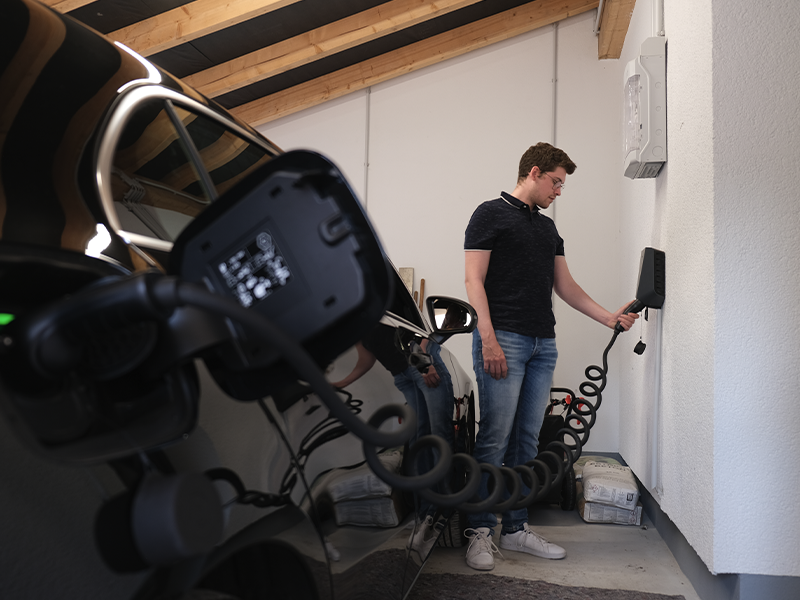
Let’s walk through a typical home system. Sunlight hits the solar panels on the roof. The panels produce DC electricity. An inverter converts that DC to AC (because the house and most chargers run on AC). That AC power flows into the home’s electrical panel. From there, it can power lights, appliances, or—when the car is plugged in—a Level 2 EV charger.
The Role of Net Metering
Here’s where it gets interesting. When the sun is shining and the car isn’t home, the solar panels still produce power. That excess goes back to the grid. The utility meter spins backward (metaphorically, anyway), banking credits. Later that night, when the car is plugged in and charging, the house draws from the grid. But those credits offset the cost. The car effectively runs on solar, just not in real time.
From an observational standpoint, this is the most practical approach for most homeowners. It doesn’t require batteries. It works around work schedules (car at the office during peak sun hours). And it’s the least expensive way to get “solar-powered” charging.
The Battery-Based Approach
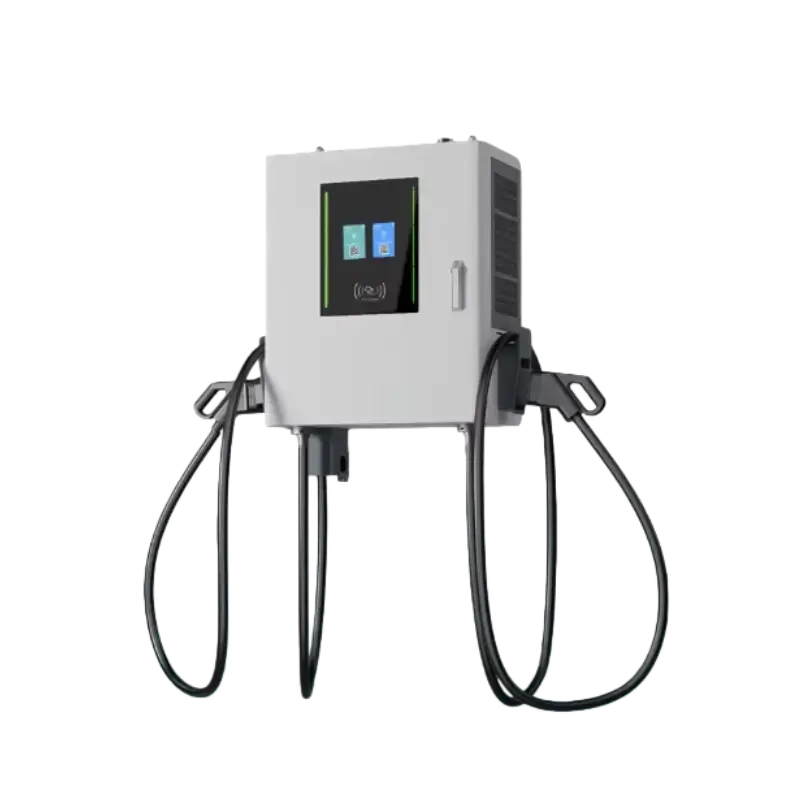
For someone who wants the car to charge directly from the sun—no grid involvement—batteries are required. The solar panels charge a battery bank during the day. In the evening, when the car is home, the battery discharges into the Estação de carregamento DC (or more commonly, a Level 2 charger via an inverter). The car never touches grid power.
The trade-off is cost. Batteries add thousands of dollars to the system. For most people, the grid-tied net metering approach makes more financial sense. But for off-grid homes or those wanting backup power during outages, batteries are the answer.
Can a Portable Charger Be Solar Powered?
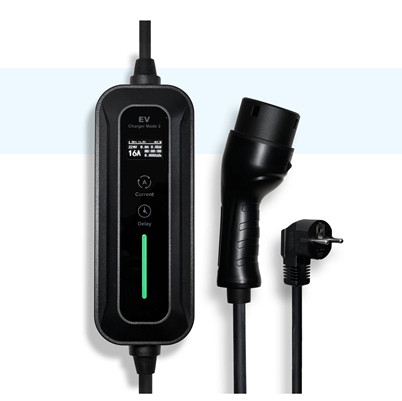
Yes, but with caveats. There are small, carregador portátil units that include fold-out solar panels and a built-in battery. They’re essentially giant power banks with solar input. Plug the car in, and the battery discharges into the vehicle.
The reality, though, is that solar portable chargers are slow. A typical portable solar setup might generate 200–400 watts in perfect sun. That adds maybe 2–4 miles of range per hour of direct sunlight. For an overnight camping trip where the car sits for days, it works. For daily driving, not really.
What’s been seen in the market is that these portable solar chargers are best thought of as emergency or recreational gear. They’re not a replacement for a home charger. But for someone who camps off-grid or wants a true backup that doesn’t depend on the grid, they have a place.
What You Need for a Home Solar-Powered EV Charger
Putting together a system requires several components. Not all are expensive, but they need to work together.
The Component List
1. Solar panels: Sized to match the car’s annual energy use. A typical EV uses 3,000–5,000 kWh per year, which requires about 3–5 kW of solar panels (10–15 panels, depending on efficiency).
2. Inverter: Converts DC from panels to AC for the home and charger. String inverters are common; microinverters are another option.
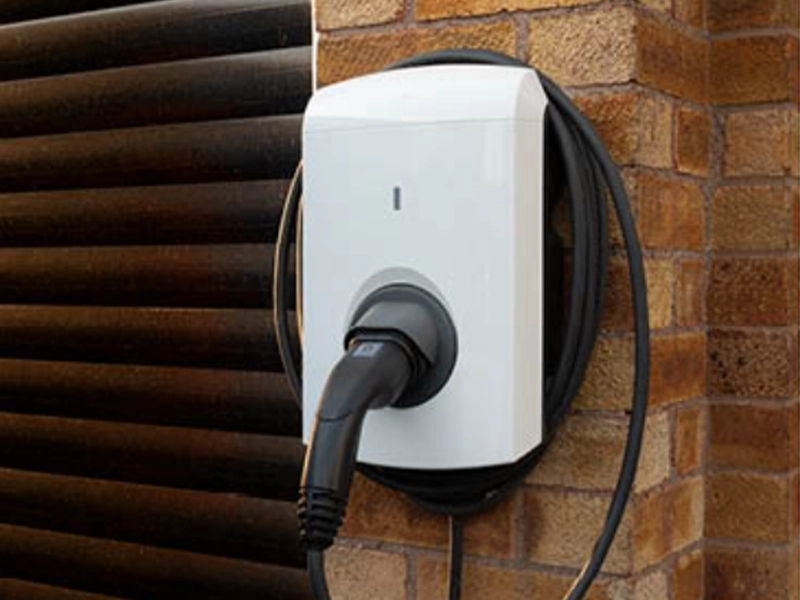
3. EV charger: A standard Level 2 charger (7–11 kW). Nothing special needed—any good charger works.
4. Mounting and wiring: Roof racks, conduits, disconnects.
5. Optional battery: For off-grid or time-of-use optimization.
Sizing Considerations
A common mistake is undersizing the solar array. An EV adds significant electricity demand. A home that used 10,000 kWh per year before an EV might need 50% more solar capacity after adding the car. Checking the car’s efficiency (miles per kWh) and annual mileage gives the number.
Rough math: 12,000 miles per year divided by 3 miles per kWh equals 4,000 kWh. At $0.15 per kWh, that’s $600 per year in electricity. Solar panels that produce 4,000 kWh per year might cost $8,000–12,000 before incentives. Payback is 10–15 years depending on local electricity rates and solar incentives.
The Practical Realities
A few things worth knowing before diving in.
Charging Speed Isn't Affected
The car doesn’t know or care whether the electricity came from solar panels or the grid. A Level 2 charger delivers the same power either way. No speed penalty. No special adapters. Plug in, and it works.
Time of Day Matters
Without batteries, the car charges fastest when the sun is shining—if the car is home during the day. For people who work away from home, that means the car charges at night from grid power, while the solar credits accumulated during the day offset the cost. It works financially, but the car isn’t literally running on sunshine.
For retirees, remote workers, or anyone with the car parked at home during daylight hours, a solar diverter (a device that sends excess solar power to the car automatically) can charge the car directly in real time.
Incentives Help
Federal tax credits in the US cover 30% of solar system costs. Some states and utilities add their own incentives. EV charger installation may also qualify. The net cost after incentives can be significantly lower than the sticker price.
Common Questions That Come Up
Does the charger need to be special? No. Any standard Level 2 EV charger works. The solar part happens upstream.
Can a solar-powered EV charger work during a power outage? Only if the system has batteries and is designed for islanding (disconnecting from the grid). Most grid-tied systems shut down during outages for safety reasons.
Is it worth it? Financially, it depends on local electricity rates, solar insolation, and incentives. In places with high electricity costs (California, Hawaii, parts of Europe), solar charging pays back faster. In areas with cheap coal or hydro power, the math is harder.
FAQ
How many solar panels does it take to charge an EV?
Typically 10–15 panels (3–5 kW) to cover average annual driving of 12,000 miles. Exact number depends on panel efficiency, local sunlight, and vehicle efficiency.
Can I use a solar-powered EV charger without a home battery?
Yes. Grid-tied solar with net metering is the most common setup. The car charges from the grid, but solar credits offset the cost over time.
How long does it take to charge an EV with portable solar panels?
Very slowly. A small portable solar setup (200–400 watts) adds 2–4 miles of range per hour of direct sun. It’s best for emergency top-ups or camping, not daily charging.


 Portuguese
  English
  Spanish
  French
  Russian
  German
  Italian