
A portable EV charger lives a hard life. It gets tossed into trunks, dragged across concrete, plugged into strange outlets, and left in freezing cars or baking hot trunks. It’s not exactly pampered equipment. And yet, people are often surprised when theirs stops working after a year or two.
Having seen a fair share of these units—some that lasted a decade, others that died in months—the difference usually comes down to storage and maintenance. Not rocket science. Just a few habits that make a real difference.
This is a look at how to keep a carregador portátil para veículos eléctricos in good shape for the long haul.
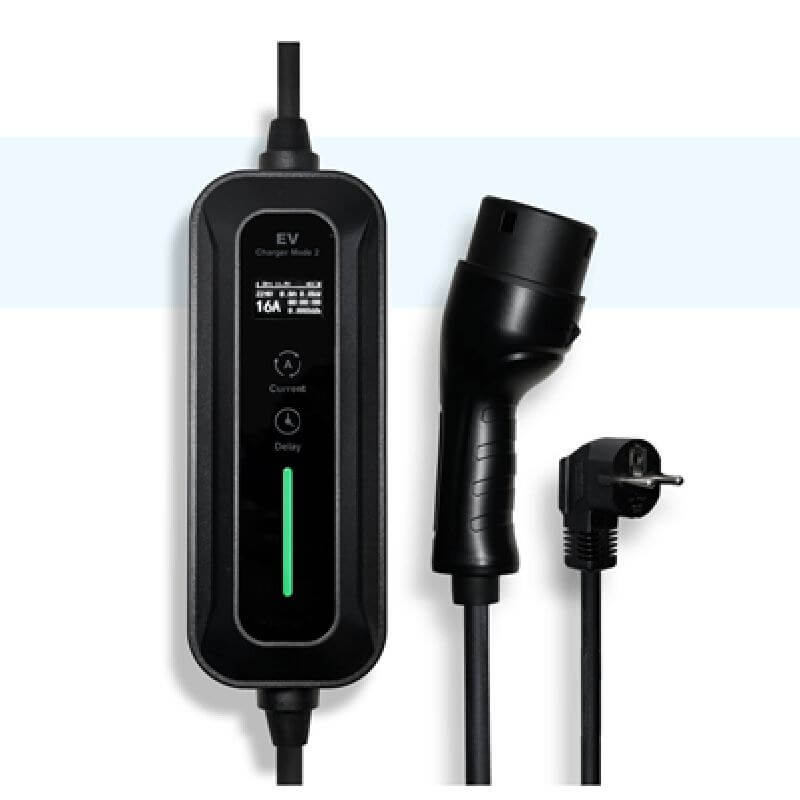
Why a Portable EV Charger Needs Different Care Than a Wall Unit
A hardwired home charger sits mounted on a wall, protected from the elements, never moving. A portable EV charger gets thrown around. It sees temperature swings, vibration, moisture, and physical abuse. The internal components—especially the circuit board and the cable strain relief—take a beating.
What’s been observed over time is that the cable fails before the electronics in most cases. Constant coiling and uncoiling, especially in cold weather, fatigues the copper wires inside. The connector pins wear out from repeated plugging. And the little rubber boot near the handle tears, letting in moisture.
So the maintenance approach has to match that reality. Less about filters and oil changes, more about physical inspection and smart storage.
How to Store a Portable EV Charger Properly
Storage matters more than most people think. Leaving a portable EV charger loose in the trunk with other gear—jump cables, tools, grocery bags—is asking for trouble.
Temperature Considerations
Extreme heat is the enemy. A charger left in a parked car on a summer day can see interior temperatures over 150°F (65°C). That bakes the capacitors, hardens the cable insulation, and weakens solder joints. Over time, the unit becomes unreliable.
Cold is less harmful but still annoying. A frozen cable becomes stiff and can crack if bent sharply. The internal electronics usually survive cold fine, but the plastic housing becomes more brittle.
The ideal storage temperature range for a portable EV charger is roughly 32°F to 95°F (0°C to 35°C). That’s not always possible in a car, but parking in shade or using an insulated bag helps.
Physical Protection
Here’s what works well:
1. A dedicated carrying case or bag: Soft-sided with padding is fine. The goal is to prevent the charger from banging against other items.
2. Avoid tight coiling: The cable should be looped loosely (12–18 inch diameter loops). Tight wraps around the charger body create sharp bends that damage internal wires over time.
3. Keep the connector clean and capped: Most units come with a dust cap for the handle. Using it keeps debris out of the pins.
A simple habit: when the charger goes back in the trunk, it gets its own spot. Not shoved under a tire iron.
Routine Maintenance for a Portable EV Charger
Unlike a fixed wall unit, a portable EV charger needs regular visual checks. No special tools required—just eyes and a few minutes.
Monthly Inspection Checklist
| O que verificar | What to Look For | What to Do |
|---|---|---|
| Cable sheath | Cuts, abrasions, or bulges | If copper is visible, replace the unit |
| Connector pins | Corrosion, bent pins, or melting | Clean with contact cleaner; replace if damaged |
| Plug prongs | Burning marks or looseness | Discontinue use immediately if burned |
| Strain relief points | Cracking at where cable enters the charger box | Tape as temporary fix; replace soon |
| Housing | Cracks or water intrusion signs | Replace if internal components exposed |
Cleaning the Connector
The connector gets dirty. Dust, road grime, and moisture residue build up on the pins. A dirty pin can cause poor contact, which generates heat and leads to melting—a real fire risk.
Cleaning is simple:
• Unplug the charger from power
• Use a dry, lint-free cloth to wipe the pins
• For stubborn grime, use electronic contact cleaner (spray on a cloth, not directly into the connector)
• Let it dry completely before using
Do not use water, oil, or household cleaners. They leave residues that cause problems.
Testing Without Special Gear
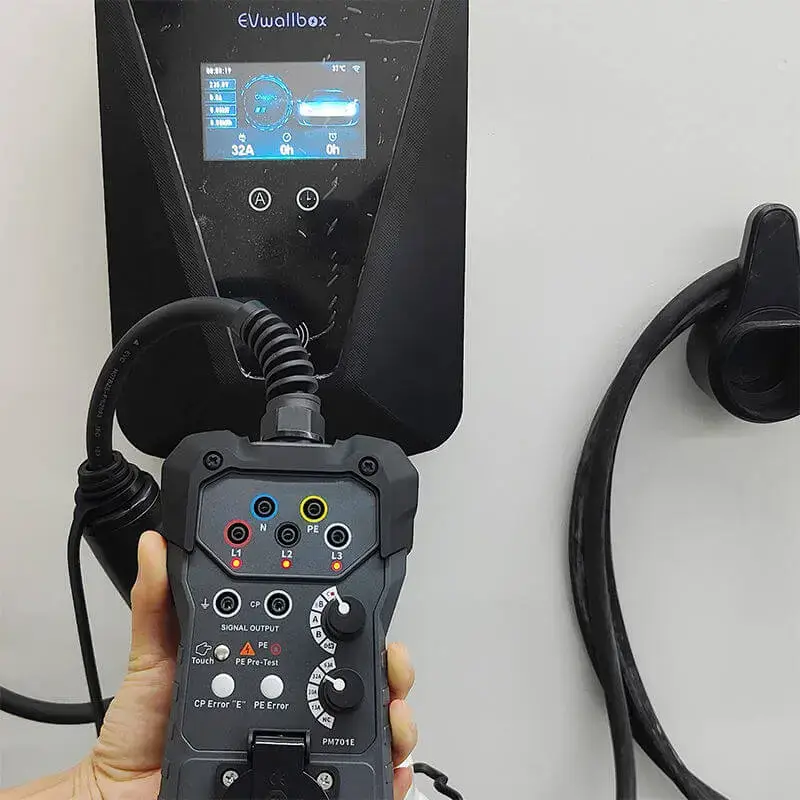
Most owners don’t own an EV Charger Testing Device, and that’s fine. But a simple test can be done with the vehicle itself. Once a month, plug the portable unit into a known-good outlet (like the one at home) and charge for 10–15 minutes. Feel the cable near the plug and near the connector. If either end is uncomfortably hot to the touch, something is wrong. Slightly warm is normal. Too hot to hold for five seconds is not.
This simple test catches high-resistance connections before they cause a failure.
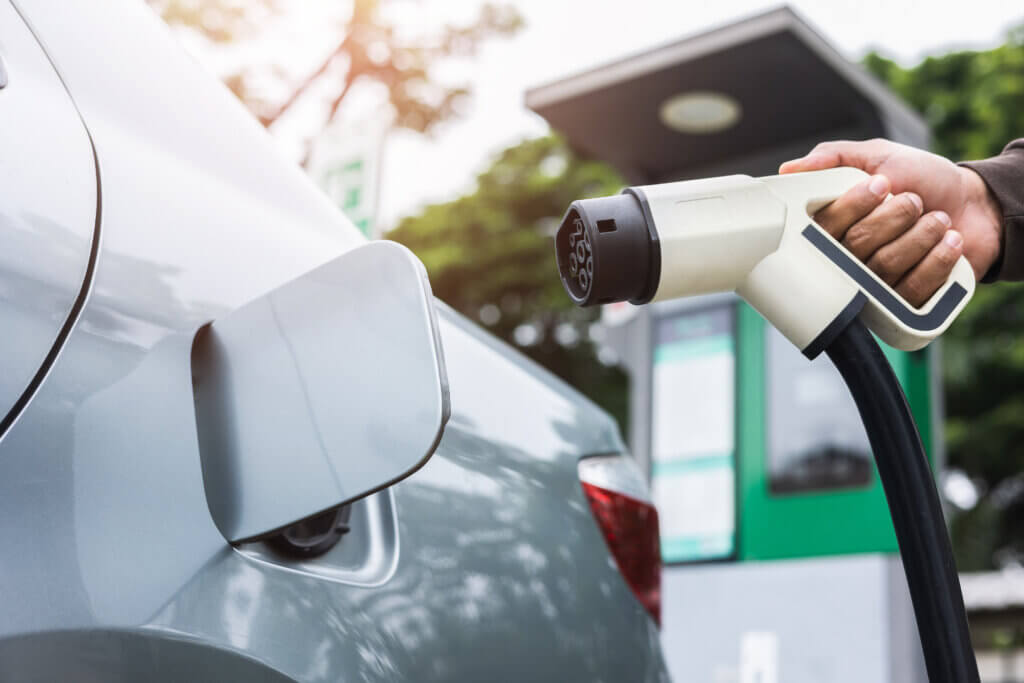
What Shortens the Life of a Portable EV Charger
Some habits kill these things faster than anything else. Seen it happen repeatedly.
Using Extension Cords
A portable EV charger is designed to plug directly into a wall outlet. Adding an extension cord—especially a thin one—adds resistance, causes voltage drop, and creates heat. The charger’s internal safety systems may not detect the problem correctly. If an extension cord is absolutely necessary, use a heavy-duty 10-gauge cord rated for continuous EV charging (most are not). Even then, it’s a risk.
Leaving It Plugged in Unnecessarily
Some people leave the portable charger plugged into the wall when not in use. That keeps the internal power supply energized continuously. Over months, that heat and electrical stress ages the components faster. Unplug it when not needed.
Coiling the Cable While Hot
After a long charging session, the cable can be warm. Coiling it tightly while warm traps heat and can deform the insulation. Let it cool for a few minutes before putting it away.
Using in Heavy Rain Without Protection
Most portable EV chargers are weather-resistant, not waterproof. A NEMA 4 or IP65 rating means it handles rain, but not standing water. Using it in a downpour with the charger box sitting in a puddle is asking for trouble. If it’s raining hard, keep the box itself under the car or in a sheltered spot. The connector is fine in rain.
Long-Term Storage Tips
For a portable EV charger that won’t be used for months (winter storage for a summer car, for example), a few extra steps help.
• Store indoors: A climate-controlled space is best. Basement, garage (if not too cold), or closet.
• Coil loosely: Hang the cable on a peg or lay it in large loops. Do not wrap tightly around the unit.
• Disconnect from power: Obviously. But also consider removing any plug adapters.
• Check before first use: After long storage, do the warm-up test mentioned earlier. Charge for a few minutes and feel for abnormal heat.
One thing that’s been observed: chargers stored in damp basements sometimes develop corrosion on the plug prongs. A quick wipe with a dry cloth before first use fixes it.

When to Replace Instead of Repair
Portable Carregadores de veículos eléctricos are not designed to be repaired by the owner. The cases are often ultrasonically welded or sealed with security screws. Opening them voids the weather sealing.
Replace a portable EV charger when:
• The cable has visible cuts or exposed copper
• The connector pins are melted or corroded beyond cleaning
• The unit trips the breaker consistently (with known-good outlets)
• It gets unusually hot during normal use
• The housing is cracked or water got inside
These units cost $150 to $400. A failed one isn’t worth rebuilding. Replacement is cheaper than a tow truck.
A Quick Reference Guide
A few habits that help a portable EV charger last longer: storing it in a padded bag or case so it doesn’t bounce around loose in the trunk, giving the cable and connector a quick visual check once a month, unplugging the unit when it won’t be used for days or weeks instead of leaving it energized constantly, letting the cable cool down before coiling it back up, and sticking to outlets that are properly rated for the amperage.
And some things that tend to cause trouble: reaching for an extension cord—even a heavy-duty one adds risk, so if absolutely necessary keep it short and thick; wrapping the cable tightly around the charger body, which creates sharp bends that wear out the internal wires; leaving the charger baking in a hot car for weeks on end; ignoring melted pins, burning smells, or odd discoloration (those are warnings, not quirks); and letting the charger box sit in a puddle or leaving it out in standing water—rain is fine, pools are not.
If you want to know more about portable EV charger, please read Best Portable EV Charging Stations for 2026.
FAQ
How long does a portable EV charger typically last?
With proper storage and care, 5 to 8 years is reasonable. Harsh conditions (extreme heat, frequent rough handling) can shorten that to 2–3 years.
Can I leave my portable EV charger plugged in all the time?
It’s better to unplug it when not in use. Leaving it powered continuously causes unnecessary wear on the internal electronics.
Is it safe to use a portable EV charger in the rain?
Most are rated for outdoor use and can handle rain. Keep the main unit (the box) out of standing water and sheltered if possible. The connector and vehicle inlet are designed to be weather-resistant.


 Portuguese
  English
  Spanish
  French
  Russian
  German
  Italian