Entrar no mundo dos veículos elétricos pode parecer um pouco como aprender uma nova língua. A ansiedade em relação à autonomia, os quilowatts-hora, a travagem regenerativa… e depois há toda a questão do carregamento. Não é propriamente tão simples como «ligar e usar», tal como encher o depósito numa estação de serviço.
Uma das primeiras coisas que causa confusão às pessoas? Compreender os diferentes tipos de Estações de carregamento de veículos eléctricos disponíveis. Porque nem todos os carregadores são iguais — alguns demoram uma eternidade, outros custam uma fortuna e outros nem sequer são compatíveis com determinados veículos.
Eis uma análise que faz realmente sentido.
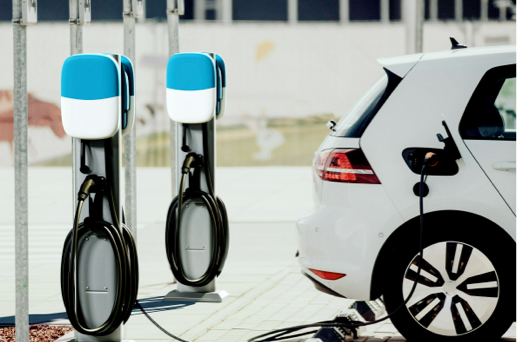
Os três principais tipos de estações de carregamento de veículos elétricos
No nível mais básico, os carregadores de veículos elétricos dividem-se em três categorias. O setor denomina-as Nível 1, Nível 2 e Nível 3 (ou Carregamento Rápido em Corrente Contínua). Cada uma destina-se a uma finalidade diferente e, sinceramente, a maioria dos proprietários de veículos elétricos acaba por utilizar pelo menos duas delas regularmente.
Carregamento de Nível 1 — A opção lenta mas constante
Este é o carregador que vem incluído na maioria dos veículos elétricos novos. Liga-se a uma tomada doméstica normal de 120 volts — do mesmo tipo que se usa para candeeiros e carregadores de telemóvel.
Parece prático, não é? Bem, mais ou menos. O problema é a velocidade. O carregamento de nível 1 acrescenta cerca de 3 a 5 milhas de autonomia por hora. Para quem tem um trajeto longo para o trabalho, isso é dolorosamente lento. Deixar o carro ligado à tomada durante a noite pode recuperar apenas cerca de 40 milhas.
Ideal para:
• Híbridos recarregáveis com baterias de pequena capacidade
• Condutores com trajetos diários muito curtos
• Carregamento de emergência
Carregamento de nível 2 — A opção ideal para a maioria das pessoas
É no Nível 2 que as coisas passam a ser mais práticas. Estes carregadores funcionam com circuitos de 240 volts (como os que alimentam uma máquina de secar roupa elétrica) e podem aumentar a autonomia entre 12 e 80 milhas por hora, dependendo da amperagem do aparelho.
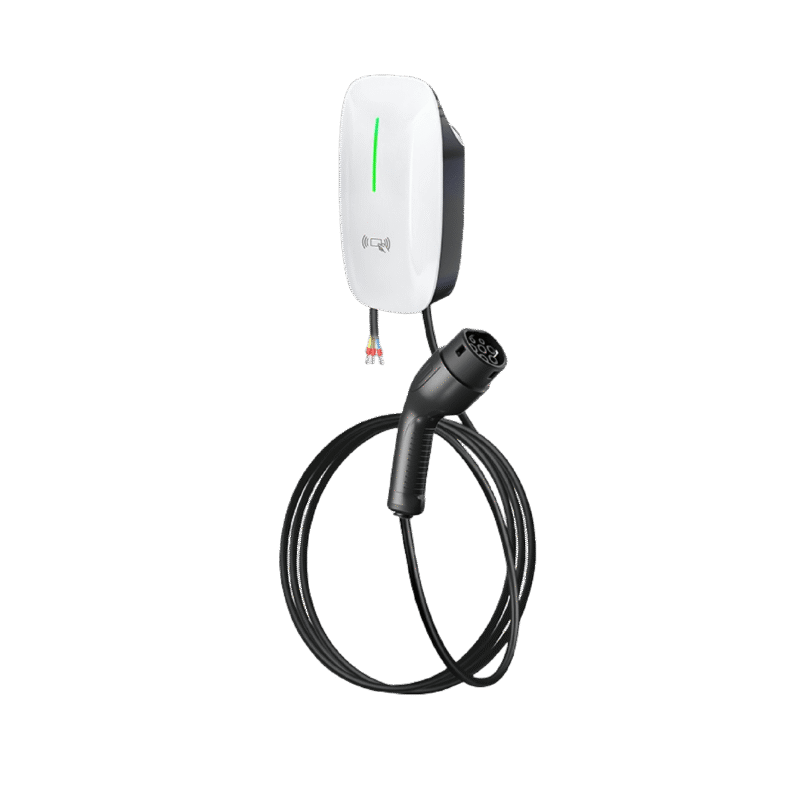
A maioria das estações de carregamento públicas em centros comerciais, locais de trabalho e parques de estacionamento são de Nível 2. As instalações domésticas também são predominantemente deste tipo. Entre todos os tipos de estações de carregamento para veículos elétricos, o Nível 2 apresenta o melhor equilíbrio entre custo, velocidade e acessibilidade.
Especificações típicas:
• 16 a 80 amperes
• Potência de 3,3 kW a 19,2 kW
• Carregamento completo durante a noite para a maioria dos veículos elétricos
Nível 3 / Carregamento rápido em corrente contínua — Quando o tempo é tudo
Carregadores rápidos DC são as que têm maior potência. Estas estações contornam completamente o carregador integrado do automóvel e enviam corrente contínua diretamente para a bateria. O resultado? Alguns veículos conseguem passar de 10% para 80% em menos de 30 minutos.
Mas há um senão (há sempre um senão). A infraestrutura de carregamento rápido em corrente contínua é dispendiosa de construir e operar, pelo que se encontra principalmente ao longo das autoestradas e em zonas comerciais urbanas. A sua utilização frequente também gera mais calor na bateria, o que pode afetar o estado da bateria a longo prazo, se for exagerada.
Comparação rápida dos tipos de estações de carregamento de veículos elétricos
Às vezes, uma tabela ajuda a esclarecer as coisas. Eis uma comparação entre os três principais tipos de estações de carregamento de veículos elétricos:
| Caraterística | Nível 1 | Nível 2 | Carregamento rápido DC |
|---|---|---|---|
| Tensão | 120V AC | 240V AC | 400-900 V CC |
| Potência de saída típica | 1,2 – 1,4 kW | 3,3 – 19,2 kW | 50 – 350 kW |
| Milhas de autonomia por hora | 3 a 5 milhas | 12 – 80 milhas | 180 – mais de 1 000 milhas |
| Caso de utilização típico | Página inicial (emergência) | Página inicial / Local de trabalho / Espaço público | Rodoviário / Comercial |
| Custo de instalação | $0 (utiliza uma tomada existente) | $500–$2 000 | $50 000–$150 000+ |
| Melhor para | Veículos híbridos plug-in (PHEV), utilização ligeira | Carregamento diário | Viagens de carro, recargas rápidas |
Os tipos de conectores acrescentam mais uma fonte de confusão
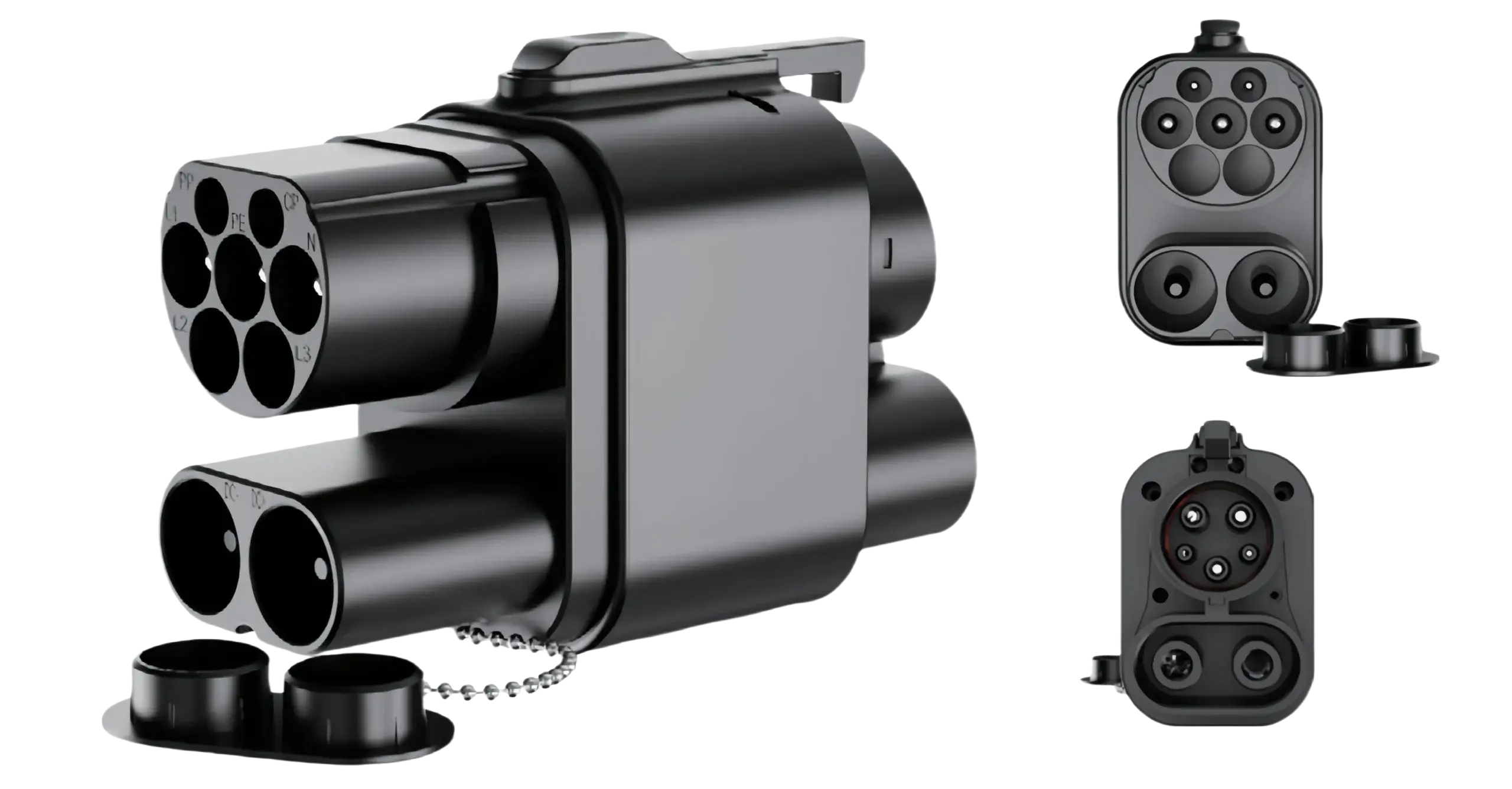
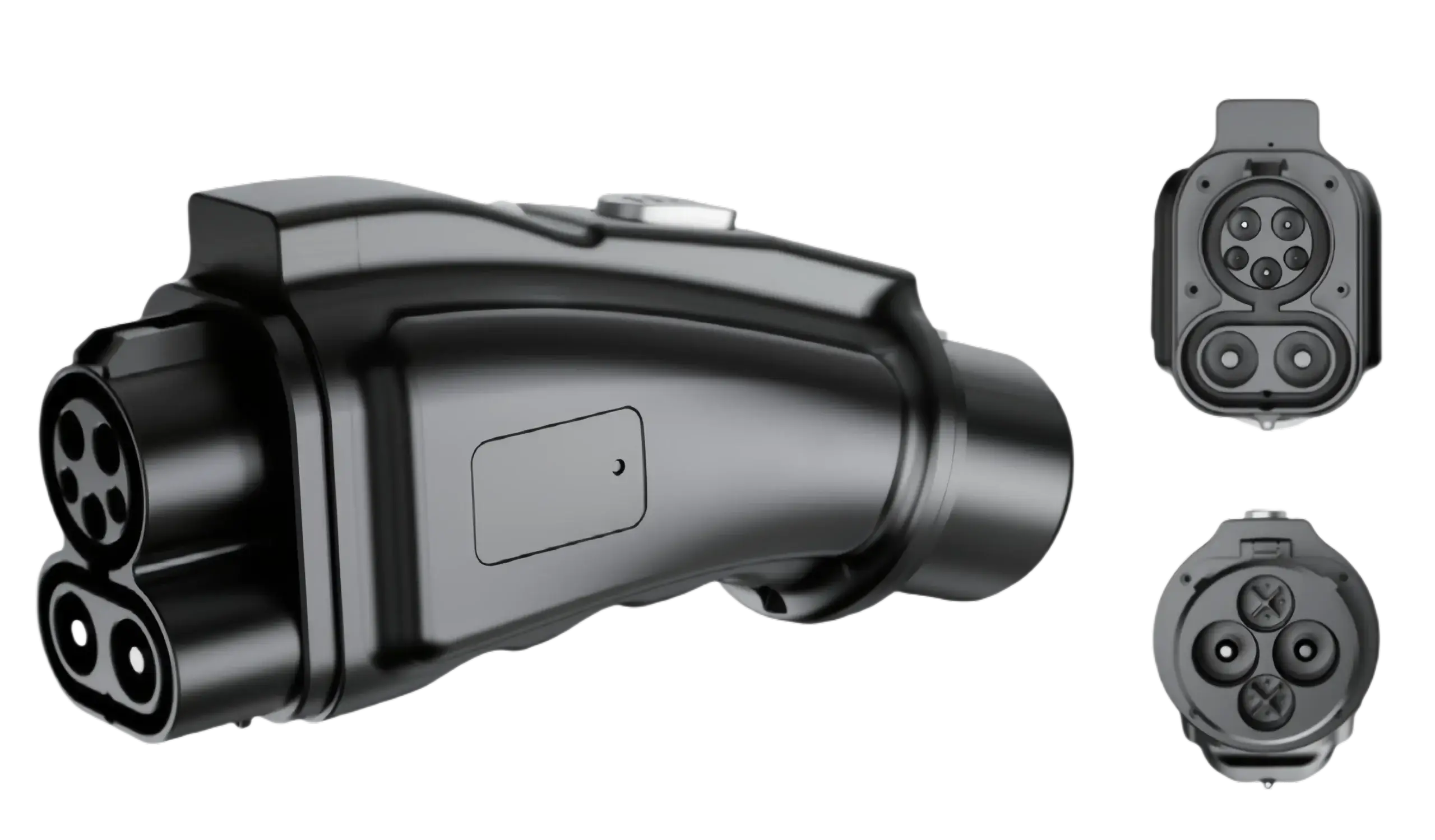
Quando as coisas começam a fazer sentido, surgem os diferentes tipos de conectores. Os diferentes fabricantes e regiões utilizam fichas diferentes, o que pode complicar a situação quando se tenta utilizar a infraestrutura pública de carregamento.
Normas comuns para conectores
1. J1772 — O conector padrão de Nível 1 e Nível 2 na América do Norte. É compatível com quase todos os veículos elétricos, exceto os da Tesla (embora a Tesla inclua um adaptador).
2. CCS (Combined Charging System) — Adiciona a capacidade de carregamento rápido em corrente contínua ao padrão J1772. Utilizado pela maioria dos veículos elétricos que não são da Tesla para carregamento rápido.
3. CHAdeMO — Um padrão mais antigo de carregamento rápido em corrente contínua, presente sobretudo em veículos japoneses, como o Nissan Leaf. Está a tornar-se menos comum.
4. Supercharger da Tesla (NACS) — O conector exclusivo da Tesla, que está agora a ser adotado como norma norte-americana por outros fabricantes.
A boa notícia? O setor está, aos poucos, a consolidar-se em torno de um número menor de normas. Mas, por enquanto, continua a ser necessário verificar a compatibilidade do conector antes de parar numa estação de carregamento.
Qual o tipo mais adequado para as diferentes situações?
Escolher entre o tipos de estações de carregamento de veículos elétricos Depende mesmo dos hábitos de condução e do estilo de vida. Não há uma resposta única e correta.
Pessoas que se deslocam diariamente para o trabalho em percursos inferiores a 40 milhas: O nível 1 pode até ser adequado, por incrível que pareça
Condutores com percursos médios (40-80 milhas por dia): O Nível 2 em casa é praticamente essencial
Viajantes de carro e condutores que conduzem muito: O acesso às redes de carregamento rápido em corrente contínua torna-se fundamental
Moradores de apartamentos sem ponto de carregamento em casa: Recurso a pontos de carregamento públicos de Nível 2 e, ocasionalmente, a carregamento rápido em corrente contínua
FAQ
Qual é o melhor tipo para carregar em casa?
O carregamento de nível 2 é, normalmente, a melhor opção para o carregamento doméstico, oferecendo um bom equilíbrio entre velocidade e custo.
Os carregadores de Nível 1 requerem licenças?
O Nível 1 normalmente não requer uma instalação elétrica especial para além de uma tomada padrão, mas os regulamentos locais podem variar e uma verificação rápida ajuda a evitar surpresas.
Todos os veículos elétricos podem utilizar o carregamento rápido em corrente contínua?
A maioria dos veículos elétricos modernos suporta carregamento rápido em corrente contínua, mas o tipo de conector e a capacidade do veículo variam. Verifique as especificações do veículo e a compatibilidade do carregador.