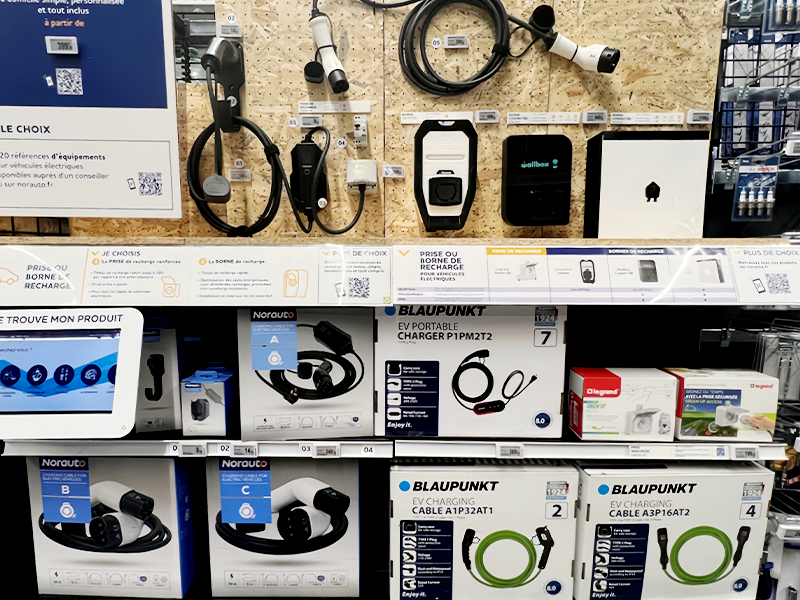
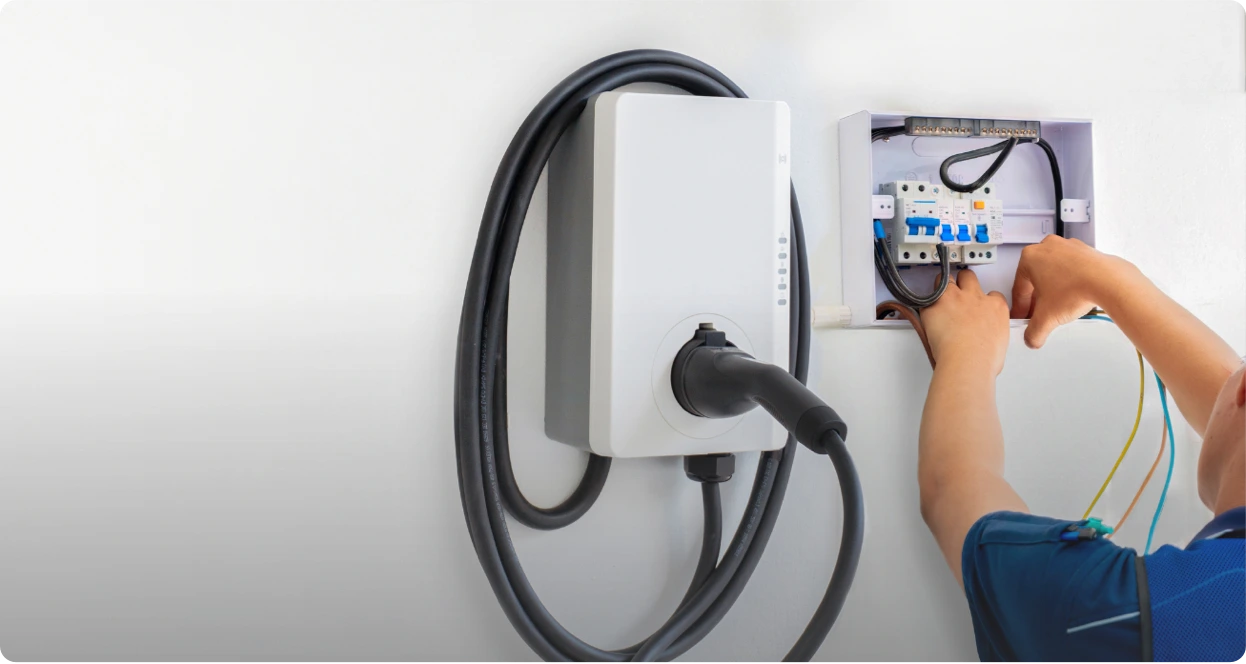
A aquisição de adaptadores de carregamento para veículos elétricos tornou-se uma decisão de aprovisionamento verdadeiramente difícil para muitas empresas. À medida que as frotas de veículos elétricos se expandem, os projetos de infraestruturas de carregamento ganham escala e as questões de compatibilidade entre normas se multiplicam, os compradores já não se limitam a comparar preços numa ficha técnica. Estão a tentar determinar quais os fabricantes que conseguem efetivamente garantir uma qualidade consistente, cumprir os requisitos de segurança regionais e apoiar um projeto ao longo de anos de funcionamento no mundo real, em vez de desaparecerem após a primeira remessa. Uma má decisão de aquisição nesta fase pode minar silenciosamente uma implantação de carregamento que, de outra forma, estaria bem planeada, transformando uma simples compra de equipamento numa fonte de risco operacional contínuo.

Este desafio é agravado pela fragmentação crescente do panorama dos fornecedores. Surgem regularmente novos fabricantes no mercado, os catálogos de produtos parecem frequentemente semelhantes à primeira vista e as alegações de marketing sobre certificação e qualidade nem sempre são fáceis de verificar à distância. Para as equipas de aquisição responsáveis por equipamentos que irão funcionar em grande escala — por vezes, com centenas ou milhares de sessões de carregamento por unidade por ano —, acertar na decisão de aquisição à primeira é muito mais importante do que poderia ser no caso de uma categoria de equipamentos de menor importância.
A escolha do fornecedor certo de adaptadores de carregamento para veículos elétricos resume-se a avaliar, em conjunto, a competência técnica, a conformidade com as certificações, a fiabilidade de fabrico e o apoio pós-venda, em vez de optar automaticamente pela proposta que apresentar o preço unitário mais baixo. Um fornecedor que cumpra todos estes requisitos reduz tanto o risco operacional como o custo a longo prazo de um projeto de infraestrutura de carregamento, mesmo que a sua proposta inicial não seja a mais barata em cima da mesa.
As secções que se seguem detalham exatamente o que deve ser avaliado em cada fase do processo de seleção, desde a capacidade técnica até às condições de garantia.
Por que razão a seleção do fornecedor é importante para os adaptadores de carregamento de veículos elétricos
A seleção do fornecedor é importante porque os adaptadores de carregamento estão diretamente inseridos num circuito de alta tensão, o que significa que qualquer falha na conceção, nos materiais ou na consistência do fabrico se traduz num risco real para a segurança e a fiabilidade de quem, em última instância, utiliza o equipamento.
Ao contrário de muitas categorias de aquisição, em que uma unidade defeituosa é simplesmente substituída com um pequeno inconveniente, um adaptador de carregamento mal fabricado pode avariar durante a utilização, danificar os componentes eletrónicos do veículo ligado ou criar um risco de incêndio ou de choque elétrico. Para empresas que implementam adaptadores em grande escala, tais como operadores de frotas, construtores de redes de carregamento ou revendedores de equipamento, um único lote de unidades abaixo dos padrões pode levar a recolhas dispendiosas, prejudicar as relações com os clientes e, em alguns casos, expor a empresa a riscos regulamentares. Para além da segurança, a fiabilidade do fornecedor também afeta diretamente os prazos do projeto. A implantação de infraestruturas de carregamento está frequentemente ligada a prazos fixos, quer sejam impulsionados por requisitos regulamentares, contratos de locação ou metas de eletrificação de frotas, e um fornecedor que não consiga cumprir prazos de entrega consistentes coloca todo o calendário em risco.

Existe também uma dimensão relacionada com a reputação que é fácil subestimar durante a fase de aquisição. Os revendedores de equipamento de carregamento e os operadores de rede estão, em última análise, a associar o seu próprio nome aos produtos que implementam ou vendem. Se os adaptadores de um fornecedor apresentarem um padrão de avarias em campo, as reclamações de garantia, as queixas dos clientes e os danos à marca que daí resultam recaem sobre a empresa do comprador, e não sobre o fabricante, pelo menos na perspetiva do cliente final. Isto faz com que a due diligence do fornecedor se assemelhe menos a um exercício de compra rotineiro e mais à seleção de um parceiro operacional de longo prazo, cujos padrões de qualidade irão moldar diretamente a forma como o próprio produto ou serviço do comprador é percebido pelos seus clientes em termos de fiabilidade.
Principais competências técnicas a ter em conta
O fornecedor certo deve demonstrar uma verdadeira capacidade de engenharia nas áreas da eletrónica de potência, da conceção de conectores e dos protocolos de comunicação, e não apenas a capacidade de montar componentes adquiridos noutros locais.
Profundidade do Design e da Engenharia
Um fornecedor com conhecimentos internos de engenharia elétrica pode explicar, em termos técnicos específicos, como os seus adaptadores lidam com a conversão de tensão, a conversão de protocolos entre normas de carregamento e a gestão térmica sob carga prolongada. Respostas vagas ou excessivamente genéricas a perguntas técnicas detalhadas são, muitas vezes, um indício de que o fornecedor está a revender um produto genérico, em vez de o conceber e validar ele próprio.
Gama de produtos e abrangência das normas
As normas de carregamento variam significativamente consoante as regiões e as plataformas dos veículos, e um fornecedor competente costuma dispor de uma gama de produtos ampla e bem documentada, que abrange vários tipos de conectores e níveis de potência, em vez de uma seleção restrita centrada num único caso de utilização. Analisar a gama completa de um fornecedor fornecedor de adaptadores EV A consulta do catálogo antes de se iniciar negociações detalhadas permite aos compradores ter uma ideia mais clara sobre se o âmbito de engenharia da empresa corresponde efetivamente aos requisitos do projeto.
Dados relativos à potência nominal e ao desempenho
Solicite dados de desempenho documentados, em vez de se basear apenas nas afirmações de marketing. Isto inclui:
- Potência máxima contínua em condições reais de funcionamento
- Valores de eficiência em diferentes níveis de carga
- Dados relativos ao desempenho térmico durante sessões prolongadas de alta potência
- Compatibilidade dos protocolos de comunicação entre as combinações relevantes de veículos e carregadores
Os fornecedores que conseguem apresentar facilmente este tipo de dados, em vez de se esquivarem ao pedido, são, geralmente, aqueles cujos produtos se baseiam num rigor técnico genuíno.
Certificações e normas de conformidade a verificar
Um fornecedor qualificado deve possuir, e ser capaz de comprovar, as certificações relevantes de segurança elétrica e de produto para cada mercado em que os adaptadores venham a ser vendidos ou utilizados, uma vez que os requisitos de conformidade variam consoante a região e a categoria do produto.
No mínimo, os compradores devem confirmar o seguinte antes de avançarem:
| Área de Certificação | O que abrange | Porque é que é importante |
|---|---|---|
| Testes de segurança elétrica | Isolamento, proteção contra sobrecorrente, comportamento em caso de curto-circuito | Confirma que o produto não representa qualquer risco de choque elétrico ou de incêndio em caso de avaria |
| Compatibilidade eletromagnética (EMC) | Emissões e imunidade a interferências | Garante que o adaptador não interfira com os aparelhos eletrónicos nas proximidades, nem seja afetado por eles |
| Certificação de mercado regional | Marcas de conformidade específicas de cada região exigidas para a venda legal | Confirma que o produto pode ser legalmente vendido e utilizado no mercado-alvo |
| Ensaios ambientais e de durabilidade | Índice de proteção contra a penetração, tolerância à variação de temperatura | Verifica a adequação para utilização ao ar livre ou em condições climáticas variáveis |
Um fabricante de renome deve estar disposto a disponibilizar relatórios de ensaio e certificados originais, mediante pedido, e não se limitar a apresentar logótipos impressos nas embalagens. Organismos independentes e reconhecidos internacionalmente, tais como o Comissão Eletrotécnica Internacional publicar as normas subjacentes nas quais muitas destas certificações se baseiam, e verificar se a conformidade declarada por um fornecedor está de acordo com essas normas publicadas constitui uma medida útil de diligência devida antes de assinar um contrato de compra.
Capacidade de produção e fiabilidade da cadeia de abastecimento
Um fornecedor fiável precisa de capacidade de produção suficiente e de resiliência na cadeia de abastecimento para cumprir de forma consistente os volumes de encomenda e os prazos de entrega acordados, não apenas para uma única encomenda experimental, mas também ao longo de várias séries de produção repetidas ao longo do tempo.
Escala de produção e consistência nos prazos de entrega
Pergunte diretamente sobre a capacidade de produção habitual, a taxa de utilização atual da fábrica e como os prazos de entrega variam durante períodos de elevada procura. Os fornecedores que só conseguem cumprir prazos de entrega razoáveis para pequenas encomendas de teste, mas cujos prazos de entrega aumentam significativamente quando os volumes aumentam, revelam frequentemente restrições de capacidade mais profundas que acabarão por afetar um projeto em expansão.
Abastecimento e rastreabilidade de componentes
Uma vez que os adaptadores de carregamento dependem de componentes eletrónicos específicos, nomeadamente semicondutores e materiais para conectores, pergunte como é que o fornecedor gere o risco associado ao aprovisionamento de componentes. As questões-chave incluem:
- O fornecedor mantém relações com vários fornecedores de componentes qualificados ou depende de uma única fonte para peças essenciais?
- Existe algum processo documentado para lidar com a escassez de componentes sem substituir silenciosamente por alternativas não verificadas?
- O fornecedor pode apresentar registos de rastreabilidade que indiquem a origem dos componentes-chave de um determinado lote de produção?
Pode ser difícil trabalhar com um fornecedor que não consiga responder a estas perguntas de forma clara, caso a disponibilidade global de componentes se torne mais escassa, algo que tem afetado repetidamente a produção de eletrónica nos últimos anos.

Flexibilidade nas encomendas
Os compradores com uma procura variável, como frotas em crescimento ou redes de carregamento em expansão, beneficiam de fornecedores capazes de oferecer uma flexibilidade razoável nas encomendas, incluindo quantidades mínimas de encomenda acessíveis e a capacidade de aumentar os volumes ao longo de encomendas sucessivas, à medida que a relação se consolida.
Também vale a pena compreender como um fornecedor lida com picos de procura inesperados ou perturbações nas entregas. Pedir exemplos específicos, tais como a forma como um atraso numa remessa foi comunicado e resolvido numa encomenda anterior, ou como o fornecedor deu prioridade aos clientes existentes durante um período de restrições no fornecimento de componentes, revela frequentemente mais sobre a fiabilidade real do que qualquer documento de política escrito. Os fornecedores com operações maduras tendem a ter procedimentos de escalonamento claros e práticas de comunicação proativas precisamente para estas situações, em vez de tratarem as interrupções como surpresas sempre que estas ocorrem.
Personalização e capacidades OEM/ODM
Os fornecedores que oferecem personalização genuína e apoio OEM ou ODM podem adaptar as configurações dos conectores, a marca, a embalagem e até mesmo o comportamento do firmware para corresponder aos requisitos específicos do projeto de um comprador, em vez de obrigar todos os clientes a adquirir um produto idêntico e pronto a usar.
Para compradores com requisitos técnicos específicos, tais como um comprimento de cabo fora do padrão, uma cor específica da caixa para a identidade visual da frota ou um ajuste de firmware para dar resposta a uma particularidade de comunicação de um veículo específico, esta flexibilidade pode ser a diferença entre uma solução viável e um produto que, embora funcione tecnicamente, cria atritos contínuos na utilização diária. Ao avaliar a capacidade de personalização, é útil solicitar exemplos de projetos personalizados anteriores, incluindo a forma como as alterações de design foram validadas e testadas antes da produção em massa, em vez de aceitar uma garantia verbal de que “a personalização não é problema”.”

É também útil esclarecer de que forma a personalização afeta o prazo de entrega, a quantidade mínima de encomenda e o custo unitário antes de se comprometer com uma alteração ao projeto. Alguns fornecedores integram pequenas personalizações no seu processo de produção padrão, com pouco ou nenhum custo adicional nem atrasos, enquanto alterações mais significativas, como um novo molde para o formato de uma caixa ou uma versão de firmware substancialmente modificada, podem exigir uma fase de desenvolvimento separada, com o seu próprio calendário e custos de ferramentas. Compreender esta distinção numa fase inicial da conversa ajuda os compradores a planear prazos de projeto realistas, em vez de descobrirem atrasos inesperados a meio do desenvolvimento.
Processos de controlo de qualidade e ensaio
Um fornecedor de confiança mantém procedimentos de controlo de qualidade documentados em todas as fases da produção, desde a inspeção dos componentes à entrada até aos testes do produto final, em vez de se basear exclusivamente numa verificação visual final antes do envio.
Inspeção de entrada e em processo
As verificações de qualidade ao nível dos componentes permitem detetar materiais defeituosos antes de estes entrarem na linha de montagem, reduzindo a probabilidade de falhas a jusante, cuja deteção e correção são muito mais dispendiosas depois de o produto já ter sido expedido. Pergunte se o fornecedor realiza inspeções por amostragem ou de lote completo em cada fase da produção e como é que os resultados das inspeções são documentados.
Testes ao produto final
Antes do envio, cada unidade, ou uma amostra estatisticamente válida de cada lote, deve ser submetida a testes funcionais que verifiquem a potência de saída, a fiabilidade do protocolo de comunicação e o comportamento dos bloqueios de segurança. Os fornecedores que possam partilhar relatórios de controlo de qualidade de amostras, registos de testes de lotes ou resultados de inspeções realizadas por entidades independentes relativos a remessas anteriores oferecem uma garantia significativamente maior do que aqueles que se limitam a afirmar que “todos os produtos são testados”.”
Auditoria de pós-produção
Alguns compradores, especialmente aqueles que fazem encomendas de grande volume ou recorrentes, optam por encomendar inspeções de qualidade realizadas por entidades terceiras independentes antes do envio. A disponibilidade de um fornecedor para aceitar este tipo de auditoria externa, sem resistência nem atrasos excessivos, é, por si só, um sinal razoável de confiança na qualidade da sua própria produção. Esta disponibilidade tende também a estar relacionada com a forma como o fornecedor lida com desacordos relativos a questões de qualidade mais tarde, uma vez que é geralmente mais fácil trabalhar com um fabricante que se sinta à vontade com o escrutínio externo antes da expedição, caso surja um litígio relativo a um lote defeituoso após a entrega.
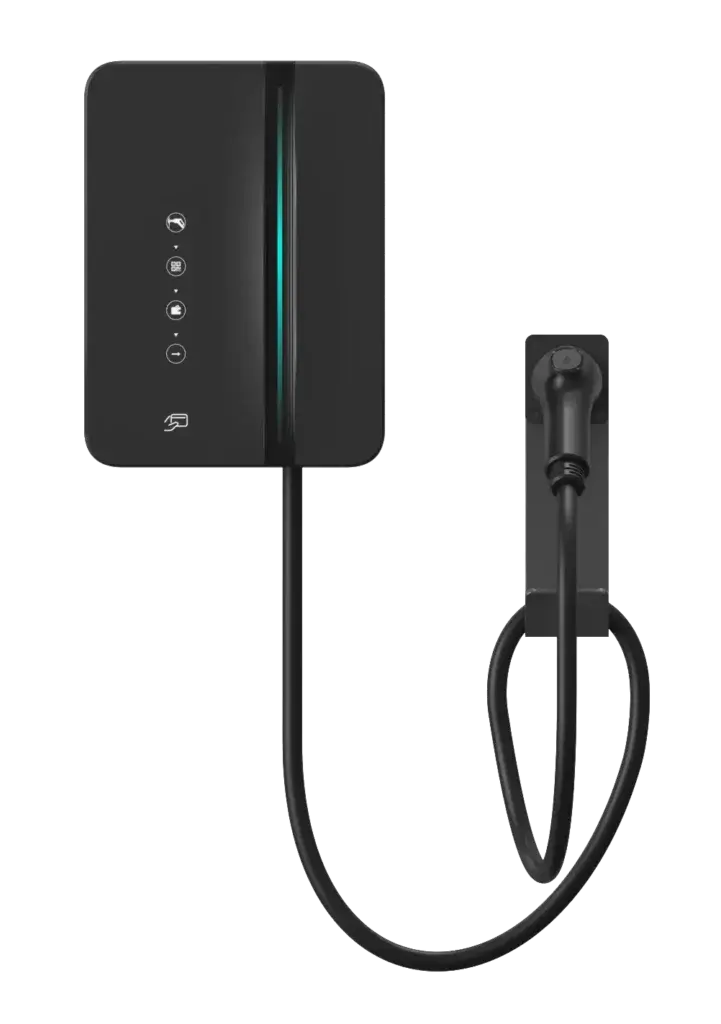
Apoio pós-venda e condições de garantia
Um forte apoio pós-venda e condições de garantia claramente definidas protegem o investimento do comprador muito para além da compra inicial, abrangendo o tratamento de defeitos, a resolução de problemas técnicos e a logística de substituição ao longo da vida útil do produto.
Antes de concluir um acordo, esclareça o seguinte:
- Duração da garantia e âmbito de cobertura. Compreenda exatamente quais são os tipos de avarias abrangidos e por quanto tempo, em vez de partir do princípio de que se aplica um período de garantia genérico a todos os tipos de avarias.
- Capacidade de resposta do apoio técnico. Pergunte como são tratados os pedidos de assistência, quais os tempos de resposta a esperar e se a assistência está disponível no fuso horário ou no idioma do comprador.
- Logística de substituição e reparação. Esclareça se as unidades com defeito são substituídas, reparadas ou se é concedido um crédito, e quem suporta os custos de envio no caso de reclamações ao abrigo da garantia.
- Peças sobressalentes e disponibilidade a longo prazo. No caso de implementações de maior dimensão, certifique-se de que os conectores, cabos ou componentes de substituição continuarão disponíveis muito para além da encomenda inicial, uma vez que a descontinuação de componentes pode deixar inoperacional uma base instalada que, de outra forma, estaria funcional.
Um fornecedor que documente claramente estes termos num acordo por escrito, em vez de os deixar como promessas verbais informais, oferece aos compradores um recurso significativamente mais sólido caso surjam problemas após a implementação.
Comparar propostas de fornecedores: o que ter em conta para além do preço
Comparar os fornecedores de adaptadores de carregamento para veículos elétricos apenas com base no preço quase sempre dá uma imagem distorcida do verdadeiro custo de propriedade, uma vez que ignora as diferenças nas taxas de avaria, na qualidade do apoio técnico e na fiabilidade a longo prazo, que só se tornam evidentes após a implementação.
Ao comparar várias propostas, é útil elaborar uma avaliação mais completa, em vez de uma simples tabela de preços. Considere ponderar a comparação com base em fatores como:
- Preço unitário com base no volume real da encomenda em causa, e não num preço de catálogo genérico
- Documentação relativa à certificação e aos ensaios fornecida antecipadamente, em vez de ser prometida para mais tarde
- Fiabilidade dos prazos de entrega com base em referências ou no histórico de encomendas anteriores
- Disponibilidade para apoiar a personalização sem aumentos significativos de custos
- Clareza e exaustividade dos termos da garantia e do apoio técnico
- A capacidade de resposta na comunicação durante o próprio processo de orçamentação e negociação, o que constitui frequentemente um indicador razoável da qualidade do apoio pós-venda

Um preço unitário ligeiramente mais elevado de um fornecedor com documentação sólida, prazos de entrega consistentes e condições de assistência claras acaba frequentemente por sair mais barato ao longo do ciclo de vida de uma implementação do que um orçamento inicial mais baixo de um fornecedor que se revela difícil de contactar quando surge um problema. Encarar a decisão de aquisição como uma avaliação de parceria a longo prazo, em vez de uma simples transação de compra, tende a produzir resultados muito melhores para projetos que dependem de um desempenho consistente do equipamento ao longo de vários anos.
FAQ
Quanto tempo demora, normalmente, a qualificação de um novo fornecedor de adaptadores de carregamento para veículos elétricos?
Os prazos de qualificação variam consoante a dimensão do projeto, mas um processo exaustivo — que inclui análise técnica, testes de amostras e pequenas encomendas de teste antes de se avançar para a compra em grande escala — demora normalmente entre várias semanas e alguns meses. Apressar este processo para cumprir um prazo apertado aumenta frequentemente o risco de surgirem posteriormente problemas de qualidade ou de conformidade.
Devo solicitar amostras do produto antes de fazer uma encomenda em grande quantidade?
Sim, solicitar e testar amostras de forma independente antes de avançar com uma encomenda de grande volume é uma prática habitual e razoável na aquisição de produtos eletrónicos no setor B2B. Os testes às amostras permitem ao comprador verificar em primeira mão o desempenho real e a qualidade de fabrico, em vez de se basear inteiramente nas alegações ou na documentação fornecida pelo próprio fornecedor.
Que sinais de alerta indicam que um fornecedor pode não ser fiável a longo prazo?
Os sinais de alerta mais comuns incluem relutância em partilhar documentos de certificação originais, respostas vagas ou inconsistentes a perguntas técnicas específicas, períodos de garantia invulgarmente curtos em comparação com as normas do setor e dificuldade em obter respostas atempadas durante a fase de negociação pré-venda, uma vez que uma comunicação lenta ou evasiva antes da compra costuma indicar um comportamento semelhante após a mesma.