La ricarica dei veicoli elettrici non è più un sistema unico e unificato. Con l’accelerazione della diffusione dei veicoli elettrici in diverse regioni, i produttori, gli operatori di flotte e i conducenti si trovano sempre più spesso di fronte a una realtà frustrante: la spina del loro veicolo non è compatibile con la presa del caricatore che hanno davanti. Questa incompatibilità è particolarmente comune tra i veicoli costruiti secondo lo standard CCS2 (Combined Charging System), ampiamente utilizzato in Europa e in altri mercati, e i caricatori rapidi in corrente continua (DC) basati sullo standard cinese GB/T. Per chiunque importi un veicolo, gestisca una flotta mista o viaggi attraverso regioni con infrastrutture di ricarica diverse, questa incompatibilità può trasformare una sosta di ricarica di routine in un vero e proprio grattacapo logistico.
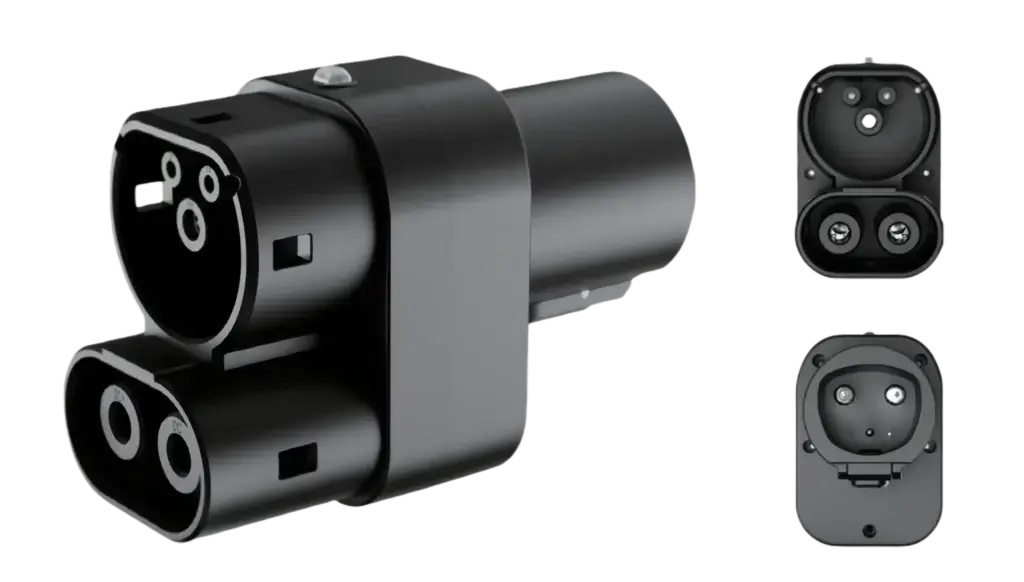
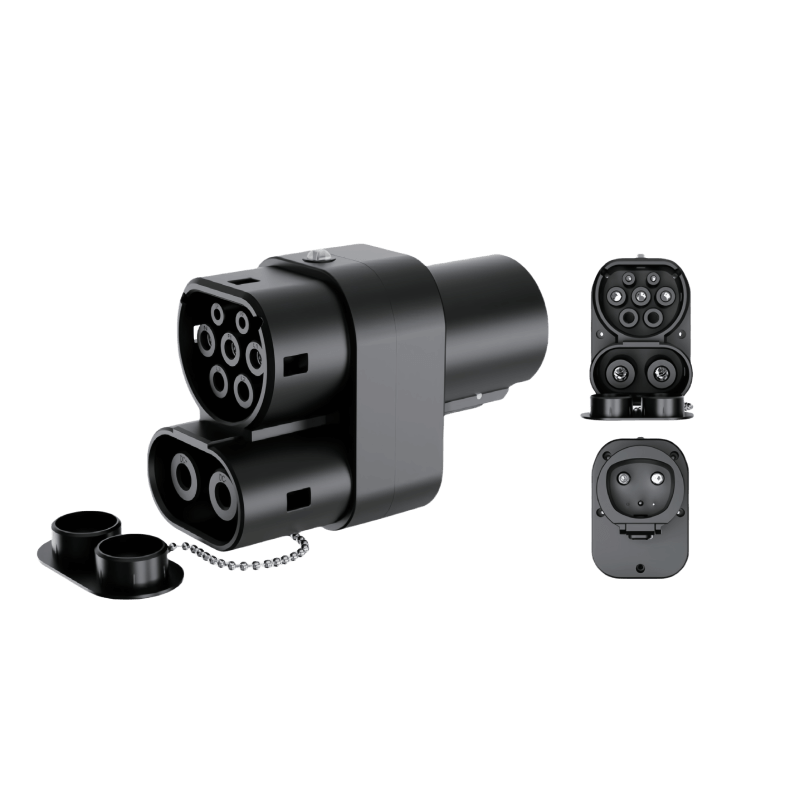
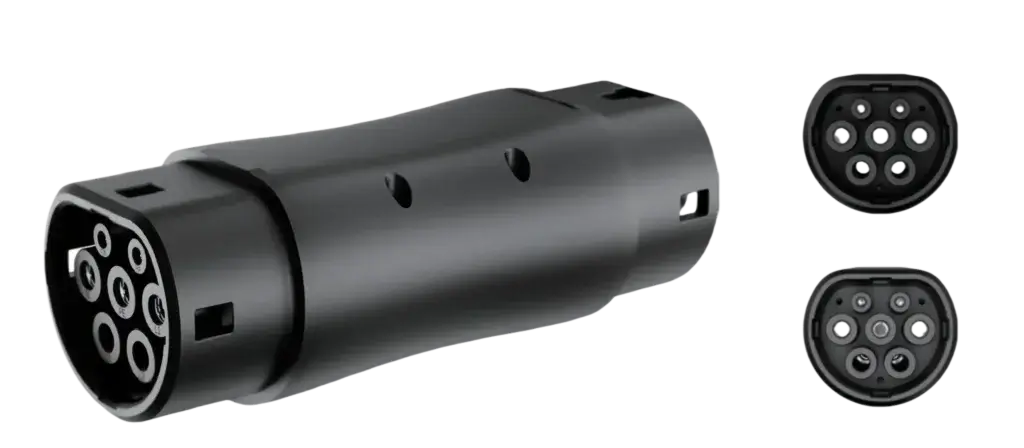
Un adattatore da CCS2 a GBT risolve direttamente questo problema. Si tratta di un dispositivo hardware che si inserisce tra un veicolo dotato di CCS2 e un caricatore rapido in corrente continua GB/T, convertendo sia la forma fisica del connettore sia il protocollo di comunicazione, in modo che i due sistemi possano scambiarsi energia in tutta sicurezza. In pratica, consente a un veicolo progettato per un determinato ecosistema di ricarica di prelevare energia per la ricarica rapida in corrente continua da una stazione realizzata per un ecosistema completamente diverso, senza richiedere alcuna modifica né al veicolo stesso né alla stazione di ricarica.
Prima di affidarsi a questo tipo di apparecchiature per le normali esigenze di ricarica, è fondamentale comprendere esattamente come avvenga questa conversione e in quali situazioni sia effettivamente opportuno utilizzarle.
Che cos’è un adattatore da CCS2 a GBT e a cosa serve?
Un adattatore da CCS2 a GBT è un gruppo connettore appositamente progettato che fa da ponte tra due standard di ricarica rapida in corrente continua che non sono mai stati concepiti per funzionare in modo interoperabile. Esiste perché il settore dei veicoli elettrici si è sviluppato a livello regionale anziché globale, e ogni mercato principale ha adottato un proprio connettore fisico, una propria configurazione dei pin e un proprio protocollo di comunicazione per la ricarica in corrente continua ad alta potenza.
Lo standard di ricarica CCS2
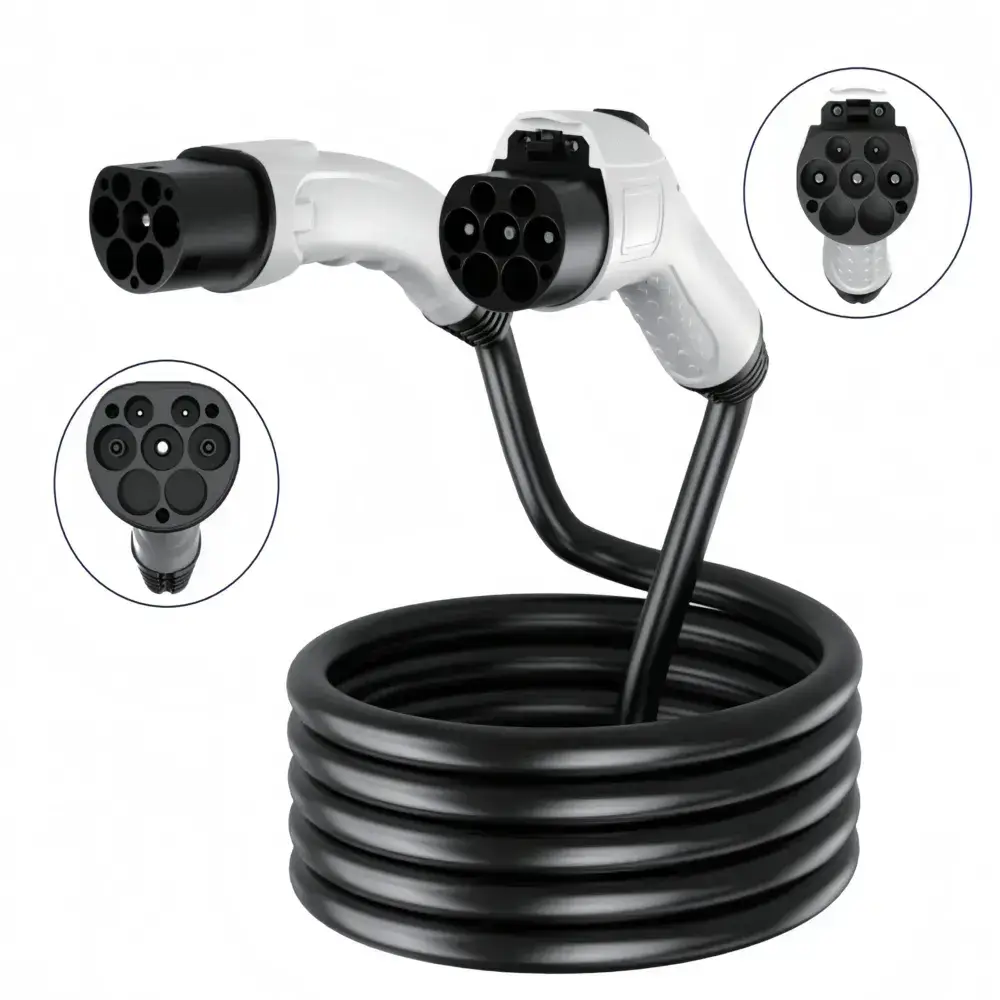
Il CCS2 è lo standard dominante per la ricarica rapida in corrente continua in tutta Europa ed è utilizzato anche in alcune zone del Medio Oriente, in Australia e in altri mercati che seguono le normative automobilistiche europee. Combina un connettore CA di tipo 2 con due pin CC aggiuntivi situati al di sotto, consentendo a un’unica presa sul veicolo di gestire sia la ricarica in CA che in CC. La comunicazione tra il veicolo e il caricatore si basa sulla tecnologia Power Line Communication (PLC), che opera sullo stesso connettore fisico utilizzato per il trasferimento di energia. Il CCS2 supporta livelli di potenza elevati, con molte stazioni pubbliche in grado di erogare ben oltre 150 kW su veicoli compatibili.
Lo standard di ricarica GB/T
GB/T (abbreviazione di Guobiao/Tuijian, il sistema di standard nazionali cinese) è lo standard di ricarica rapida in corrente continua obbligatorio per i veicoli elettrici venduti nella Cina continentale. A differenza del CCS2, il GB/T utilizza un connettore separato specifico per la ricarica rapida in corrente continua, distinto dalla presa di ricarica in corrente alternata. La comunicazione tra il veicolo e il caricatore avviene tramite un protocollo CAN bus anziché tramite PLC. La disposizione dei pin, la sequenza di handshake della tensione e persino le dimensioni fisiche del connettore differiscono sostanzialmente da quelle del CCS2.
Poiché questi due standard divergono praticamente a ogni livello, dalla forma fisica della spina al linguaggio utilizzato dal veicolo e dal caricatore per negoziare i parametri di ricarica, un semplice cavo passivo non è in grado di colmare tale divario. Un adattatore funzionante deve tradurre attivamente sia l’interfaccia elettrica sia lo scambio di dati digitale tra i due sistemi; ecco perché questi dispositivi sono progettati appositamente, anziché essere semplici cavi stampati.
Come funziona un adattatore da CCS2 a GBT?
Un adattatore da CCS2 a GBT funziona collegandosi fisicamente a entrambi gli standard alle due estremità, convertendo internamente il protocollo di comunicazione e adeguando i parametri di erogazione dell'energia richiesti da ciascuna parte, in modo che il veicolo e il caricatore ritengano di comunicare direttamente con un dispositivo compatibile.
Conversione fisica ed elettrica
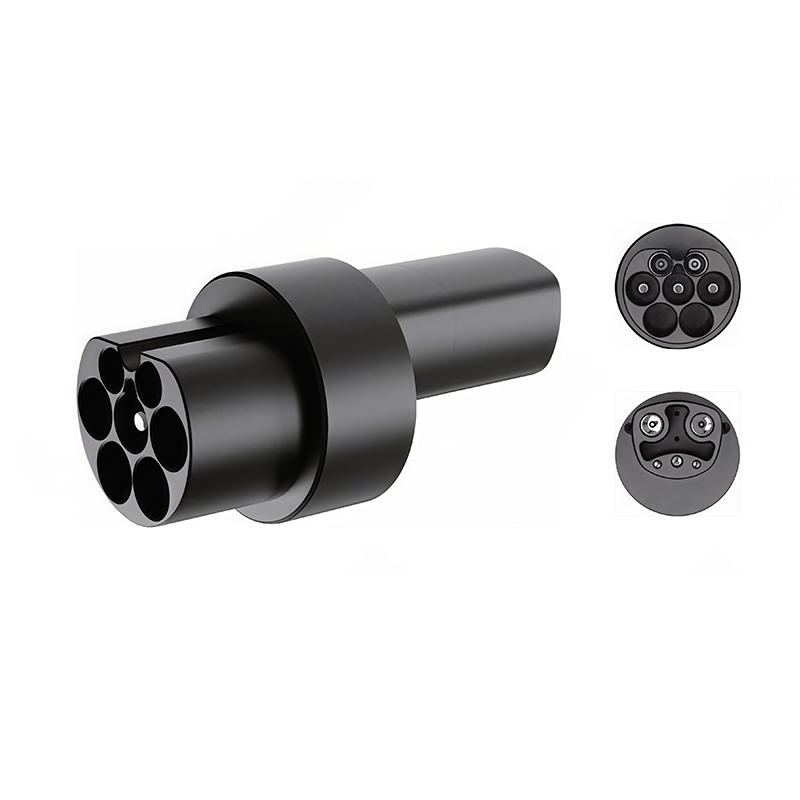
Da un lato, l’adattatore è dotato di una spina conforme allo standard GB/T che si collega al caricatore rapido in corrente continua. Dall’altro lato, presenta una presa o un connettore conforme allo standard CCS2 che si accoppia con il veicolo. Internamente, i pin di alimentazione CC ad alta tensione sono collegati in modo che la corrente possa passare dal caricatore alla batteria del veicolo con perdite minime. Poiché gli intervalli di tensione e corrente differiscono leggermente tra le implementazioni tipiche dei due standard, i componenti interni dell’adattatore sono progettati per gestire in sicurezza l’intervallo elettrico di entrambi i sistemi.
Traduzione del protocollo
La parte tecnicamente più complessa del funzionamento dell’adattatore è la conversione dei protocolli. I caricabatterie GB/T comunicano tramite messaggi sul bus CAN per negoziare la tensione di ricarica, i limiti di corrente e i controlli di sicurezza prima e durante una sessione di ricarica. I veicoli CCS2 utilizzano invece una comunicazione basata sul protocollo PLC per lo stesso scopo. Un adattatore funzionante contiene un piccolo controller integrato che:
- Riceve i segnali di handshake del bus CAN dal caricabatterie GB/T.
- Converte tali segnali nei messaggi basati su PLC previsti dal veicolo CCS2.
- Trasmette le richieste di ricarica del veicolo e i dati relativi alla gestione della batteria al caricabatterie nel formato da esso riconosciuto.
- Monitora costantemente entrambi i lati durante la sessione per mantenere un profilo di ricarica sincronizzato.
Dispositivi di interblocco di sicurezza
Poiché la ricarica rapida in corrente continua comporta tensioni e correnti elevate, l’adattatore deve inoltre riprodurre i meccanismi di sicurezza su cui si basano entrambi gli standard, tra cui il monitoraggio dell’isolamento, il rilevamento dei guasti a terra e un meccanismo per verificare che il connettore sia bloccato saldamente prima che la corrente inizi a fluire. Un adattatore ben progettato interromperà immediatamente la sessione di ricarica se uno qualsiasi di questi controlli fallisce, proprio come farebbe un connettore nativo.
Il risultato, quando tutto funziona correttamente, è una sessione di ricarica che, sia dal punto di vista del veicolo che da quello del caricatore, appare e si comporta come una normale sessione di ricarica, anche se i due sistemi non sono mai stati progettati per comunicare direttamente tra loro.
Quando è necessario utilizzare un adattatore da CCS2 a GBT per il proprio veicolo elettrico?
Il tuo veicolo elettrico necessita di un adattatore da CCS2 a GBT ogni volta che la presa di ricarica rapida in corrente continua del veicolo non è compatibile con il tipo di connettore installato sul caricatore che devi utilizzare e non sono disponibili altre opzioni di ricarica compatibili.
Questo scenario si presenta in una serie di situazioni ricorrenti:
- Importazioni ed esportazioni di veicoli. Un veicolo dotato di CCS2 importato in un mercato in cui l'infrastruttura di ricarica GB/T è lo standard, o viceversa, non può utilizzare i caricatori rapidi in corrente continua pubblici locali senza un adattatore.
- Operatori di flotte che gestiscono veicoli di diverse tipologie. Le aziende di logistica, le flotte di servizi di ride-hailing e le flotte aziendali che utilizzano veicoli provenienti da diverse regioni hanno spesso bisogno di un unico impianto di ricarica presso il deposito in grado di supportare diversi standard di connettori.
- Logistica transfrontaliera e corridoi di trasporto. I veicoli elettrici commerciali che viaggiano attraverso regioni con standard di ricarica diversi hanno bisogno di un modo affidabile per ricaricarsi lungo il percorso senza rimanere bloccati presso stazioni incompatibili.
- Produttori di apparecchiature di ricarica e laboratori di prova. Gli ingegneri che verificano la compatibilità dei caricabatterie, eseguono test di interoperabilità o certificano nuovi modelli di veicoli hanno spesso bisogno di adattatori per simulare scenari di ricarica che coinvolgono standard diversi.
- Sistemi di ricarica temporanei o portatili. Le stazioni di ricarica mobili, i sistemi di ricarica per eventi e le infrastrutture temporanee devono talvolta fornire energia a veicoli dotati di diversi tipi di presa di ricarica, attingendo da un’unica fonte di alimentazione.
Se la presa di ricarica del veicolo e il connettore del caricabatterie sono già conformi allo stesso standard, un adattatore non è necessario e aggiunge un ulteriore punto di guasto al percorso di ricarica. Diventa davvero utile proprio quando non è possibile evitare la mancata corrispondenza degli standard.
Vale inoltre la pena distinguere un’esigenza reale da una soluzione di ripiego. Alcuni autisti ricorrono a un adattatore come soluzione temporanea in seguito a un cambiamento imprevisto del percorso o a un cambio di veicolo all’ultimo minuto, e in questi casi funziona bene come soluzione occasionale. I responsabili della pianificazione delle flotte e delle infrastrutture, al contrario, tendono a considerare la compatibilità degli adattatori come una scelta progettuale presa in anticipo, integrata nella configurazione dei depositi e nella pianificazione dei percorsi piuttosto che mantenuta come riserva di emergenza. Entrambi i casi d’uso sono validi, ma la durata, la potenza nominale e i requisiti di certificazione differiscono in modo significativo tra un adattatore utilizzato poche volte all’anno e uno utilizzato per cicli di ricarica commerciali quotidiani.
CCS2 vs GB/T: principali differenze tecniche
Una risposta breve: i sistemi CCS2 e GB/T differiscono per la forma del connettore, il protocollo di comunicazione, il numero di pin e il modo in cui la ricarica in corrente alternata e in corrente continua è integrata nella presa del veicolo; ecco perché i due sistemi non possono essere collegati senza un adattatore attivo.
La tabella che segue riassume le principali differenze tecniche rilevanti per la progettazione e l'utilizzo degli adattatori:
| Caratteristica | CCS2 | GB/T |
|---|---|---|
| Regione di utilizzo principale | Europa, alcune regioni del Medio Oriente e dell’Oceania | Cina continentale |
| Integrazione AC/DC | Connettore combinato (Tipo 2: pin CA e CC) | Connettori separati per corrente alternata e corrente continua |
| Protocollo di comunicazione | Comunicazione tramite rete elettrica (PLC) | Bus CAN |
| Potenza massima tipica in corrente continua | Di solito superiore a 150 kW su veicoli e caricatori compatibili | Ampiamente diffuso fino a circa 237,5 kW, con specifiche più recenti che supportano potenze superiori |
| Forma del connettore | Schema di tipo 2 con due pin CC inferiori | Connettore CC ovale ben distinguibile, separato dall'ingresso CA |
| Organo direttivo | Norma internazionale, basata sulla norma IEC 62196 | Norma nazionale cinese, definita ai sensi della GB/T 20234 |
Queste differenze strutturali spiegano perché un adattatore da CCS2 a GBT non possa essere un semplice cavo con corrispondenza pin-a-pin. La geometria del connettore, il numero e la funzione dei pin, nonché l'intera logica di comunicazione, devono essere coordinati dall'elettronica attiva all'interno dell'alloggiamento dell'adattatore.
Come scegliere l'adattatore di ricarica più adatto alle tue esigenze
L'adattatore di ricarica giusto è quello progettato per la potenza massima di ricarica del proprio veicolo, realizzato con componenti di sicurezza certificati e la cui compatibilità sia stata verificata sia con il modello specifico del veicolo sia con l'hardware del caricatore che si intende utilizzare.
Nel valutare le opzioni, occorre tenere in considerazione i seguenti fattori:
- Potenza nominale. Verificare che la tensione e la corrente nominali dell’adattatore siano pari o superiori sia alla capacità massima di ricarica in corrente continua del veicolo sia alla potenza massima in uscita del caricabatterie, in modo che non diventi un collo di bottiglia né un rischio per la sicurezza.
- Certificazione e conformità. Cercate adattatori testati in base alle norme di sicurezza elettrica e di compatibilità elettromagnetica (EMC) pertinenti, con documentazione che ne attesti la conformità, anziché limitarsi alle sole dichiarazioni di marketing.
- Qualità costruttiva e grado di protezione IP. La ricarica rapida in corrente continua genera una notevole quantità di calore e corrente; gli adattatori utilizzati all’aperto o in ambienti commerciali dovrebbero essere dotati di un adeguato grado di protezione contro l’ingresso di corpi estranei e di materiali di costruzione resistenti.
- Affidabilità della comunicazione. La logica di traduzione del protocollo dovrebbe garantire uno handshake stabile per tutta la durata della sessione di ricarica, non solo all’inizio, al fine di evitare interruzioni o interruzioni premature delle sessioni.
- Lunghezza e flessibilità del cavo. Gli ambienti dei depositi e delle flotte traggono vantaggio dall’uso di adattatori con cavi di lunghezza adeguata alla disposizione dei posti auto e dei caricatori, riducendo così la sollecitazione sul connettore.
- Assistenza e garanzia del fornitore. Considerati i carichi elettrici in gioco, un produttore che offra un supporto tecnico chiaro e una copertura di garanzia riduce il rischio operativo, in particolare nel caso di implementazioni su larga scala (flotte).
Per le organizzazioni che stanno adottando apparecchiature di ricarica compatibili tra loro, consultare una categoria dedicata agli adattatori di ricarica può aiutare a confrontare le specifiche fianco a fianco prima di procedere all’acquisto, soprattutto quando è necessario supportare contemporaneamente diverse combinazioni di veicoli e caricabatterie.
Considerazioni relative all'installazione, alla sicurezza e alla manutenzione
Per utilizzare in sicurezza un adattatore da CCS2 a GBT è fondamentale seguire una procedura di collegamento corretta, effettuare ispezioni periodiche e considerarlo come un'apparecchiatura ad alta tensione piuttosto che come un semplice accessorio.
Protocolli di sicurezza
Prima di ogni sessione di ricarica, è necessario ispezionare visivamente i connettori su entrambe le estremità dell’adattatore per verificare la presenza di danni, detriti o umidità. L’adattatore deve essere inserito completamente e bloccato sia sul lato del veicolo che su quello del caricatore prima di avviare una sessione, poiché un collegamento allentato è una delle cause più comuni di mancata connessione o, in casi più gravi, di formazione di archi elettrici. Gli operatori dovrebbero inoltre evitare di utilizzare un adattatore in condizioni che superano il grado di protezione nominale, in particolare in caso di pioggia battente, a meno che non sia specificatamente progettato per l’uso all’aperto.
Consigli per la manutenzione
Una manutenzione regolare garantisce sia la sicurezza che la durata delle apparecchiature. Ciò include controlli periodici dell’usura dei pin, dell’integrità dell’isolamento dei cavi e dei percorsi interni di raffreddamento o ventilazione, qualora l’adattatore sia progettato per un’elevata potenza continua. Gli operatori di flotte che gestiscono più unità traggono vantaggio dalla tenuta di un semplice registro di manutenzione, in cui vengono registrati il numero di sessioni o le ore di ricarica per ciascun adattatore; in questo modo, le unità che si avvicinano alla fine della loro vita utile nominale possono essere sostituite prima che si verifichi un guasto durante l’uso attivo. Qualsiasi adattatore che mostri segni di scolorimento dovuto al surriscaldamento, danni ai pin dei connettori o guasti intermittenti nella comunicazione dovrebbe essere immediatamente messo fuori servizio anziché essere riparato in modo non ufficiale, dato l’ambiente ad alta tensione in corrente continua in cui opera.
Vantaggi dell'utilizzo di un adattatore da CCS2 a GBT
Il vantaggio principale di un adattatore da CCS2 a GBT è la flessibilità: consente a un singolo veicolo o a una flotta mista di accedere alla ricarica rapida in corrente continua secondo i due principali standard regionali, senza bisogno di veicoli distinti, infrastrutture di ricarica separate o costosi interventi di adeguamento.
Oltre a questo vantaggio fondamentale, gli adattatori di buona fattura offrono diversi benefici pratici:
- Come evitare i veicoli in panne. I conducenti di veicoli importati o trasferiti non sono limitati a una gamma sempre più ristretta di caricabatterie compatibili.
- Costi di infrastruttura inferiori per le flotte miste. Un unico deposito di ricarica può servire veicoli provenienti da diverse regioni senza dover installare e mantenere due set completi di apparecchiature di ricarica.
- Implementazione più rapida per le operazioni transfrontaliere. Gli operatori del settore della logistica e dei trasporti possono pianificare i percorsi tenendo conto delle infrastrutture di ricarica già esistenti, anziché attendere la realizzazione di stazioni conformi a standard specifici.
- Maggiore durata dei veicoli importati. I veicoli importati da un mercato con normative diverse mantengono la piena funzionalità di ricarica rapida in corrente continua, anziché essere limitati alla ricarica più lenta in corrente alternata.
- Supporto alle attività di collaudo e certificazione. I team di ingegneri incaricati di verificare la compatibilità tra diversi standard dispongono così di un metodo affidabile e ripetibile per eseguire test di ricarica in condizioni reali.
Scegliere un fornitore affidabile Adattatore da CCS2 a GBTr Questo aspetto è fondamentale proprio perché il dispositivo è inserito direttamente nel percorso dell'alimentazione ad alta tensione. Un'unità progettata con cura, con parametri tecnici adeguati e sottoposta a corretta manutenzione, trasforma quello che altrimenti sarebbe un problema di incompatibilità in una sessione di ricarica ordinaria e sicura, sia che si tratti di un singolo veicolo importato sia di una flotta che opera secondo standard di ricarica diversi.
Poiché le reti di ricarica continuano ad espandersi in modo disomogeneo tra le diverse regioni, è improbabile che le discrepanze tra gli standard scompaiano da sole nel breve termine. I costruttori automobilistici e gli operatori delle reti di ricarica si attengono generalmente allo standard dominante nel proprio mercato nazionale, e la piena armonizzazione globale dei protocolli di ricarica rapida in corrente continua rimane un obiettivo a lungo termine piuttosto che una realtà attuale, come dimostrano le discussioni di coordinamento in corso tra organismi internazionali di normazione quali il Commissione Elettrotecnica Internazionale. Finché tale armonizzazione non avrà luogo, gli adattatori rimangono uno degli strumenti più pratici a disposizione per mantenere i veicoli carichi, indipendentemente dallo standard regionale su cui si basa una determinata stazione di ricarica.
FAQ
È sicuro utilizzare un adattatore da CCS2 a GBT per la ricarica quotidiana?
Sì, a condizione che l’adattatore sia adeguatamente omologato per i livelli di potenza del veicolo e del caricabatterie, certificato secondo le norme di sicurezza pertinenti e sottoposto a ispezioni periodiche. Gli adattatori utilizzati per la ricarica quotidiana o ad alta frequenza dovrebbero essere scelti tenendo conto di una resistenza di livello professionale, piuttosto che di un modello leggero destinato a un uso occasionale.
L'uso di un adattatore riduce la velocità di ricarica rispetto a un connettore originale?
Nella maggior parte degli adattatori ben progettati, la velocità di ricarica è limitata dal valore massimo più basso tra quello del veicolo e quello del caricabatterie, non dall’adattatore stesso, purché la potenza nominale dell’adattatore superi entrambi. Gli adattatori con potenze nominali inadeguate o di scarsa qualità, tuttavia, possono creare un collo di bottiglia o attivare limiti di ricarica conservativi.
È possibile utilizzare un adattatore da CCS2 a GBT con qualsiasi combinazione di veicolo e caricatore?
Non necessariamente. La compatibilità dipende dalla potenza nominale specifica dell’adattatore, dalla versione del connettore e dal supporto dei protocolli di comunicazione, che devono corrispondere sia al sistema di ricarica di bordo del veicolo sia all’hardware del caricabatterie; pertanto, è importante verificare la compatibilità con il modello specifico del veicolo e con il caricabatterie prima dell’installazione, in particolare in caso di utilizzo su larga scala (flotta).