La ricarica dei veicoli elettrici è a livelli e stazioni di ricarica di livello 3 si trovano in cima alla classifica. Queste unità erogano energia a velocità tali da far apparire le altre opzioni quasi piacevoli al confronto. Per gli automobilisti che percorrono lunghe distanze o che hanno bisogno di un rabbocco veloce, le stazioni di ricarica di livello 3 rappresentano l'opzione più veloce disponibile al pubblico. Ma la storia non si limita alla velocità pura e semplice.
La terminologia può essere un po' confusa all'inizio. Alcuni li chiamano caricatori veloci in corrente continua, altri caricatori rapidi. L'espressione "stazioni di ricarica di livello 3" è diventata di uso comune, anche se tecnicamente il settore preferisce la ricarica rapida in corrente continua (DCFC). Indipendentemente dal nome, il risultato è lo stesso: tempi di ricarica significativamente ridotti rispetto alle alternative di livello 1 o 2.

Come funzionano le stazioni di ricarica di livello 3?
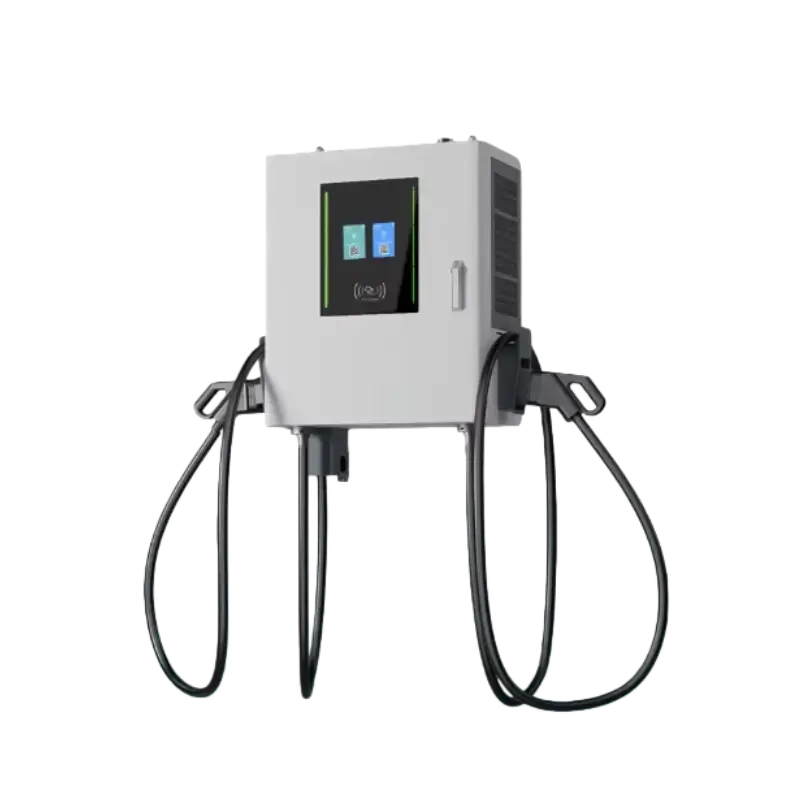
A differenza dei caricatori domestici che si basano sulla corrente alternata, le stazioni di ricarica di livello 3 convertono l'elettricità in corrente continua prima che raggiunga il veicolo. In questo modo si bypassa il caricabatterie di bordo dell'auto, consentendo all'energia di fluire direttamente nella batteria a velocità molto più elevate. L'apparecchiatura in sé è sostanziale: armadietti di grandi dimensioni, cavi pesanti e un'infrastruttura elettrica seria.
Il processo sembra semplice dal posto di guida: si collega, si aspetta un po', si scollega. Dietro le quinte, un'elettronica sofisticata gestisce il calore, la tensione e la corrente per proteggere il caricabatterie e la batteria del veicolo. I sistemi di sicurezza monitorano costantemente le condizioni, regolando la potenza in base alle necessità.
Confronto della velocità: livello 1, livello 2 e livello 3
Le velocità di ricarica variano notevolmente da un livello all'altro. La tabella seguente offre un confronto approssimativo basato su apparecchiature e condizioni tipiche.
| Livello di carica | Tensione | Potenza di uscita tipica | Tempo di aggiungere 100 miglia |
|---|---|---|---|
| Livello 1 | 120 V CA | 1-2 kW | 20-40 ore |
| Livello 2 | 240V AC | 7-19 kW | 3-8 ore |
| Livello 3 | 200-900 V CC | 50-350 kW | 15-45 minuti |
La differenza è notevole. Ciò che richiede un'intera giornata con il livello 1, può avvenire in meno di un'ora con le stazioni di ricarica di livello 3. Questa velocità rende praticabili i viaggi a lunga distanza in un modo che le opzioni più lente non sono in grado di eguagliare.
Dove si trovano le stazioni di ricarica di livello 3?
Queste stazioni di ricarica tendono a raggrupparsi lungo le autostrade, vicino ai principali corridoi di viaggio e nei centri urbani. I luoghi più comuni sono:
Punti di ristoro autostradali e aree di sosta
Centri commerciali e parcheggi al dettaglio
Parcheggi di aeroporti e hotel
Depositi di flotte e hub commerciali
La collocazione riflette l'uso previsto: soste rapide durante i viaggi più lunghi piuttosto che la ricarica notturna. Gli osservatori notano che le reti si stanno espandendo rapidamente, anche se la copertura rimane disomogenea in alcune regioni.
Tipi di connettore
Non tutte le stazioni di ricarica di livello 3 utilizzano la stessa spina. I principali standard di connettori sono:
1. CCS (Sistema di ricarica combinato): Comune in Nord America e in Europa, utilizzato dalla maggior parte dei veicoli elettrici non Tesla.
2. CHAdeMO: Sviluppato originariamente in Giappone, è presente su alcuni vecchi veicoli elettrici e su alcuni modelli asiatici.
3. Tesla Supercharger: Di proprietà di Tesla, anche se gli adattatori e l'accesso alla rete sono in espansione.
Verificare la compatibilità dei connettori prima di un viaggio evita frustranti sorprese. La maggior parte dei veicoli più recenti supporta il CCS, ma i modelli più vecchi possono richiedere adattatori o reti specifiche.
Vantaggi e limiti
Le stazioni di ricarica di livello 3 offrono chiari vantaggi:
- Tempi di ricarica drasticamente più rapidi
- Consente di viaggiare su lunghe distanze con i veicoli elettrici
- Comodo per chi non ha accesso alla ricarica a casa
Tuttavia, esistono alcune limitazioni:
- Costo per kWh più elevato rispetto alla ricarica domestica
- Non adatto all'uso quotidiano a causa della potenziale usura della batteria.
- Disponibilità ancora limitata nelle aree rurali
La tecnologia funziona meglio come complemento alla ricarica domestica o sul posto di lavoro, non come sostituto completo. Frequenti Ricarica rapida DC stazione può stressare le batterie nel tempo, quindi è importante la moderazione.
FAQ
I prezzi delle stazioni di ricarica di livello 3 variano a seconda della rete, della posizione e del tempo di utilizzo. Alcune si fanno pagare al kWh, altre al minuto e alcune offrono piani di abbonamento. Le tariffe tendono ad essere più alte rispetto all'elettricità domestica, ma la convenienza spesso giustifica il sovrapprezzo, soprattutto durante i viaggi.
I programmi di abbonamento delle principali reti possono ridurre i costi per sessione. Per gli utenti abituali è opportuno confrontare le opzioni prima di scegliere un'unica rete.
Tutti i veicoli elettrici possono utilizzare le stazioni di ricarica di livello 3?
La maggior parte dei moderni veicoli elettrici supporta la ricarica rapida in corrente continua, ma i modelli più vecchi o più piccoli potrebbero non supportarla.
L'uso frequente della ricarica di livello 3 è dannoso per le batterie?
L'uso occasionale va bene, ma una ricarica rapida regolare può accelerare il degrado della batteria.
Quanto costa la ricarica di livello 3?
I prezzi variano molto, in genere da 0,25→0,60 per kWh a seconda della rete e dell'ubicazione.